HAIR HEALTH FROM INSIDE  OUT

Hair Structure

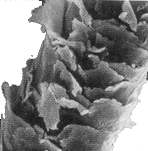
CUTICLE HAIR

Hair is mostly made of a protein called keratin. Fingernails an the top layer of skin is also made of keratin protein. Each strand of hair consists of three layers.


1.An innermost layer or medulla.

2.The middle layer is the cortex.

3.The cortex provides strength , color, and the texture of hair.

The outermost layer is the cuticle. The cuticle is thin and colorless which protects the cortex.

The center of the hair is called the cortex. It makes up 80 percent of hair. It’s made of small fibrils that twist together to make the longer fibers stronger . The cuticle is made of of dead cells that overlap each other in several layers. The condition of the cuticle plays a part in the appearance of the hair. If the dead cells lay closely together (closed cuticles) then the hair looks shiny and healthy, however, if they lift up (open cuticles) the hair appears dull, dry, and tangles easily.

HEALTHY HAIR                                           
(Cells that lay closely together or healthy hair) 

DAMAGE HAIR        

(Lifted Hair Cells or damaged hair)

Medulla cells contain air pockets that are found inside the hair shaft which form the medullary canal. Lipids, a fat substance, is passed through to the cortex or cuticle from the medulla cells. Layers of lipids are formed to bind moisture and protein to the hair shaft. African American hair consists of 88% protein, 10-15% water, 5-10% pigments, minerals and lipids. The cortex and cuticle are formed from solid keratin fiber and the binding material is formed from amorphous keratin, which fills in the spaces inside the cortex and cuticle. The amorphous keratin holds the fibrous structure together.

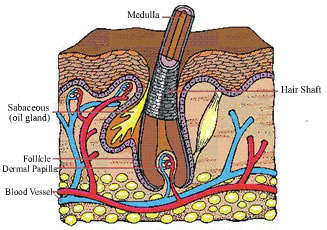
Structure of the hair root

STRUCTURE OF HAIR

Benath the surface of the skin is the root of the hair , which is enclosed within a hair follicle. At the base of the hair follicle is the dermal papilla. The dermal papilla is fed by the bloodstream which nourishment the new hair produces. The dermal papilla is essential to hair growth because it contains receptors for androgen and male hormones . Androgens regulates hair growth.

 The Hair Growth Cycle

HAIR GROWTH CYCLE 

 Hair follicles grow in repeated cycles. A cycle can be broken down into three phases:

 Anagen – Growth Phase

Catagen – Transitional phase

Telogen – Resting Phase Each hair goes through the phases independent of the neighboring hairs.

The regeneration of hair is influenced by many factors:

  • health
  • hereditary factors
  • diet
  • hormone balance
  • age
  • physical condition
  • climate
  • chemical effects
  • sex
  • effects of disease

YOUR HAIR IS HUNGRY!

Your Hair is Hungry! Feed It! We all know that eating certain food is good for your body. But what about what’s good for your hair? Do you think washing and conditioning is enough? Think again. Your hair is hungry, and here’s information on how to feed it from the inside out. A healthy diet equals healthy cells, and your scalp is full of cells. It makes sense that when we eat healthy foods that help to regenerate cells, our hair will benefit. With hair growing at the rate of about ¼ to ½ inch per month, it needs plenty of iron, protein and all kinds of good nutrients to keep it healthy. Forget the supplements – you don’t need them if you eat right; let’s talk about getting what your hair needs from foods that you love. We’ll start with dark green vegetables, like spinach, green beans and broccoli. Chocked full of vitamins A and C, they help your body make sebum, that natural oil that’s found on your scalp that your hair thrives on. Dark green veggies can be eaten alone or in many recipes. (By the way, when you feel that natural oil on your scalp, massage it through to the ends of your hair before washing it out – it’s like a natural conditioner.) Let’s focus now on omega-3 fatty acids, a very good protein source. Fish oil contains plenty of omega-3, which promotes good circulation. Good circulation means more blood flow to your scalp, helping your hair stay shiny and hydrated. You can enjoy salmon and other fish, nuts, and ground flaxseed used in recipes, knowing that you’ll not only enjoy fabulous tasting foods but that you’re feeding your hair as well. Speaking of nuts, did you know they contain zinc as well? Not getting enough zinc in your diet can lead to your hair shedding, and since many of us experience thinning hair as we get older (that includes we women), we want to make sure we’re getting enough zinc in our diets.


HISTORY OF SHAMPOO

Shampoo is a hair care product used for the removal of oils, dirt, skin particles, dandruff, environmental pollutants and other contaminant particles that gradually build up in hair. The goal is to remove the unwanted build-up without stripping out so much as to make hair unmanageable.

Shampoo, when lathered with water, is a surfactant, which, while cleaning the hair and scalp, can remove the natural oils (sebum) which lubricate the hair shaft.


Shampooing is frequently followed by conditioners which increase the ease of combing and styling.

History

Shampoo originally meant head massage in several North Indian languages. Both the word and the concept were introduced to Britain from colonial India. The word shampoo in English is derived from Hindi chāmpo (चाँपो /tʃãːpoː/. Its English usage in Anglo-Indian dates to 1762. In India the term chAmpo was used for head massage, usually with some form of hair oil.

The term and service was introduced in Britain by a Bengali entrepreneur Sake Dean Mahomed in 1814, when Dean, together with his Irish wife, opened a shampooing bath known as ‘Mahomed’s Indian Vapour Baths’ in Brighton, England. His baths were like Turkish baths where clients received an Indian treatment of champi (shampooing) or therapeutic massage. His service was appreciated; he received the high accolade of being appointed ‘Shampooing Surgeon’ to both George IV and William IV.

In the 1900s, the meaning of the word shifted from the sense of massage to the that of applying soap to the hair. Earlier, regular soap had been used for washing hair. However, the dull film soap left on the hair made it uncomfortable, irritating, and unhealthy looking.

During the early stages of shampoo, English hair stylists boiled shaved soap in water and added herbs to give the hair shine and fragrance. Kasey Hebert was the first known maker of shampoo, and the origin is currently attributed to him.

Originally, soap and shampoo were very similar products; both containing surfactants, a type of detergent. Modern shampoo as it is known today was first introduced in the 1930s with Drene, the first synthetic (non-soap) shampoo.

In India, the traditional hair massage is still common. Different oils and formulations with herbs may be used; these include neem, shikakai or soapnut, henna, bael, brahmi, fenugreek, buttermilk, amla, aloe, and almond in combination with some aromatic components like sandalwood, jasmine, turmeric, rose, and musk.

 How shampoo works

Shampoo cleans by stripping sebum from the hair. Sebum is an oil secreted by hair follicles that is readily absorbed by the strands of hair, and forms a protective layer. Sebum protects the protein structure of hair from damage, but this protection comes at a cost. It tends to collect dirt, styling products and scalp flakes. Surfactants strip the sebum from the hair shafts and thereby remove the dirt attached to it.

While both soaps and shampoos contain surfactants, soap bonds to oils with such affinity that it removes too much if used on hair. Shampoo uses a different class of surfactants balanced to avoid removing too much oil from the hair.

The chemical mechanisms that underlie hair cleansing are similar to that of traditional soap. Undamaged hair has a hydrophobic surface to which skin lipids such as sebum stick, but water is initially repelled. The lipids do not come off easily when the hair is rinsed with plain water. The anionic surfactants substantially reduce the interfacial surface tension and allow for the removal of the sebum from the hair shaft. The non-polar oily materials on the hair shaft are solubilised into the surfactant micelle structures of the shampoo and are removed during rinsing. There is also considerable removal through a surfactant and oil “roll up” effect.

 Composition

Shampoo formulations seek to maximize the following qualities:

Many shampoos are pearlescent. This effect is achieved by addition of tiny flakes of suitable materials, eg. glycol distearate, chemically derived from stearic acid, which may have either animal or vegetable origins. Glycol distearate is a wax.

 Ingredient claims

In the USA, the Food and Drug Administration (FDA) mandates that shampoo containers accurately list ingredients. The government further regulates what shampoo manufacturers can and cannot claim as any associated benefit. Shampoo producers often use these regulations to challenge marketing claims made by competitors, helping to enforce these regulations. While the claims may be substantiated however, the testing methods and details of such claims are not as straightforward. For example, many products are purported to protect hair from damage due to ultraviolet radiation. While the ingredient responsible for this protection does block UV, it is not present in a high enough concentration to be effective. Shampoos made for treating medical conditions such as dandruff are regulated as OTC drugs  in the US marketplace. In other parts of the world such as the EU, there is a requirement for the anti-dandruff claim to be substantiated, but it is not considered to be a medical problem.

Vitamins and Amino Acids

The effectiveness of vitamins, amino acids and “pro-vitamins” to shampoo is also largely debatable. Vitamins and amino acids are the building blocks of proteins and enzymes within the body. While vitamins may be able to penetrate cells through the skin, amino acids and proteins are too large to enter a cell outside the bloodstream, and they can have no effect on dead tissue. Proteins are constructed from amino acids following an RNA blueprint inside the cell. A strand of hair is a long protein chain continually being added to at the root. The only way for an amino acid to be of any use is to be intentionally bound to other amino acids in a specific fashion by a living cell. Hair is not alive, and there is no possibility for an amino acid or protein to have any permanent effect on the health of the strand.[citation needed]

The case for vitamins is not as well understood. Some have demonstrated a moderate effectiveness in improving the health of skin,but most likely the benefit is derived from the effect of vitamins on living cells below the epidermis. Extending this benefit to hair, the vitamins and minerals could improve the health of new hair growth, but the benefit to existing hair is unsubstantiated. However, the physical properties of some vitamins (like vitamin E oil or panthenol) would have a temporary cosmetic effect on the hair shaft while not having any bioactivity.

 Specialized shampoos

 Dandruff

Cosmetic companies have developed shampoos specifically for those who have dandruff. These contain fungicides such as ketoconazole, zinc pyrithione and selenium sulfide which reduce loose dander by killing Malassezia furfur. Coal tar and salicylate derivatives are often used as well.

All-natural

Some companies use “all-natural,” “organic,” “botanical,” or “plant-derived” ingredients (such as plant extracts or oils), combining these additions with one or more typical surfactants. The effectiveness of these organic ingredients is disputed.

Alternative shampoos, sometimes marketed as SLS-free, claim to have fewer harsh chemicals – typically none from the sulfate family. They are sometimes claimed to be gentler on human hair.

 Baby

Shampoo for infants and young children is formulated so that it is less irritating and usually less prone to produce a stinging or burning sensation if it were to get into the eyes. This is accomplished by one or more of the following formulation strategies:

  1. dilution, in case product comes in contact with eyes after running off the top of the head with minimal further dilution;
  2. adjusting pH to that of non-stress tears, approximately 7, which may be a higher pH than that of shampoos which are pH adjusted for skin or hair effects, and lower than that of shampoo made of soap;
  3. use of surfactants which, alone or in combination, are less irritating than those used in other shampoos;
  4. use of nonionic surfactants of the form of polyethoxylated synthetic glycolipids and/or polyethoxylated synthetic monoglycerides, which surfactants counteract the eye sting of other surfactants without producing the anesthetizing effect of alkyl polyethoxylates or alkylphenol polyethoxylates.

The distinction in 4 above does not completely surmount controversy over the use of shampoo ingredients to mitigate eye sting produced by other ingredients, or of use of the products so formulated.

The considerations in 3 and 4 frequently result in a much greater multiplicity of surfactants being used in individual baby shampoos than in other shampoos, and the detergency and/or foaming of such products may be compromised thereby. The monoanionic sulfonated surfactants and viscosity-increasing or foam stabilizing alkanolamides seen so frequently in other shampoos are much less common in the better baby shampoos. [1]

 Animal

Shampoo for animals (such as for dogs or cats) should be formulated especially for them, as their skin has fewer cell layers than human skin. Cats’ skin is 2-3 cell layers thick, while dogs’ skin is 3-5 layers. Human skin, by contrast, is 10-15 cell layers thick. This is a clear example of why one should never use even something as mild as baby shampoo on a cat, dog, or other pet.

Shampoo intended for animals may contain insecticides or other medications for treatment of skin conditions or parasite infestations such as fleas or mange. These must never be used on humans. It is equally important to note that while some human shampoos may be harmful when used on animals, any haircare products that contain active ingredients/drugs (such as zinc in antidandruff shampoos) are potentially toxic when ingested by animals. Special care must be taken not to use those products on pets. Cats are at particular risk due to their instinctive method of grooming their fur with their tongues.

 Solid

Solid shampoos or shampoo bars use as their surfactants soaps and/or other surfactants conveniently formulated as solids. They have the advantage of being spill-proof, and the disadvantage of being slowly applied, needing to be dissolved in use.

Jelly/Gel

Stiff, non-pourable clear gels to be squeezed from a tube were once popular forms of shampoo, and can be produced by increasing a shampoo’s viscosity. This type of shampoo cannnot be spilled, but unlike a solid, it can still be lost down the drain by sliding off wet skin or hair. Soap jelly was formerly made at home by dissolving sodium soap in hot water before being used for shampooing or other purposes, to avoid the problem of slow application of solids noted above.

Paste/cream

Shampoos in the form of pastes or creams were formerly marketed in jars or tubes. The contents were wet but not completely dissolved. They would apply faster than solids and dissolve quickly. Jar contents were prone to contamination by users and hence had to be very well preserved.

Dry shampoo

Powdered shampoos are designed to work without water. They are typically based on powders such as starch or talc, and are intended to absorb excess sebum from the hair before being brushed ou Traditional Shampoos Indonesia.

Early shampoos used in Indonesia were made from the husk and straw (merang) of rice. The husks and straws were burned into ash, and the ashes (which have alkaline properties) are mixed with water to form lather. The ashes and lather were scrubbed into the hair and rinsed out, leaving the hair clean, but very dry. Afterwards, coconut oil was applied to the hair in order to moisturize it.

BEIGE LES EXCLUSIFS DE CHANEL

beige

BEIGE fragrance by Chanel to join the upscale line Les Exclusifs, modern compositions that interpret the olfactory heritage of Chanel to varying degrees. In house perfumers Jacques Polge and Chris Sheldrake envisioned a litany of shades for a completely new interpretation of an old rarity: Beige by Chanel was one of the rare vintage fragrancesthat hark back to the days of Gabrielle Chanel herself and formed a holy triad: Rouge, Bleue, Beige, inspired by her collection of dresses in red/blue/beige in jersey but also echoing the triptych of the French flag colours.

Coco turned beige into a symbol of elegance: “I take refuge in beige because it’s natural”. I distinctly recall that over a decade ago, this was used in the advertising surrounding the release of Allure Eau de Toilette (a different composition than the mono dimensional vanillic indulgence of the Eau de Parfum). Contrary to usual packaging practices at Chanel, the box was not in the traditional white of the numerotical fragrances No.5, No. 22, No.19 or of Cristalle. Nor was it the arresting black of baroque oriental Coco: it was beige! At the time the press release insisted that the choice had been made exactly to pay homage to one of Coco Chanel’s favorite colors. by Perfume Shrine

http://perfumeshrine.blogspot.com/

tips on hair

Official Notes for Chanel Beige: hawthorn, freesia, frangipani, honey.

Beige   by Chanel comes in the austere bottles of Les Exclusifs, in 200ml of Eau de Toilette. It’s currently a Saks exclusive but later will be featured in all the usual places where Les Exclusifs are exclusively available.

*Anisic Aldehyde results upon oxidation of anethol which is contained in anise oil, star anise oil and fennel oil. It’s also present in the extract of Tahiti vanilla and in Roman and French cassie blossom oils.

BEAUTY FAIR SAO PAULO 2009

The Strength of Beauty in the largest and most complete Professional Beauty Trade Show in Latin America.
Show Dates: August 29th – September 1st 2009
Venue: Expo Center Norte- SP

Beauty Fair. The power of beauty for a better world

The Strength of Beauty in the largest and most complete Professional Beauty Trade Show in Latin America.
Show Dates: August 29th – September 1st 2009
Venue: Expo Center Norte- SP

Beauty Fair

“The power of beauty for a better world”

BEAUTY FAIR 

There are many ways of making the world a better place, but none of them is as strong as making a person feel happy about oneself.

This is the reason the beauty industry is different from others. Not more important; simply different.  Besides its economic strength, it exists because people want to be and become more beautiful.

Any segment or any industry can make the world a better place; however, the beauty industry can contribute far beyond as every item in every category is meant to boost self esteem and well being of everyone.

After all, beauty is a state of mind. That is why our industry is economically strong, regardless of the economic situation. It does not matter how rich or poor one is, getting beautiful will always be important.

This is what makes a difference in the beauty industry. And this is what makes the world a better place.

New Products – Trends – Education – Services – Conferences – Workshops

Summer Collection
Celebrating contemporary beauty

Showcasing: Trends, Information, Setting fashion.
Beauty Fair Summer Collection

This great Show of trends and information highlights the combination of Hair and Fashion. It is organized by Creative Director, Roberto Blaskes.
A much awaited spectacle, in which  fashion and beauty trends are shown, through the perspective of the largest beauty product manufacturers from Brazil and abroad presented by well known Main Stage artists.

More than 60 Brazilian and international hairstylists

The 14th edition of this event, will bring 60 professionals from different parts of Brazil and abroad to give special presentations. Creative Color International is didactic in approach, providing information through a series of shows, workshops and contests. The complete programming for the event may be accessed on the website www.bsg-creativecolor.com. Entrance charged for event.

Workshops for Professionals Professional qualification and market trends

This area is intended to offer beauty professionals contact with expressive names of the industry. At this venue the professional can become knowledgeable about trends and the market`s latest news besides refreshing education through conferences and technical workshops.

4rd Latin American Aesthetics Scientific Congress
Quality information for professionals

Always innovating and bringing knowledge about health and wellness.
4rd Latin America Scientific Esthetics Congress
Showcases the latest information and techniques in treatments, products, equipments, facial and body technologies presented by Brazilian and international speakers, cosmetic surgeons, dermatologists, and estheticians through theoretical and practical demonstrations.

Workshops for Professionals
Venue where the most modern techniques in medical esthetics are presented.
Here, the professional participates in conferences and workshops with renowned doctors and estheticians to find out about the latest news in the industry.

Beauty Fair 2009
WBSA – Joining Forces Globally.

In 2008, through a Beauty Fair initiative WBSA (World Beauty Show Alliance) was created.
A powerful exchange alliance to bring together the largest Professional Beauty Trade Shows in the world. It was developed to shorten the distances between markets, to generate business and maximize opportunities.
– Premiere Orlando (USA);
– Expo Beauty Show – EBS  (Mexico);
– Salon Look (Spain);
– Expo Cosmetica ( Portugal);
– Expobelleza (Equador
At the WBSA booth you can speak directly to these international Show representatives and learn in-depth market information and strategies of how to participate in these countries. A great venue to make international connections.

Beauty Fair
Where the beauty professionals meet

Plan your visit.

Organization: Beauty Fair Eventos e Promoções Ltda.
                      Tel.: (XX–55-11) 3373-4633
                      E-mail: atendimento@beautyfair.com.br

Visit our portal: www.beautyfair.com.br
Contacts: luis@beautyfair.com.br

BEAUTY FAIR 2009

 DIRETOR DA  SASSOON ACADEMY FALA SOBRE TENDENCIAS DE CORTES E CORES PARA CABELOS

 Mark Hayes

MARK  HAYES for SASSOON Academy

Mark Hayes
Diretor Internacional de Criação
Com 30 anos de carreira, Hayes ocupa uma posição de destaque mundial como designer de cabelos. É vencedor do título “Cabeleireiro do Ano”, concedido pela célebre Fellowship for British Hairdressing, em 2005 e 2008.

Sobre Mark Hayes
Mark Hayes nunca pensou em seguir a profissão de cabeleireiro. Foi com 16 anos, ao ver um profissional ser reconhecido por seu trabalho em um evento de premiação, que o hairstylist acreditou que poderia dar certo. Foi por meio de sua tia, cliente do salão SASSOON, que Hayes conseguiu seu primeiro teste para trabalhar rede, que, nesta época, ainda não era tão conhecida, mas já era vista como uma verdadeira indústria de experiências em cortes geométricos na década de 1960. Com curiosidade aguçada e um incrível talento para criar novos estilos de corte, Hayes não demorou a ser promovido. Em 2005, alcançou o auge da carreira quando foi nomeado Diretor Internacional de Criação, uma função de enorme responsabilidade, sobretudo porque Hayes segue os mesmo passos de renomados nomes da coiffure internacional como o próprio Vidal Sassoon, Roger Thompson, Christopher Brooker e Tim Hartley.

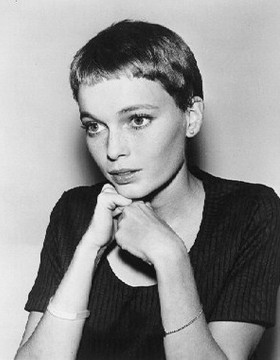
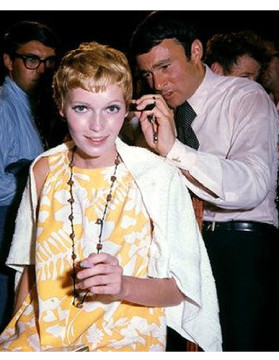
Sao Paulo, com a vinda de um convidado especial confirmada: Mark Hayes (FOTO), diretor Internacional de criação da Sassoon Academy. Fundada por Vidal Sassoon, ele ficou célebre por deixar o cabelo de Mary Quant geométrico, além de assinar o look curtíssimo Mia Farrow para o “Bebê de Rosemary”.

SUPER SHORT MIA FARROW

Mia Farrow

Por email, ele fala ao site EP do o que deve ser tendência de cortes de cabelo e cores, os looks mais pedidos e o que as brasileiras mais escolhem na hora de mudar o visual. Confira a seguir. 31.07.2009

MIA FARROW

Mia Farrow by Vidal Sassoon

MARY QUANT & VIDAL SASSOON 

Mary Quant by Vidal Sassoon

Sobre Vidal Sassoon
Hoje com 81 anos, Vidal Sassoon possui uma trajetória profissional de grande relevância para o mundo da coiffure. Sua carreira começou com a abertura de seu primeiro salão, montado em uma sala pequena no terceiro piso de um prédio na Bond Street, Londres. Lá ele pode experimentar novos estilos e técnicas de corte. Em 1963, apresentou ao público sua primeira grande criação: o corte bob (curto e angular, cortado em um plano horizontal). Mais tarde ficou famoso também pelo Five-Point Cut. Alguns anos depois, Sassoon emprestou seu nome a uma rede de salões que leva seu próprio nome e hoje é referência em cortes geométricos, sua marca profissional. Considerado o Picasso dos cabelos, Vidal participou de eventos importantes: foi o cabeleireiro oficial dos Jogos Olímpicos de Los Angeles, em 1984, e recebeu cinco mil dólares para realizar o corte de Mia Farrow no filme “O bebê de Rosemary”.

SITE EP – As mulheres estão mais audaciosas com corte de cabelo?
MARK HAYES –
Sim, mulheres tendem a ter uma visão mais criativa da aparência, apesar de o mercado masculino de beleza aumentar num ritmo incrível.

SITE EP – Qual será a próxima tendência para o cabelo feminino?
MARK –
São os estilos despretensiosos com muitas camadas sutis. O comprimento não será tão relevante, pois ele é determinado pelo bem-estar de cada um.

SITE EP – E as cores?
MARK –
Luzes suaves adicionadas nas camadas inferiores do cabelo adicionam textura e movimento e, em parte, brilho extra ao cabelo.

SITE EP – Há um corte de cabelo mais requisitado na Academia Sassoon?
MARK –
Os clientes da Academia Sassoon são muito receptivos e gostam de evoluir constantemente com seus looks. A maioria dos cortes são curtos e geométricos com flashes brilhantes de cor.

SITE EP – Muitos clientes pedem pelo corte de cabelo da Mary Quant, criada por Vidal Sasson, por exemplo?
MARK –
O corte de cinco pontas que o Vidal cortou para Mary Quant é um grande exemplo do design do século 20. Ele já foi adaptado inúmeras vezes e evoluiu bastante.

SITE EP – O que você acha do cabelo da mulher brasileira?
MARK –
Eu trabalhei com vários clientes brasileiros que são modernos e gostam de estilos glamourosos com cor.

SITE EP – Quais são as principais lições que se aprende na Academia de cabeleireiros Sassoon?
MARK –
Nosso sistema educacional parece uma pirâmide. Ele começa com o método básico de corte e coloração, os fundamentos principais para se trabalhar com cabelo. Depois são incorporadas técnicas contemporâneas de corte e coloração. Finalmente no pico da pirâmide culmina a coleção criativa baseada em trabalhos que redefinem as barreiras da criatividade.Vidal Sassoon Academy.( SASSOON Academy)

LUCIANE ANGELO

http://www.erikapalomino.com.br/erika2006/fashion.php?m=9386#titulo

 Sassoon Academy apresenta show exclusivo na Beauty Fair 2009

A 5º edição da Beauty Fair traz, pela primeira vez ao Brasil, a equipe de hairstylists comandada por Mark Hayes, Diretor Internacional de Criação da SASSOON ACADEMY. A Equipe apresentará um show exclusivo e ministrará um workshop para 120 profissionais.

Fundada em Londres pelo consagrado cabeleireiro Vidal Sassoon, a SASSOON ACADEMY é considerada um dos principais centros de formação de profissionais cabeleireiros do mundo.

Na Beauty Fair, a equipe de Mark Hayes lançará sua nova coleção para a primavera-verão 2009/2010 chamada Le Baiser. O trabalho é uma mistura da elegância da alta costura de Christian Dior e da sensualidade da atriz Hollywoodiana Bettie Page.

A equipe da Sassoon Academy é formada por:

Gareth Vance
Diretor Sênior de Criação
Gareth já participou de apresentações com estilistas consagrados. Sua inspiração vem dos colegas de trabalho, do mundo da moda, da cultura e música jovem e de suas viagens ao exterior como membro da equipe Internacional de Criação.

Traci Sakosits
Diretora Regional de Criação
Desde pequena Traci já sabia o que faria para o resto da vida – cortar cabelos e nada mais. Com ascensão meteórica dentro da SASSOON, Traci já apresentou seus trabalhos em várias cidades do mundo.

Leona Curran
Gerente-Geral
Começou na SASSOON como aprendiz júnior em Manchester, na Inglaterra, com apenas 16 anos e hoje é uma das maiores estrelas da equipe. Leona faz apresentações, seminários e workshops no mundo todo.

http://www.beautyfair.com.br/modules.php?op=modload&name=News&file=article&sid=834


SHORT HAIR STYLES FOR 2009

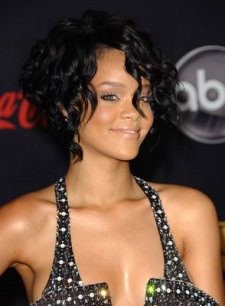
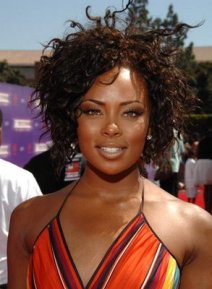
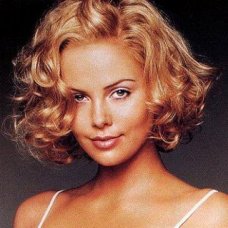
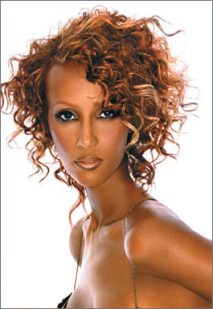
Curly hairstyle, can be a blessing, but if it is not cut well, you can get a wild look to avoid this, you should always remember:

If curls are unruly, apply hair spray to palms and smooth over hair’s surface.

If hair is long or very curly, you can ‘straighten it’ with a large round or paddle brush, some straightening balm and a blower.

Most important of all a Curly hair should always be layered.

A  few options for short hair cuts, for someone that has curly hair. These are some very stylish looks for 2009.I love all these options.Not only for 2009 but for as much you decide to wear.It’s about feeling good and looking good.That’s a personal choice.

4359_6349_Rihanna-06-4xbet-eva-pigford


kneesha

meg-ryan-short-curly2


halle-berry

short-curly-hairstyles-2008


short-curly-hairstyles1Short Haircut Styles for Short  Wavy Hair in 2009


NIKOS MOUYIARIS

golden_eyes_makeup

Nikos Mouyaris has been a very active leader in the Greek American community and yet a very private person, avoiding the limelight. This year, however, he made headlines not once, but twice. First he stunned Washington last May, when during the annual PSEKA conference, he proposed the creation of a central organization that would promote Greek-American causes and he coupled his idea with a pledge of two million dollars of his own money in order to streamline its materialization.

The second time was this past October, when he was honored with the “Justice for Cyprus Award”, the highest honor of the Cyprus Federation of America, during a testimonial dinner in which Members of US Congress Ireana Ros Lehtinen and Robert E. Andrews were also recognized “having demonstrated steadfast dedication and unparalleled commitment to the Cyprus cause,” in the words of Peter Papanikolaou, president of the Cyprus Federation of America.

Receiving the award, Mouyaris took the opportunity to remind everyone of “our responsibility to protect our heritage and the territorial integrity of Greece and Cyprus.” He also invited all the Hellenes in America to unite, despite their political or ideological differences and to help collect the necessary ten million dollars in order to start the organization-umbrella that he proposed to coordinate the community effort. “We have already 2.5 million,” he said. “Our cause is just.”


The “Justice for Cyprus Award” is presented to those who have been exemplary leaders and outspoken advocates of the just and noble cause for the liberation of Cyprus from the Turkish occupation forces and the restoration of the human rights of the Cypriot people. The trophy, which is the work of world renowned Greek-Cypriot sculptor Nikolaos Kotziamanis, depicts a winged “Nike” or “Victory” holding two wreaths to crown the victors.

“Through his involvement in PSEKA and the Coordinated Efforts of Hellenes, he (Nikos Mouyaris) has been at the forefront of efforts to inform the wider American public of the need to end the Turkish occupation of Cyprus,” declared President Tassos Papadopoulos in his message for the occasion.

Nikos Mouyaris was born in Athienou, Cyprus. After graduating from high school, he went to England, before he got a student visa to come to the US. He received his Bachelor of Science in Chemistry from St. John’s University and a Master of Science form Rutgers University. He then started a cosmetic manufacturing company in New York City with $6,000 that he borrowed from his brother, Apostolos.

Today Mana Products is a very successful enterprise that employs over 600 people. In addition to this company, he has interests in real estate, as well as other businesses. He is married to Carol and they have two adult children, Alexis and Ariana.

WWW.MANAPRODUCTS.COM

DRENAGEM LINFATICA

A massagem de drenagem linfática manual é um método de massagem altamente especializado, realizado com pressões suaves, lentas, intermitentes e relaxantes, que seguem o trajeto do sistema linfático (Awada, 2003), mobilizando a linfa até os gânglios linfáticos. (Garcia, 2004). Ela drena o líquido acumulado em determinadas regiões, melhorando a circulação e a oxigenação desse tecido, seja abdome, coxa, glúteos, etc. (Bassalobre, 2004).
A drenagem linfática pelo método Dr. Vodder utiliza pressões graduadas e constantemente alteradas, imitando as contrações próprias da musculatura lisa  dos vasos linfáticos e acompanhando o ritmo dos mesmos; objetivando diretamente o aumento do volume de linfa admitido pelos capilares linfáticos e o aumento da velocidade de seu transporte através dos vasos e ductos linfáticos.
A linfa desempenha um importante papel no transporte de algumas substâncias, ajuda a eliminar o excesso de líquido e produtos que deixaram a corrente sangüínea, tendo ação imunológica, isto é, a linfa é enriquecida por anticorpos, funcionando como uma verdadeira “lixeira” do organismo. Quando o sistema circulatório e/ou linfático não cumpre corretamente suas funções, o corpo fica sobrecarregado por excesso de líquido que não consegue absorver. Na maioria dos casos, esse fenômeno se traduz por sintomas como celulite, retenção de líquidos, peso nas pernas e aparecimento de edema (inchaço), mais conhecido como linfedema. (Bassalobre, 2004).
O surgimento de edema está ligado à circulação linfática, seja diretamente em conseqüência do aumento do aporte líquido ou, indiretamente, em conseqüência de uma patologia linfática específica.

Em pessoas sedentárias ou com uma alimentação muito tóxica, a linfa é mais espessa e o fluxo se torna mais lento, levando a formação de edemas, celulites e até uma baixa imunológica geral.

As manobras de drenagem linfática exercem influência sobre algumas estruturas e funções biológicas, direta e indiretamente, tais como estimula a contração da musculatura lisa dos vasos linfáticos, aumenta a velocidade de transporte da linfa, aumenta a capacidade de processamento da linfa no interior dos gânglios linfáticos, melhora as condições de absorção intestinal, melhora a atuação do sistema nervoso vegetativo, aumenta a captação de oxigênio pelos tecidos, fornece a nutrição celular pelo maior aporte sangüíneo, fornece a eliminação dos produtos finais resultantes do metabolismo tecidual, aumenta a absorção dos nutrientes e princípios ativos através do trato digestivo, aumenta a quantidade de líquidos a serem eliminados.(Winter, 1973).

Em conseqüência de todos estes fenômenos temos o aumento do grau de hidratação e nutrição da célula, aumento da velocidade de cicatrização de ferimentos pelo aumento da vascularização arterial e venosa, aumento da capacidade de absorção de hematomas e equimoses, melhora do retorno de sensibilidade em cirurgias plásticas, diminuição de retenção de líquido nos tecidos prevenindo a formação de celulites, produz relaxamento. (Bassalobre, 2004).

A drenagem linfática manual é indicada em linfedema primário e secundário, celulite, linfedema de braço posterior a mastectomia, edema pós-operatório e pós- traumáticos, problemas circulatórios, pós-cirurgia plástica, pós-lipoaspiração, sinusite, rinite e otite, enxertos, varizes e pernas cansadas, edemas da gravidez e síndrome pré-menstrual, enxaquecas, artrose, artrite e gota, tendinite;tratamento de acne e rosácea, envelhecimento cutâneo.(Winter, 1973; Guirro, 2000)

As contra-indicações são trombose venosa profunda, tromboflebites, erisipela,infecção aguda, neoplasias malignas e diagnosticadas em atividade, insuficiência cardíaca congestiva (descompensada), história de hipertensão arterial e sintomas vagotômicos, asma brônquica de evolução grave e crises freqüentes, arteriosclerose em processo avançado, hipertireoidismo.(Winter, 1973; Guirro, 2000).


Vidal Sassoon11wtcvidal1

 The world’s most famous hairdresser, lends his scissors to storm-recovery effort.

Vidal Sassoon, the world’s most famous hairdresser, was in Lacombe on a bright, cool Sunday afternoon last month. He had come to celebrate the success of “Hairdressers Unlocking Hope,” an international fund-raising effort by beauty professionals that has generated more than $1.7 million for the East St. Tammany Habitat for Humanity.

6


Strolling around East Chestnut Street, he posed for pictures, helped screw in the railing on a new Habitat house and chatted with dozens of hairstylists laying sod and spreading mulch around the tidy cottages they helped construct.

 whatsnew-hairdressersunlockinghope

 Looking remarkably fit, (he swims four times a week) and naturally gray- haired at 79 years old, (he turns 80 in January), Sassoon borrowed a black marker and added his autograph to a piece of white poster paper listing contributors to the project. There are big fans of the Sassoon line of hair products. Vidal  Sassoon the name that’s graced a million shampoo bottles.

nova-linha-sassoon

  “If you don’t look good, we don’t look good” Vidal Sassoon.

http://www.behindthechairexchange.com/unlockinghope/site.asp?company

Como especialistas em Louros sabemos que as técnicas como as madeixas, descolorações e processos de aclaramento podem destabilizar, debilitar e danificar a queratina do cabelo – mais do que em qualquer processo de coloração. Schwarzkopf apresenta uma resposta de choque… O NOVO Blond Me Keratin Milk – Leite de Tratamento Reparador com Queratina que devolve o que os Louros perderam!


SCHWARZKOPF PROFESSIONAL APRESENTA O NOVO MILAGRE PARA LOUROS

 BLONDME KERATIN RESTORE MILK

 Blond Me Keratin Milk – Leite de Tratamento Reparador com Queratina foi especificamente desenvolvido para penetrar profundamente no interior do fio capilar graças a uma combinação específica de queratina que se funde com o próprio cabelo, para assim reforçar os delicados Louros preenchendo as zonas debilitadas.

 Blond Me Keratin Milk – Leite de Tratamento Reparador com Queratina é uma gama composta por dois produtos:

   Tratamento para uso profissional 500ml

Fórmula intensiva com uma elevada percentagem de ingredientes tratantes e efectiva Queratina para uma reparação e cuidado profundos. Indicado para cabelo com madeixas ou descolorado, quando a queratina se encontra mais danificada.

        –  Tratamento leave-in para reparação imediata 100ml

Fórmula que não passa por água indicada para todos os tipos de Louros para cuidar da queratina após os trabalhos técnicos. Cuidado profundo para cabelo com madeixas ou descolorado, quando a queratina se encontra mais danificada.

O resultado:

Um Louro saudável, revitalizado e incomparavelmente brilhante!

BlondMe é é a primeira e única marca desenvolvida para dar resposta a TODAS as necessidades dos cabelos louros e que respeita integralmente que o Louro é muito MAIS que uma cor de cabelo…é  uma atitude e um estilo de vida próprio que evoca o glamour, a juventude e a diversão como nenhuma outra cor é capaz.

A personalização BlondMe parte da direcção dos tons louros que a cliente pretende conseguir – neutro, quente ou frio. Com BlondMe são possíveis mais de 40 opções de tons louros, que permitem cores verdadeiramente adaptadas ao gosto e que utilizam a mais recente tecnologia Prism Shine com cristais de rocha líquidos para garantir um brilho fantástico e luminoso.

  Procura uma mudança ocasional de cor ou pretende uma alteração radical de look?

Porque 81% das louras desejam actualizar o seu look a cada visita ao salão e as necessidades dos cabelos louros estão em constante mudança, BlondMe, da Schwarzkopf Professional criou os BLONDE Moments4 Serviços Completos – Louro Total, SOS Louro, Louro Solar ou Louro Glamour para looks louros gloriosos a cada momento!

BLONDE Moments é uma abordagem única aos serviços especiais para Louros baseada nas necessidades específicas dos cabelos Louros. São 4 pacotes completos com materiais de comunicação inovadores e guias passo a passo das novas técnicas para ajudar a recomendar os melhores looks e produtos BlondMe: