Ari Soffer, the Man, the Myth, the Stud(ded)
January 28, 2008

Ari Soffer is one of the hottest designers to hit the LA scene; do you know his work?

The Soffer Ari line of clothing and accessories is made entirely by hand in Los Angeles. Our leather
comes from Europe and the U.S. and is always the finest available. All buttons and hardware used
for clothes and accessories are solid .925 sterling silver or solid gold. Diamonds, rubies, emeralds
sapphires and other precious stones set into the buttons and jewelry are hand chosen and are all
genuine gems also of the highest quality. We use top of the line zippers from Riri Switzerland and
YKK U.S.A. All items in the Soffer Ari line are available in select stores or by appointment at our
showroom. All items are custom made to order with a full range of options.

Soffer Ari clothing and accessories are treasured by various clients here and abroad. Our leather’s
toughness, irreverence and take-no-shit style appeals to chicks, rockers and celebs from deep
within Los Angeles and all over – people who demand perfection, and want to feel what it’s like to
have blood in their veins. Colin Farrell, Djimon Hounsou, Robbie Williams, Arnold Schwarzenegger,
Tommy Lee and Steven Tyler are among an exclusive circle of patrons. If you have any questions or
to set up an appointment please phone 310.849.9272.

All items in the Soffer Ari line are U.S.A. made and are guaranteed for life.(Source)

Soffer has always made everything on his own, whether it be hand studding a cat collar for his feisty feline, Benson, or completely customizing his 1996 Rigid Frame Chopper with a Harley Davidson Engine, or even studding diamonds onto leather couch pillows. Ari strongly believes “things you really love should be exactly the way you want them, or are not worth having at all. While things are just things, if there is a piece of you in it, it’s timeless.” 

Working from his studio in Beverly Hills, his apartment is connected to his workspace. He believes that the proximity allows him to immerse himself in his work, which can be seen in the fine tooling.

Combining his passionate and refreshingly idealistic views with his education from The Art Center in Pasadena as well as his extensive experience with leather and fur in the fashion industry, Ari Soffer has successfully created a name for himself. Yet, despite being sought out by the likes of Tommy lee, Arnold Schwarzenegger, Djimon Hounsou, Jeremy Piven, Avril Lavigne, and Ne-yo, and showcased in the city’s hottest boutiques, for Soffer, it’s still all about making stuff he’s proud of. 
http://www.saleather.com/

Dionne Warwick has, over an illustrious four-decade career, established herself as an international musical legend. Her reputation as a hit maker has been firmly etched into public consciousness, thanks to nearly sixty charted hits since “Don’t Make Me Over” began its climb up the charts in December 1962. As a performer, she has charmed and entertained audiences on every continent, amassing a worldwide audience. There are a few important “firsts” that make Dionne Warwick a true pioneer.

Dionne Warwick received her first Grammy Award in 1968 (for the classic “Do You Know The Way to San Jose?”), and in so doing became the first African-American solo female artist of her generation to win the prestigious award for Best Contemporary Female Vocal Performance. This award has only been awarded to one other female African-American legend, Ella Fitzgerald.

Other African-American female recording artists certainly racked up their share of crossover pop and R&B hits during the 1960’s. However, Dionne Warwick preceded the mainstream success of some of her musical peers by becoming the first such artist to rack up a dozen consecutive Top 100 hit singles from 1963 to 1966.

Dionne Warwick’s performance at the Olympia Theater in Paris, during a 1963 concert starring the legendary Marlene Dietrich, rocketed her to international stardom. As she was establishing herself as a major force in American contemporary music, she steadily gained in popularity among European audiences. Hits like “Anyone Who Had A Heart” and “Walk On By” brought successively larger visibility and success around the world. In 1968 she became the first African-American female performer to appear before the Queen of England at a Royal Command Performance. Since then, Dionne has performed before numerous kings, queens, presidents, and heads of state.

Her recordings of songs like “A House Is Not A home,” “Alfie,” “(Theme From) The Valley Of The Dolls,” and “The April Fools” made Dionne Warwick a pioneer as one of the first female artists to popularize classic movie themes. In 1968 Dionne made her own film debut in the movie “Slaves”. This marked the first time, since Lena Horne, that a contemporary African-American female recording artist achieved such a goal.

In recent years, Dionne’s pioneering efforts have focused on leading the music industry in the fight against AIDS. Her Grammy-winning, chart topping, single “That’s What Friends Are For,” lead the way by raising, literally, millions of dollars for AIDS research. Throughout the world, Dionne has devoted countless hours to a wide range of humanitarian causes, serving as the U.S. Ambassador for Health throughout the Eighties. On October 16, 2002 she was named a global Ambassador for the United Nations’ Food and Agriculture Organization (FAO), based in Rome, Italy. Dionne has spearheaded the long overdue development and production of a history book that will detail African and African-American history for use in schools, libraries, and bookstores throughout the world. She continues her work as a socially conscious and concerned global citizen.

With a legacy of accomplishments and achievements, Dionne Warwick is proudly celebrating her 40th year in the recording industry. She is planning a new 2003 release CD composed of duets with her peers entitled My Friends And Me. Dionne says, “This is one of the most exciting recording projects for me and I am looking forward to getting it out as soon as possible for everyone to enjoy.” This new album can trace its roots to the very earliest years of her amazing musical career.

Dionne began singing during her childhood years in East Orange, New Jersey, initially in church. Occasionally she sang as a soloist and fill-in voice for the renowned Drinkard Singers, a group comprised of her mother Lee along with her aunts and uncles. During her teens, Dionne and sister Dee Dee started their own gospel group, The Gospelaires. It was while visiting the Drinkard Singers at the famed Apollo Theater in Harlem that Dionne was asked to sing backup during a session for saxophonist Sam “The Man” Taylor. In February 1998, The Apollo Theater paid tribute to Dionne in a special event highlighting her constant support for the venue and her work as a music trailblazer.

While attending The Hartt College Of Music in Hartford, Connecticut, Dionne began making trips to do regular session work in New York. She sang behind many of the biggest starts of the 1960’s including Dinah Washington, Brook Benton, Chuck Jackson, and Solomon Burke to name a few. Once Burt Bacharach, composer, arranger, and producer heard her singing during a session for The Drifters, he asked her to sing on demos of songs he was writing with new partner Hal David. In 1962, Bacharach & David presented one such demo to Scepter Records. The label President, Florence Greenberg, did not want the song; she did, however, want the voice and Dionne began a hit-filled, twelve-year, association with the New York label.

In all, Dionne, Burt, and Hal racked up thirty hit singles, and close to twenty best-selling albums, during their first decade together. Songs like “Do You Know The Way To San Jose,” “Message To Michael,” “This Girl’s In Love With You,” “I’ll Never Fall In Love Again,” and “Reach Out For Me,” established Dionne Warwick as a consummate artist and performer. Known as the artist who “bridged the gap,” Dionne’s soulful blend of pop, gospel and R&B music transcended race, culture, and musical boundaries.

In 1970, Dionne received her second Grammy Award for the best-selling album I’ll Never Fall In Love Again and she began her second decade of hits by signing with Warner Brothers Records. Dionne recorded half-a-dozen albums, working with top producers like Thom Bell, Holland-Dozier-Holland, Jerry Ragavoy, Steve Barri, and Michael Omartian. In 1974 she hit the top of the charts for the first time with “Then Came You,” a million-selling duet with The Spinners. Three years later, she teamed up with Isaac Hayes for a highly successful World Tour, “A Man And A Woman.”

In 1976, fresh from earning a Master’s Degree in Music from her alma mater (The Hartt College of Music), Dionne signed with Arista Records, beginning a third decade of hit-making. Label-mate Barry Manilow produced her first Platinum-selling album, Dionne. The album included these back-to-back hits; “I’ll Never Love This Way Again,” and “Déjà Vu.” Both recordings earned Grammy Awards, making Dionne the first female artist to win the Best Female Pop, and Best Female R&B Performance, Award. Hot on the heels of her phenomenal success, Dionne began her first stint as host for the highly successful television show “Solid Gold.”

Further milestones marked Dionne’s tenure with Arista. Her 1982 album, Heartbreaker, co-produced by Barry Gibb and The Bee Gees, became an international chart-topper. In 1985, Dionne reunited with producer Burt Bacharach, and longtime friends Gladys Knight, Stevie Wonder, and Elton John to record the classic “That’s What Friends Are For.” Profits from the sale of that song were donated to the American Foundation for AIDS Research (AmFAR). In 1990 she joined forces with a number of Arista label-mates to raise over $2.5 Million for various AIDS organizations during the star-studded “That’s What Friends Are For” Benefit at New York’s Radio City Music Hall.

Dionne’s album Friends achieved Gold status. Throughout the Eighties she collaborated with many of her musical peers, including Johnny Mathis, Smokey Robinson, Luther Vandross and others. Dionne worked with Stevie Wonder as music coordinator for the film and Academy Award winning soundtrack album The Woman In Red. She was one of the key participants in the all-star charity single “We Are The World” and, in 1984 she performed at “Live Aid”.

In addition to co-hosting and helping to launch “The Soul Train Music Awards”, she also starred in her own show, “Dionne And Friends.” She was co-executive producer of “Celebrate The Soul Of American Music” which honored and recognized many of her fellow musical pioneers. Throughout the 1980’s and 1990’s, Dionne toured extensively with Burt Bacharach. The show won rave reviews from fans and press alike for reinforcing the timeless musical legacy of the Bacharach, David and Warwick team. Her recent musical achievements have included performances as part of the “National Symphony With The Divas,” and, in Tokyo, performances with The National Opera Company of Japan; yes, Dionne even signs classical music.

Dionne’s recent activities have included the creation of Carr/Todd/Warwick Production, Inc. The goal of the organization is to produce television and film projects. For the past fifteen years she has worked tirelessly as the co-founder of the Dionne Warwick Design Group, Inc. With partner Bruce Garrick, Dionne has been responsible for designing numerous international projects ranging from private estates to world-class hotels which, she notes, are “all affordable!” In 2002 Dionne was featured on a Home & Garden Network show highlighting the Palm Desert home designed by her and her partner Bruce.

Dionne now divides her time equally between Brazil and the United States, and has made the design of her Brazilian home a special project. In 1994, Dionne’s final album for Arista was the critically acclaimed Aquarela Do Brasil (Watercolor of Brazil) that showcased her long-term love affair with the people and music of Brazil.

Dionne’s status as a musical icon and humanitarian is legendary. With her own star on the Hollywood Walk of Fame, she continues to work tirelessly with various organizations dedicated to empowering and inspiring others. In 1997 she was awarded the “Luminary Award” by the American Society of Young Musicians. That same year she joined General Colin Powell in celebrating the tenth anniversary of the “Best Friends” Program, an abstinence and character-building program for young women. Dionne’s East Orange New Jersey Elementary School, Lincoln Elementary, honored her by renaming it “The Dionne Warwick Institute of Economics and Entrepreneurship.” Displaying her own business skills, Dionne plans to reactivate her skin care regimen and fragrance in 2003.

In early 1998, the National Association of Record Merchandisers (NARM) gave Dionne the Chairman’s Award for Sustained Creative Achievement. In November 2001, the History Makers Organization of Chicago named her “History Maker”. 2002 was a special year for Dionne; she was honored by the American Red Ribbon AIDS Foundation; in October she was named FAO Ambassador of the United Nations; in December she was honored by The Recording Academy with the 2002 New York Chapter’s Heroes Award and she appeared (for the fourth time) on the Vatican’s Christmas Concert. In 2003, she received a lifetime achievement award from the R&B Foundation, and she was selected as one of the 2003 Top Faces of Black History.

As she looks forward to another decade of great music, Dionne Warwick says that she still has some important personal goals; “As I’ve said over the years, I still want the Tony, Oscar, and Emmy!” Nothing seems impossible to Dionne, a woman who has inspired and empowered millions through her music, her performances, and her work as a humanitarian. In a recent interview she reflected on the words imparted to her by her grandfather; “If you think it, you can do it!” With a life filled with accomplishment and achievement, Dionne Warwick can proudly say that she has always believed in, and lived by, those words of wisdom.

In 2003, Dionne wrote her first book. “My Point of View” is a collection of Dionne’s own “pearls of wisdom” that she has gathered through the years. She provides her own thoughts and wisdom on various subjects, all highlighted by personal and rare photographs of her journey.

http://www.dionnewarwick.info/

http://motley.com/index.php

Mötley Crüe Los Angeles, California in 1981.

The band was founded by bass guitarist Nikki Sixx (who was, at the time, in a band called London) and drummer Tommy Lee, who were later joined by guitarist Mick Mars and singer Vince Neil. Mötley Crüe has sold over 80 million album copies worldwide

The band has often been noted for their hard-living lifestyles; all members have had numerous brushes with the law, spent time in jail, suffered long addictions to alcohol and drugs, had countless escapades with women, and are heavily tattooed. Their ninth studio album entitled Saints of Los Angeles was released on June 24, 2008, while a film adaptation of their best-selling band autobiography The Dirt, is due to be released sometime in 2009.

Formation and early years: 1981-1983

Mötley Crüe was formed on January 17, 1981 when bassist Nikki Sixx left the band London and began rehearsing with Tommy Lee and vocalist/guitarist Greg Leon[3]. Lee had worked previously with Leon in a band called Suite 19 and the trio practiced together for some time with Leon eventually deciding not to continue. The bassist and drummer then began a search for new members. Sixx and Lee soon met guitarist Robert “Mick Mars” Deal. Mars was quickly auditioned and subsequently hired by Sixx and Lee. Mars had been playing for a band, White Horse, when one of the members called the group “a motley looking crew.” He had remembered the phrase and later copied it down as Mottley Kru. Modifying the spelling slightly, ‘Mötley Crüe’ was eventually selected with the inspiration to add the two sets of umlauts supposedly coming from the German beer the members were drinking at the time. The group was still in need of a singer. Lee had known Neil from their high school days at Royal Oak H.S. in Covina and the two had performed in different bands on the garage-band circuit. On seeing him perform with the band Rockandi (pronounced Rock-Candy) at the Starwood in Hollywood, Mars suggested Mötley Crüe hire Vince. At first he refused. However, as the other members of Rockandi became involved in outside projects, Neil grew anxious to try something else. When Lee made one final appeal to audition he accepted.

They soon met their first manager, Allan Coffman. The band’s first release was the single “Stick to Your Guns/Toast of the Town,” which was released on their own label, Leathür Records, which had a pressing & distribution deal with Greenworld Distribution in Torrance. In November 1981, their debut album Too Fast for Love was self-produced and released on Leathür, selling 20,000 copies. Coffman’s assistant Eric Greif set up a tour of Canada, while they used the band’s success in the Los Angeles club scene to negotiate with several record labels, eventually signing a recording contract with Elektra Records in late spring 1982. At Elektra’s insistence, the debut album was then re-mixed by producer Roy Thomas Baker and re-released on August 20, 1982, two months after its Canadian WEA release using the original Leathür mixes, to coincide with the tour.

During the “Crüesing Through Canada Tour ’82,” there were several widely-publicized incidents. First, the band was arrested and then released at Edmonton International Airport for wearing their spiked stage wardrobe through Customs and for Vince’s small carry-on filled with porn magazines (both PR stunts) – considered ‘dangerous weapons‘ and ‘indecent material’, Customs eventually had the confiscated items destroyed. Second, a spurious ‘bomb threat‘ against the band, playing Scandals Disco in Edmonton, made the front page of the Edmonton Journal[5](June 9, 1982) where assistant band manager Greif and Lee were interviewed. This ended up being a PR stunt perpetrated by Greif. Lastly, Lee threw a television set from the upper story window of the Sheraton Caravan Hotel. Canadian rock magazine Music Express noted that the band were “banned for life” from the city. Despite the tour ending prematurely in financial disaster, it was the basis for the band’s first international press.

In 1983, the band changed management from Coffman to Doug Thaler and Doc McGhee. McGhee is best known for managing Bon Jovi & Kiss, starting with their reunion tour in 1996. Greif subsequently sued all parties in a Los Angeles Superior Court action that dragged on for several years, and coincidentally later re-surfaced as manager of Nikki’s former band, London. Coffman himself was sued by a couple of investors for whom he had sold ‘stock in the band’, including Michigan-based Bill Larson. Coffman eventually declared bankruptcy, as he had mortgaged his home at least three times to cover band expenses.

 At height of fame: 1984–1991

After playing the US Festival, and with the aid of the new medium of MTV, the band found rapid success in the United States. They were also known as much for their backstage groupie antics, outrageous clothing, extreme high-heeled boots, heavy make-up, and seemingly endless abuse of alcohol and drugs as for their recordings. Their mixture of heavy metal and glam rock stylings produced several best-selling albums during the 1980s, including Shout at the Devil (September 26, 1983), Theatre of Pain (June 21, 1985), and Girls, Girls, Girls (May 15, 1987), which showcased their love of motorcycles, whiskey and strip clubs, as well as telling tales of substance abuse, sexual escapades, and general decadence.

The band has also had their share of scrapes with the law and life. In 1984, Neil wrecked his car on his way back from the liquor store. He was in a head-on collision, and his passenger, Hanoi Rocks drummer Nicholas “Razzle” Dingley, was killed. Neil, charged with a DUI and vehicular manslaughter, was sentenced to 30 days in jail (though he only spent 18 days). The band would later release box sets entitled “Music to Crash Your Car To“.

In 1987, Sixx suffered a near-fatal heroin overdose. He was declared legally dead on the way to the hospital, but one medic refused to give up and gave Sixx two shots of adrenaline to the heart, bringing him back to life. His few minutes in death were the inspiration for the band’s song “Kickstart My Heart,” which peaked at #16 on the Mainstream U.S. chart, and was featured on their album Dr. Feelgood. Their decadent lifestyles almost shattered the band, until managers Thaler and McGhee pulled an intervention, and refused to allow the band to tour in Europe, fearing that “some [of them] would come back in bodybags“. Shortly after, all the band members except for Mars underwent rehabilitation; Mars cleaned up on his own.

After finding sobriety in 1989, Mötley Crüe reached its peak popularity with the release of their fifth album, the Bob Rock produced Dr. Feelgood, on September 1, 1989. On October 14 of that year, it became their only No. 1 album and stayed on the charts for 109 weeks after its release. The band members each stated in interviews that, due in no small part to their collective push for sobriety, Dr. Feelgood was their most solid album musically to that point, and indeed, one of their best albums to date.

In 1989, McGhee was fired after breaking several promises that he made to the band in relation to the Moscow Music Peace Festival including giving his other band, Bon Jovi, advantages with slot placement. Doug Thaler then soldiered on as sole band manager.

On October 14, 1991 the band’s 6th album Decade of Decadence, a compilation, was released. It peaked at #2 on the Billboard charts. It was supposed to be just something for the fans while they worked on the next “all new” album.

 Years of Turmoil: 1992–2003

After Decade was released, Neil left the band in February 1992. A controversy exists to this day over whether Neil was fired or quit. Sixx has long maintained that Neil quit the band. However, Neil disputes this and insists that he was fired. Neil was replaced by John Corabi (formerly of Angora and The Scream). Mötley Crüe’s commercial success waned throughout the 1990s, although their self-titled March 1994 release made the Billboard top ten (#7). Thaler would manage the band alone until 1994, after the band did a mass-firing when their album, Mötley Crüe, failed to meet commercial expectations.

The band reunited in 1997, after their current manager, Allen Kovac, and Neil’s manager, Bert Stein, set up a meeting between Neil, Lee, and Sixx. Agreeing to “leave their egos at the door,” the band released Generation Swine. Although it debuted at #4, and despite the band performing at the American Music Awards, the album was a commercial failure, due in part to their label Elektra Records’ lack of support.[ citation needed ] The band soon left Elektra and created their own label, Mötley Records.

In 1998, Mötley Crüe’s contractual ties with Elektra Records had expired putting the band in total control of their future. This included the ownership of the masters of all their albums. In announcing the end of their relationship with Elektra Records, the band became one of the few groups in history to own and control their publishing and catalogue of recorded masters. In 1999, the band re-released all their albums, dubbed as Crücial Crüe. The limited-edition digital re-masters included demos and previously unreleased tracks.

In 1999, Lee put his role in the band on hold to pursue a solo career due to increasing bad tension with frontman Neil. He was replaced by Randy Castillo, who drummed on several Ozzy Osbourne albums. Randy died of cancer on March 26, 2002. No replacement had been named which sent the band into a hiatus following a 2000 tour in support of their studio release, New Tattoo. New Tattoo charted at #41 and sold less than 200,000 copies. Former Hole Drummer Samantha Maloney filled in on the tour to promote New Tattoo. The Salt Lake City performance of the tour is featured on the the DVD Lewd, Crüed & Tattooed..

Within the following six years, Sixx played in the bands 58 and Brides of Destruction, while Lee formed Methods of Mayhem and performed as a solo artist. Neil continued touring on an annual basis as a solo artist, singing mostly Mötley Crüe songs. Mars, who suffers from a rare degenerative form of arthritis called ankylosing spondylitis, went into seclusion in 2001.

A 2001 autobiography entitled The Dirt carefully packaged the band as “the world’s most notorious rock band”. The book made the top ten on the New York Times best-seller list and spent ten weeks there.

 Reunion and new album: 2004–present

A promoter in England, Mags Revell, started the ball rolling for Mötley Crüe’s reunion when he started a promotion that basically revealed how fans wanted the band to reunite. After meeting with management several times, in September 2004, Sixx announced that he and Neil had returned to the studio and had begun recording new material. In December 2004, the four original members announced a reunion tour which began February 14, 2005, in San Juan, Puerto Rico. The band’s latest compilation album, Red, White & Crüe, was released in February 2005. It features the band members’ favorite original songs plus three new tracks, “If I Die Tomorrow“, “Sick Love Song”, co-written by Sixx and James Michael as well as a cover of The Rolling Stones’ classic “Street Fighting Man”. A small controversy was caused when it was suggested that neither Tommy nor Mick played on the new tracks (duties were supposedly handled by Vandals drummer Josh Freese and ex-Beautiful Creatures guitarist DJ Ashba). However, a VH1 documentary of the band reuniting would later show that Lee did indeed play on some of the tracks. The Japanese release of Red, White & Crüe, includes an extra new track titled “I’m a Liar (and That’s the Truth)”. Red, White & Crüe charted at #6 and has since gone platinum.

 2005

In 2005, Mötley Crüe were involved in an animation-comedy spoof Disaster!, written by Paul Benson and Matt Sullivan and was used as the introduction film to concerts on their Carnival of Sins tour.

2006

In 2006, Mötley Crüe went on the Route of All Evil Tour co-headlining with Aerosmith. This was another well attended tour following the “Carnival of Sins” tour of 2005. In June 2007, Mötley Crüe set out on a small European tour. A lawsuit was recently filed by Neil, Mars and Sixx against Carl Stubner, Lee’s manager. The three sued him for contracting for Lee to appear on two unsuccessful reality shows the band claim hurt its image.[ citation needed ] It was reported on Motley.com that the lawsuit has been settled.

2008

Mötley Crüe’s ninth studio album, titled Saints of Los Angeles was released in Japan on June 17 and in America on June 24. The album was originally titled “The Dirt”, but was changed. The album features the band’s original lineup.

On March 25th, 2008, Canadian radio station 97.7 Htz-Fm, located in St. Catharines, Ontario, played a 30 second clip of the album’s first single, “The Saints Of Los Angeles”.  The clip was sent to them by the band. The clip was posted on motley.com by fans of the band.

On April 11, Mötley Crüe released the song “The Saints Of Los Angeles” in full, and also as a downloadable song for the game Rock Band, on April 15. The song is available on spinner.com.

On April 15, Mötley Crüe officially announced the first Crüe Fest, modeled after “Ozzfest“. The 2008 main acts are Mötley Crüe, Buckcherry, Papa Roach, Sixx: A.M. and Trapt. The Tour began on July 1 in West Palm, Florida.

On June 20, Mötley Crüe appeared on Larry King Live . Mötley Crüe sat down and talked with Larry King about the recent reunion of the band and their new album and tour.

On June 23rd, Mötley Crüe was interviewed by Greta Van Susteren on FOX News Channel. Controversially, Tommy asked Greta at the end of the interview “What color panties are you wearing?”.

Mötley Crüe had announced that sometime in 2009 is the possible release date for the movie, The Dirt, based on the based on the book written by Neil Strauss. Rumors about the cast of characters in this movie include Christopher Walken as the famous rock and roll star Ozzy Osbourne and Val Kilmer as David Lee Roth.

On June 24th, Saints of Los Angeles was finally released.

 Legacy

Acts such as Marilyn Manson, NIN, Towers of London, Moby, Murderdolls, Linkin Park, Backyard Babies, Private Line, The Living End, Mana, Papa Roach, Hardcore Superstar, and Vains of Jenna have cited them as an influence in recent years, most notably for Too Fast for Love and Shout at the Devil. They’ve also been parodied for their early look in music videos by a variety of artists such as Bowling for Soup, Beck, Red Hot Chili Peppers, New Order, Aerosmith and the Backstreet Boys.

The band has been featured on a number of VH1 countdown shows, ‘Dr. Feelgood’ was ranked the #7 Greatest Air Guitar Song, ‘Live Wire’ was ranked the #17 Greatest Metal Song Of All Time on VH1‘s 40 Greatest Metal Songs, and ‘Home Sweet Home’ was ranked the #12 greatest power ballad of all time. Mötley Crüe were featured several times on VH1‘s 100 most metal moments, their highest spot being #3. VH1 included the Tommy Lee sex tapes, The Dirt, Ozzy and Nikki pee at an incident and the Moscow Music Peace Festival; all featured in the countdown. Mötley Crüe has also been one of the many bands featured on VH1: Behind the Music. The band was also ranked #19 on VH1‘s list of the most popular hard rock bands.

Building on the popularity and the desire of fans to see The Crüe between World tours, a wide variety of tribute acts have spawned who celebrate and pay homage to the different eras and albums over the years. Red Hot, a tribute from L.A., captures the look and feel of the Shout at the Devil era with black and red leathers. Theatre of Pain captures the spandex and lipstick attitude of the album of the same name. And Carnival of Sins rounds out the tributes with a rendition of the current Crüe image that brings to mind the crüdeness of the Mötley moniker. The band even has an all-female version from New York City, Girls Girls Girls, who cover all eras of the band’s music without emulating the look of any specific Crüe era.

Band members

 Current members

 Former members

  • John Corabi – rhythm guitar, lead and backing vocals (1992-1997)
  • Randy Castillo – drums, percussion, backing vocals (1999-2000)
  • Samantha Maloney (touring musician) – drums, percussion, backing vocals (2000-2001)

 Additional musicians

  • Will Hunt – drums (2006, 2007): Filled-in for injured Tommy Lee on the last few dates of North American tour, as well as a few dates on 2007 European tour
  • Harvey Warren, from Calgary band Broken Toys[11] – drums (2006): Played on April 5, 2006 at the Enmax Centrium in Red Deer, Alberta, Canada when Tommy Lee was injured
  • Donna McDaniel – touring backing vocals[12][13]
  • Emi Canyn – touring backing vocals[14][15]


Discography

Studio Albums

 Tours

  • “Anywhere USA” – Northern California Tour (1981)
  • Too Fast For Love Tour (1981)
  • Cruesing Through Canada Tour (1981-1982)
  • Shout at the Devil World Tour (1983-1984)
  • Welcome To The Theatre Of Pain Tour (1985-1986)
  • Girls, Girls, Girls World Tour (1987)
  • Moscow Music Peace Festival (1989)
  • Dr. Feelgood World Tour ’89 – ’90(1989-1990)
  • Monsters Of Rock Tour 1991 (1991)
  • Anywhere There’s Electricity Tour (1994)
  • Live Swine Listening Party Tour (1997)
  • Generation Swine Tour (1997)
  • Mötley Crüe Vs. The Earth Tour (1997)
  • Greatest Hits Tour (1998-1999)
  • Maximum Rock Tour (1999)
  • Welcome To The Freekshow Tour (1999)
  • New Tattoo Tour (2000)
  • Japanese Tour 2000 (2000)
  • Red, White & Crüe Tour (2005)
  • Carnival Of Sins Tour (2005-2006)
  • Route of All Evil Tour (2006)
  • 2007 Tour (2007)
  • Crüe Fest (2008)

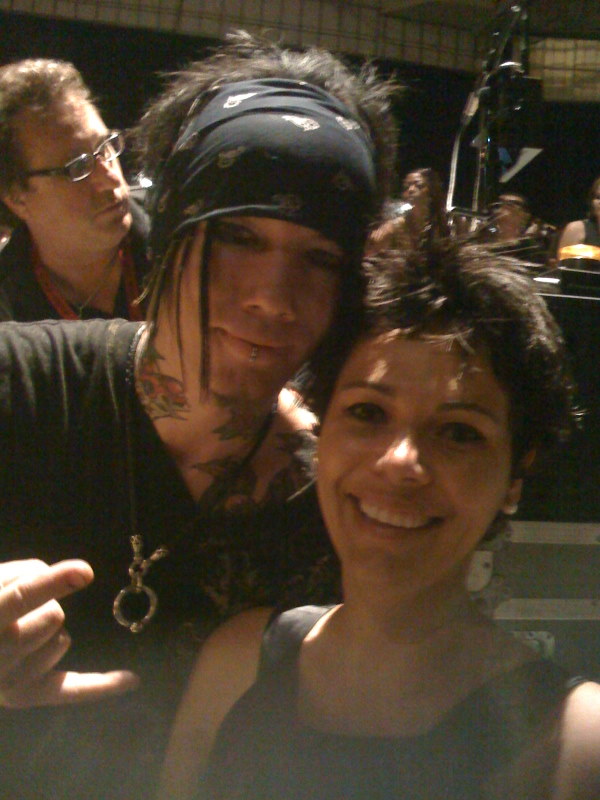
BIOGRAPHY-DJ Ashba was born in Monticello Indiana on the early Friday morning of November 10th. At age 1, The Ashba family moved to Fairbury Illinois, a small country farm town, raised by his mother, a classical pianist, who taught DJ about music at a young age .He was instantly obsessed with it. DJ started playing piano at age 3 and played his first recital at 5, performing Beethoven’s classic “Ode to Joy.” By age 6, he was studying drums, banging on garbage cans, pots, pans, buckets and anything he could get his hands on. Finally getting a real set, he studied rhythm. At age 8, DJ worked detasseling corn in the fields for one year until he was able to buy his first electric guitar out of the Sears catalog. The Harmony white Flying V was priced at $89.00. As he rode on the bus to the corn fields each day, he sat with a friend he made, an older guitar player from a local band. DJ would take his pocket knife and carve a fret board on the seat in front of them. His buddy would take the knife, poke 3 holes, and say “That’s an A chord,” go home and practice that tonight. Everyday DJ looked forward to going to work so he could learn a new chord. DJ grew up in a 8 bedroom house with no TV, due to his religious mother. He would sit in his room and practice his new guitar 17 hours a day. At 16, he was taken to his first concert by his dad—the Mötley Crüe “Girls, Girls, Girls” tour. It was the night that changed his life forever. By 19, he packed his possessions in a van and drove to Hollywood, joining a band called Barracuda. As a solo artist, he released his first instrumental album, ASHBA: Addiction to the Friction, and earned six Best Guitar Player awards. DJ Ashba co-founded the band Beautiful Creatures, landing a major label deal with Warner Bros. Writing all the music, his song, “Ride” ended up in the major motion picture Rollerball, while “Wasted” appeared in Valentine and “1 a.m.” was used in the TV show Smallville and on Howard Stern. Beautiful Creatures opened for KISS on their farewell concert jaunt, then went on to perform on Ozzfest 2001, played with Marilyn Manson and toured Japan. The video for “Wasted” was featured on MTV and the band performed a full concert for HBO’s Reverb. The band also made appearances on The Late Late Show with Craig Kilborn with Knock-Turn-Al as well as memorable performances at Sundance Film Festival and Denver’s Mile High Stadium. DJ Ashba is endorsed by over 15 major music companies. He has toured the world, blowing away audiences with his out-of-control stage performances. DJ has appeared in Rolling Stone and numerous other world-wide ads and videos. Ashba eventually teamed up with Crüe bassist Nikki Sixx, opening an amazing, state of the art recording facility called Funny Farm Studios, were they have written and produced songs for many platinum recording artists. His latest project with Nikki is writing, producing and performing on the soundtrack to Sixx’s biography, The Heroin Diaries: A Year In The Life Of A Shattered Rock Star, which also includes producer/songwriter James Michael. Together, Sixx, Ashba and Michael make up Sixx:A.M. creating the sonic diary to the book. Ashba contributes fiery guitar solos that fuel such songs as “Accidents Can Happen” and “Dead Man’s Ballet.” “After reading the book, I was so intrigued and inspired, I thought to myself, this is such an amazing story, with such an important message. “I’ve lost so many close friends in the music business to drugs, I felt I had a lot to add to this musical journey.” “We dug so hard-core into the book,” he explains. “I constantly probed Nikki’s mind about heroin and addiction. I really wanted to get a good feel on how to bring this book to life, musically. When I listen to the album now, it gives me chills, but at the time, I was in such a zone. I just tried to be as honest and true to the book as I could be. “I’m so proud to be a part of,” he admitted. “It never entered our minds it would turn out to be a band situation. But everything good that happens in life happens naturally, just like this did. The magic is so amazing between the three of us, this will be one of many albums to come. What I love about this is there are no limits, no rules. We’re putting our hearts out there, and people are responding to it.” “While writing this, we didn’t think about radio,” he said. “It wasn’t about being in a band… it was all done for the song, the story and the message, and that’s why the final product is the way it is. Working with these two guys is a dream come true.”   


http://profile.myspace.com/index.cfm?fuseaction=user.viewprofile&friendid=137914

Paul Stanley

From Wikipedia, the free encyclopedia

Paul Stanley
Background information
Birth name Stanley Harvey Eisen
Born January 20, 1952 (1952-01-20) (age 56)
Origin Queens, New York, United States
Genre(s) Hard rock, heavy metal, glam metal
Occupation(s) Musician, Songwriter, Producer, Painter, Actor
Instrument(s) Vocals, Guitar, Bass and Drums
Years active 1970 – present
Label(s) New Door Records/Universal Music Group
Associated acts Kiss, Wicked Lester
Website Official website
KISS Online
Notable instrument(s)
Ibanez PS10
Washburn PS2000
Silvertone Paul Stanley Signature Models
Ibanez Iceman

Stanley Harvey Eisen (born January 20, 1952, Queens, New York) known by his stage name Paul Stanley, is an American Hard rock guitarist and vocalist for the rock band Kiss. He is the writer or co-writer of most of the band’s highest-charting hits, including “Let’s Put The X In Sex”,”Everytime I Look At You”,”Love Gun“,”Detroit Rock City,” “Rock and Roll All Nite,” “Hard Luck Woman,” “I Was Made for Lovin’ You,” “Crazy Crazy Nights,” and “Forever.”

 Biography

Before Wicked Lester, Paul Stanley was in a local band, Rainbow (not to be confused with Ritchie Blackmore‘s Rainbow) and Uncle Joe. Through a mutual friend of Gene Simmons, Stanley joined Simmons’ band Wicked Lester in the early 1970s. The band recorded an album in 1971, but as of 2005 it has never been officially released (although songs from the album appeared on Kiss’s 2001 box set). Wicked Lester soon fell apart and Stanley and Simmons placed ads for a drummer and a guitarist in various New York papers. This resulted in Peter Criss and Ace Frehley joining the group, and they named themselves Kiss. Kiss released their self-titled debut in February 1974.

Paul’s persona in Kiss is “The Starchild.” Wearing Spandex and platform boots, Stanley’s persona is that of a Don Juan-esque lover, combining effeminate elements with elements of extreme masculinity, rather than mere androgyny. Although Stanley’s voice is generally very soft and eloquent during normal conversation, he uses a specific “stage voice” which is like a “Rock N’ Roll Preacher”, much like Gene Simmons adopts an animalistic growl on stage for his demon persona. Unlike most leading rock frontmen, he gets the crowd to join the band in many of their classic hits and also tends to give a speech or “scripted” story for certain songs (e.g. having sexual encounters with nurses and other women he’s met on tour and how much he supports U.S. troops overseas).

In his book Sex Money Kiss, Gene Simmons admits that Paul was the driving force for Kiss during the makeup-free 1980s, while Simmons was feeling lost without his demon makeup and attempting to launch a film career.

In 1999 Stanley starred in a Toronto production of The Phantom of the Opera, in which he played the role of The Phantom. He appeared in the musical from May 25 to August 1, and again that year from September 30 to October 31. While in Toronto, Stanley was contacted by AboutFace, an organization that provides support and information to individuals with facial differences, and asked to help raise awareness for them. Although he was approached due to his role as The Phantom, Stanley was in fact born with microtia, a congenital deformity of the pinna (outer ear). He has appeared at fundraising events and in videos for the organization.

In 2001 Stanley’s wife, Dallas native Pamela Bowen, filed for divorce. They have one son, Evan Shane Stanley, born June 6, 1994.

Stanley badly needed hip replacement surgery but suffered through the Rock The Nation tour first, finally getting the surgery in October 2005. Complications from the surgery required a second in December of that year, and in December 2005 it has been announced that a third hip surgery will be necessary. Stanley regards the degeneration of his left hip as partly the product of thousands of shows performed since the early 1970s. In the “Rock The Nation Live” DVD he spends much more time standing in one place than he has on previous DVDs and tours.

On November 19, 2005, Paul Stanley married longtime girlfriend Erin Sutton at The Ritz-Carlton, Huntington in Pasadena, California. They welcomed their first child, 8 lb. 6oz. Colin Michael Stanley, on Wednesday, September 6, 2006.

Stanley made his debut as a painter in 2005, exhibiting and selling original works of art.

In 2006, Stanley resumed his association with Washburn Guitars and using the Washburn PS2000. Previously, he has had four signature guitars made by Silvertone, and tweaked the Ibanez Iceman to his specifications, calling it the PS10.

Stanley’s most recent performances with Kiss were a group of shows in July 2007, dubbed the Hit ‘N Run Tour. Prior to the final show on July 27, Stanley was hospitalized with an extremely rapid heartbeat. In his absence, Kiss performed live as a trio for the first time. Previously, Kiss performed as a trio at Studio 54 in New York City for an international satellite broadcast on January 28, 1982, lip-syncing the song “I” from Music from “The Elder” for the Italian Festival della canzone italiana, also known as the Sanremo Festival, when Ace Frehley failed to show for the performance due to what was described at the time as a mystery “illness.” The July 27, 2007 concert is the first Kiss concert Stanley has missed during his 34-year tenure with the group.[1] In September 2007, Stanley took part in Rock ‘n Roll Fantasy Camp as a guest star for his second time in New York City.

Paul Stanley while showing some of his paintings in San Diego, September 2007.

Paul Stanley while showing some of his paintings in San Diego, September 2007.

Solo career

Stanley has very rarely recorded or performed outside of Kiss. In 1989, he embarked on a brief club tour, performing only Kiss songs (with one cover, Led Zeppelin‘s “Communication Breakdown“). His touring band included guitarist Bob Kulick and future Kiss drummer Eric Singer.

Stanley wrote and recorded material for a solo album in 1987–88, which was shelved in favor of the Kiss compilation, Smashes, Thrashes & Hits. While never officially released, songs such as “Don’t Let Go” and “When 2 Hearts Collide” have circulated as bootleg recordings. One song from the project, “Time Traveler,” was released as part of the Kiss’s 2001 box set.

In 1989 Stanley loaned his distinctive voice to the title track for the soundtrack of the Wes Craven horror flick “Shocker”. The song was written by long time Stanley collaborator Desmond Child, along with Jean Beauvior and Guy Man-Dude. The song was performed by a group of well known artists calling themselves “The Dudes Of Wrath”. The Dudes consisted of Stanley and Child on vocals, Guy Man-Dude and Vivian Campbell (Def Leppard and Dio) on guitars, Rudy Sarzo (Quiet Riot, Ozzy Ozbourne, Whitesnake and Dio) on bass and Tommy Lee (Mötley Crüe) on drums. Background vocals were provided by Desmond Child, Louis Merlino, Alice Cooper guitarist Kane Roberts and Michael Anthony of Van Halen.

In the past, Stanley has been asked to produce albums for Poison and Guns N’ Roses, but he was never able to commit due to his work on Kiss projects.[citation needed]

In 2005, a bootleg CD began circulating entitled People, Let Me Get This Off My Chest: The Very Best of Paul Stanley’s On Stage Banter. The fan-made disc compiled 70 tracks worth of Stanley’s distinctive song introductions and on-stage banter.[2]

28 years after releasing his first solo album (as part of the four simultaneously released Kiss solo albums), Stanley released a second album, Live to Win, on October 24, 2006. The title song of his solo album, “Live to Win”, appeared on the South Park episode “Make Love, Not Warcraft

In October and November 2006, Stanley embarked on a theater tour in support of Live to Win. His touring band was the house band from the CBS TV show, Rock Star. The band appeared on both seasons of the show – Rock Star: INXS and Rock Star: Supernova. The band was composed of Paul Mirkovich (keyboards), Jim McGorman (guitar), Rafael Moreira (lead guitar), Nate Morton (drums), and Sasha Krivtsov (bass). In April 2007, Stanley extended the tour to include Australia, playing in Coolangatta, Wollongong, Newcastle, Sydney, Melbourne, Perth and Adelaide. Portions of the tour were filmed for an as-yet-unreleased documentary titled Paul Stanley: Live to Dream by the Chicago-based Film Foetus. [3]

In 2008 Stanley sang a duet with Sarah Brightman, “I Will Be with You“, on her Symphony album.

Stage

In 1999, Stanley played the title role in The Phantom of the Opera in an off-Broadway production in Canada.

 Awards

Discography

 KISS

See: Kiss discography

 Solo career

 References

 External links

Novos tratamentos são alternativas à

lipoaspiração

Resultados são menos visíveis, mas efeitos colaterais são reduzidos


Quem não quer se arriscar fazendo uma lipoaspiração pode experimentar um dos vários tratamentos estéticos que usam tecnologias como o laser, o ultra-som e a radiofreqüência para enxugar medidas. Como é de se esperar, os resultados são menos visíveis do que uma intervenção cirúrgica, mas também quase não têm efeitos colaterais e não interferem na rotina. 

– Recomendo este tipo de tratamento para as pessoas que já estão no peso do ideal, têm uma dieta equilibrada, fazem exercícios com regularidade e mesmo assim continuam com gorduras localizadas em áreas como culote, abaixo do umbigo, cintura ou região dos joelhos. Nestes casos, os aparelhos costumam ser bastante eficazes e o paciente pode perder até três centímetros do local por sessão – explica a dermatologista Daniela Nunes, da Sociedade Brasileira de Dermatologia (SBD).

O dermatologista Jardis Volpe, também da SBD, acredita que o aparelho tem uma qualidade adicional: ajuda a estimular o sistema linfático, responsável pelo o acúmulo de toxinas, e por isso melhora quadros de retenção de líquidos e má circulação.

– Os aparelhos também atuam em todos os tipos de celulite, já que reduz os edemas e as fibroses que acentuam o aspecto “casca de laranja” – completa.

Durante o tratamento, os médicos sugerem que o paciente também faça dieta e exercícios para acelerar e manter os resultados. Em geral, o procedimento é feito em séries de cinco a dez sessões, com intervalos de duas semanas entre cada aplicação. Quem optar por uma intervenção deste tipo também deve lembrar que o preço total pode acabar tão caro quanto uma cirurgia estética. Um pacote com cinco sessões custa, em média, de um a dois mil reais.

Confira os tratamentos considerados os mais eficazes pelos médicos atualmente:


AGÊNCIA O GLOBO

Accent
Indicado para flacidez e quadros avançados de celulite, é moda entre as celebridades que querem enrijecer a barriga no pós-parto. O aparelho emite radiofreqüência para estimular as células a produzirem mais colágeno, substância que dá sustentação à pele. É contra-indicado para mulheres com dispositivo intra-uterino (DIU). São necessárias no mínimo seis sessões para se ter um bom resultado.
Carboxiterapia
Consiste na injeção de gás carbônico nas camadas superficiais da pele. O gás ajuda a estimular a produção de colágeno nas células e acelera a quebra das células de gordura. Os melhores resultados são na região das coxas e do bumbum, e é bastante eficaz para quem tem uma celulite resistente. É contra-indicado para diabéticos.
Ultracontour e Ultrashape
Ambos emitem ondas de ultra-som de alta intensidade que promovem a quebra das células de gordura. É indicado para quem já atingiu o peso ideal e não consegue se livrar de gorduras localizadas. Em apenas uma sessão, é possível perder até três centímetros nas medidas.
Ulift
Tem a mesma tecnologia que o Ultracontour e o Ultrashape, mas é programado para tratar as regiões com muita celulite. Não é indicado para a perda de medidas, mas é considerado pelos dermatologistas a melhor opção para as mulheres que querem reduzir o aspecto dos furinhos.


A lipoaspiração inteligente


Lipoaspiração é a cirurgia plástica mais realizada no mundo (ganha até dos famosos implantes de silicone). O motivo é simples: levanta a mão quem tem alguma gordurinha sobrando em alguma parte do corpo? Mesmo as mulheres mais magras acabam tendo um pouco de gordura em algum lugar incômodo.

Mesmo as magrinhas costumam ter gordurinhas em lugares indesejados.

Mesmo as magrinhas costumam ter gordurinhas em lugares indesejados.

Não estou falando de obesidade ou de sobrepeso (para isso não adianta fazer nenhum tipo de lipo), mas daquela área de gordura que fica sobrando mesmo depois de dieta e ginástica, aquela que dá vontade de passar a faca, sabe? Pode ser um culote maior, um joelho mais gordo (meu caso), uma barriguinga que sobrou da gravidez e que não sai nem com milhares de abdominais. Enfim, todo mundo entendeu do que eu estou falando né?
A técnica mais moderna para resolver esse problema que incomoda praticamente 100% das mulheres é a laserlipólise, também conhecida como Smartlipo, ou, exageradamente como lipo da hora do almoço. A laserlipólise incorpora uma tecnologia européia, a mais moderna no tratamento da gordura localizada, utilizada com sucesso desde 1997 na Itália, Alemanha e Argentina e Estados Unidos. No Brasil, as primeiras cirurgias do tipo foram realizadas em 2000 , no Rio Grande Sul, pelo cirurgião plástico Alberto Goldman. As indicações são abdome, cintura, coxas, costas, joelhos, culotes, papada e rosto.
Como é realizada?

A luz do laser marca de depois queima as células de gordura

A luz do laser marca de depois queima as células de gordura

Primeiro o paciente recebe a anestesia (que pode ser local ou peridural), e pode combinar com o médico se prefere usar sedativos ou não. Após a anestesia, a equipe médica e o paciente colocam óculos de proteção e é colocada uma cânula de laser bem fina. O objetivo do laser é romper as células de gordura liberar o seu conteúdo oleoso. Essa gordura liberada então é aspirada por uma cânula bem mais fina do que a utilizada na lipoaspiração tradicional.
Quais as vantagens do método?
Além de liberar a gordura o laser coagula os pequenos vasos sanguíneos fazendo com que o paciente sangue menos e que menos manchas roxas sejam formadas após a cirurgia. Uma parte da gordura queimada pelo laser e que não foi aspirada é absorvida pelo próprio organismo e depois eliminada pelos rins.
O procedimento pode ser realizado em hospitais ou em clínicas especializadas. Em geral não é necessário internação e o paciente recebe alta no mesmo dia. Mas ao contrário do que sugere o nome, não dá para fazer a lipo na hora do almoço e depois voltar ao trabalho. A laserlipólise também promete melhorar a flacidez da pele – o laser estimularia a produção de colágeno do local tratado. A cirurgia também atenua as ondulações da pele no caso da celulite, mas não as elimina por completo (é mais uma arma no combate a esse eterno problema femino).

Como é a recuperação?
Como os danos são menores, a recuperação costuma ser bem melhor do que na lipoaspiração tradicional, como menos manchas roxas, menos inchaço. As cicatrizes são bem pequenas, com cerca de 2 milímetros. O retorno às atividades normais costuma se dar em poucos dias, de uma maneira progressiva.

Quais os riscos?
Apesar da evolução das técnicas, não existe cirurgia sem riscos. A laserlipólise é uma cirurgia como outra qualquer, com perigos nada desprezíveis: choque anafilático, infecções, necrose da pele, embolia pulmonar, que pode ser fatal. No caso específico da lipo a laser, podem ocorrer mais alguns problemas. Um deles é o risco de queimadura da pele pelo laser, que deve ser manipulado com muito cuidado. Outro problema é a promessa de redução da flacidez, já que estimular o colágeno pode retrair os tecidos e deixar a cicatriz irregular. O sangramento reduzido por causa do laser é outro ponto questionado já que cauterizar os vasos sanguíneos poderia causar falta de oxigênio e necrosar a pele.
Entre os médicos a técnica é polêmica, enquanto alguns defendem outros continuam acreditando que não há nada melhor do que a lipoaspiração tradicional para gordura localizada. Na verdade, como qualquer cirurgia, a experiência do cirurgião com a técnica conta muita, então quando um procedimento novo é lançado leva algum tempo até que as pessoas que executam atinjam a mesma destreza e os mesmos resultados que atingiam com um método antigo.
 
Para quem é indicada a cirurgia?
A cirurgia é indicada para pessoas saudáveis (ela é contra-indicada para fumantes – para quem sempre se contra-indica procedimentos estéticos eletivos, dados os riscos cirúrgicos aumentados para esses pacientes, pessoas com problemas cardíacos, no fígado ou nos rins) com gordura localizada que cause uma desarmonia no corpo. Não é indicada como método de emagrecimento e funciona melhor com pessoas acostumadas com atividade física (que possuem melhor tonicidade dos músculos) e que estejam no máximo 12 quilo acima do seu peso ideal. Boa elasticidade da pele também traz resultados melhores.
A técnica é aprovada pelo FDA americano e tem respaldo em estudos científicos como os listados abaixo, mas normalmente para se comparar um método cirúrgico a outro (no caso a laserlipólise com a lipoaspiração tradicional, são necessários pelo menos 20 anos de estudos, então ainda não temos todas as repostas sobre vantagens e desvantagens do método).
Ah sim: Uma lipo a laser custa entre 3.000 e 10 000 reais, dependendo da extensão da operação, valor semelhante ao cobrado por uma lipoaspiração tradicional.


Resumos de artigos científicos que avaliaram a técnica de laserlipólise aqui, aqui e aqui
Matéria na Revista Época (bem completa sobre o assunto)
Matéria na revista Boa Forma
Vídeo demonstrando a técnica (não indicado para as pessoas mais sensíveis)
 

ACUPUNCTURE FOR CANCER

Cancer

The thought of having cancer can be scary. But what exactly is cancer? And what does it do?

Cancer refers to any one of a large number of diseases characterized by the development of abnormal cells that divide uncontrollably and have the ability to infiltrate and destroy normal body tissue. Cancer can spread its abnormal cells throughout your body.

Being diagnosed with cancer can be frightening. But understanding what’s going on inside your body can help you be aware of what’s causing your feelings of anxiety. Knowing more about cancer may also help you feel more in control of your disease.

What causes cancer?

Cancer is caused by damage (mutations) in your DNA. Your DNA is like a set of instructions for your cells, telling them how to grow and divide. When a mutation occurs in your DNA, normal cells will repair the mutation or simply die. In cancer, your cells continue living with this mutation. As a result, they grow and divide in chaotic fashion.

Mutations in your DNA can be caused by:

Your own habits.
Certain lifestyle choices are known to cause cancer. Smoking, drinking more than one drink a day (for women) or two drinks a day (for men), being overweight, damage to skin unprotected by sunscreen, and unsafe sexual behaviors can lead to the mutations that cause cancer. You can break these habits to lower your risk of cancer — though some habits are easier to break than others.

Your environment.
The environment around you may contain harmful chemicals that can cause mutations in your genes. Even if you don’t smoke, you might breathe secondhand smoke if you go places where people are smoking or you live with someone who smokes. Chemicals in your home or work environment, such as asbestos and benzene, can also cause cancer.

Your family history.
Some mutations in your DNA can be traced back to your parents. If cancer is common in your family, it’s possible that mutations are being passed from one generation to the next. You might be a candidate for genetic screening to see whether you have mutations that might increase your risk of cancer. Keep in mind that having an inherited genetic mutation doesn’t necessarily mean you’ll get cancer.

Chronic conditions.
Some chronic health conditions, such as ulcerative colitis, can develop into cancer. Talk to your doctor about your risk.

Much is still unknown about cancer. Some people with many risk factors don’t develop cancer, and some people with no apparent risk factors develop cancer nonetheless.

How does cancer grow?

Cancer cells grow in an uncontrolled manner. One malignant cell becomes two, two become four, four become eight, and so on, until a mass of cells (a tumor) is created. The tumor interferes with the normal functioning of healthy tissue and can spread to other parts of your body.

Not all tumors are cancerous, and not all cancers form tumors. For example, leukemia is a cancer that involves blood, bone marrow, the lymphatic system and the spleen but doesn’t form a single mass or tumor.

Cancer invades and destroys normal tissue. It can also produce chemicals that interfere with body functions. For instance, some lung cancers secrete chemicals that alter the levels of calcium in your blood, affecting nerves and muscles and causing weakness and dizziness.

Cancer can also spread (metastasize) and invade healthy tissue in other areas of your body. Cancer can take years to develop. By the time a cancerous mass is detected, it’s likely that 100 million to 1 billion cancer cells are present, and the original cancer cell may have been dividing for five years or more.

Traditional Chinese Medicine has a different approach to treating cancer patients compared to modern medicine. Traditional Chinese Medicine is to strengthen and build a patient’s Qi (energy) to fight the cancer.
Acupuncture has also proved to be effective in treating cancer patients side effect symptoms from radiation therapy and chemotherapy.

Stress

What is the stress response?

Often referred to as the “fight-or-flight” reaction, the stress response occurs automatically when you feel threatened. Your pituitary gland, located at the base of your brain, responds to a perceived threat by stepping up its release of adrenocorticotropic hormone (ACTH), which signals other glands to produce additional hormones. When the pituitary sends out a burst of ACTH, it’s like an alarm system going off deep in your brain. This alarm tells your adrenal glands, situated atop your kidneys, to release a flood of stress hormones into your bloodstream. These hormones — including cortisol and adrenaline — focus your concentration, speed your reaction time, and increase your strength and agility.

 
How stress affects your body

After you’ve fought, fled or otherwise escaped your stressful situation, the levels of cortisol and adrenaline in your bloodstream decline. As a result, your heart rate and blood pressure return to normal and your digestion and metabolism resume a regular pace. But if stressful situations pile up one after another, your body has no chance to recover. This long-term activation of the stress-response system can disrupt almost all your body’s processes, increasing your risk of obesity, insomnia, digestive complaints, heart disease and depression.

                          Digestive system. It’s common to have a stomachache or diarrhea when you’re stressed. This happens because stress hormones slow the release of stomach acid and the emptying of the stomach. The same hormones also stimulate the colon, which speeds the passage of its contents. Chronic stress can also lead to continuously high levels of cortisol. This hormone can increase appetite and cause weight gain.

                          Immune system. Chronic stress tends to dampen your immune system, making you more susceptible to colds and other infections. Typically, your immune system responds to infection by releasing several substances that cause inflammation. In response, the adrenal glands produce cortisol, which switches off the immune and inflammatory responses once the infection is cleared. However, prolonged stress keeps your cortisol levels continuously elevated, so your immune system remains suppressed.

In some cases, stress can have the opposite effect, making your immune system overactive. The result is an increased risk of autoimmune diseases, in which your immune system attacks your body’s own cells. Stress can also worsen the symptoms of autoimmune diseases. For example, stress is one of the triggers for the sporadic flare-ups of symptoms in lupus.

                          Nervous system. If your fight-or-flight response never shuts off, stress hormones produce persistent feelings of anxiety, helplessness and impending doom. Oversensitivity to stress has been linked with severe depression, possibly because depressed people have a harder time adapting to the negative effects of cortisol. The byproducts of cortisol act as sedatives, which contribute to the overall feeling of depression. Excessive amounts of cortisol can cause sleep disturbances, loss of sex drive and loss of appetite.

                          Cardiovascular system. High levels of cortisol can also raise your heart rate and increase your blood pressure and blood lipid (cholesterol and triglyceride) levels. These are risk factors for both heart attacks and strokes. Cortisol levels also appear to play a role in the accumulation of abdominal fat, which gives some people an “apple” shape. People with apple body shapes have a higher risk of heart disease and diabetes than do people with “pear” body shapes, where weight is more concentrated in the hips.

                          Other systems. Stress worsens many skin conditions — such as psoriasis, eczema, hives and acne — and can be a trigger for asthma attacks.

 
Individual reactions to stress

Your reaction to a specific stressor is different from anyone else’s. Some people are naturally laid-back about almost everything, while others react strongly at the slightest hint of stress — and most fall somewhere between those extremes. Genetic variations may partly explain the differences. The genes that control the stress response keep most people on a fairly even keel, only occasionally priming the body for fight or flight. Overactive or underactive stress responses may stem from slight differences in these genes.

Life experiences may increase your sensitivity to stress as well. Strong stress reactions sometimes can be traced to early environmental factors. People who were exposed to extreme stress as children tend to be particularly vulnerable to stress as adults.

 
Reducing the effects of stress

Stress develops when the demands in your life exceed your ability to cope with them. It follows, then, that you can manage stress by:

                          Changing your environment so that the demands aren’t so high

                          Learning how to better cope with the demands in your environment

                          Doing both

Here are some helpful techniques:

                          Look after your body. To handle stress, your body requires a healthy diet and adequate rest. Exercise also helps, by distracting you from stressful events and releasing your nervous energy.

                          Learn to relax. It’s the polar opposite of the stress response. Deep-breathing exercises may put you in a relaxed state. Follow these steps:

  1. Inhale through your nose to a count of 10. As you inhale, your upper abdomen should rise — not your chest.
  2. Exhale slowly and completely, to a count of 10.
  3. Repeat five to 10 times. Try to do this several times every day, even when you’re not feeling stressed.

If you have persistent trouble relaxing, consider taking up meditation or studying yoga or tai chi, Eastern disciplines said to focus your mind, calm your anxieties and release your physical tension. Therapeutic massage may also loosen taut muscles and calm frazzled nerves. Acupuncture can unblock the energy channel of the body and help the body to relax

 Depression

Depression is a disorder that affects your thoughts, moods, feelings, behavior and physical health. People used to think it was “all in your head” and that if you really tried, you could “pull yourself out of it.” Doctors now know that depression is not a weakness, and you can’t treat it on your own. It’s a medical disorder with a biological or chemical basis.

Sometimes, a stressful life event triggers depression. Other times depression seems to occur spontaneously with no identifiable specific cause. Whatever the cause, depression is much more than grieving or a bout of the blues.

Depression may occur only once in a person’s life. Often, however, it occurs as repeated episodes over a lifetime, with periods free of depression in between. Or it may be a chronic condition, requiring ongoing treatment over a lifetime. The disorder affects more than 18 million Americans of all ages and races.

Until now, modern medicine could offer people with depression only a pill or the prospect of talking it out, sometimes for years. Soon, though, doctors may offer an alternative – the 5,000 year-old Chinese art of Acupuncture.
In a recent University of Arizona study, clinically depressed women received eight weeks of acupuncture, in which practitioners gently pressed needles into specific body points to correct imbalances believed to trigger illness. The results: After getting treatments aimed at relieving depression, about two-thirds were cured of the condition, a rate similar to that achieved with antidepressants and psychotherapy.
(Researchers ruled out the placebo effect by giving one group acupuncture at points believed to be unrelated to depression.)
Although the study, which was funded by the National Institutes of Health’s Office of Alternative Medicine, is preliminary, author John Allen, Ph.D., believes acupuncture eventually may benefit people for whom other treatments fail. Unlike antidepressant drugs, for instance, acupuncture has no side effects. And Allen predicts that it may offer the best way yet to forestall future episodes of depression. That’s a significant worry, since people who’ve suffered one bout of depression have a 50 percent chance of enduring another.

The TCM (traditional Chinese medicine) model of the body is a culturally based philosophy of how the human body works.

The elements of the TCM model of the body are the Fundamental Substances; Qi, Blood, Jing (Essence), Shen (Mind) that nourish and protect the Zang-Fu organs; and the meridians (jing-luo) which connect and unify the body. Every diagnosis is a “Pattern of disharmony” that affects one or more organs (such as “Spleen Qi Deficiency” or “Liver Fire Blazing” or “Invasion of the Stomach by Cold”), and every treatment is centered on correcting the disharmony.

Unlike the Western anatomical model which divides the physical body into parts, the Chinese model is more concerned with function. Thus, the TCM Spleen is not a specific piece of flesh, but an aspect of function related to transformation and transportation within the body, and of the mental functions of thinking and studying. Indeed, the San Jiao or Triple Burner has no anatomical correspondent at all, and is completely a functional entity.

Chinese medicine is a coherent and independent system of thought, it has been developed over two millennia. Based on ancient texts, it is the results of a continuous process of critical thinking, as well as extensive clinical observation and testing. It represents a thorough formulation and reformulation of material by respected clinicians and theoreticians. It is rooted in the philosophy, disease is caused by an unhealthy relationship with nature and that treatment lies in establishing balance with nature, Yin/Yang and five elements.

Traditional Chinese medicine is holistic, based on the idea that no single part of the body can be understood except in its relation to the whole. A symptom, therefore, is not traced back to a cause, but is looked at as a part of a totality. If a person has a symptom, Chinese medicine wants to know how the symptom fits into the patient’s entire bodily pattern. A person who is well, or “in harmony”, has no distressing symptoms and expresses mental, physical, and spiritual balance. When that person is ill, the symptom is only one part of a complete bodily imbalance that can be seen in other aspects of his or her life and behavior. Understanding that overall pattern with the symptom as part of it, is the challenge of Chinese medicine.

People all over the world are using TCM including acupuncture and Chinese herbal medicine.


Maitake D-fraction: Healing and Preventive Potential for Cancer

Hiroaki Nanba, Ph.D.

Abstract

I have been studying medicinal mushrooms for the last 15 years and have reported that of all mushrooms studied, Maitake Mushroom (Grifola frondosa) has the strongest activity in tumor growth inhibition both in administered orally and intraperi-toneally.1,2,3 In this report, Maitake extract D-fraction was investigated to determine its effectiveness not only on the inhibition against tumors already growing, but also on the inhibition of formation of the secondary focus due to metastasis of tumor cells in lymph and/or blood. In the tests of cancer inhibition rates on mice bearing MM46 (breast cancer), they were bred for one month with foods containing 20% edible mushroom powder. The result was that Maitake outperformed all other mushrooms. Through the 31 day oral administration, total remission of the tumor was visibly confirmed on four out of ten Maitake fed mice. The remaining six rodents also indicated almost 90% suppression rate compared to untreated (control) mice. Most other mushroom extracts are reported ineffective when given orally.4,5 The results of human studies on Maitake D-fraction is reported which indicated strong potential of Maitake D-fraction for cancer treatment.


Introduction

Maitake (Pron. “my-tah-key”) is indigenous to northern part of Japan. The basket-ball sized mushroom, weighing sometimes over 50 pounds, grows on the foot of old Japanese oak trees. For hundreds of years, this rare and tasty mushroom has been prized in traditional Japanese herbology. Maitake literally means “Dancing Mushroom”. People who found the mushroom in deep mountain valleys started dancing with joy since they knew its delicious taste and the health benefits. Also, in the feudal era, it could be exchanged with the same weight of silver. Maitake was, and still is, one of the most valuable and expensive mushrooms.
This legendary giant mushroom has been available by cultivation since the mid 1980s which gave opportunities for mycologists and pharmacologists to study the various medicinal properties on the mushroom as claimed in anecdotes and folklore. In addition to its antitumor effect, anti-hypertension, anti-diabetes, anti-obesity and anti-hepatitis activities have been found in Maitake. Its anti-HIV activity was also confirmed by both Japan National Institute of Health and U.S. National Cancer Institute in early 1992. 


Maitake D-fraction
Among the various fractions in the process of standardization of the mushroom extraction, it is known that Maitake D-fraction is most potent in enhancing the immune system, demonstrating highest cancer inhibition in oral administration.3,6 The protein-bound Maitake D-fraction is the acid-insoluble, alkali-soluble and hot water extractable fraction (1,6 beta-glucans carrying 1,3 branched chains) with molecular weight of about one million. Maitake D-fraction has strong ability to potentiate and activate the cellular immune system. We investigated how much each immune-competent cell is activated by the administration of Maitake D-fraction. Mice in experiment groups were administered either 0.5 mg/Kg of D-fraction by I.P. injection for 10 days or 1.0 mg/Kg of D-fraction by oral administration for 10 days. The activity of Natural Killer cells, cytotoxic T-cells and delayed-hypersensitive T-cells were all increased by 1.5-2.2 times by Maitake D-fraction. Also, it was observed that production of interleukin-1 (which activates T cells), and super-oxide anion ( which damages tumor cells) were enhanced. The production of interleukin-2 was also observed to increase by 1.7 fold (Table 1). From these results it may be concluded that the cellular immune-competent cells ability to inhibit tumor growth may be potentiated by Maitake D-fraction.
The purified D-fraction extract and Maitake crude tablets were tested using mice to investigate acute and chronic toxicity. Based on a previous animal test which indicates the optimal dose of 1mg/kg of D-fraction for anti-tumor activity, ten times more dosage was employed intraperit-oneally for 30 days. On the 31st day, no abnormal symptoms were observed, when mice were sacrificed and their organs and blood were checked. Furthermore, 5 mg/kg of D-fraction was injected for 120 days and the toxicity was investigated in the same manner. Since no abnormality was found in this test, we came to the conclusion that there is no toxicity in the D-fraction. At present, it is not permitted to inject D-fraction into the human body, therefore, in our study the D-fraction was used via oral administration. Maitake tablets were also investigated for possible toxicity. Maitake has been appreciated by the Japanese people as the premier culinary mushroom for hundreds of years, and it is therefore unlikely to exhibit any toxicity. However, we did the same test as was done with the D-fraction, by feeding it to mice by mixing it in their diet at a 1:4 ratio for a period of 13 months. After completion of these tests, we concluded that both Maitake D-fraction and the tablets made of Maitake crude powder were safe with no toxicity.


Clinical Results
A number of animal tests have confirmed Maitake’s strong ability in cancer inhibition.7-10 but human trials have not been conducted until recently. A non-randomized clinical study using D-fraction was conducted to see if it is effective against advanced cancer patients as it is against animals. A total of 165 cancer patients in stage III-IV, from 25-65 years old, participated in the study and the data was collected under the cooperation of their medical doctors with major university hospitals and cancer treatment clinics in the western part of Japan. Patients were either taking Maitake D-fraction with crude powder tablets only, or Maitake D-fraction, crude tablets in addition to chemotherapy. Tumor regression or significant symptom improvements was observed in 11 out of 15 breast cancer patients, 12 out of 18 lung cancer patients and 7 out of 15 liver cancer patients. If Maitake was taken in addition to chemotherapy together, these response rates improved by 12-28 percent.

Clinical Results
A number of animal tests have confirmed Maitake’s strong ability in cancer inhibition.7-10 but human trials have not been conducted until recently. A non-randomized clinical study using D-fraction was conducted to see if it is effective against advanced cancer patients as it is against animals. A total of 165 cancer patients in stage III-IV, from 25-65 years old, participated in the study and the data was collected under the cooperation of their medical doctors with major university hospitals and cancer treatment clinics in the western part of Japan. Patients were either taking Maitake D-fraction with crude powder tablets only, or Maitake D-fraction, crude tablets in addition to chemotherapy. Tumor regression or significant symptom improvements was observed in 11 out of 15 breast cancer patients, 12 out of 18 lung cancer patients and 7 out of 15 liver cancer patients. If Maitake was taken in addition to chemotherapy together, these response rates improved by 12-28 percent.

The criteria to judge the effectiveness are established as follows. A positive response is defined as one of the following:
1) if the size of tumor in CT or MRI screen reduced or stayed unchanged.
2) if the value of tumor mark decreased.
3) if T, N or M factors reduced or remained unchanged.
4) if the remaining life expectancy indicated by the doctor was prolonged by more than 4 times.
As can be seen, these results suggest that breast, lung and liver cancers were improved by Maitake, but it was less effective against bone and stomach cancers or leukemia. The following are some of the typical cases which demonstrated improvements by taking Maitake D-fraction and tablets.

51 years old, male, Liver cancer (hepatocellular carcinoma)
He had received Adriamycin (ADM) since 1993, but refused it because of little effectiveness and severe side effects of chemotherapy. He took 35 mg of D-fraction and 4 g of Maitake caplet per day. After 8 months, the level of bilirubin and albumin are improved as well as T and N factors. The value of bilirubin reduced to 1.8 mg/dL from 4.7 mg/dL. Also, albumin improved from 2.1 g/dL to 3.7 g/dL and the prothrombin activation was increased to 92% from 36%. Meanwhile, T-factor improved from 3-4 to 1-2 and N-factor changed from 0-1 to 0. T-factor 3 means that tumor diameter is more than 2 cm and some tumors remove into blood vessels. N-factor 1 means that the tumors metastasized to lymph nodes.

56 years old, female, Liver cancer (hepatocellular carcinoma)

She was diagnosed in stage III with serum bilirubin of 3.5 mg/dl, albumin of 2.8 g/dl and prothrombia activation of 48%. By eye observation, T-factor was 3, N-factor as 1 and M-factor as 0. She received trans-catheter arterial embolization (TAE) in January, 1994, and 10 mil of lipiodol, 15 mg of ADM and 100 mg of Cisplatin (CDDP) were administered by injection. Then, 200 mg of 5-FU was orally administered for 60 consecutive days but no improvements were observed. In December, 1994, she started taking 55 mg of D-fraction liquid and 6 g of Maitake tablets everyday. As of July, 1995, value of bilirubin was 2.7, albumin 3.1, and prothrombia activation was improved to 63%. She is now diagnosed as stage I. 


53 years old, female, Lung cancer (epidermoid carcinoma)
In November, 1993, she was diagnosed as stage III-A according to the TNM classification by UICC (Unia Intern Contra Cancrum). CDDP 80 mg/m, CPA 350 mg/m and ADM 50 mg/m were administered. However, she gave up taking these chemos in March, 1994, because of severe side effects. Since then, she took 100 mg/m of Etoposide with 50 mg of D-fraction and 4 g of tablets. After 14 months, she improved to stage I. 


71 years old, male, Lung cancer (epidermoid carcinoma)
He was diagnosed as advanced stage IV but refused to take chemotherapy. He had taken D-fraction 70 mg and 6 g tablets everyday but unfortunately died 20 months later. However, he showed improvement and was diagnosed as stage III-A before he died. As he was told he had only 3 months to live by his doctor, Maitake must have contributed to extending his life for 17 more months. T-factor 2 means that tumor size is more than 3 cm and tumors advanced to the hilus. N-factor 2 means that tumor metastasized to lymph nodes (homolaceral mediaspinum). M-factor1 means that there is remote metastasis. 


45 years old, female, Breast cancer (intraductal carcinoma)
ER+ (Estrogen receptor positive) was observed on this patient who had 1.8 cm dia. of tumor focus and had the rigid pleura. In April, 1992, she had surgery to remove the focus and then received mild chemotherapy such as 5-FU and ADM until February, 1994, but a cancer recurrence (diameter of focus 0.9 cm) was found in April, 1994. She refused to undergo surgery at this time, and started taking 100 mg of D-fraction and 5 g of Maitake tablets every day for 6 months. After 6 months, the dose of D-fraction reduced to 50 mg a day. As of may, 1995, it was confirmed that the recurred tumor focus disappeared. 


44 years old male, Brain tumor (astrocytoma)
This is an example of an effective trial of D-fraction therapy against a brain tumor. The patient has taken 100 mg of D-fraction and 6 g of Maitake tablets every day for 4 months without taking any other medication including chemotherapy or radiation. In this case, the patient showed dramatic improvement. He had received chemotherapy (CCNU) in four cycles since February, 1994. But he could not accept it because of severe side effects and received no treatment for four months before starting Maitake administration. After 4 months since he started taking Maitake, a complete regression of an egg-sized tumor focus was confirmed.
It can not be concluded that Maitake D-fraction and crude powder alone have the strong anti-cancer activities in human cancer. It should be noted, however, that most of the patients under the Maitake treatment claimed improvement of overall symptoms, even when the tumor regression was not observed. Various side effects from chemotherapy such as lost appetite, vomiting, nausea, hair loss and leukopenia (deficiency of white blood cells) were ameliorated by 90% of the patients. Reduction of the pain was also reported by 83% of the patients. 


Preventing Cancer Metastasis
Another interesting of investigation was whether the formation of secondary focus due to metastasis of cancer cells could be inhibited. This test was conducted using mice in the following manner; MM-164 liver carcinoma (1 x 10⁷ cells) was injected to left rear footpad of mice and the footpad was cut off after 48 hours. Then, normal feed was given to the control group (A), 20% Maitake powder was given to group (B) and 1 mg/Kg of D-fraction was given to group (C) with normal food. All three groups were bred for another 30 days, and the number of tumor focus metastasized in the liver was counted by microscope. It was observed that the metastasis to the liver was prevented by 91.3% by the administration of D-fraction and by 81.3% by Maitake powder. It is believed that tumor cells present in blood and/or lymph were necrotized by the activated cellular immune-competent cells. The result of this animal test indicates that cancer metastases could be reduced to less than one tenth by the use of Maitake D-fraction daily. 


Synergistic Effect with Chemotherapy
Maitake does not kill cancer cells directly. It stimulates the activities of immune-competent cells and potentiates their action against cancer cells. Chemotherapy is supposed to kill cancer cells directly. Which is more effective in terms of cancer growth inhibition? Here are some interesting results from our study on this effect. We used Mitomycin C (MMC), probably the most popular antibiotic used for various cancer treatments, despite its very severe side effects. In this animal test, Maitake D-fraction, MMC , and D-fraction and MMC together (cutting each dose by half) were injected into tumor-bearing mice respectively. As can be seen in Figure 3, D-fraction alone demonstrated superior tumor growth inhibition to that of MMC (about 80% vs 45%). When MMC and D-fraction were given together, cutting each dose by half, tumor inhibition was further enhanced (nearly 98%). The result indicates some synergistic effect between MMC and Maitake, i.e., tumor cells are directly attacked by MMC while the immune system is activated by D-fraction. Chemotherapy is sometimes very harmful as it significantly lowers the immune system of the patients. We have seen many advanced cancer patients recover from severe side-effects caused by chemotherapy by taking Maitake D-fraction (orally) as an adjuvant. From the above studies, it appears that Maitake and chemotherapy work together, and Maitake has proven to be a valuable adjuvant in the chemotherapeutic treatment of cancer. 


Conclusion
Since the cultivation method of Maitake mushroom was established in mid 1980’s, this legendary and delicious mushroom has gained much popularity among Japanese people. Anecdotes and folklore on its medicinal values have also been elucidated by a number of mycologists and pharmacologists and its strong anti-tumor activity has attracted many researchers. It should be noted that, unlike many other mushroom extracts that have to be injected intravenously, Maitake D-fraction has a strong ability to inhibit tumor growth when given orally as well. In this context, various tests were conducted focusing on inhibition of growth and metastasis of cancer after surgery, by oral administration of Maitake. Even though this was a limited and non-controlled trial, the clinical study indicated that Maitake D-fraction is effective against such cancers of the breast, lung, liver, prostate and brain. Both human and animal tests demonstrate a synergistic effect with chemotherapy while ameliorating severe side effects from chemotherapy. Though the data is preliminary, the results of animal (and limited clinical ) studies based on Maitake D-fraction suggest significant healing and preventing potential for cancers and other immune-related health disorders. It is important to note that even among Maitake Mushrooms ( Grifola-frondosa), there are many strains and some contain very little Beta-glucan, the active ingredient to stimulate the immune system. From such strains of Maitake, D-fraction may not be obtained.

Acknowledgements: The author acknowledges Maitake Products, Inc. 222 Bergen Turnpike, Ridgefield Park, NJ 07660 for supplying the Maitake D-fraction and Maitake crude powder.


References