RISING POWERS


B R I C

In economics, BRIC or BRICs is an acronym that refers to the fast growing developing economies of Brazil, Russia, India, and China. The acronym was first coined and prominently used by Goldman Sachs in 2001.Goldman Sachs argued that, since they are developing rapidly, by 2050 the combined economies of the BRICs could eclipse the combined economies of the current richest countries of the world.

Goldman Sachs did not argue that the BRICs would organize themselves into an economic bloc, or a formal trading association, like the European Union has done.However, there are strong indications that the “four BRIC countries have been seeking to form a “political club” or “alliance”, and thereby converting “their growing economic power into greater geopolitical clout”. One of the recent indications was from a BRIC Summit meeting in 2008, in the Russian city of Yekaterinburg between the foreign ministers of the BRIC countries. Also in his Latin America trip Russian President Dmitry Medvedev, while visiting Brazil, met with Brazilian President Luiz Inácio Lula da Silva and agreed to visa-free travel. Medvedev has also recently made a trip to New Delhi, India to meet with Indian President Prathiba Patil and Prime Minister Manmohan Singh to discuss a nuclear deal as well as agreeing to cooperate in the spheres of finance and financial security, tourism, culture and fighting drug trafficking.

BRIC (Portuguese)

BRIC é um acrônimo criado em novembro de 2001 pelo economista Jim O’Neill, do grupo Goldman Sachs, criou o termo para designar os 4 (quatro) principais países emergentes do mundo, a saber: Brasil, Rússia, Índia e China no relatório “Building Better Global Economic Brics”. Usando as últimas projeções demográficas e modelos de acumulação de capital e crescimento de produtividade, o grupo Goldman Sachs mapeou as economias dos países BRICs até 2050. Especula-se que esses países poderão se tornar a maior força na economia mundial.

Se os resultados ocorrerem como esperado em menos de 40 anos as economias BRICs juntas poderão ser maiores que as dos G6 (Estados Unidos da América, Japão, Alemanha, Reino Unido, França e Itália) em termos de dólar americano (US$).

O estudo ressalta que cada um dos quatro enfrenta desafios diferentes para manter o crescimento na faixa desejável. Por isso, existe uma boa chance de as previsões não se concretizarem, por políticas ruins, simplesmente má sorte, ou por erro nas projeções.

Mas se os BRICs chegarem pelo menos próximos das previsões, as implicações na economia mundial serão grandes. A importância relativa dos BRICs como usina de novas demandas de crescimento e poder de gasto pode mudar mais sensível e rapidamente do que se imagina a economia mundial.

De acordo com o estudo, o grupo possuirá mais de 40% da população mundial e juntos terão um PIB de mais de 85 trilhões de dólares (US$). Esses quatro países não formam um bloco político (como a União Europeia), nem uma aliança de comércio formal (como o Mercosul e ALCA) e muito menos uma aliança militar (como a OTAN), mas formam uma aliança através de vários tratados de comércio e cooperação assinados em 2002 para alavancar seus crescimentos.

Participação dos Países

Economia dos BRICs em relação às dos G6
Relação da projeção do PIB e PIB per capita dos países BRICs e G6 até 2050.
Dentro dos BRICs haveria uma clara divisão de funções. Ao Brasil e à Rússia ficaria o papel de produtor de alimentos e produtor de petróleo respectivamente. Ambos seriam também fornecedores de matéria prima.

Os negócios de serviços e de manufatura estariam principalmente localizados na Índia e China, devido à concentração de mão-de-obra naquele e tecnologia neste.

The BRIC thesis
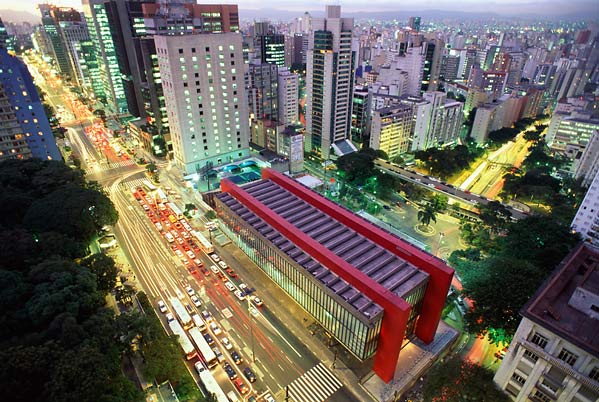
SAO PAULO

RIO DE JANEIRO
Rio de Janeiro, Brazil.

Goldman Sachs argues that the economic potential of Brazil, Russia, India, and China is such that they may become among the four most dominant economies by the year 2050. The thesis was proposed by Jim O’Neill, global economist at Goldman Sachs. These countries encompass over twenty-five percent of the world’s land coverage, forty percent of the world’s population and hold a combined GDP (PPP) of 15.435 trillion dollars. On almost every scale, they would be the largest entity on the global stage. These four countries are among the biggest and fastest growing Emerging Markets.

However, it is important to note that it is not the intent of Goldman Sachs to argue that these four countries are a political alliance (such as the European Union) or any formal trading association, like ASEAN. Nevertheless, they have taken steps to increase their political cooperation, mainly as a way of influencing the United States position on major trade accords, or, through the implicit threat of political cooperation, as a way of extracting political concessions from the United States, such as the proposed nuclear cooperation with India.


(2003) Dreaming with BRICs: The Path to 2050
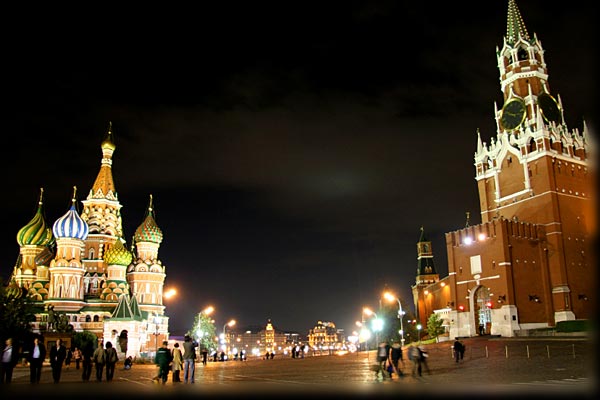
The BRIC thesis (defended in the paper Dreaming with BRICs: The Path to 2050) recognizes that Brazil, Russia, India and China have changed their political systems to embrace global capitalism. Goldman Sachs predicts China and India, respectively, to be the dominant global suppliers of manufactured goods and services while Brazil and Russia would become similarly dominant as suppliers of raw materials. Cooperation is thus hypothesized to be a logical next step among the BRICs because Brazil and Russia together form the logical commodity suppliers to India and China. Thus, the BRICs have the potential to form a powerful economic bloc to the exclusion of the modern-day states currently of “Group of Eight” status. Brazil is dominant in soy and iron ore while Russia has enormous supplies of oil and natural gas. Goldman Sachs’ thesis thus documents how commodities, work, technology, and companies have diffused outward from the United States across the world. Following the end of the Cold War or even before, the governments comprising BRIC all initiated economic or political reforms to allow their countries to enter the world economy. In order to compete, these countries have simultaneously stressed education, foreign investment, domestic consumption, and domestic entrepreneurship. According to the study, India has the potential to grow the fastest among the four BRIC countries over the next 30 to 50 years. A major reason for this is that the decline in working age population will happen later for India and Brazil than for Russia and China.


 (2004) Follow-up report
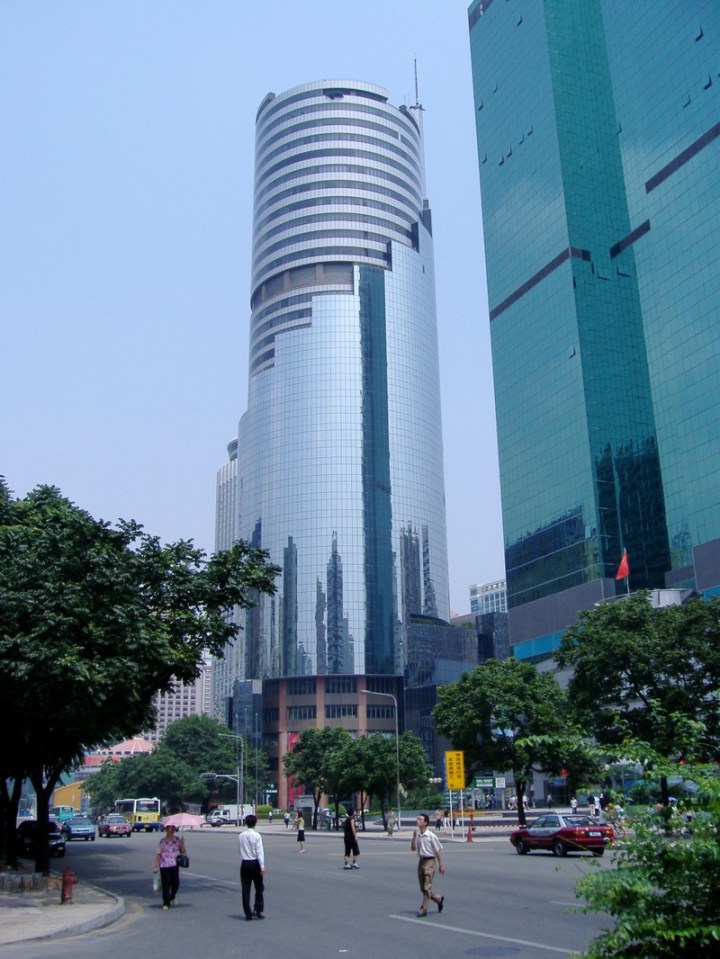
CHINA

The Goldman Sachs global economics team released a follow-up report to its initial BRIC study in 2004. The report states that in BRIC nations, the number of people with an annual income over a threshold of $3,000, will double in number within three years and reach 800 million people within a decade. This predicts a massive rise in the size of the middle class in these nations. In 2025, it is calculated that the number of people in BRIC nations earning over $15,000 may reach over 200 million. This indicates that a huge pickup in demand will not be restricted to basic goods but impact higher-priced goods as well. According to the report, first China and then a decade later India will begin to dominate the world economy. Yet despite the balance of growth, swinging so decisively towards the BRIC economies, the average wealth level of individuals in the more advanced economies will continue to far outstrip the BRIC economy average. Goldman Sachs estimates that by 2025 the income per capita in the six most populous EU countries will exceed $35,000, whereas only about 500 million people in the BRIC economies will have similar income levels.

The report also highlights India‘s great inefficiency in energy use and mentions the dramatic under-representation of these economies in the global capital markets. The report also emphasizes the enormous populations that exist within the BRIC nations, which makes it relatively easy for their aggregate wealth to eclipse the G6, while per-capita income levels remain far below the norm of today’s industrialized countries. This phenomenon, too, will affect world markets as multinational corporations will attempt to take advantage of the enormous potential markets in the BRICs by producing, for example, far cheaper automobiles and other manufactured goods affordable to the consumers within the BRICs in lieu of the luxury models that currently bring the most income to automobile manufactures. India and China have already started making their presence felt in the service and manufacturing sector respectively in the global arena. Developed economies of the world have already taken a serious note of the fact.


 (2007) Second Follow-up report

This report compiled by lead authors Tushar Poddar and Eva Yi gives insight into “India’s Rising Growth Potential”. It reveals updated projection figures attributed to the rising growth trends in India over the last four years. Goldman Sachs assert that “India’s influence on the world economy will be bigger and quicker than implied in our previously published BRICs research”. They noted significant areas of research and development, and expansion that is happening in the country, which will lead to the prosperity of the growing middle-class.

“India has 10 of the 30 fastest-growing urban areas in the world and, based on current trends, we estimate a massive 700 million people will move to cities by 2050. This will have significant implications for demand for urban infrastructure, real estate, and services.”

In the revised 2007 figures, based on increased and sustaining growth, more inflows into foreign direct investment, Goldman Sachs predicts that “from 2007 to 2020, India’s GDP per capita in US$ terms will quadruple”, and that the Indian economy will surpass the United States (in US$) by 2043. It states that the four nations as a group will overtake the G7 in 2032.

 Atualmente   (Portuguese)

Os BRIC, apesar de ainda não serem as maiores economias mundiais, já exercem grande influência, o que pode ser presenciado claramente na reunião da OMC em 2005, onde os países em desenvolvimento liderados por Brasil e Índia juntaram-se a países subdesenvolvidos para impor a retirada dos subsídios governamentais na União Européia e os Estados Unidos e a redução nas tarifas de importação e comércio nos mesmos. Alavancando assim o crescimento dos “BRICs” e outros países afetados pela pobreza.

Rússia, Índia e China já são superpotências militares, ao contrário do Brasil que ainda não apresentou momentos históricos necessários para uma corrida armamentista. Todos eles estão em processo de desenvolvimento político e econômico para se adequarem aos demais países desenvolvidos.

No futuro

Em 2050, os BRICs já seriam as maiores potências econômicas do mundo; ultrapassando assim a União Européia e o ainda em crescimento Estados Unidos da América. Se formado um bloco econômico, seria uma parceria perfeita para o sucesso extremo e a onipotência mundial.

O Brasil desempenharia o papel de país exportador agropecuário, tendo como principais produtos a soja e a carne bovina. Tudo isso seria necessário para alimentar mais de 40% da população mundial. A cana-de-açúcar também desempenharia papel fundamental na produção de combustíveis renováveis e ecologicamente corretos, como o álcool e a recente atração, o biodiesel. Além de fornecer matérias-primas essenciais a países em desenvolvimento, como o petróleo, o aço e o alumínio, que também são encontrados nos parceiros latinos, fortemente influenciados pelo Brasil, como Argentina, Venezuela, Paraguai, Uruguai e Bolívia, através do Mercosul. Mas talvez o mais importante papel do Brasil estaria em suas reservas naturais de água, na fauna e na flora, ímpares em todo o mundo, que em breve ocuparão o lugar do petróleo na lista de desejos dos líderes políticos de todos os países. O Brasil ficaria em 5º lugar no ranking das maiores economias do mundo em 2050.

A Rússia desempenharia papel parecido ao do Brasil, fornecendo matéria-prima e abasteceria a grande população dos BRICs com sua grande produção agropecuária devido à seu extenso território. Mas teria também como papel a exportação de mão-de-obra altamente qualificada e tecnologia de ponta herdadas da Guerra Fria. Além de todo seu poderio militar. Sem contar o fato de que a Rússia continuaria a ser uma importante fornecedora de hidrocarbonetos para o mundo.

A Índia terá a maior média de crescimento entre os BRICs e estima-se que em 2050 esteja no 3º lugar no ranking das economias mundiais, atrás apenas de China (em 1º) e EUA (em 2º). Com sua grande população, a indústria ficaria situada neste país, e também por ter grandes investimentos na profissionalização de sua população e investimentos em tecnologia, além de toda sua tradição nas ciências exatas. Com também grande poderio militar.

Estima-se que a China seja em 2050 a maior economia mundial, tendo como base seu acelerado crescimento econômico sustentado durante todo início do século XXI. Terá grande concentração de indústria devido à sua população e tecnologia. Também com grande poderio militar. A China se encontra atualmente num processo de transição do capitalismo de Estado para o capitalismo de mercado que já deverá estar completo em 2050, mas ainda não se sabe se o governo irá continuar totalitarista ou se a China irá evoluir completamente para um país democrático aos moldes ocidentais impostos pelos Estados Unidos após a Guerra Fria.

Nada se sabe ao certo sobre o futuro dos BRICs, pois todos os países estão vulneráveis a conflitos internos, governos corruptos e revoluções populares, mas se nada de anormal acontecer iremos presenciar o início de uma era totalmente diferente de tudo que já aconteceu ao decorrer da história das nações. O início de um mundo totalmente apolarizado, onde desapareceria por completo a idéia de “norte rico, sul pobre”. Onde todos os países se contrabalançariam. Juntos, os BRICs teriam um poder inigualável, comandados pelo dragão chinês. E quem sabe o início de uma revolução dos países africanos a fim de finalmente renascerem perante o mundo e o início de uma unificação mundial, a verdadeira globalização.

Finalmente, por conta da popularidade da teoria do banco Goldman Sachs, cogita-se ainda outras siglas, como BRIMC (Brasil, Rússia, Índia, México e China) e BRICS (Brasil, Rússia, Índia, China e África do Sul), incluindo México e África do Sul como nações com igual potencial de crescimento nas próximas décadas.

 http://risingpowers.stanleyfoundation.org/

http://www.foreignpolicy.com/story/cms.php?story_

http://risingpowers.foreignpolicyblogs.com/

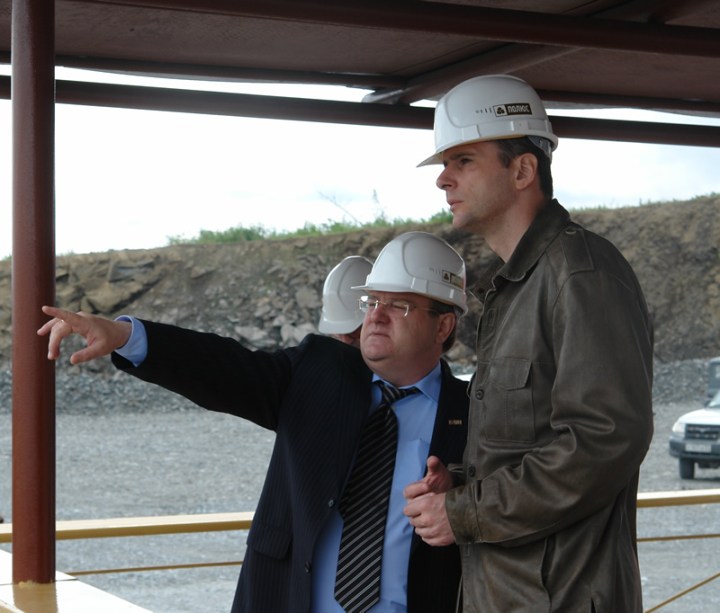
MIKHAIL PROKHOROV

prokhorov1

Mikhail Prokhorov (born May 3, 1965) is a Russian self-made billionaire and oligarch. He made his name in the financial sector and went on to become one of Russia’s leading industrialists in the precious metals sector. He is the former chairman of Norilsk Nickel, the world’s largest producer of nickel and palladium, and the current chairman of Polyus Gold, Russia’s largest gold producer.

In May 2007, Prokohorov launched a $17 billion private investment fund, Onexim Group, focused on the development of nanotechnology, including hydrogen fuel cells, as well as other high-technology projects and non-ferrous and precious metals mining. One of the key areas of development is the production of materials with ultra–tiny structures used in energy generation and medicine.

In June 2007, Russian Prime Minister Mikhail Fradkov announced the formation of the Government Council for Nanotechnology, to oversee the development of nanotechnology in the country. Prokhorov was one of 15 individuals appointed to the council, which will be chaired by Russian First Deputy Prime Minister Sergei Ivanov.

Mikhail Prokhorov’s net worth is currently estimated at $19.5 billion, making him the 24th richest man in the world according to Forbes magazine’s list of the World’s Richest People in 2008. Since then it has been estimated that the majority of his fortune was lost to the recent economic downturn. However, Prokhorov is currently the richest man in Russia and the 40th richest man in the world according to the 2009 Forbes list with an estimated fortune of $9.5 billion . If he lost 51% of his wealth within a year, he is the Russian oligarch who resisted the best to the financial crisis thanks to his sell of his Norilsk stake right before the meltdown. Most spectacularly, he had reportedly agreed to buy a villa in French Riviera from Brazilian philantropist Lily Safra for €400m but is in danger of losing a €39m deposit as he’s unable to afford to complete of the deal.

Early Life and Education

Mikhail Prokhorov was born on May 3, 1965, one of two children in the family. His father was a member of the Soviet sports committee and his mother was a scientist. His parents sent him to a language medium school in Moscow and then to the Moscow Financial Institute. In 1989, he graduated with a first class degree from the International Economic Relations Department of Moscow State Financial Institute. He also has an older sister named Irina.

In March 2004 he founded the Cultural Initiatives Foundation (The Mikhail Prokhorov Foundation), a charitable foundation; it is headed by Prokhorov’s elder sister Irina Prokhorova, prominent Russian publisher. He gives financial support to CSKA Moscow‘s basketball, hockey and football clubs, and is a member of the Supreme Council of the Sport Russia organisation.

In August 2006 he was awarded the Order of Friendship for his significant contribution to the growth of Russia’s economic potential, when the President of the Russian Federation, Vladimir Putin, signed an order for the granting of state honours on August 18, 2006.

MIKHAIL

Mikhail Prokhorov.


Energy

With global populations growing at a rapid rate, energy security is one of the greatest issues facing the world today. The future will rely on traditional forms of energy as well as “new” sources, such as wind, solar and hydrogen power.

Fuel Cells

In Russia today there is an understanding that our resources are not infinite. There is also a growing realization we need to redouble our focus and investment in new technology in order to address current environmental challenges.

On Charity

Pure charity – helping those who are in a difficult situation, who seek care and protectorship – is a natural human need to do good. A successful businessman can prove himself in this activity as someone who has more power to help people.

The Mikhail Prokhorov Foundation is a Russian private charity established in 2004. It carries out nationwide and international activities, as well as local projects in the Krasnoyarsk region, the Urals, Siberia, the Russian Far East, and in the industrial area of Norilsk.

The long-term goal is to promote Russian culture and further its integration into global context. The Foundation’s concept is based on a broader notion of culture, its borders, and its social functions. This modern idea of culture determines the key activities of the Foundation, which include: initiatives in arts;science and education; development of mass media; urban environment; sports and public health.

The Foundation’s activities are based on the belief that a better life of the society is conditional upon its cultural level. Geographically, the Foundation tries to localise its activities to reflect the uniqueness and specific needs of communities concerned. This approach is especially valuable in today’s globalised world.

 Brief History of the Foundation

From 2004 till 2006, the Foundation operated exclusively in Norilsk and thus became the first charity in Russia to work systematically with one specific region.
Later it expanded it scope to include the whole of Krasnoyarsk Krai, the biggest Siberian region.
Since 2008, several competition projects have embraced the Urals, Siberia, and the Russian Far East.
Simultaneously, the Foundation supports unique nationwide and international projects aiming to incorporate Russian culture into the global context.

Its 2007 Annual Report was named the best report in the private foundations category of the 2nd Point of Reference competition sponsored by the Russian Public Chamber’s Commission for Development of Charity and NGO Legislation.

The Innovation Breakthrough

Mikhail Prokhorov’s speech during the 4th Annual National Business Congress 2 July 2008 on how to make the innovation breakthrough happen

http://prokhorovfund.ru/

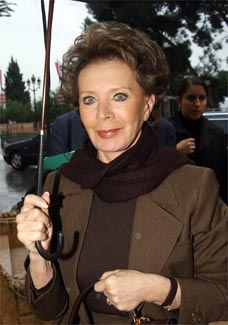
LILY SAFRA

Lily Safra was born in 1938 in Porto Alegre, Brazil to a Czech father.Lily Safra is a Brazilian philanthropist and social figure. Born to an affluent family, she attained considerable wealth.

lily_safra

In 1976, she married Edmond Safra, a Brazilian-naturalized Jewish syrian banker. Their international lifestyle included homes in New York, London, Geneva and the French Riviera. The couple never had any children.

In 1999, Edmond Safra, a sufferer of Parkinson’s disease, perished from a criminal fire at their apartment in Monaco. Lily Safra survived, as she was saved from the fire by the police. An American nurse, Ted Maher, was arrested under suspicion of starting the fire, and was convicted of the crime in 2002. He claimed that he had started the fire to carry out a daring rescue, in order to increase his standing in the Safra family’s eyes, but that he lost control of the fire. The details of Mr Safra’s passing were discussed by media outlets including 60 Minutes and by Dominick Dunne in Vanity Fair; the incident also served as a basis for an episode of Law & Order.

PHILANTHROPHY

Edmond & Lily Sasfra Childrens Hospital

Edmond & Lily Safra Children’s Hospital

Mrs Safra is the Chairwoman of the Edmond J. Safra Philanthropic Foundation, which supports projects related to education, science and medicine, religion, culture, and humanitarian relief. Mrs. Safra shared her commitment to caring for the less fortunate with her husband, Mr. Edmond J. Safra, one of the twentieth century’s most accomplished bankers and founder of the Edmond J. Safra Philanthropic Foundation. Since 1999 she has chaired this Foundation, which supports hundreds of projects over 50 countries. She has initiated many educational projects in memory of her husband, including endowing the Edmond J. Safra Center for Ethics at Harvard University. A long and distinguished relationship with the Hebrew University of Jerusalem led to the naming of the Edmond J. Safra Campus.

Mrs. Safra is Honorary Chairman of the International Sephardic Education Foundation (ISEF), which she established with her husband in 1977. ISEF is the largest non-profit organization promoting higher education for gifted Israelis from disadvantaged backgrounds. Since its founding, over 16,000 scholarships have been granted, including support for more than 1,000 MA and PhD students. She also supports the Lily Safra Internship Program at the Hadassah-Brandeis Institute at Brandeis University in Waltham, Massachusetts. The internship program takes place during the summer and allows six undergraduate and two graduate students to carry out research at the HBI.

Both personally and through the Foundation, she supports research into cancer, AIDS, multiple sclerosis, and neurodegenerative diseases,particularly Alzheimer’s and Parkinson’s, at hospitals and universities worldwide. Her awareness of the distress experienced by the families of those battling illnesses led her to construct the Family Lodge for patients and their families at the National Institutes of Health in Bethesda, Maryland. She and her husband built a cutting-edge children’s hospital in Tel Hashomer, outside of Tel Aviv, which treats thousands of Israeli and Palestinian children. She is a member of the Board of the Michael J. Fox Foundation for Parkinson’s Research and of the Foundation for the National Institutes of Health.

In addition to being a Trustee of New York’s Museum of Jewish Heritage and the Somerset House Arts Fund in London, Mrs. Safra is a member of the Chairman’s Council of the Museum of Modern Art and the Kennedy Center’s International Committee on the Arts. She supported the joint acquisition of Bill Viola’s “Five Angels of the Millennium” by the Centre Pompidou in Paris, the Tate Gallery in London, and the Whitney Museum in New York, and established the Edmond J. Safra Visiting Professorship at the National Gallery of Art in Washington. She is also significantly involved with the activities of London’s Courtauld Institute of Art, supporting curators and providing scholarships to outstanding art history students, in addition to having underwritten acclaimed exhibitions in the Institute’s Hermitage Rooms.

In the aftermath of Hurricane Katrina, Mrs. Safra was a lead supporter of the American Red Cross’s relief effort, and she was instrumental in helping Dillard University of New Orleans continue to offer classes in temporary locations and to rebuild for the Fall 2006 semester. For many years she has assisted numerous New York City community organizations,chiefly Henry Street Settlement, the New York Center for Children, the Children’s Health Fund, and God’s Love We Deliver.

HONORS

Lily Safra holds honorary doctorates from The Hebrew University of Jerusalem, Brandeis University, Tel Aviv University, and Imperial College London, and she is an Honorary Fellow of King’s College London and the Courtauld Institute of Art. The French Government accorded her the rank of Commandeur in the Ordre des Arts et des Lettres in 2004, and she was named Chevalier de la Légion d’honneur by President Jacques Chirac in 2005.

Visit : The Israel Museum, Jerusalem at : http://www.imj.org.il/

 Possibilities Emerge …

Possibilities emerge when we earnestly search for what is hindering our destiny to flow naturally.
There are times when it seems that we are going round and round in circles about the same situation and our horizon shows no perspective whatsoever.
Many times, we fail to perceive that we have become wearied of some situations and it is time for us to open up to new things.

We have a habit of creating standards and routines hindering new possibilities to appear… because standards and routines imprison us in an endless repetition of the same things.
There are countless things chaining us to the past, never allowing the present to happen, things that manifest themselves as soon as we open the door.
We are imprisoned by pain and fear… when they prevent us from even getting close to setting them free and achieve what is beyond.

We tie ourselves to what was good… but now it is in the past… this also keeps us from allowing new things to enter our lives…
Actually, if we would remember that we are only present when we are whole at those moments, then we would allow life to flow without tying ourselves to the concepts of “good” and “bad”…

Many times we are imprisoned even in the Light… to some special experience, from this or other lives that gratified, and that we keep trying to repeat now, without remembering that the Light is available when we are in the present time accessing all the possibilities as we sink into creative emptiness.
Trying to live the situations you had in the past, for the best that they may have been… only keeps us from other possibilities that can reveal even more precious experiences than those we have in our memory.
Haven’t you noticed how we repeat our daily routines and almost never remember that the day can be filled with different things… different experiences… different ways to practice things…

So many people say they want new things in their lives…but only accept what comes in old colors… because it gives an illusion of safety.
To really access what the Universe has for us… we must be willing to give up many things… and that may happen in a much gentler way than we think it could, when our choices are made in the present.
Be the Light… Be the shadow… let go … if this is holding you in some way, and open yourself to the countless possibilities that are present in the moments in which when we are whole… here and now
Then… a magic field opens up with ever more… and more… to be explored, leading us to discover that the Universe is unlimited in possibilities…


EMERALD NECKLACE PARTY

DSC08050_edited-2

DSC08056_edited-1

2009 05 13 003

DSC08054_edited-3DSC08063

Adriana Sassoon, Tonya Mezrick , Sinesia

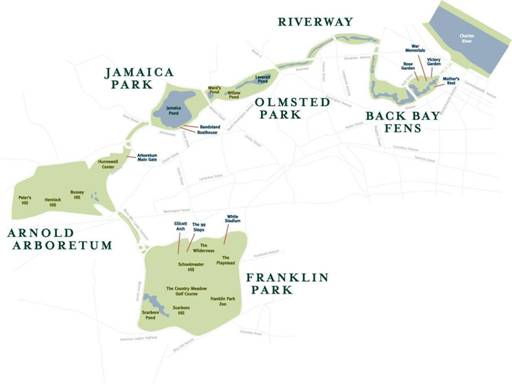
The Emerald Necklace Conservancy was created to protect, restore, maintain and promote the landscape, waterways and parkways of the Emerald Necklace park system as special places for people to visit and enjoy.

The Conservancy’s programs and funding support and complement initiatives by the Commonwealth of Massachusetts, City of Boston and Town of Brookline who began the Necklace’s restoration in the 1980s.

Riverway_2___

Our programs focus on:

  • parks restoration and maintenance
  • public education including presentations, exhibits and publications
  • constituency-building and park advocacy
  • volunteer and other activities which promote parks stewardship
  • improvement of public access to and through the park system, among other activities.

A public-private partnership, the Conservancy was formed in 1996 and incorporated in 1998 as a non-profit organization. Our organization brings together government, business, residential and institutional representatives, community leaders and organizations, and environmental and park advocates in support of the Olmsted legacy. President Julie Crockford and the staff work closely with the Board of Directors, the Park Overseers (representing all of the parks and friends groups within the Emerald Necklace), the Stewardship Council, and hundreds of volunteers to accomplish our mission.

Join us in the continued renewal of an historic landscape, and an environmental and cultural treasure that is:

  • a place to join together in celebration
  • a backyard for our children
  • a special wildlife habitat
  • a boost to our area’s economy
  • a source of serenity and renewal

Emerald_Necklace_Map___

Hopeline registration with the Boston Youth Fund is closed for the year, but students ages 15 – 17 that are interested in becoming members of the Green Team can still apply through the Emerald Necklace Conservancy.

Please see the Green Team page for more information about the 2008 program.

These are paid positions. You will be expected to work 25 hours a week and attend work every day of the program unless excused. Once again you must be between the ages of 15 and 17.

Interested applicants should contact Kate England at kengland@emeraldnecklace.org with your:

As well as a cover letter telling us about your interest in the environment and the Green Team.

Please feel free to contact Kate England at the Conservancy with any questions.

Kate England
891 Centre Street
Jamaica Plain, MA 02130
617-522-2700
kengland@emeraldnecklace.org

Green_Team_Group_Picture

WWW.EMERALDNECKLACE.ORG


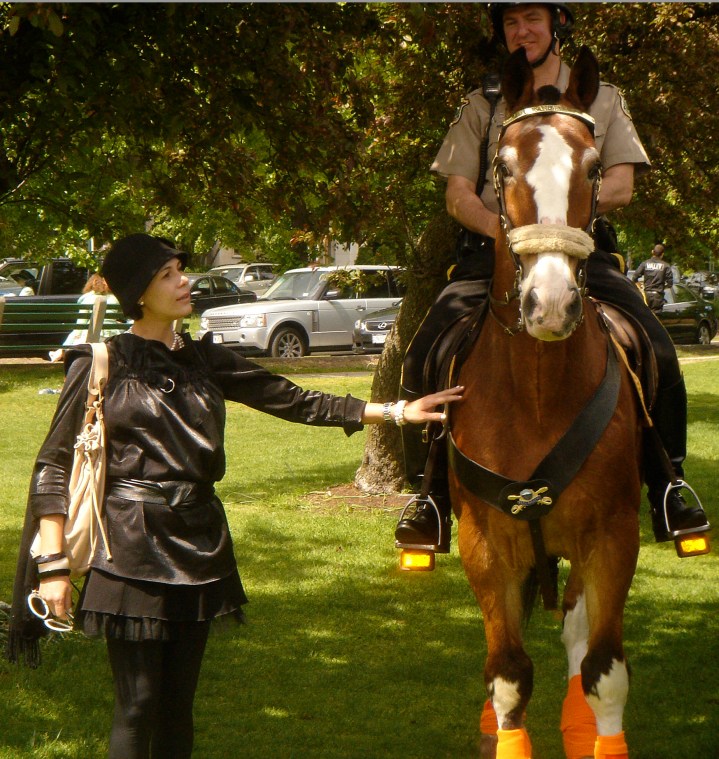
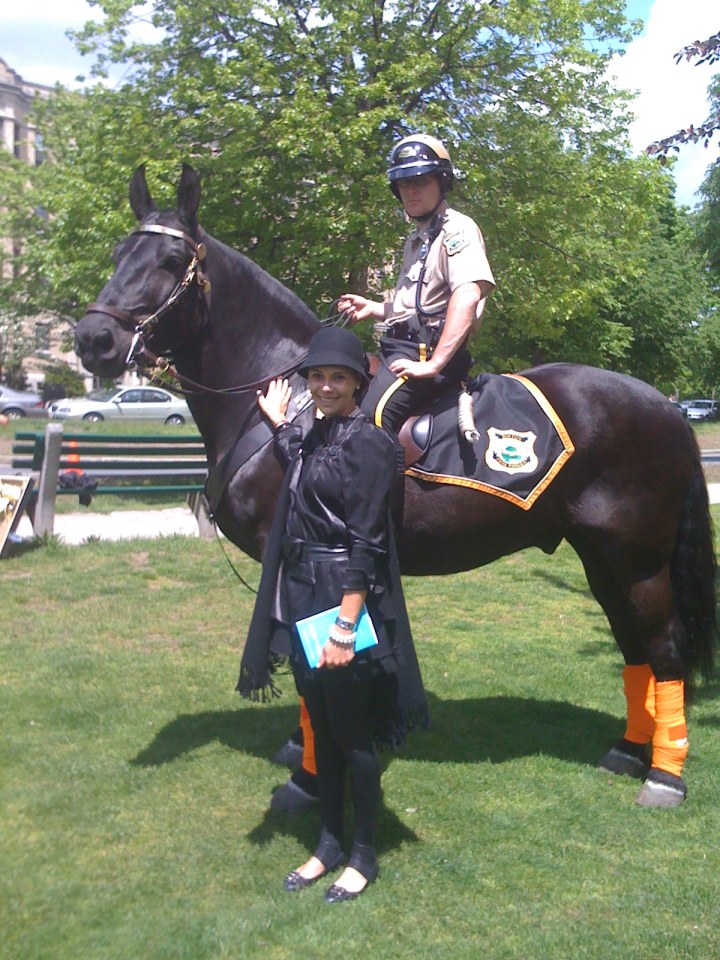
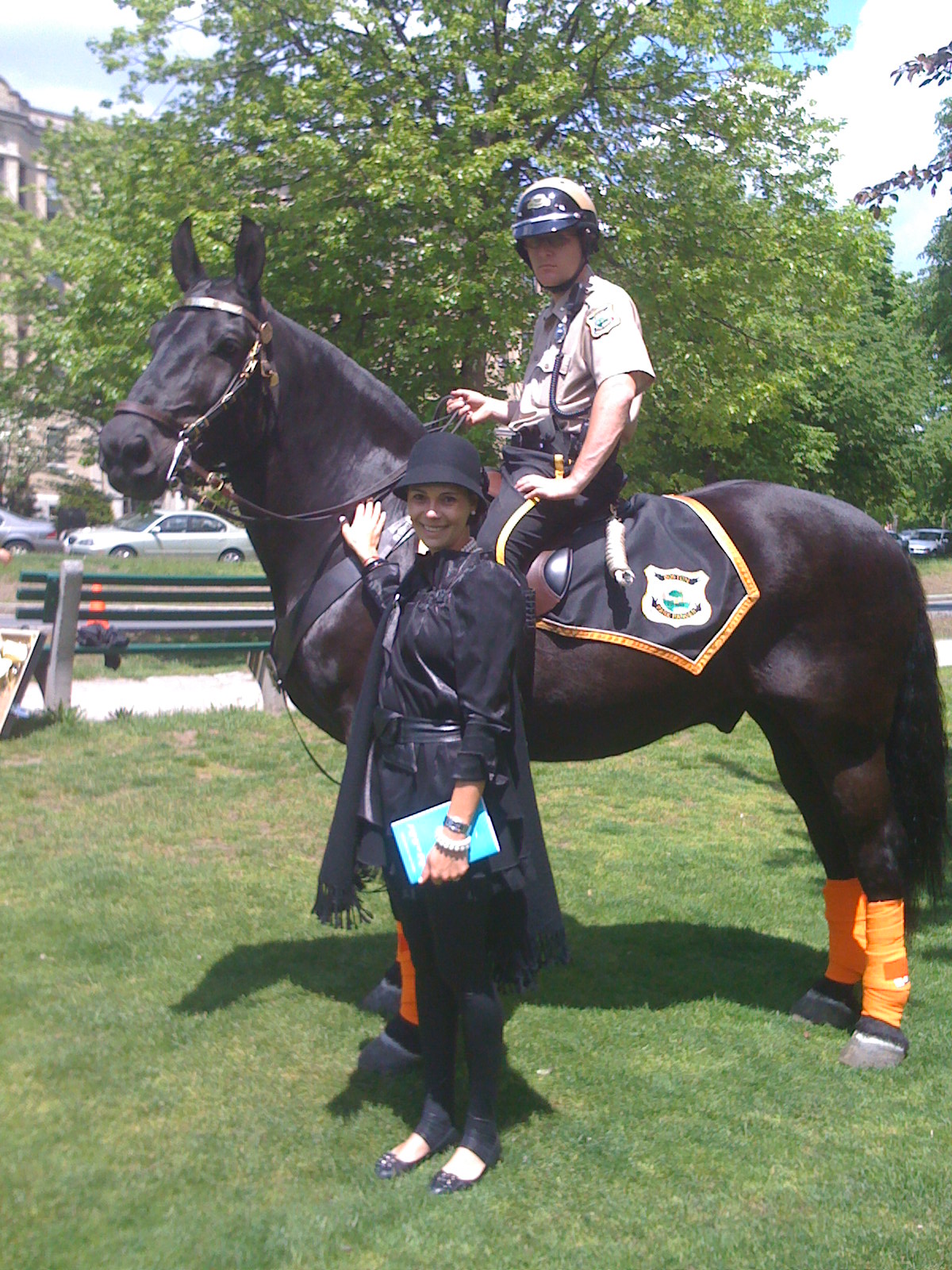
*Beautiful flowers and great food. I have to confess the Police Horses took my attention. They were the Starlight of the event for me. We have to support the future of Horses, by keeping the Emerald Necklace Alive. The Emerald Necklace was created to protect, restore, maintain and promote the landscape, waterways and parkways but the most important are the Bridle Paths. Support the Emerald Necklace Conservancy and ensure that the landscape, Bridle Paths and waterways are maintained for years to come.

Too much, clutter all I could see was Hats. All together Visual Pollution. Please Ladies. “Less is more” a basic phrase.

DANA FARBER

dana farber

The mission of Dana-Farber Cancer Institute is to provide expert, compassionate care to children and adults with cancer while advancing the understanding, diagnosis, treatment, cure, and prevention of cancer and related diseases. As an affiliate of Harvard Medical School and a Comprehensive Cancer Center designated by the National Cancer Institute, the Institute also provides training for new generations of physicians and scientists, designs programs that promote public health particularly among high-risk and underserved populations, and disseminates innovative patient therapies and scientific discoveries to our target community across the United States and throughout the world.

History

In 1947, the late Sidney Farber, MD, founded a Children’s Cancer Research Foundation dedicated to providing children with cancer with compassionate, state-of-the-art treatment and simultaneously developing the cancer preventatives, treatments, and cures of the future. The Institute officially expanded its programs to include patients of all ages in 1969, and in 1974 became known as the Sidney Farber Cancer Center in honor of its founder. The long-term support of the Charles A. Dana Foundation was acknowledged by incorporating the Institute under its present name in 1983.

Today, the Institute employs about 4,000 people supporting more than 200,000 patient visits a year, is involved in some 600 clinical trials, and is internationally renowned for its blending of research and clinical excellence. The Institute’s expertise in these two arms of the fight to eradicate cancer uniquely positions it to bring novel therapies that prove beneficial and safe in the laboratory setting into clinical use.

Dana-Farber Cancer Institute is a principal teaching affiliate of Harvard Medical School, a federally designated Center for AIDS Research, and a founding member of the Dana-Farber/Harvard Cancer Center (DF/HCC), a federally designated comprehensive cancer center. Providing advanced training in cancer treatment and research for an international faculty, the Institute conducts community-based programs in cancer prevention, detection, and control throughout New England, and maintains joint programs with other Boston institutions affiliated with Harvard Medical School and the Partners Health Care System, including Brigham & Women’s Hospital, Children’s Hospital, and Massachusetts General Hospital.

Dana-Farber Cancer Institute is supported by the National Cancer Institute, the National Institute of Allergy and Infectious Diseases, and the generous support of numerous foundations and individuals, who contribute to the Institute’s individual research and clinic programs or to the Jimmy Fund, the principal charity of the Institute named for one of its child patients.

http://www.dana-farber.org 


THIRD EYE BLIND


jt5

BRAD HARGREAVES lives in the Hollywood Hills, enjoys learning new things, and has a powerful Dachshund named Shelby. They are both secretly slipping off the world.

shelby 3eb drum

Shelby


The Band

Beginnings (1993–1996)

Third Eye Blind recorded their first demo in 1993. The band gained major label attention after their second demo was released in 1995, including that of Clive Davis, who invited the band to perform a showcase for Arista Records in New York City. During Third Eye Blind concerts at the time, it was customary for the band to have a piñata release candy above their mosh pits, yet at the showcase for the record executives, lead singer Stephan Jenkins released live crickets from the piñata instead.With regard to the name of the band, Jenkins indicated during a radio interview that the name came from the metaphysical idea of a mind’s eye, a topic of a book he had read. The other group members liked it and chose it as the official name. In the past, Stephan Jenkins has also joked about a Ouija board and vodka being the sources of the name. In April 1996, after Jenkins had challenged Epic Records executive Dave Massey in a meeting, the band landed an opening gig for Oasis at the San Francisco Civic Auditorium. In an unlikely scenario for an opening act, the band was invited back for an encore after playing their initial set and was paid double by the concert promoter.In addition, Stephan Jenkins’ production of The Braids’ cover of Queen‘s “Bohemian Rhapsody” gained major-label attention. Afterwards, the band found themselves in a bidding war among record labels, and after a showcase in Los Angeles, signed with Sylvia Rhone of Elektra Records because they believed it offered the most artistic freedom.

Ursa Major and Ursa Minor (2009)

Third Eye Blind has announced a fourth studio album titled Ursa Major. The album has been anticipated since mid-2007 and was previously expected to be named The Hideous Strength.  The current scheduled date as given by Stephan Jenkins is June 2009.  The album will be produced under the Sony label. Jenkins has stated that this album will be “more political” than previous Third Eye Blind works.Jenkins said the fourth album has taken so long to complete because he experienced difficulty finishing the lyrics.

Also announced recently is a possible fifth album titled Ursa Minor, that may be released following Ursa Major. Jenkins said that Ursa Minor will consist of tracks that did not make the cut for Ursa Major. Leo Kremer, who has been filling in for Arion Salazar during recent shows is going to be playing his last time with the band after they tour Japan this Summer. Ari Ingber, from band The Upwelling, co-wrote “Break Like a Fever” with Jenkins, a new track from Ursa Major. John Evans (Vanessa Carlton) and Juan Alderette (The Mars Volta) will reportedly take over bass duties for the recording of this next album, according to Tony Fredianelli.

The first single from the album, “Non-Dairy Creamer”, was released in November 2008. This song was released as an Internet exclusive track on the digital EP Red Star.

A number of previously unreleased recordings were made available on Facebook and MySpace, including “Persephone”, “Carnival Barker” (an instrumental), and numerous instrumental sessions declined by Jenkins for inclusion on the fourth album.

For the 10th anniversary of the release of Third Eye Blind’s debut album, the band performed at the Fillmore on March 13 and 14. The shows were filmed for broadcast on HDNet on December 2, as well as normal broadcast and release on DVD and as a live album tentatively to be released in early 2008, as announced by Jenkins on November 9, 2007, on DC101’s “Elliot In The Morning”. However, at a concert in Newport, Kentucky in February, Jenkins announced a live cd was being recorded that evening.

Between April and November 2007, Third Eye Blind toured extensively throughout the US, playing dozens of sold-out shows as a build-up for the release of their new album. They played 2 shows with 1990s acts Counting Crows and Collective Soul during the summer of 2007. Their Fall 2007 tour consisted of nine shows, beginning on November 9, at the University of Maryland College Park (which sold out the presale and general sale in a matter of hours), and ending on November 18 at the University of Rhode Island Ryan Center. The band also toured in the winter of 2007, and played numerous shows in 2008. Several performances on the tour were recorded for possible use on a future live album.

Towards the end of September 2008, Third Eye Blind released the song “Non-Dairy Creamer” to fans. It was released as six individual tracks (lead vocal, background vocal, drums and clap, bass, guitars, and violin) as a competition for fans to remix the song for Third Eye Blind. On October 16th, the day that the “Non-Dairy Creamer” contest ended, another song “Don’t Believe a Word”, was released in stem format, again for the purpose of remixing the song. On November 6th the stems for “Red Star” were released to Indaba users. The winner for “Don’t Believe a Word” was chosen on the 23rd of November and the voting for “Red Star” started shortly after that on the 27th of November. The voting ended sometime in December after getting pushed back a few times. Ultimately, the band Third Eye Blind will pick their favorite submissions for each song and a grand prize winner will get the opportunity to perform live on stage with Third Eye Blind. The winner of each song will have their version released on an alternate mix album, which will be included as a companion digital album to the band’s own release of Ursa Major. Contestants get to vote for their favorite submissions and the top 3 of each contest will receive an autographed copy of the album when it is released.

An EP titled Symphony of Decay has also been completed. The band reportedly has a contractual obligation to deliver the EP.

www.3eb.com

COMMUNITY BOATING

5

Copyright © 2009 ADRIANA SASSOON .All Rights Reserved.

LEARN ABOUT SAILING ON THE CHARLES RIVER AT COMMUNITY BOATING INC. (CBI). Sailing on the Charles River is without a doubt one of those iconic Boston experiences and it has never been easier to get started. Join CBI . Open House to learn more about Boston’s greatest resource for sailing, windsurfing, and kayaking.

Complimentary Orientations, Rigging classes, or Shore School, and meet the staff and some of the dedicated volunteer instructors.CBI serve light refreshments. The adult full year membership cost only $240 and includes use of boats, equipment and all classes.

For the experienced dinghy sailor they have a great fleet of 420s, Lasers, and windsurfers and a full summer schedule of racing and advanced clinics.

 Copyright © 2009 ADRIANA SASSOON .All Rights Reserved.


WWW.COMMUNITY-BOATING.ORG


BOSTON BY BICYCLE

Boston area transit advocates are livid over the state’s attempts to weasel its way out of commitments made two decades ago to expand public transit as a requirement for building the $15 billion dollar central artery highway. Fred Salvucci, the former state transportation chief who championed the Big Dig, recently told the Boston Globe, “We always knew that this thing would create a very brief improvement and things would recongest if we did not improve public transportation.” Bicycling and pedestrian advocates, too, are disappointed that little money and attention has been allocated to their modes.

Advocates for safer road conditions for cyclists and the creation of off-road bicycle paths in Boston feel they have had limited success over the past several decades. “Bicyclists are a tiny minority of transportation mode users. We cannot rely on our numbers alone, rather on having the public and decision-makers realize that the entire community benefits when other modes of transportation receive necessary funding,” says Doug Mink, long time Boston bicycle advocate and MassBike Board member. In rethinking a strategy toward making Boston a more bicycle-friendly city, Mink believes that, “success requires proven coalitions with other groups, such as health and parks advocates, and acting opportunistically on as broad a field of issues as possible.”

Contemporary bicycle advocacy was born with the oil crisis and surge of environmentalist activity in the 1970s. Concerns were over the reliance on oil from governments we would rather not support, automobile pollution, and urban sprawl. Also touted were the positive benefits bicycling brings to health and community noting that a significant number of trips in Boston are under 5 miles. Early on, cyclists were simply fighting for their right to share the road. In 1990, an average of only $2 million out of an approximate $400 billion in Federal transportation funds were spent each year nationwide on bicycle and pedestrian projects, and only a handful of states and cities had bicycle coordinators.

Today, cycling has entered the mainstream of transportation planning concepts, at least as far as words and potential funding are concerned. After decades of highway-only federal spending, in 1990 the Federal Highway Administrator described bicycling and walking as “the forgotten modes” of transportation. For the first time, U.S. Department of Transportation adopted a national transportation policy to “increase use of bicycling, and encourage planners and engineers to accommodate bicycle and pedestrian needs in designing transportation facilities for urban and suburban areas.” 1998’s Transportation Equity Act for the 21st Century (TEA-21) allows states to apply for federal transportation dollars for a variety of modes, including biking, public transit and pedestrian facilities. By 2003, Federal spending on bicycle and pedestrian improvements reached over 400 million dollars per year. Tim Blumenthal, Executive Director of Bikes Belong, a bicycle industry group, is optimistic. “The past two years of strategic advocacy may result in the next Federal Transportation Authorization bill including twice the funding for bicycle facilities and programs,” he asserts.

At the local level, several cities such as London, Bogotá, and Chicago have emerged as visionary leaders in integrating bicycling into transportation policy, in partnership with hard-working bike advocate organizations. Chicago’s ambitious, multi-million dollar program with a staff of six has established 100 miles of new bike lanes, installed 10,000 bike racks, and will be installing 100 miles of signed bike routes in 2005. “My goal is to make the City of Chicago the most bicycle-friendly city in the U.S.” asserts Richard Daley, Mayor of Chicago. Their new Millennium Park Bicycle Station offers free indoor secure bike parking, showers, lockers, bike rentals, tours, snack bar, and repair shop. “We’re not telling people to get out of the car, but we’re trying to provide incentives and encouragement to make the city more bicycle-friendly,” says Ben Gomberg, the city’s bicycle program coordinator.

Bostonians want more opportunities to bicycle. According to a January 2005 report, part of MetroFuture: Making a Greater Boston Region, a project of the Metropolitan Area Planning Council (MAPC), support for bicycle commuting was identified in a list of most critical issue facing Metropolitan Boston today. “We found that in nearly every community, people see a need for more sidewalks and bike paths to get around safely without a car,” says Tim Reardon, a Regional Planner at MAPC. “And when people talk about dealing with the region’s transportation problems, they don’t talk about new highways and wider roads–they talk about transit, bike paths, and walkable communities.” And with its compact nature and existing greenway bike paths, Boston is ripe for increased bicycling for transportation and recreation.

Founded in 1977, the Boston Area Bicycle Coalition became a statewide advocacy group in 1993 and changed its name to MassBike in 1998. Dorie Clark, MassBike’s executive director, says they are working on state-wide issues that have an impact on local bicycling advocacy. “We are actively involved in the State Highway Manual redesign which will bring modern standards into the document, last updated in the 1960s, that guides every new and reconstructed roadway in the Commonwealth,” Clark says.

“However,” says Jeffrey Ferris, Boston bicycle shop owner and activist, “MassBike’s focus on statewide bicycle issues has left a noticeable void in organized local Boston-area bicycle advocacy.” In 2001, the Boston Transportation Department, in collaboration with the Mayor-appointed Boston Bicycle Advisory Committee, published the “Boston Bicycle Plan” as part of the city 2000-2010 transportation plan. Sadly, four years later, few of the plan’s key recommendations have been implemented. There is currently no Bicycle Program Manager and no Interdepartmental Bicycle Task Force. To its credit, the City has adopted a bicycle parking ordinance to ensure adequate bicycle parking facilities in new buildings, but without adequate enforcement provisions.

In late January, Mayor Thomas Menino convened a high-level meeting to announce his support for the upcoming Boston Bicycle Festival, planned for Sunday October 2, 2005. This suggests a “renewed effort in giving bicycling legitimacy within City government,” says Steve Miller, Festival Director. Boston City Councilor Hennigan held a public hearing in November 2004 on the importance of reinstituting a Bicycle Program Manager. A newly formed organization called the Boston Bicycle Planning Initiative (BBPI) gave a coordinated formal testimony to a packed audience at the hearing, and is spearheading follow-up advocacy in collaboration with MassBike, Bikes Not Bombs, and WalkBoston.

But what can this new bike advocacy attempt do differently to get city officials to take bicycling seriously? New York’s advocacy group Transportation Alternatives appeals to a wider car-alternative audience by working toward “better bicycling, walking and public transit, and fewer cars; safer, calmer neighborhood streets and car-free parks.” “But Bike advocates don’t win by themselves,” says Noah Budnick, Projects Director of Transportation Alternatives and Board Member of Thunderhead Alliance, a national coalition of bicycle and pedestrian advocacy organizations. “Bike advocates and parents and health professionals and park users and businesses and block associations win when they work together.”

Bikes Not Bombs helped create and is on the steering committee of “On the Move: Greater Boston Transportation Justice Coalition,” a two-year old group consisting of 50 community organizations focusing on improved transportation services in low-income neighborhoods and communities of color. The advocacy group BBPI has been pushing the message of “Complete Streets,” arguing that all road users must accommodated, including handicapped, transit users, pedestrians, bicyclists, and automobiles. “The incremental costs of bike, pedestrian, and traffic calming measures are very low when considered during routine road redesign,” says Larry Slotnick, BBPI board member.

Groundwork Somerville, a group working toward healthier, greener neighborhoods, leads the Somerville Active Living by Design Partnership. With a grant from the Robert Wood Johnson Foundation, the Partnership supports the completion of the Somerville Community Path to Boston and sponsors urban cycling skills workshops in collaboration with MassBike. “People are more likely to be physically active if the exercise happens naturally in daily routines, for example walking up stairs or bicycling to work,” says their Executive Director Jennifer Hill. “That’s why the Partnership includes bike advocates, City planning agencies, and social service and public health agencies, to bring together the people who can make those changes happen.” With funding from the Center for Disease Control, Boston Public Health Commission’s new “Boston STEPS” program aims to reduce the burden of diabetes, asthma, and obesity for residents in seven Boston neighborhoods, and “bike advocates are urging them to develop programs to increase bicycling among their target populations,” says Mink.

BNB’s former Transportation Organizer, Mira Brown, says the challenges before bike advocates are formidable, but exciting. “We cyclists, have to get the entire community to realize that everyone benefits from improved cycling facilities, in combination with more walkable streets and better public transportation. To do this, cyclists have to listen a lot more to our natural allies – transit users and people stuck in cars they really can’t afford or don’t want. Then we have to work together in a diverse movement to force the city, state and federal governments to allocate transportation dollars wisely.”

6

7 

REFERENCED LINKS

MassBike
http://www.massbike.org

History of Boston Area Bicycle Coalition
http://www.massbike.org/groups/massbike/babchist.htm

City of Boston Bicycle Plan
http://www.cityofboston.gov/accessBoston/bicycle.asp

Boston Phoenix Article (May 2004) on loss of Boston’s Bicycle Program Manager
http://www.bostonphoenix.com/boston/
news%5Ffeatures/top/features/documents/03806097.asp

Boston Bicycle Festival
http://www.bostonbikefestival.org

Boston Bicycle Planning Initiative (BBPI)
http://www.bikethehub.org

BALLET RUSSES

“Ballet Russes” by August Macke, 1912

The Ballets Russes (French for The Russian Ballets) was an itinerant ballet company which performed under the directorship of Sergei Diaghilev between 1909 and 1929. Some of their places of residence included the Théâtre Mogador and the Théâtre du Châtelet, though they worked in many countries, including England, the U.S.A., and Spain. Many of its dancers originated from the Imperial Ballet of St. Petersburg. Younger dancers were trained in Paris, within the community of exiles after the Russian Revolution of 1917. The company featured and premiered now-famous (and sometimes infamous) works by the great choreographers Marius Petipa, Michel Fokine, Bronislava Nijinska, Leonide Massine, Vaslav Nijinsky, and a young George Balanchine at the start of his career.

Ballet Russes poster, 1911

It created a huge sensation around the world, altering the course of musical history, bringing many significant visual artists into the public eye, and completely reinvigorating the art of performative dance. The Ballets Russes was one of the most influential theatre companies of the twentieth century, in part because of its ground-breaking artistic collaboration among contemporary choreographers, composers, artists, and dancers. Its ballets have been variously intepreted as Classical, Neo-Classical, Romantic, Neo-Romantic, Avant-Garde, Expressionist, Abstract, and Orientalist. The influence of the Ballets Russes lasts to this day in one form or another.

After Diaghilev’s early death in 1929, the dancers were scattered, and the company’s property was claimed by creditors. Colonel Wassily de Basil and his associate René Blum revived the company under the name Ballets Russes de Monte Carlo. George Balanchine and Leonide Massine worked with them as choreographers, and Tamara Toumanova as a principal dancer. De Basil and Blum argued constantly, so Blum founded another company under the name Original Ballet Russe.

During World War II the Ballets Russes de Monte Carlo toured extensively in the United States. When dancers retired and left the company, they often founded dance studios in the United States or South America, or taught at other dancers’ studios. With Balanchine’s founding of the New York City Ballet, many former Ballet Russes de Monte Carlo dancers went to New York to teach.

The Original Ballet Russe toured mostly in Europe. Its alumni were influential in teaching classical Russian ballet technique in European and British schools.

The Serge Lifar collection of Ballets Russes costumes and other memorabilia is on display at the Wadsworth Atheneum in Hartford, Connecticut.

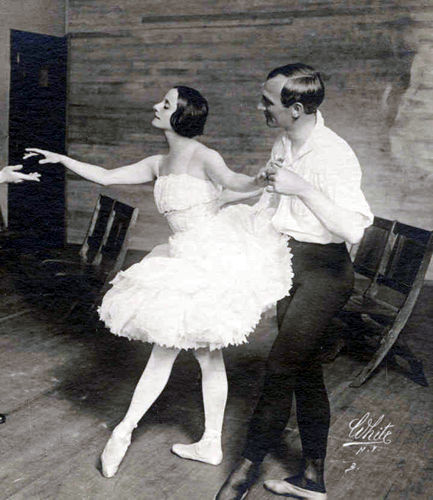
Two of the male stars of Diaghilev’s Ballets Russes in 1909 were Adolph Bolm (1884-1951) and Mikhail Mordkin (1880-1944). Bolm was a student at the Imperial School in St. Petersburg and Mordkin was trained at the Bolshoi, in Moscow. They both joined Diaghilev for his Paris season as leading dancers although they ranked above Nijinsky. Diaghilev made sure that the press wrote more about his young favorite.

mordkin_mikhail

Mikhail Mordkin graduated from the Bolshoi Ballet School in 1899, and in the same year was appointed ballet master. He joined Diaghilev’s ballet in 1909 as a leading dancer. After the first season he remained in Paris to dance with Pavlova. He then formed his own company, All Star Imperial Russian Ballet, which toured America in 1911 and 1912. Mikhail returned to the Bolshoi and was appointed its director in 1917. He left Russia after the October Revolution, first working in Lithuania, and finally settling in the United States in 1924. He founded the Mordkin Ballet in1926, for which he choreographed a complete Swan Lake and many other ballets. His company included such distinguished artists as Hilda Butsova, Felia Doubrovska, Pierre Vladimiroff, and Nicholas Zvereff. After a European tour the company disbanded in 1926. Mordkin continued to be a freelance artist and teacher. From among his students in America he formed a new Mordkin Ballet in 1937, the forerunner of Ballet Theatre (now American Ballet Theatre). His student Lucia Chase helped finance his company and after the first season of Ballet Theatre, she and Richard Pleasant took over the management from Mordkin because they thought his plans lacked ambition. Although he had been pushed into the background, Mordkin, like Bolm, helped build the foundation for ballet in America.

massine-leonide-laleggendadi-giuseppe

You may remember one of Diaghilev’s most famous dancers, Leonide Massine (1895-1979), because of his portrayal of the ballet master and shoemaker in the 1948 film The Red Shoes . Massine studied at the Moscow Bolshoi School, graduated in 1912 and joined the Bolshoi Ballet.

When Diaghilev fired Nijinsky after his marriage a void was left both in the ballet company, and Diaghilev’s life. Mikhail Fokine was working on a new ballet, The Legend of Joseph. While visiting in Moscow Diaghilev saw the Bolshoi Ballet, and noticed in Don Quixote and Swan Lake a handsome young man with big dark eyes who reminded him of St. George in an ikon. This was Leonide Massine not a particularly good dancer (with poorly shaped legs), but who had stage presence that would make him into a great star. Diaghilev became infatuated with Massine and persuaded him to leave the Bolshoi and join his company. It was understood that he would replace Nijinsky on and off the stage. Massine immediately began to work with the Ballets Russes’ teacher Enrico Cecchetti and was soon ready to star in Fokine’s new ballet.

Massine became an outstanding-actor dancer. Before joining the Ballets Russes, Massine had considered giving up dance and becoming an actor. He had even been offered the role of Romeo in Shakespeare’s play at the Maly Theatre in Moscow.

Massine joined the company in 1914 and by 1915 he had choreographed his first ballet for the Ballets Russes. To Diaghilev’s dismay Massine followed the same path as his predecessor and got married to the first of four wives in 1921. Diaghilev called him an ingrate, saying, “Nothing but a good-looking face and poor legs.” Massine continued to choreograph for every major company including three years as lead dancer and choreographer for the Roxy Theatre in New York City. In 1945 and 46 he formed his own company called Ballet Russe Highlights.

He was a prolific choreographer  he created 50 ballets. His greatest achievement is considered by many to be the development of the symphonic ballet as a separate art form.

To list all his ballets would take a whole page. A few are: The Good-Humored Ladies, La Boutique Fantasque, The Three Cornered Hat, Les Presages, Jeux d’enfants, and Gaîte Parisienne.

Massine was for twenty years considered the Western world’s greatest choreographer, but in later life he was overshadowed by George Balanchine .

http://ballets-russes.com

* The Ballet Rousses at Wang Theater Boston.Oh my god! I am speechless.Centenial Anniversary of Diaglev’s Ballet Company. Mikko, great job. What a surprise at the end Fire red costumes and real fire created a sensuous scenery. The illusion of 3D. A true CLASSIC.