
http://www.letagemagazine.com/you-need-a-password-to-enter-this-billionaire-party-in-miami/


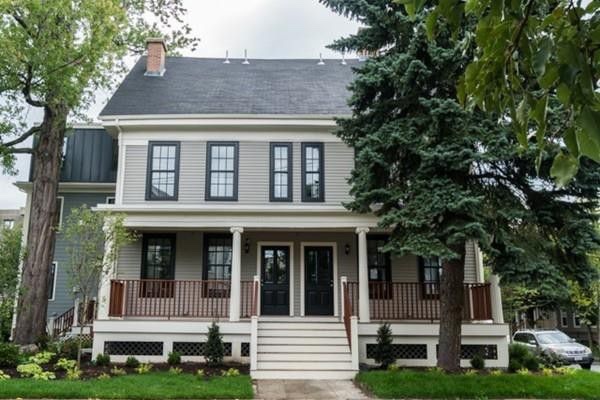
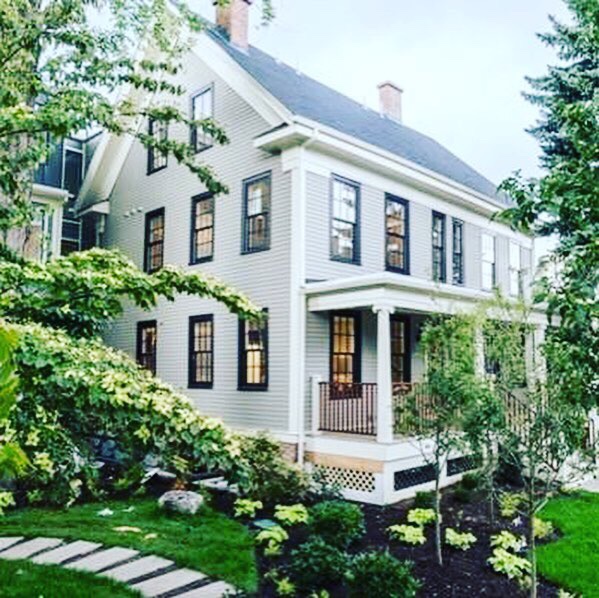

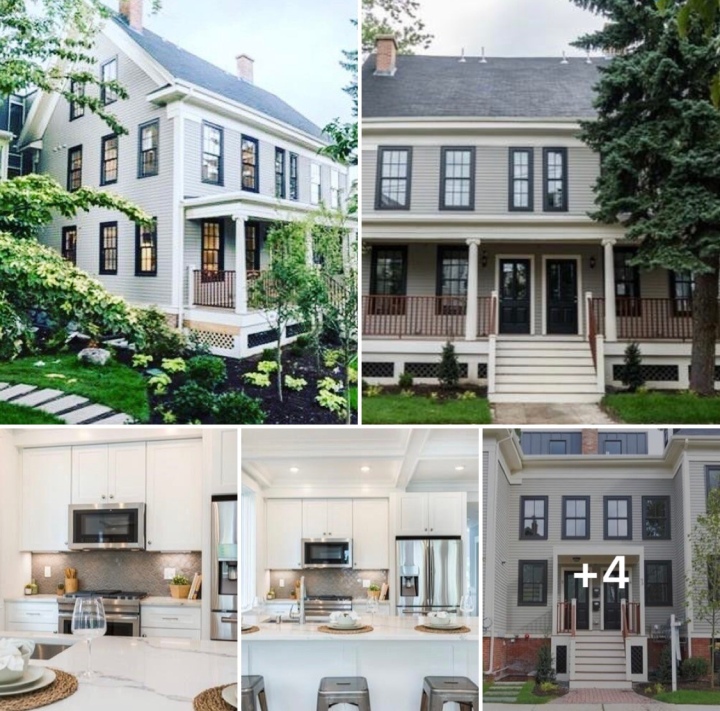


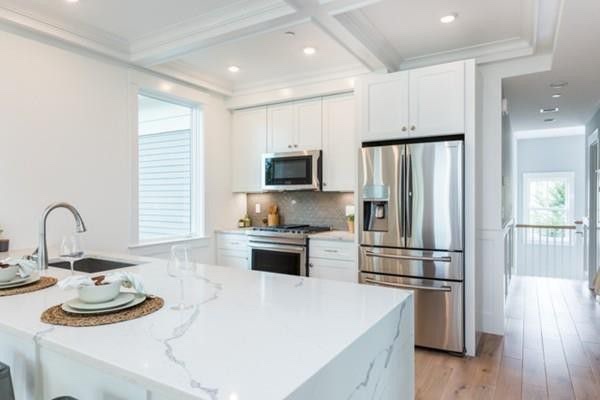


NEW CONSTRUCTION TOWN-HOUSE like CONDO!
Adriana Sassoon Design & Team at Franklin St Development LLC
Showcasing the highest attention to detail inside and out the units.
Mature professional landscaping frames the home.
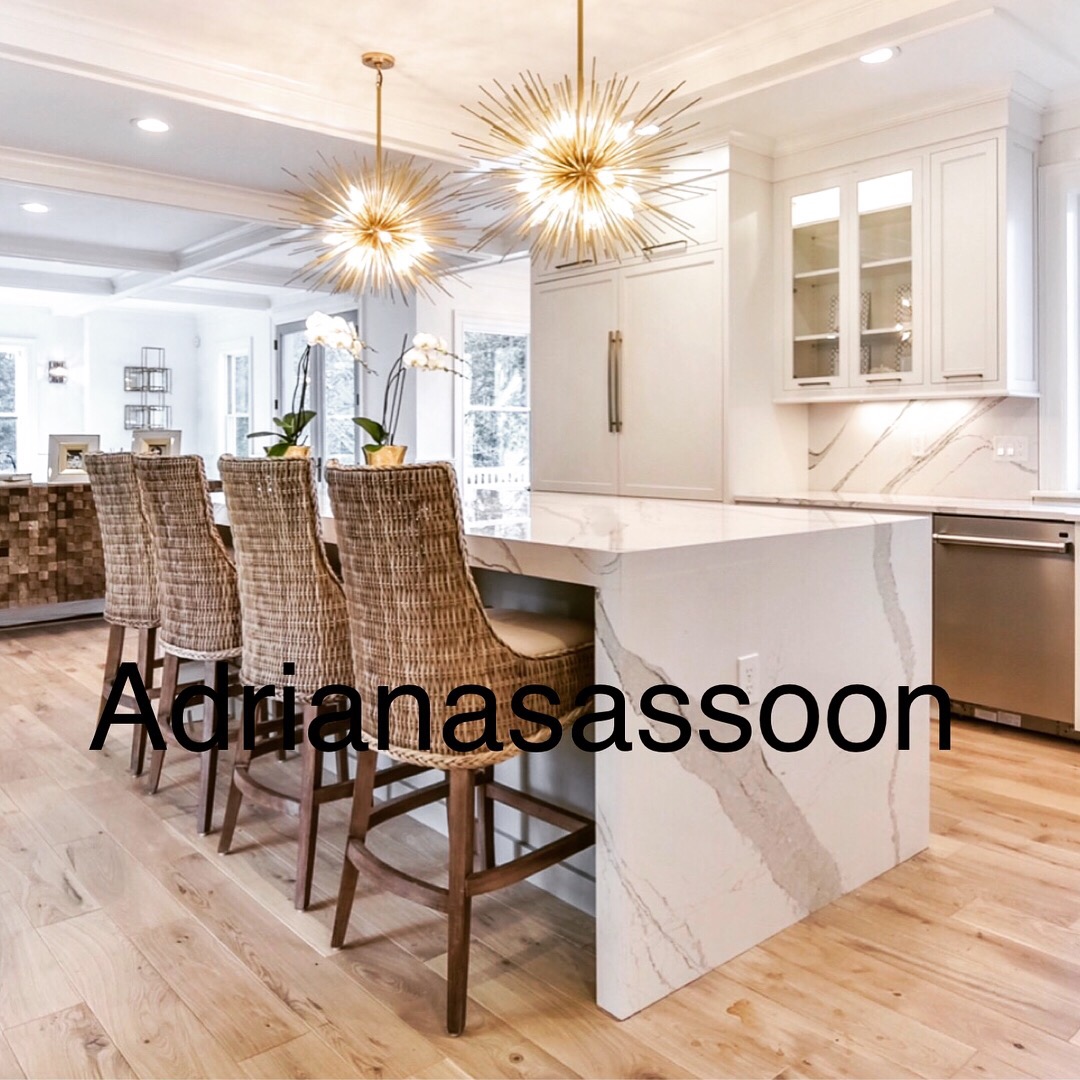
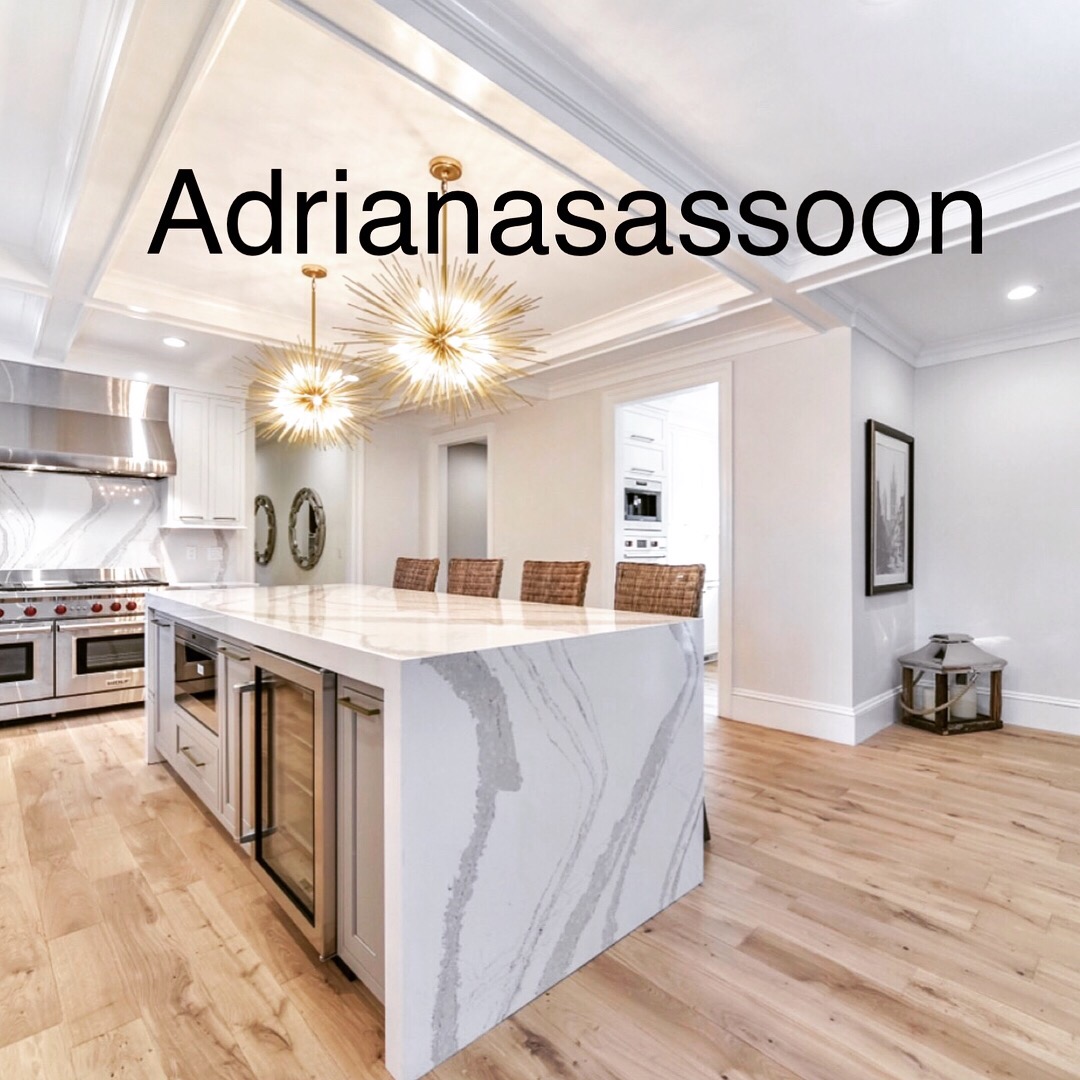
You will love the architectural detailing throughout. Coffered ceilings and wainscoting extends from the living area into the well-equipped kitchen.
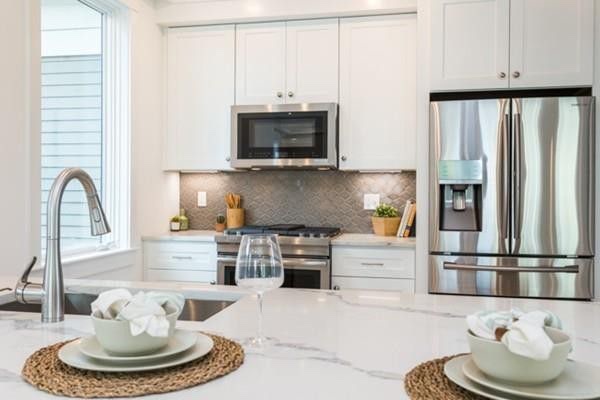
The kitchen features custom cabinetry, a granite waterfall island, and Jenn Air stainless steel appliances.
The floor plan is excellently laid out for entertaining and perfectly suits a family with its 4 levels of living and storage spaces.
You’ll love the plentiful closet space, including multiple walk-in closets.
Nestled on a corner lot, conveniently located with easy access to all major routes, .5 miles to Sullivan T and more! WELCOME HOME!
Sold By Santana Properties Team with Keller Williams Realty





LES JARDINS D’ETRETAT
Avenue Damilaville, 76790
Étretat, France
Tel: +33 2 35 27 05 76
Email: info@etretatgarden.fr
Mon-Sun 10:00am-7:00pm
ENTRANCE FEE
Adult: 8,5€
Group 20+ persons: 7,5€
Children aged 2-12: 5€ (aged 0-2: free)
Disabled visitors: 6€
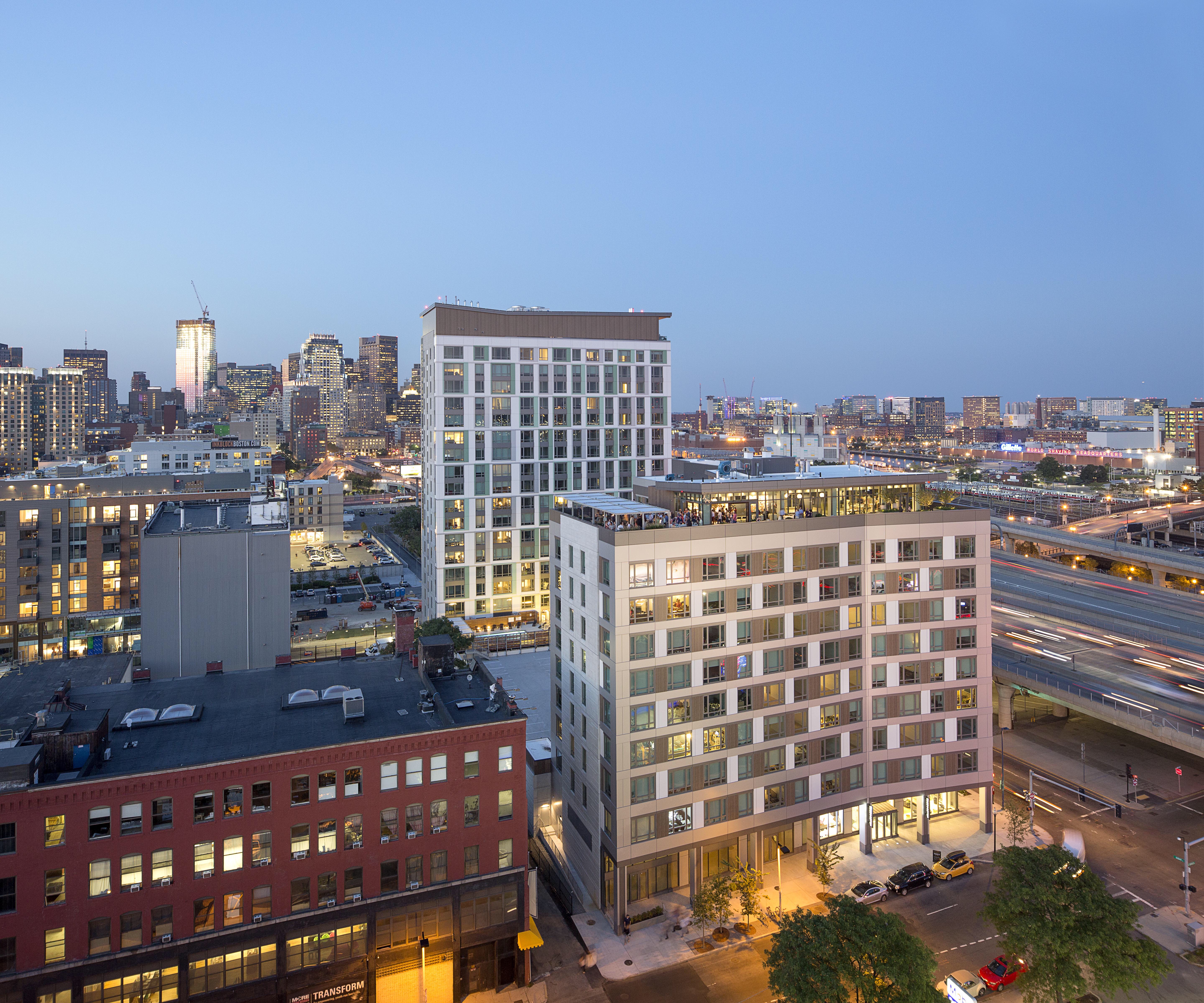
Troy Boston is a 378-unit, LEED Gold certified complex showcasing an outdoor pool, roof-top terraces, and fitness studio. Apartments feature wood floors, stone countertops, custom closets, and NEST thermostats.


Two buildings – an 11-story building on East Berkeley Street and a 19-story building on Traveler Street – comprise Troy Residences and include common courtyard and parking.
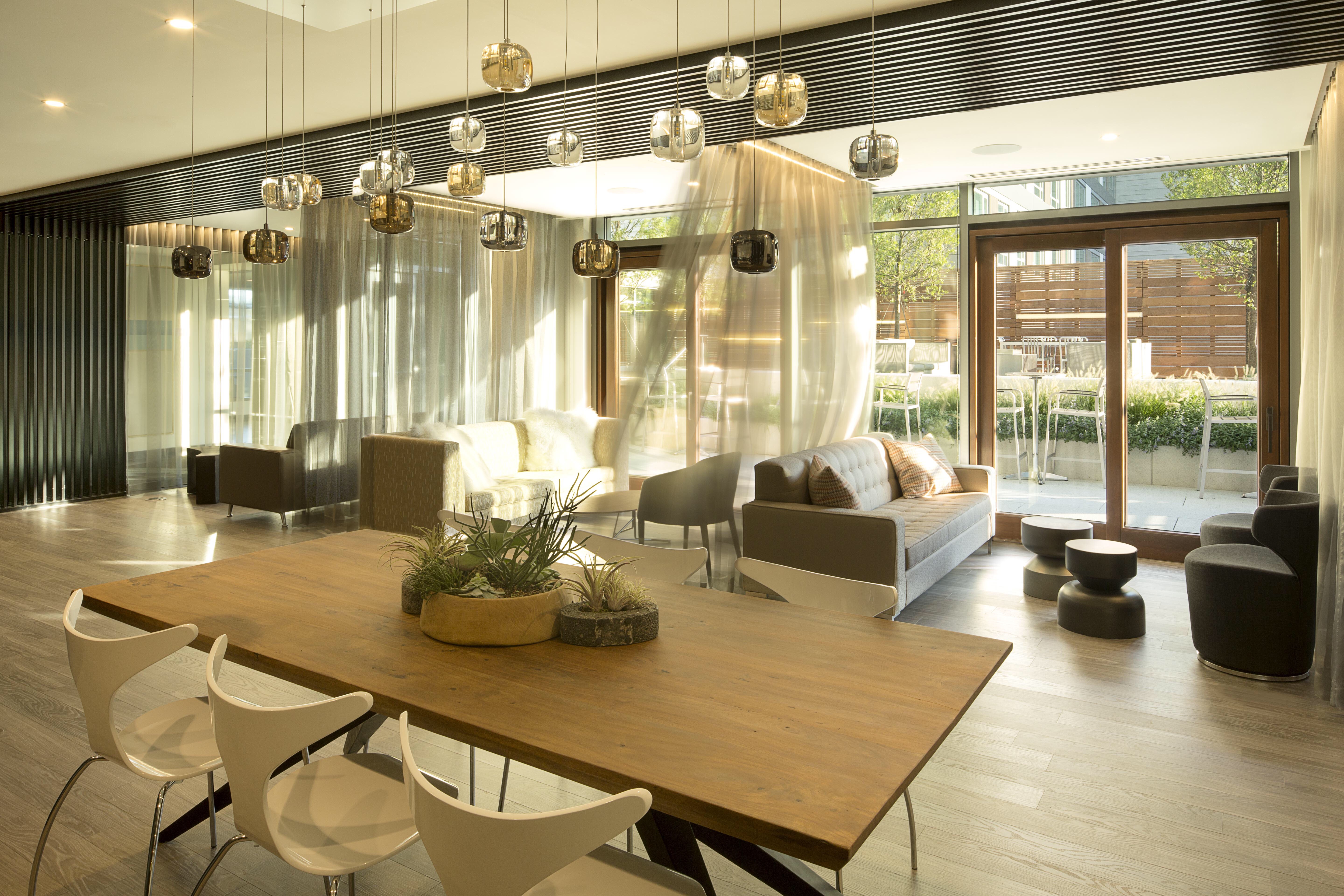
Common amenities feature rooftop terraces with barbecues and fire pits, rooftop lounge, outdoor swimming pool and cabana deck, yoga and fitness studio with cardio and resistance equipment, as well as outdoor dog run area and dog wash rooms. Luxury apartments offer wood floors, custom cabinetry kitchens with stone countertops, custom closets and in-unit washer and dryers.


SASSOON
Custom Features
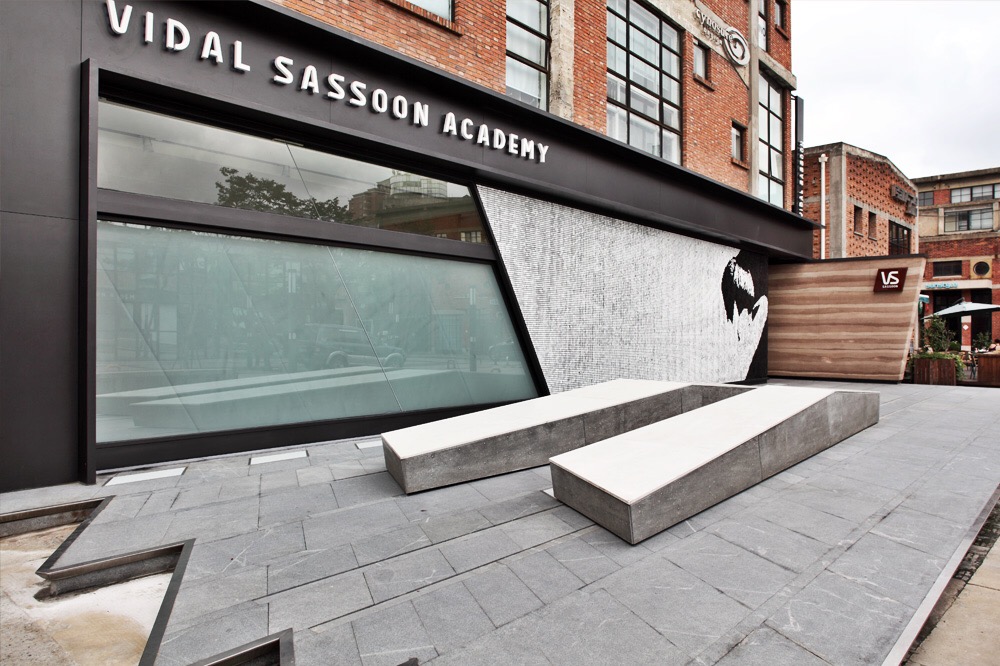
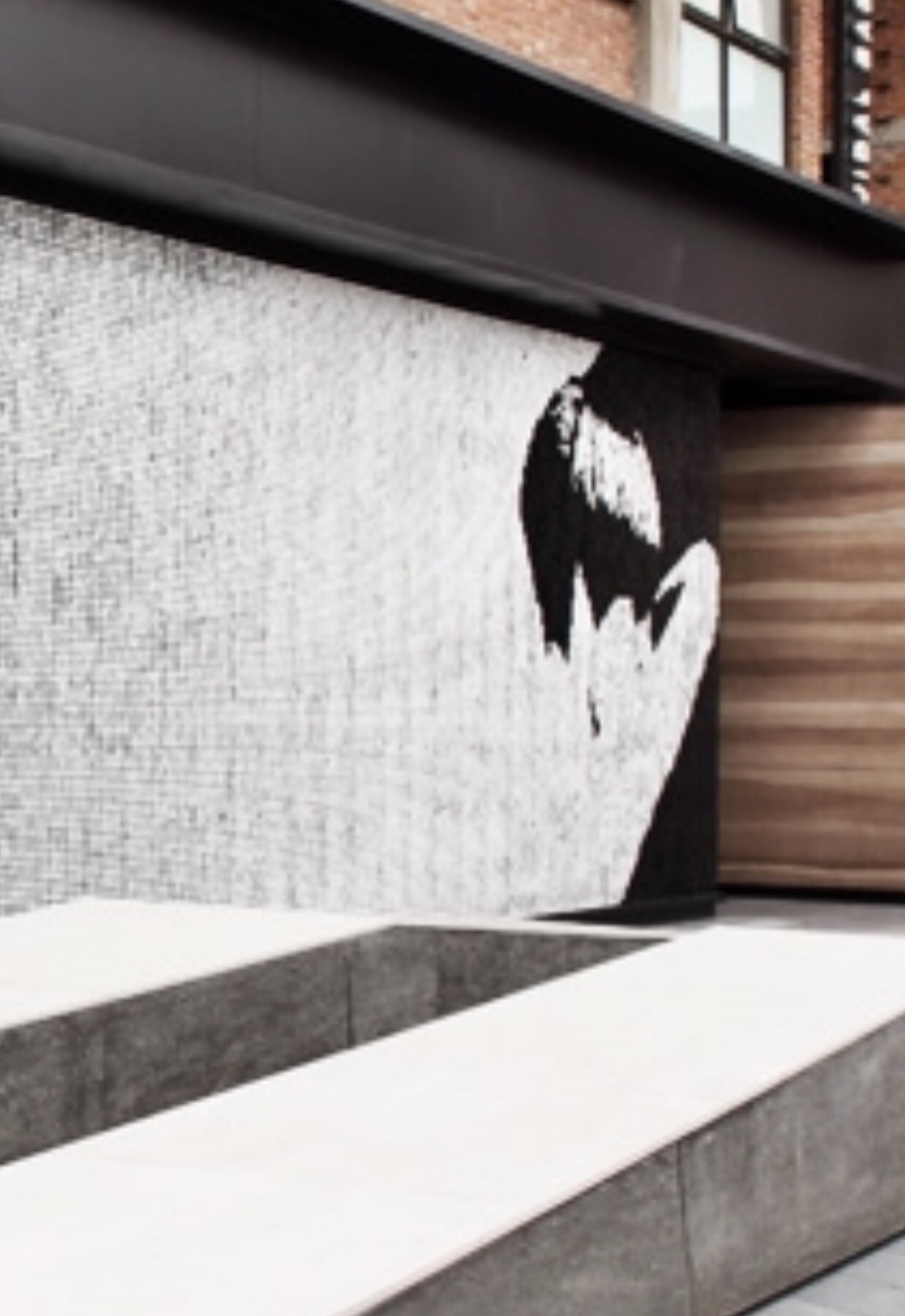
Expresses the styling concepts of shear and layers with rammed earth
Multi-colour lifts specified by the architect
Rammed earth infill for the display counters
Technical Details
Rammed earth entrance wall was constructed on an angle
Beautiful hanging stairway
Location: Shanghai, China
Architect / Designer: A00
SIREWALL Licensee: SIREWALL China



描述:
The Sassoon brand has long been at the forefront of design, starting with their roots in the Bauhaus and continuing today with their unique teaching methods and styles. The challenge of setting the Shanghai school as the new standard for China and the world was one that Sassoon took very seriously, extending it all the way into green initiatives.
True to its philosophy, A00 Architecture required that the design be able to tell its own story. Both inside and out, the project needed to express cutting edge hairstyling, innovation and ecological responsibility. In order to achieve this the Architects centred their design around the concepts of Shear and Layers; working principles that are fundamental to both Architecture and Hairstyling.
This story is most well expressed by the sheared and highly layered rammed-earth wall marking the entrance of the Academy. Projecting from the building, it serves to engage the public in Sassoon’s culture, a priority that was carried through the design of the entire facade. Next to the rammed-earth is a pixel wall that flows with the wind, mimicking the subtle shifting of hair and inviting the public to take a closer look. Finally, the remainder of the facade is a massive sliding wall which reveals an auditorium, claiming the plaza in front of the Academy as its own public stage.
Designed to accommodate 60 students and staff, the Academy is located in a refurbished steel factory and uses a simple palette of materials: earth, bamboo ply, stainless steel, and aluminium panels. Openings carved out between the spaces are used to emphasise the concept of layering, both inside and out. Similarly, compound angles reflected by dozens of mirrors reinforce the concept of shear.
Now becoming ubiquitous, low to no VOC paints and finishes were used throughout the Academy, as well as LED and CFL lighting. Additionally, the Academy pioneered the use of a grey water system to pre-treat their discharge water.
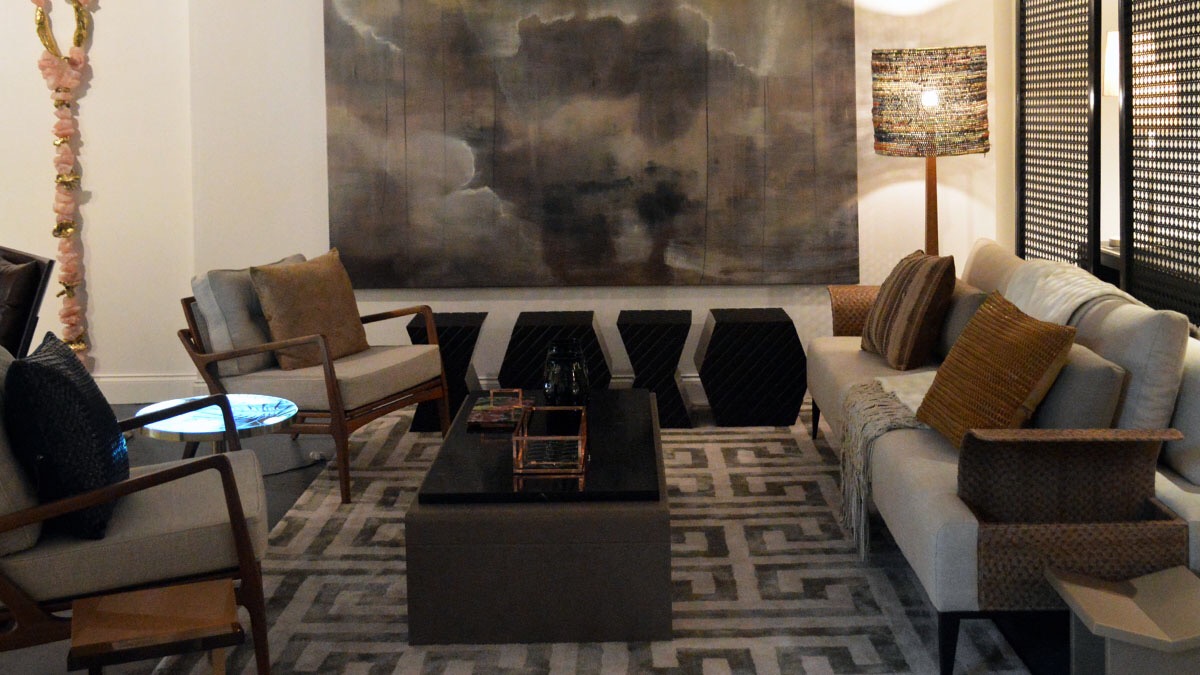


No Borders For Design (NBFD) is a furniture and décor accessories showroom of luxury Brazilian design manufacturers. It’s a multidisciplinary team in Sao Paulo and Miami that only select brands that meet the requirements of the international market. Some of the exclusive, high-end brands available in our US showroom include Empório Beraldin, Luhome, Mac Móveis, Santa Monica Rugs, Silvia Heringer, Vermeil, Oliver and Effyis Design.
These are high-end brands that are sought after world-wide in upscale markets. No borders for design is prepared to thrill and energize the US Market.
The showroom is located in the Moore Building, at the Miami Design District. There you will find the most sophisticated, contemporary, and boldly designed products made in Brazil.
http://www.nbfdesign.com/



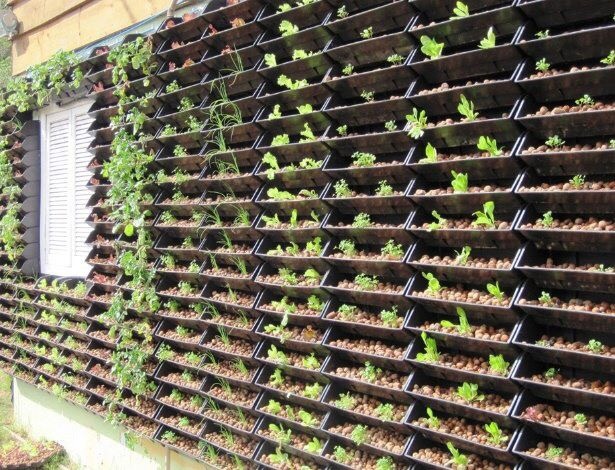
The Living green walls are panels of plants, grown vertically using hydroponics, on structures that can be either free-standing or attached to walls. Living green walls are also referred to as vertical gardens, green walls, living walls or ecowalls.
When and where was the living green wall invented?
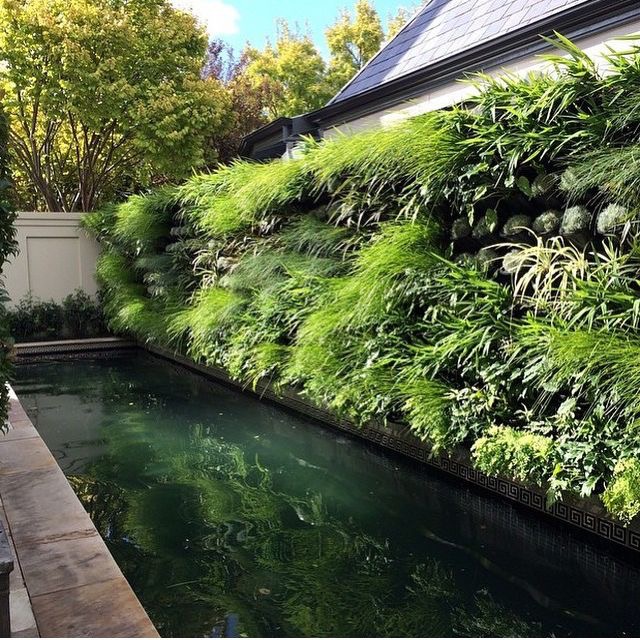
This amazing idea for living green walls was first patented by Stanley Hart White in 1938, however it is Patrick Blanc’s name that resounds through the industry. After creating one of the most famous green walls at the Musee du Quai Branly in Paris, he was designated the godfather of the ‘vegetal wall’, sparking a revolution in sustainable architecture.
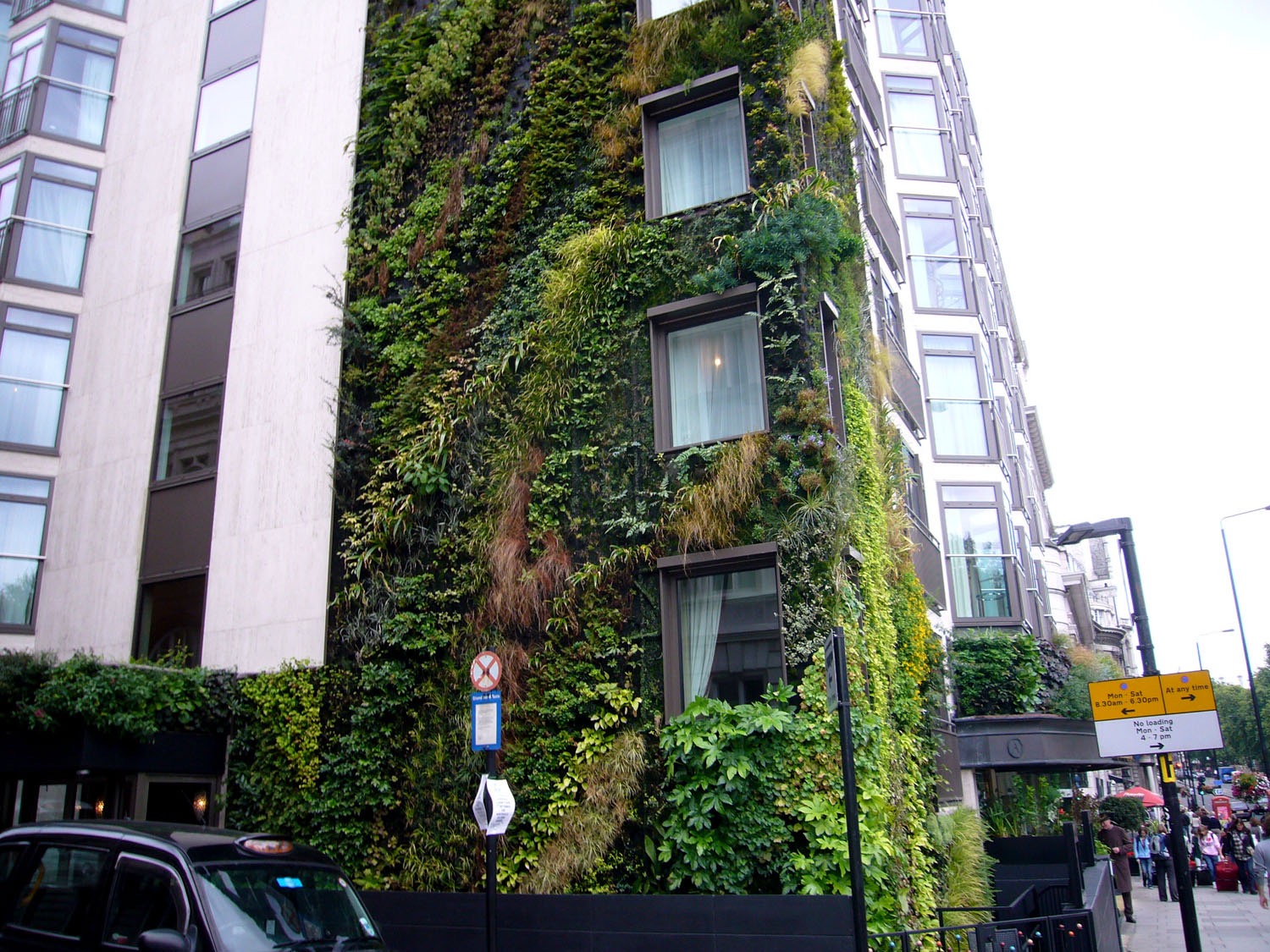
As the concrete jungles expand around the globe and pollution increases, the application of living green walls are a asset to help create balance between men and forests. Incorporating carefully chosen selections of plants into cutting edge design, living green walls have been devised to help restore the natural balance.
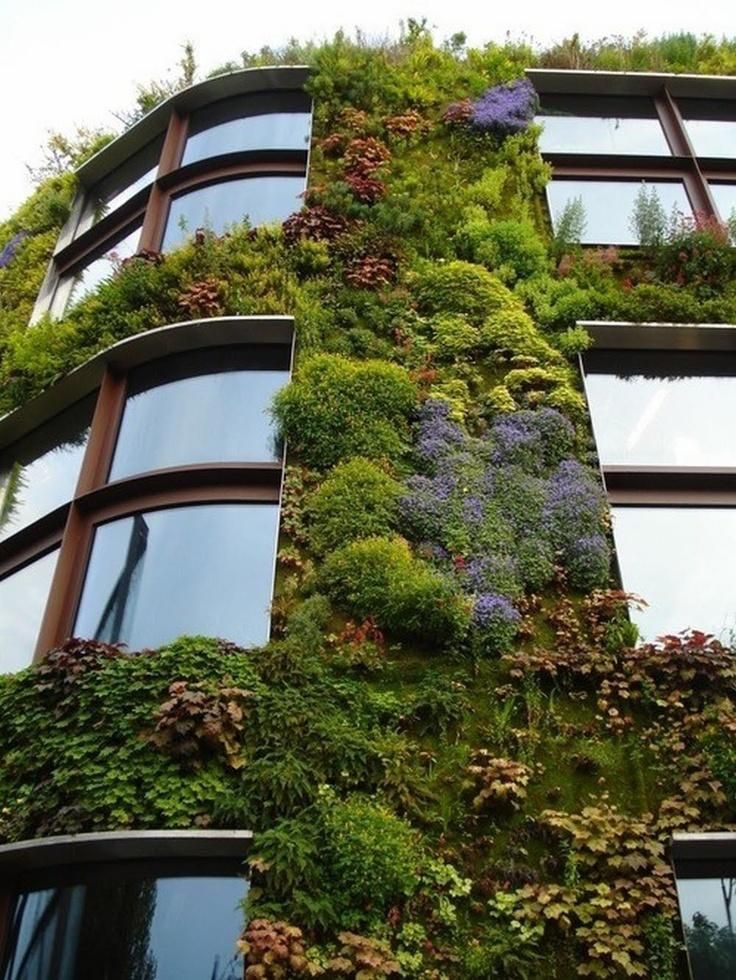
Benefits of Vertical Gardens
Vertical Gardens offer economic, environmental and physiological benefits:
Building Profile & Beautification
Air Quality
Biodiversity & Habitat
Acoustic Buffering
Biophilic Design and Our Health

Green walls are organized into panel and tray systems or freestanding walls, meaning there is a wall suitable for any space.
Panel systems, like Sage and Prowall, have plants pre-grown into the panels and can be used inside or out, and in any climate.
VersaWall is a tray system, which is popular for indoor displays. Plants are pre-grown off-site and inserted into the wall, which offers a great degree of versatility that can be exploited to cover entire surfaces or designed as living art.
Freestanding walls are most commonly used indoors and are most easily changed, either by changing the location or changing the plants.
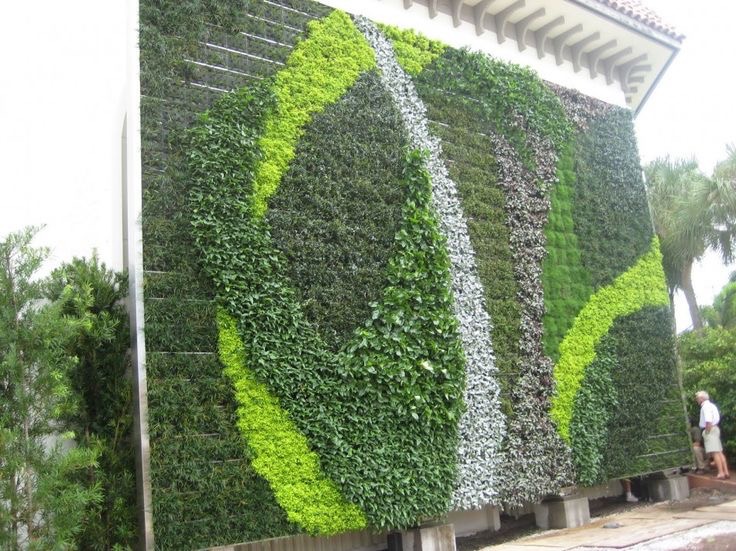

A recent study into the effectiveness of green infrastructure for improving air quality in urban street canons (the gaps between large buildings), found living green walls can have a big impact. These gaps are hotspots for harmful pollutants, such as nitrogen dioxide and particulate matter, but living green walls have been shown to reduce levels by 40% and 60% respectively.
Plants have long been used to reduce noise levels on freeways and other noisy roadways across North America and Europe. Living green walls expand on this idea. Vegetation naturally blocks high frequency sounds while the supporting structure can help to diminish low-frequency noise.
Exterior living walls give buildings protection, not just from temperature fluctuations but also by diverting water away from walls during heavy rain and providing protection from UV radiation.

Where Vertical Gardens are Used
Living walls are exceptionally versatile. They can be attached to virtually any vertical structure, old or new. They can also be free-standing space dividers, providing beauty, sound-proofing and security. Typical uses include:
Exteriors + Interiors
Retail + Office Environments
Residential Projects
Industrial Buildings
Tennis Courts and Golf Courses
Stadiums and Arenas
Hotels and Restaurants
Schools and Hospitals
Highway Improvements
Parking Structures
Living Tapestrys on Walls
Fencing
Roof Top Gardens
Creating Enclosures
Security
Privacy Screening
Graffiti Protection
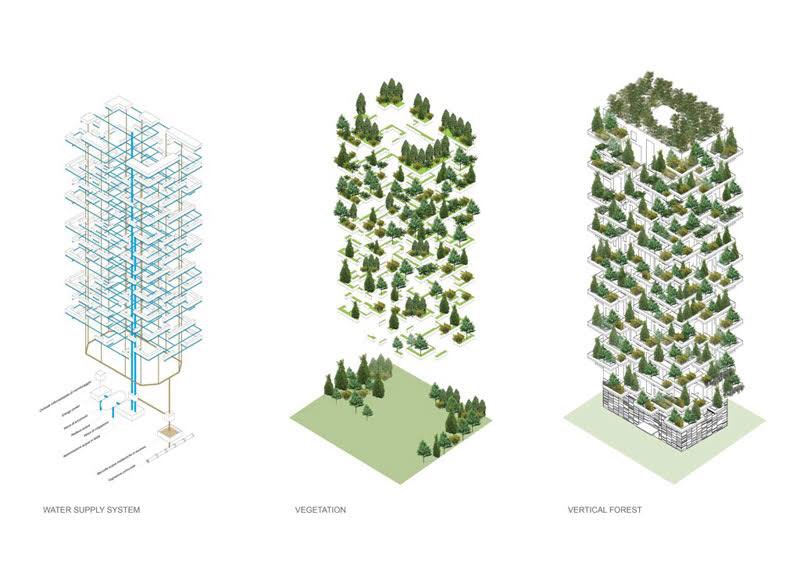
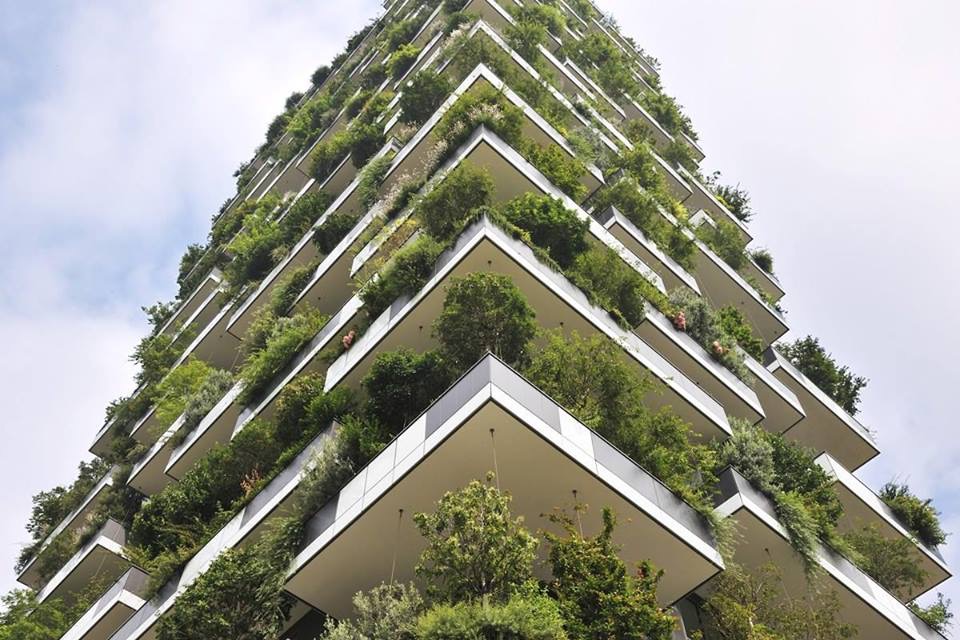
Vertical Forest Residential Towers in Milan
Bosco Verticale (Vertical Forest) is a pair of residential towers in the Porta Nuova district of Milan, Italy, between Via Gaetano de Castillia and Via Federico Confalonieri near Milano Porta Garibaldi railway station. They have a height of 111 metres (364 ft) and 76 metres (249 ft) and will host more than 900 trees (approximately 550 and 350 trees in the first and second towers respectively) on 8,900 square metres (96,000 sq ft) of terraces. Within the complex is also an 11-story office building; its facade does not host plants.


First Vertical Forests to Be Planted in Nanjing
A group of Italian architects is set to construct the first vertical forest in Nanjing.
 Images courtesy of Stefano Boeri Architetti
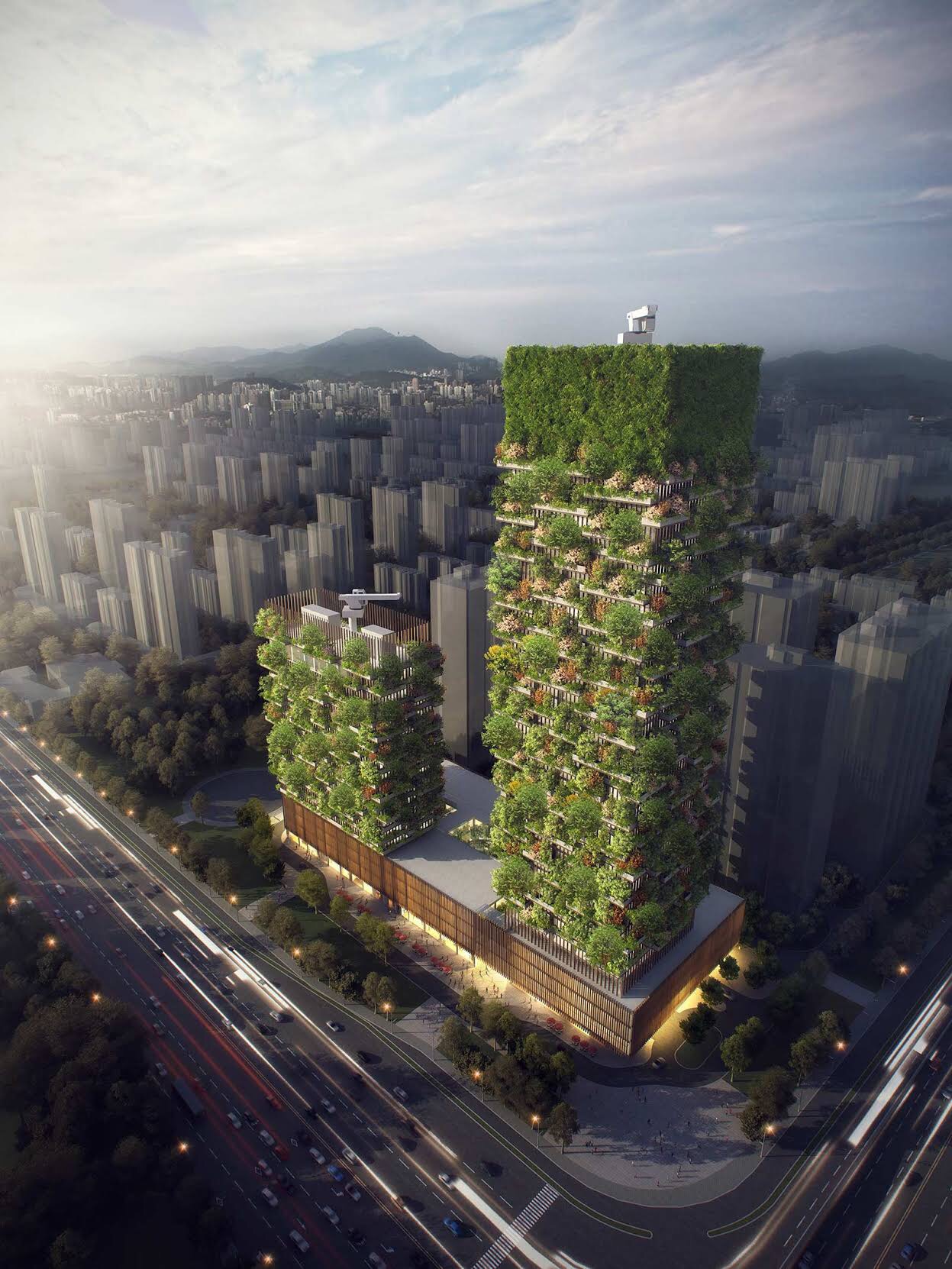
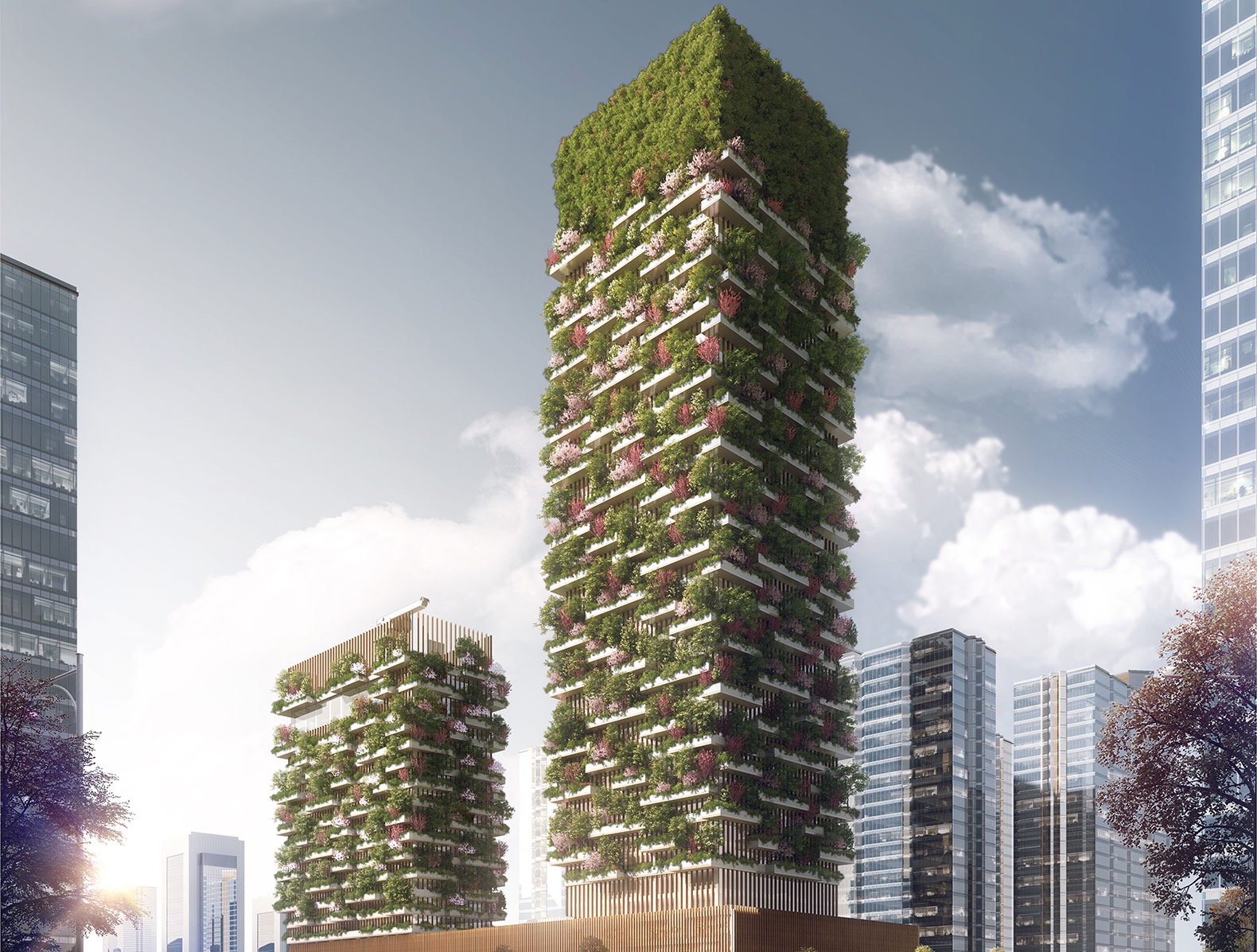
The vertical forest design was an innovation of an Italian architecture firm, Stefano Boeri Architetti. The Nanjing Green Towers are two multi-rise buildings that will be constructed in the Pukuo District.
Boeri made similar designs in Milan, Italy, and Lausanne, Switzerland.
Vertical forests are buildings that are designed to house thousands of trees and shrubs on the structures’ exterior. The design that was made for the Nanjing Green Towers will have trees on the buildings’ uppermost deck.
The Nanjing Green Towers will be completed by 2018. Future projects will be implemented in other Chinese cities such as Shijiazhuang, Liuzhou, Guizhou, Shanghai and Chongqing.
The eco-friendly project set in Guizhou will be a forest hotel located in 400 acres of rolling hills. The hotel will have a gym, a lounge, bar, a restaurant and a VIP area.
Stefano Boeri Architetti is bringing the vertical forest concept popularized in Milan to Nanjing, China with the Nanjing Towers. The two green towers could provide the city with a breath of fresh air, producing around 132 pounds of oxygen every day as they absorb carbon dioxide. They’ll accomplish this air-cleaning feat with 1,100 flourishing trees from 23 local species and 2,500 cascading shrubs and plants.
Images courtesy of Stefano Boeri Architetti
The two towers at 656 feet and 354 feet tall will rise above the Nanjing Pukou District, which Stefano Boeri Architetti’s press release describes as an area that will likely lead modernization efforts in the south of China’s Jiangsu province and help develop a Yangtze River economic zone. Nanjing Yang Zi State-owned Investment Group Company Limited is promoting the towers and is listed by Stefano Boeri Architetti as an investor in the project.

The taller tower will hold offices, a museum, a green architecture school, and a rooftop club. The second tower will host a 247-room Hyatt hotel and rooftop swimming pool. A podium 65 feet high will include shops, restaurants, and a conference hall. Balconies on the buildings will allow inhabitants to get up close to the nature thriving on the building facades.
600 tall trees and 500 medium-sized trees will grow on the towers, and Stefano Boeri Architetti says the trees and cascading plants will help regenerate biodiversity in the area.
 ADRIANA SASSOON