Cancer as a fungus

The opinion of an MD and oncologist

“Treating” cancer is one of the most lucrative business on earth.

For years, cancer has been called a “mystery.”

After spending billions of dollars over many decades, the medical establishment claims not to know the cause of cancer, not to understand its nature, and can only offer expensive and invasive treatments like radiation and highly toxic drugs to treat it.

The strikes me as willful stupidity that conveniently happens to generate many billions of dollars each year that is spread out annually among many tens of thousands of employees of the cancer industry.

  • Free guide explains a promising alternative treatment.
  • Advanced Treatments for Cancer Call for more info (800)923-7878
  • Noninvasive Alternative to Surgery & Radiation. Patient Info Here.
    HIFU.ca/Prostate-Cancer-Treatment
  • Learn about leading-edge treatments for fighting Prostate Cancer.
  • http://www.brasschecktv.com/page/398.html

    Water is a network of hydrogen-bonded molecules.

    Water is a network of hydrogen-bonded molecules. It can form numerous structures, depending on how the individual molecules bond together.The most recent scientific findings indicate that biological organisms prefer the six-sided (hexagonal) ring-structure, found naturally in snow water.
    This Hexagonal Water forms a liquid crystalline lattice that is involved in cellular communication, intracellular water movement, enzyme function and many other metabolic processes.
    The amount of Hexagonal Water in the body has been correlated with aging. It has also been found to form the initial layer of water surrounding healthy cells. On the other hand, unorganized water has been described surrounding diseased and abnormal cells.
    As shown above, Hexagonal Water is composed of six individual molecules of water, held together by common hydrogen bonds. This unique water structure is capable of rapid penetration within the cells of the body. Most tap water and bottled water is composed of large water conglomerates which are too large to move freely into the cells. It must be re-structured within the body to penetrate the cells (a time-consuming and energy-consuming process).

    For many years, Dr. Mu Shik Jhon has known that the regular consumption of Hexagonal Water could provide innumerable health benefits.


    Measurement of Hexagonal Water Structures and Determination of Healthy Cells
    One of the tools Dr. Mu Shik John used extensively in his research of hexagonal water is Nuclear Magnetic Resonance (NMR). NMR has the ability to measure molecular size and has been recently employed to determine the structure of the water inside the body.Dr. Jhon clearly demonstrates that the NMR spin lattice relaxation time of the protons in healthy cells is different from that of unhealthy cells.
    The scientific consensus of those scientists familiar with cellular water structure and NMR is that the water environment surrounding unhealthy cells is less structured and thus able to move more freely than the water environment around healthy cells.
    According to Dr. Jhon’s (and other researchers), hexagonal water forms a protective layer immediately around healthy proteins. This same type of protection does not exist around unhealthy proteins in the body.

     
    What is Hexagonal Water?
    Hexagonal Water


    is a specific arrangement of individual water molecules where 6 H2O units consistently link to form a ring-like structure. This unique arrangement is the basis of a more complex crystalline network that is formed when numerous hexagonal units join together.All water contains a certain percentage of hexagonal units – some sources more than others. The percentage of hexagonal units appears to depend on a number of factors, including the energetic influences that water is exposed to. For example: chlorine, fluoride and many pollutants typically found in municipal water sources reduce the number of hexagonal units. Tap water typically has a very low percentage of hexagonal structures.

    On the other hand, there are a number of places throughout the world where the water has a high concentration of hexagonal structures. Many of these places are known as “healing springs.” Others are known for producing inhabitants that live long and disease-free lives.


    How do we know when water is hexagonally structured?
    Nuclear Magnet Resonance (NMR) is one of very few methods that can verify molecular size. NMR analysis shows that ordinary tap water is composed of large molecular units (between 12 and 20 individual H2O units). These unorganized molecular conglomerations are not nearly as supportive of biological functions as Hexagonal Water is now being shown to be.


    Hexagonal Water moves easily into the cellular environment

    There is significant evidence that Hexagonal Water moves within biological organisms with greater ease. It appears to enhance nutrient absorption and the removal of metabolic wastes. (Many who consume Hexagonal Water report a cleansing reaction within days or weeks.) This may be due to the smaller size of the molecular unit and its ability to enter and exit the cellular environment with greater ease. It may also be due to the specific organization of the hexagonal network which appears to enhance cellular communication and to support other structures within biological organisms. For example: according to The Water Puzzle, Hexagonal Water is found surrounding healthy DNA, whereas unorganized water is found surrounding the DNA of diseased tissue. 
    Hexagonal Water enhances metabolic efficiency
    There is also evidence that Hexagonal Water activates enzymes to a greater degree than ordinary water – and that it enhances metabolic efficiency. 
    The Water Puzzle
    Dr. Jhon explains why Hexagonal Water is energetically more powerful and why it has the capacity to improve metabolic efficiency. According to his book, Hexagonal Water has the capacity to perform more work and to transfer a greater amount of energy within the body. 
    Hexagonal Water decreases as we age
    We know that the total amount of water within the human body decreases as we age, but it is also being shown that the amount of Hexagonal Water decreases as well. In one significant study conducted in Japan, Magnetic Resonance Imaging was used to show that the amount of structured water in the body is directly correlated with age. This same study presents evidence that biological molecules require structured water in order to perform their functions. According to the paper, when biological molecules are found in unstructured water, they are just compounds – they have a decreased ability to perform their intended functions.

    HUMAN PAPILLOMA VIRUS (HPV)      *HPV infection is a sexually transmitted viral disease effecting primarily the cervix, but also the male genitalia, oral cavity, and esophagus D’Souza G, 2007).  Viral changes in cervical cells can often be detected on routine Pap tests.  The virus is more commonly seen in anemic younger women (>30 years old), contraceptive hormone users, smokers, alcohol users,  the poor, during late pregnancy, and in periods of low immunity (Moreno V, 2002, Santos C, 2001, Broker TR, 2001, Thomson SW, 2000)
         *HPV has been found in association with low folic acid and antioxidant micronutrient status (Hernandez BY, 2003, Kwasniewska A, 2002 & 1997, Harper JM, 1994).  Folic acid has been shown to have a protective effect against the development of HPV, and improving folate status in people at risk of getting infected or who are already infected may have a beneficial impact in the prevention of cervical cancer (Piyathilake CJ, 2004).
         *Many cases of HPV resolve on their own but certain strains, such as HPV-16, 18, 30, 33, and 45, are considered more aggressive and may lead to cervical cancer.  HPV-DNA testing has shown that virtually all cervical cancers test positive for HPV with over 90% of them testing positive for HPV-16, 18, and 45 (Munoz N, 2003, Ngelangel C, 1998).  Women who are HIV positive are particularly vulnerable to HPV and often have unrelenting reoccurrences that quickly progress to invasive cervical cancer (Lee YC, 2000).  HPV is so common in HIV positive women, it is now listed as an AID’s defining illness.  HPV is at epidemic proportions, although early detection through Pap tests is helping to reduce its occurrence and deaths from cervical cancer worldwide (Lambert EC, 2001).  Cervical cancer kills approximately 300,000 women worldwide.  Recent studies have also strongly linked certain strains of HPV, especially HPV-16,  with the pathogenesis of squamous cell carcinoma of the throat in both men and women (D’Souza G, 2007).
          *A major breakthrough in the prevention of cervical cancer has recently been made as there are now two approved vaccines, Gardasil and Cervarix, that will provide substantial protection against the most common high risk types of HPV (HPV16 and 18, which cause about 70% of cervical cancers, and HPV 6 and 11, which cause approximately 90% of genital warts) in girls and young women (9-26 years of age) who have not yet been exposed to the virus. While the vaccines provide almost 100% protection against the above four HPV strains, they may increase the risk of developing lesions that lead to cervical cancer in women already exposed to the virus.  Therefore, the vaccines are not recommended for women who test positive for HPV-DNA.  Furthermore, the vaccines do not protect against less common strains of HPV that may lead to cervical cancer such as HPV-30 and HPV-33 so regular Pap tests will still be required  to detect precancerous changes in the cervix to allow treatment.  The effectiveness of the vaccines are thought to be only for about 3 1/2 years so a booster may be required after that time.  It has been estimated that the full effect of these vaccines against HPV in the general population will probably take about three decades to accomplish.  Makers of the vaccines are also working on a version for boys and young men (WP Report , FDA Report) who harbor the virus and test positive for HPV-DNA at about equal rates to that of women and who can spread the virus as well.  Vaccinating not only girls, but also boys, will help boost protect against not only cervical cancer but also oral cancer. Currently, some countries, such as Scotland, are offering the HPV vaccine to school girls as part of their government immunization program (Lyndsay M, 2007)The vaccine has been shown to be almost 100% effective in providing immunity to the most common forms of the virus that can lead to cervical cancer. A more recent development is a blood test for cancer causing strains of HPV.  It is now patented and waiting additional approval for use (see Grant Life Sciences, 2007).
         *Hallmark cellular changes in epithelial cells of the cervix are mild to moderate dysplasia with koilocytotic atypia (a peculiar wide clearing of the cytoplasm around the nucleus). Koilocytotic atypia is pathognomonic of HPV.  Identification of HPV on Pap tests is always given an abnormal interpretation.  Frequent repeat smears and other follow-up tests are often recommended for several years after an HPV lesion is initially diagnosed.  A new study published in the British Journal of Medicine in October, 2007 found the risk of cervical cancer after initial detection of a high grade HPV lesion still remains high 25 years after treatment.  In this study the risk of cervical cancer was shown to have increased since the 1960s and to be pronounced in women over age 50 (Strander B, 2007).  It should be noted that starting in the 1960’s significant use of and exposure to synthetic steroid hormones (estrogen and progesterone) began in women of developed countries starting with DES in-utero exposure, then birth control pills, and finally hormone replacement therapy. Various estrogen or estrogen and progesterone combinations were also given liberally to many of these women to stop lactation after child birth (estrogen) and for ovarian and menstrual disorders (The Pill). 

    http://cancerres.aacrjournals.org/cgi/content/abstract/64/23/8788

    THE HPV VIRUS hits males and females of all ages but is most commonly found in the 15-24 age group. In women, the highest and deadliest form of the virus can lead to cervical cancer and thousands of needless deaths each year. (Photos are generic representations of age groups more susceptible to the virus and are not  actual victims.)


    Before the year is over, approximately 288,000 women worldwide will die unnecessarily from the genital Human Papillomavirus (HPV). We know these women. Some of them are our mothers, sisters, cousins, and best friends. Even you could be a potential victim of this prevalent, yet preventable genital virus.
    The HPV is easily contracted by a male/female who carries this disease through any type of genital skin-to-skin contact. Condoms and other forms of birth control won’t prevent or reduce the spread of this virus.
    During the course of the HPV’s lengthy history, a recent discovery linked the virus with other sexually transmitted diseases. In 2005, alarming statistics revealed that up to 20 million people carried this virus at any given time and many unknowingly passed it on to their partner, according to the Centers for Disease Control and Prevention. By getting to the root of this problem, we are finding out how to prevent more deaths from occurring and disease from spreading.
    Over the 100 different types of the HPV (varying in severity), about 30 strains of this disease are sexually transmitted. These 30 strains are broken down into two categories of low and high risk. For women, the highest and deadliest form of this virus can lead to cervical cancer.
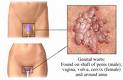
    This cancer is almost always caused by the HPV infection, which is predominately in those with an immune disorder. For others infected, this virus can cause genital disease, developing into pre-cancerous legions. For men and women, this virus can turn into genital warts (a low- risk strain).

    Some HPV strains are harmless and for most people infected the virus eventually goes away, especially in women under 30. Yet there are still repercussions in having this virus, so why even take the risk?
    The incubation period of the HPV is from the beginning of infection until any symptoms appear. This incubation period may be anywhere from a few weeks to a full year. Because there are no obvious symptoms of the HPV (except visible genital warts), the virus goes unnoticed in some women until it is too late.
    Is that possibly why the HPV spreads rapidly, because it is sometimes overlooked and underestimated? Whatever the answer is, 5,000 women in the United States are still dying annually as a result. Cervical cancer is the second leading cause of death in women; and “HPV is the cause of virtually all cancers of the cervix, about 80 percent of vaginal cancers, 50 percent of penile cancers and a majority of anal cancers,” states the American Society for Colposcopy and Cervical Pathology.
    Although there is no cure for HPV, one of the best solutions for women over 30 years old who have the virus is the same for women who are unaware of what HPV is: visit the OB/GYN to schedule a Pap test and HPV DNA test. Studies prove that scheduling both tests are the complete, and accurate way to find out if one has HPV, and to reduce further risks.
    A Pap test is a screening to search for abnormal cell changes in the cervix while the HPV DNA test looks for the specific DNA of the HPV inside the cells and can check for high-risk HPV types related to cervical cancer.
    For younger women 15-24 years old, about 70 percent of them make up approximately the six million new cases of genital HPV every year in the United States. These staggering numbers reveal that we need solutions and HPV vaccination options available to the young people; the same goes for girls 9-13 years old.
    Some of our children are growing up too fast, experiencing too much and there is not one answer to solve all the problems we may be facing.

    But one of the best ways to prevent future exposure of the HPV in young girls and boys is to consult with a health care provider about vaccination treatments at the parents’ discretion.
    Aside from these examinations and consultations, the real prevention methods start with knowledge.

    Realizing that abstinence is the ideal method for avoiding the HPV altogether, taking precautionary methods means preventing the further spreading of disease, such as scheduling regular doctor visits and maintaining a clean lifestyle while being aware that the wide spread of HPV is real and, for some, fatal.
    Before any more deaths occur, we can put an end to this virus. Instead of spreading the HPV, let’s spread the word that this virus exists and hopefully end this deadly cycle.

    The clock is ticking; it’s up to us because in the end only we can stop the spread. The year is almost over. For more information on HPV: http://www.revolutionhealth.com-type in HPV; http://www.cdc.gov/std/hpv/default.htm or http://www.cancer.gov/
    Contact Sherri Keaton on issues dealing with young people; email her at skeatonfrontpage@sbcglobal.net.

    HPV: Teenage vaccine is causing death and injury


    The vaccine has been given routinely to adolescent girls when they are 12 and 13 for several years now in America, and the pattern of deaths and side effects is now starting to be repeated in other countries, such as the UK, which have only recently introduced the vaccine.

    Judicial Watch, an American public watchdog group, has recently issued the latest figures on the vaccine’s safety. Of the 140 adverse events this year, several have included miscarriage and onset of Guillain-Barre syndrome, a nervous system disease that causes weakness and tingling in the arms and legs.

    The vaccine has also loomed large in the public’s consciousness with the story of 13-year-old Jenny Tetlock who is now almost completely paralyzed after being given the vaccine.

    Meanwhile, undeterred by these worrying stories, the UK government is widening the availability of its own HPV vaccine to include teenage girls aged between 17 and 18.

    Tags: , , ,

    Prev: O mundo conduz-se por mentiras.. (Fernando Pessoa)
    Next: As mulheres portuguesas são parvas por Maria Filomena Mónica

    Vacina contra câncer do intestino se mostra promissora

    NEW YORK – Uma vacina experimental contra o câncer de cólon pode ajudar a tratar muitos pacientes que já desenvolveram a doença, segundo um novo estudo.Em um estudo anterior, esta vacina não pareceu melhorar as chances de cura dos pacientes. Mas a vacina oferece vantagens para algumas pessoas, segundo o Dr. Jules Harris, de Chicago.No subgrupo de pacientes que apresentou a maior resposta imune à vacina, 85% deles sobreviveu por mais de 5 anos, contra 45% dos que apresentaram resposta moderada à vacina. “Nós achamos que vacinações repetidas podem ser mais eficientes,” ele diz.O Dr. Harris e seus colaboradores escolheram 412 pacientes americanos entre 1986 e 1993 que tinham câncer de cólon que havia se espalhado para os linfonodos e tecidos adjacentes mas não para outros órgãos do corpo.

    Os médicos operaram todos os pacientes, retirando os tumores. Em aproximadamente metade destes pacientes, os médicos retiraram uma porção do tumor do paciente, trataram estas células com irradiação, e fizeram uma vacina contra o tumor do próprio paciente.

    Estes pacientes receberam três doses desta vacina em intervalos, começando 3 a 4 semanas após a cirurgia. Os pesquisadores monitoraram estes pacientes por 8 anos.

    Entre os pacientes que reagiram à vacina, apresentando reação no local da injeção, as taxas de sobrevida variaram de acordo com o tamanho da reação. Entre aqueles com reação menor que o diâmetro de um lápis, 45% sobreviveu por menos de 5 anos, enquanto 85% daqueles que mostraram uma cicatriz do tamanho de uma moeda sobreviveram este tempo ou mais.

    O Dr. Harris disse à Reuters Health que a cicatriz se tornou uma forma de avaliar o prognóstico do paciente, sendo que os que tiverem maior cicatriz terão chance de evoluir melhor.

    Tentativas de melhorar a qualidade das vacinas também podem melhorar a reação à esta, de acordo com os pesquisadores.

    FONTE: Journal of Clinical Oncology 2000;18:148-157.
    Publicado em Bibliomed Saúde

    Copyright © 2002 Bibliomed, Inc.


    G E N O A 

    Por favor, divulguem esta maravilha brasileira!


    Já existe vacina contra alguns tipos de câncer.

    Foi desenvolvida por cientistas brasileiros, mostrando-se eficaz em 80% dos casos, tanto no estágio inicial como em fase mais avançada da doença.

    A vacina é fabricada utilizando-se um pequeno pedaço do tumor do próprio paciente.

    Em 30 dias está pronta e é remetida para o médico oncologista do paciente.

    Os cientistas desenvolveram a vacina no Hospital Sirio Libanês – Grupo Genoa (telefone 0800-7737327).


    Se preferirem, entrem no site

    www.vacinacontraocancer.com.br

    e obtenham maiores informações a respeito.


    Essa, sim, é o tipo de mensagem que merece ser repassada.


    Here’s another exciting event I’m involved in with other designers in which I will be headlining the evening’s finale. I hope to see you and your friends there. I’m also attaching a few links where you can view images from my last show for Boston Fashion Week at the Marlowe Hotel. They are www.earneststudios.com , www.bostonfashion.com and www.bostonfashionindustry.com
     
    Thanking you all in advance,
    Samuel Vartan
    Womens & Mens Collections
     
    M 508.962.5334
    sv@samuelvartan.com
    www.samuelvartan.com


    ACUPUNCTURE FOR CANCER

    Cancer

    The thought of having cancer can be scary. But what exactly is cancer? And what does it do?

    Cancer refers to any one of a large number of diseases characterized by the development of abnormal cells that divide uncontrollably and have the ability to infiltrate and destroy normal body tissue. Cancer can spread its abnormal cells throughout your body.

    Being diagnosed with cancer can be frightening. But understanding what’s going on inside your body can help you be aware of what’s causing your feelings of anxiety. Knowing more about cancer may also help you feel more in control of your disease.

    What causes cancer?

    Cancer is caused by damage (mutations) in your DNA. Your DNA is like a set of instructions for your cells, telling them how to grow and divide. When a mutation occurs in your DNA, normal cells will repair the mutation or simply die. In cancer, your cells continue living with this mutation. As a result, they grow and divide in chaotic fashion.

    Mutations in your DNA can be caused by:

    Your own habits.
    Certain lifestyle choices are known to cause cancer. Smoking, drinking more than one drink a day (for women) or two drinks a day (for men), being overweight, damage to skin unprotected by sunscreen, and unsafe sexual behaviors can lead to the mutations that cause cancer. You can break these habits to lower your risk of cancer — though some habits are easier to break than others.

    Your environment.
    The environment around you may contain harmful chemicals that can cause mutations in your genes. Even if you don’t smoke, you might breathe secondhand smoke if you go places where people are smoking or you live with someone who smokes. Chemicals in your home or work environment, such as asbestos and benzene, can also cause cancer.

    Your family history.
    Some mutations in your DNA can be traced back to your parents. If cancer is common in your family, it’s possible that mutations are being passed from one generation to the next. You might be a candidate for genetic screening to see whether you have mutations that might increase your risk of cancer. Keep in mind that having an inherited genetic mutation doesn’t necessarily mean you’ll get cancer.

    Chronic conditions.
    Some chronic health conditions, such as ulcerative colitis, can develop into cancer. Talk to your doctor about your risk.

    Much is still unknown about cancer. Some people with many risk factors don’t develop cancer, and some people with no apparent risk factors develop cancer nonetheless.

    How does cancer grow?

    Cancer cells grow in an uncontrolled manner. One malignant cell becomes two, two become four, four become eight, and so on, until a mass of cells (a tumor) is created. The tumor interferes with the normal functioning of healthy tissue and can spread to other parts of your body.

    Not all tumors are cancerous, and not all cancers form tumors. For example, leukemia is a cancer that involves blood, bone marrow, the lymphatic system and the spleen but doesn’t form a single mass or tumor.

    Cancer invades and destroys normal tissue. It can also produce chemicals that interfere with body functions. For instance, some lung cancers secrete chemicals that alter the levels of calcium in your blood, affecting nerves and muscles and causing weakness and dizziness.

    Cancer can also spread (metastasize) and invade healthy tissue in other areas of your body. Cancer can take years to develop. By the time a cancerous mass is detected, it’s likely that 100 million to 1 billion cancer cells are present, and the original cancer cell may have been dividing for five years or more.

    Traditional Chinese Medicine has a different approach to treating cancer patients compared to modern medicine. Traditional Chinese Medicine is to strengthen and build a patient’s Qi (energy) to fight the cancer.
    Acupuncture has also proved to be effective in treating cancer patients side effect symptoms from radiation therapy and chemotherapy.

    Stress

    What is the stress response?

    Often referred to as the “fight-or-flight” reaction, the stress response occurs automatically when you feel threatened. Your pituitary gland, located at the base of your brain, responds to a perceived threat by stepping up its release of adrenocorticotropic hormone (ACTH), which signals other glands to produce additional hormones. When the pituitary sends out a burst of ACTH, it’s like an alarm system going off deep in your brain. This alarm tells your adrenal glands, situated atop your kidneys, to release a flood of stress hormones into your bloodstream. These hormones — including cortisol and adrenaline — focus your concentration, speed your reaction time, and increase your strength and agility.

     
    How stress affects your body

    After you’ve fought, fled or otherwise escaped your stressful situation, the levels of cortisol and adrenaline in your bloodstream decline. As a result, your heart rate and blood pressure return to normal and your digestion and metabolism resume a regular pace. But if stressful situations pile up one after another, your body has no chance to recover. This long-term activation of the stress-response system can disrupt almost all your body’s processes, increasing your risk of obesity, insomnia, digestive complaints, heart disease and depression.

                              Digestive system. It’s common to have a stomachache or diarrhea when you’re stressed. This happens because stress hormones slow the release of stomach acid and the emptying of the stomach. The same hormones also stimulate the colon, which speeds the passage of its contents. Chronic stress can also lead to continuously high levels of cortisol. This hormone can increase appetite and cause weight gain.

                              Immune system. Chronic stress tends to dampen your immune system, making you more susceptible to colds and other infections. Typically, your immune system responds to infection by releasing several substances that cause inflammation. In response, the adrenal glands produce cortisol, which switches off the immune and inflammatory responses once the infection is cleared. However, prolonged stress keeps your cortisol levels continuously elevated, so your immune system remains suppressed.

    In some cases, stress can have the opposite effect, making your immune system overactive. The result is an increased risk of autoimmune diseases, in which your immune system attacks your body’s own cells. Stress can also worsen the symptoms of autoimmune diseases. For example, stress is one of the triggers for the sporadic flare-ups of symptoms in lupus.

                              Nervous system. If your fight-or-flight response never shuts off, stress hormones produce persistent feelings of anxiety, helplessness and impending doom. Oversensitivity to stress has been linked with severe depression, possibly because depressed people have a harder time adapting to the negative effects of cortisol. The byproducts of cortisol act as sedatives, which contribute to the overall feeling of depression. Excessive amounts of cortisol can cause sleep disturbances, loss of sex drive and loss of appetite.

                              Cardiovascular system. High levels of cortisol can also raise your heart rate and increase your blood pressure and blood lipid (cholesterol and triglyceride) levels. These are risk factors for both heart attacks and strokes. Cortisol levels also appear to play a role in the accumulation of abdominal fat, which gives some people an “apple” shape. People with apple body shapes have a higher risk of heart disease and diabetes than do people with “pear” body shapes, where weight is more concentrated in the hips.

                              Other systems. Stress worsens many skin conditions — such as psoriasis, eczema, hives and acne — and can be a trigger for asthma attacks.

     
    Individual reactions to stress

    Your reaction to a specific stressor is different from anyone else’s. Some people are naturally laid-back about almost everything, while others react strongly at the slightest hint of stress — and most fall somewhere between those extremes. Genetic variations may partly explain the differences. The genes that control the stress response keep most people on a fairly even keel, only occasionally priming the body for fight or flight. Overactive or underactive stress responses may stem from slight differences in these genes.

    Life experiences may increase your sensitivity to stress as well. Strong stress reactions sometimes can be traced to early environmental factors. People who were exposed to extreme stress as children tend to be particularly vulnerable to stress as adults.

     
    Reducing the effects of stress

    Stress develops when the demands in your life exceed your ability to cope with them. It follows, then, that you can manage stress by:

                              Changing your environment so that the demands aren’t so high

                              Learning how to better cope with the demands in your environment

                              Doing both

    Here are some helpful techniques:

                              Look after your body. To handle stress, your body requires a healthy diet and adequate rest. Exercise also helps, by distracting you from stressful events and releasing your nervous energy.

                              Learn to relax. It’s the polar opposite of the stress response. Deep-breathing exercises may put you in a relaxed state. Follow these steps:

    1. Inhale through your nose to a count of 10. As you inhale, your upper abdomen should rise — not your chest.
    2. Exhale slowly and completely, to a count of 10.
    3. Repeat five to 10 times. Try to do this several times every day, even when you’re not feeling stressed.

    If you have persistent trouble relaxing, consider taking up meditation or studying yoga or tai chi, Eastern disciplines said to focus your mind, calm your anxieties and release your physical tension. Therapeutic massage may also loosen taut muscles and calm frazzled nerves. Acupuncture can unblock the energy channel of the body and help the body to relax

     Depression

    Depression is a disorder that affects your thoughts, moods, feelings, behavior and physical health. People used to think it was “all in your head” and that if you really tried, you could “pull yourself out of it.” Doctors now know that depression is not a weakness, and you can’t treat it on your own. It’s a medical disorder with a biological or chemical basis.

    Sometimes, a stressful life event triggers depression. Other times depression seems to occur spontaneously with no identifiable specific cause. Whatever the cause, depression is much more than grieving or a bout of the blues.

    Depression may occur only once in a person’s life. Often, however, it occurs as repeated episodes over a lifetime, with periods free of depression in between. Or it may be a chronic condition, requiring ongoing treatment over a lifetime. The disorder affects more than 18 million Americans of all ages and races.

    Until now, modern medicine could offer people with depression only a pill or the prospect of talking it out, sometimes for years. Soon, though, doctors may offer an alternative – the 5,000 year-old Chinese art of Acupuncture.
    In a recent University of Arizona study, clinically depressed women received eight weeks of acupuncture, in which practitioners gently pressed needles into specific body points to correct imbalances believed to trigger illness. The results: After getting treatments aimed at relieving depression, about two-thirds were cured of the condition, a rate similar to that achieved with antidepressants and psychotherapy.
    (Researchers ruled out the placebo effect by giving one group acupuncture at points believed to be unrelated to depression.)
    Although the study, which was funded by the National Institutes of Health’s Office of Alternative Medicine, is preliminary, author John Allen, Ph.D., believes acupuncture eventually may benefit people for whom other treatments fail. Unlike antidepressant drugs, for instance, acupuncture has no side effects. And Allen predicts that it may offer the best way yet to forestall future episodes of depression. That’s a significant worry, since people who’ve suffered one bout of depression have a 50 percent chance of enduring another.

    The TCM (traditional Chinese medicine) model of the body is a culturally based philosophy of how the human body works.

    The elements of the TCM model of the body are the Fundamental Substances; Qi, Blood, Jing (Essence), Shen (Mind) that nourish and protect the Zang-Fu organs; and the meridians (jing-luo) which connect and unify the body. Every diagnosis is a “Pattern of disharmony” that affects one or more organs (such as “Spleen Qi Deficiency” or “Liver Fire Blazing” or “Invasion of the Stomach by Cold”), and every treatment is centered on correcting the disharmony.

    Unlike the Western anatomical model which divides the physical body into parts, the Chinese model is more concerned with function. Thus, the TCM Spleen is not a specific piece of flesh, but an aspect of function related to transformation and transportation within the body, and of the mental functions of thinking and studying. Indeed, the San Jiao or Triple Burner has no anatomical correspondent at all, and is completely a functional entity.

    Chinese medicine is a coherent and independent system of thought, it has been developed over two millennia. Based on ancient texts, it is the results of a continuous process of critical thinking, as well as extensive clinical observation and testing. It represents a thorough formulation and reformulation of material by respected clinicians and theoreticians. It is rooted in the philosophy, disease is caused by an unhealthy relationship with nature and that treatment lies in establishing balance with nature, Yin/Yang and five elements.

    Traditional Chinese medicine is holistic, based on the idea that no single part of the body can be understood except in its relation to the whole. A symptom, therefore, is not traced back to a cause, but is looked at as a part of a totality. If a person has a symptom, Chinese medicine wants to know how the symptom fits into the patient’s entire bodily pattern. A person who is well, or “in harmony”, has no distressing symptoms and expresses mental, physical, and spiritual balance. When that person is ill, the symptom is only one part of a complete bodily imbalance that can be seen in other aspects of his or her life and behavior. Understanding that overall pattern with the symptom as part of it, is the challenge of Chinese medicine.

    People all over the world are using TCM including acupuncture and Chinese herbal medicine.


    Maitake D-fraction: Healing and Preventive Potential for Cancer

    Hiroaki Nanba, Ph.D.

    Abstract

    I have been studying medicinal mushrooms for the last 15 years and have reported that of all mushrooms studied, Maitake Mushroom (Grifola frondosa) has the strongest activity in tumor growth inhibition both in administered orally and intraperi-toneally.1,2,3 In this report, Maitake extract D-fraction was investigated to determine its effectiveness not only on the inhibition against tumors already growing, but also on the inhibition of formation of the secondary focus due to metastasis of tumor cells in lymph and/or blood. In the tests of cancer inhibition rates on mice bearing MM46 (breast cancer), they were bred for one month with foods containing 20% edible mushroom powder. The result was that Maitake outperformed all other mushrooms. Through the 31 day oral administration, total remission of the tumor was visibly confirmed on four out of ten Maitake fed mice. The remaining six rodents also indicated almost 90% suppression rate compared to untreated (control) mice. Most other mushroom extracts are reported ineffective when given orally.4,5 The results of human studies on Maitake D-fraction is reported which indicated strong potential of Maitake D-fraction for cancer treatment.


    Introduction

    Maitake (Pron. “my-tah-key”) is indigenous to northern part of Japan. The basket-ball sized mushroom, weighing sometimes over 50 pounds, grows on the foot of old Japanese oak trees. For hundreds of years, this rare and tasty mushroom has been prized in traditional Japanese herbology. Maitake literally means “Dancing Mushroom”. People who found the mushroom in deep mountain valleys started dancing with joy since they knew its delicious taste and the health benefits. Also, in the feudal era, it could be exchanged with the same weight of silver. Maitake was, and still is, one of the most valuable and expensive mushrooms.
    This legendary giant mushroom has been available by cultivation since the mid 1980s which gave opportunities for mycologists and pharmacologists to study the various medicinal properties on the mushroom as claimed in anecdotes and folklore. In addition to its antitumor effect, anti-hypertension, anti-diabetes, anti-obesity and anti-hepatitis activities have been found in Maitake. Its anti-HIV activity was also confirmed by both Japan National Institute of Health and U.S. National Cancer Institute in early 1992. 


    Maitake D-fraction
    Among the various fractions in the process of standardization of the mushroom extraction, it is known that Maitake D-fraction is most potent in enhancing the immune system, demonstrating highest cancer inhibition in oral administration.3,6 The protein-bound Maitake D-fraction is the acid-insoluble, alkali-soluble and hot water extractable fraction (1,6 beta-glucans carrying 1,3 branched chains) with molecular weight of about one million. Maitake D-fraction has strong ability to potentiate and activate the cellular immune system. We investigated how much each immune-competent cell is activated by the administration of Maitake D-fraction. Mice in experiment groups were administered either 0.5 mg/Kg of D-fraction by I.P. injection for 10 days or 1.0 mg/Kg of D-fraction by oral administration for 10 days. The activity of Natural Killer cells, cytotoxic T-cells and delayed-hypersensitive T-cells were all increased by 1.5-2.2 times by Maitake D-fraction. Also, it was observed that production of interleukin-1 (which activates T cells), and super-oxide anion ( which damages tumor cells) were enhanced. The production of interleukin-2 was also observed to increase by 1.7 fold (Table 1). From these results it may be concluded that the cellular immune-competent cells ability to inhibit tumor growth may be potentiated by Maitake D-fraction.
    The purified D-fraction extract and Maitake crude tablets were tested using mice to investigate acute and chronic toxicity. Based on a previous animal test which indicates the optimal dose of 1mg/kg of D-fraction for anti-tumor activity, ten times more dosage was employed intraperit-oneally for 30 days. On the 31st day, no abnormal symptoms were observed, when mice were sacrificed and their organs and blood were checked. Furthermore, 5 mg/kg of D-fraction was injected for 120 days and the toxicity was investigated in the same manner. Since no abnormality was found in this test, we came to the conclusion that there is no toxicity in the D-fraction. At present, it is not permitted to inject D-fraction into the human body, therefore, in our study the D-fraction was used via oral administration. Maitake tablets were also investigated for possible toxicity. Maitake has been appreciated by the Japanese people as the premier culinary mushroom for hundreds of years, and it is therefore unlikely to exhibit any toxicity. However, we did the same test as was done with the D-fraction, by feeding it to mice by mixing it in their diet at a 1:4 ratio for a period of 13 months. After completion of these tests, we concluded that both Maitake D-fraction and the tablets made of Maitake crude powder were safe with no toxicity.


    Clinical Results
    A number of animal tests have confirmed Maitake’s strong ability in cancer inhibition.7-10 but human trials have not been conducted until recently. A non-randomized clinical study using D-fraction was conducted to see if it is effective against advanced cancer patients as it is against animals. A total of 165 cancer patients in stage III-IV, from 25-65 years old, participated in the study and the data was collected under the cooperation of their medical doctors with major university hospitals and cancer treatment clinics in the western part of Japan. Patients were either taking Maitake D-fraction with crude powder tablets only, or Maitake D-fraction, crude tablets in addition to chemotherapy. Tumor regression or significant symptom improvements was observed in 11 out of 15 breast cancer patients, 12 out of 18 lung cancer patients and 7 out of 15 liver cancer patients. If Maitake was taken in addition to chemotherapy together, these response rates improved by 12-28 percent.

    Clinical Results
    A number of animal tests have confirmed Maitake’s strong ability in cancer inhibition.7-10 but human trials have not been conducted until recently. A non-randomized clinical study using D-fraction was conducted to see if it is effective against advanced cancer patients as it is against animals. A total of 165 cancer patients in stage III-IV, from 25-65 years old, participated in the study and the data was collected under the cooperation of their medical doctors with major university hospitals and cancer treatment clinics in the western part of Japan. Patients were either taking Maitake D-fraction with crude powder tablets only, or Maitake D-fraction, crude tablets in addition to chemotherapy. Tumor regression or significant symptom improvements was observed in 11 out of 15 breast cancer patients, 12 out of 18 lung cancer patients and 7 out of 15 liver cancer patients. If Maitake was taken in addition to chemotherapy together, these response rates improved by 12-28 percent.

    The criteria to judge the effectiveness are established as follows. A positive response is defined as one of the following:
    1) if the size of tumor in CT or MRI screen reduced or stayed unchanged.
    2) if the value of tumor mark decreased.
    3) if T, N or M factors reduced or remained unchanged.
    4) if the remaining life expectancy indicated by the doctor was prolonged by more than 4 times.
    As can be seen, these results suggest that breast, lung and liver cancers were improved by Maitake, but it was less effective against bone and stomach cancers or leukemia. The following are some of the typical cases which demonstrated improvements by taking Maitake D-fraction and tablets.

    51 years old, male, Liver cancer (hepatocellular carcinoma)
    He had received Adriamycin (ADM) since 1993, but refused it because of little effectiveness and severe side effects of chemotherapy. He took 35 mg of D-fraction and 4 g of Maitake caplet per day. After 8 months, the level of bilirubin and albumin are improved as well as T and N factors. The value of bilirubin reduced to 1.8 mg/dL from 4.7 mg/dL. Also, albumin improved from 2.1 g/dL to 3.7 g/dL and the prothrombin activation was increased to 92% from 36%. Meanwhile, T-factor improved from 3-4 to 1-2 and N-factor changed from 0-1 to 0. T-factor 3 means that tumor diameter is more than 2 cm and some tumors remove into blood vessels. N-factor 1 means that the tumors metastasized to lymph nodes.

    56 years old, female, Liver cancer (hepatocellular carcinoma)

    She was diagnosed in stage III with serum bilirubin of 3.5 mg/dl, albumin of 2.8 g/dl and prothrombia activation of 48%. By eye observation, T-factor was 3, N-factor as 1 and M-factor as 0. She received trans-catheter arterial embolization (TAE) in January, 1994, and 10 mil of lipiodol, 15 mg of ADM and 100 mg of Cisplatin (CDDP) were administered by injection. Then, 200 mg of 5-FU was orally administered for 60 consecutive days but no improvements were observed. In December, 1994, she started taking 55 mg of D-fraction liquid and 6 g of Maitake tablets everyday. As of July, 1995, value of bilirubin was 2.7, albumin 3.1, and prothrombia activation was improved to 63%. She is now diagnosed as stage I. 


    53 years old, female, Lung cancer (epidermoid carcinoma)
    In November, 1993, she was diagnosed as stage III-A according to the TNM classification by UICC (Unia Intern Contra Cancrum). CDDP 80 mg/m, CPA 350 mg/m and ADM 50 mg/m were administered. However, she gave up taking these chemos in March, 1994, because of severe side effects. Since then, she took 100 mg/m of Etoposide with 50 mg of D-fraction and 4 g of tablets. After 14 months, she improved to stage I. 


    71 years old, male, Lung cancer (epidermoid carcinoma)
    He was diagnosed as advanced stage IV but refused to take chemotherapy. He had taken D-fraction 70 mg and 6 g tablets everyday but unfortunately died 20 months later. However, he showed improvement and was diagnosed as stage III-A before he died. As he was told he had only 3 months to live by his doctor, Maitake must have contributed to extending his life for 17 more months. T-factor 2 means that tumor size is more than 3 cm and tumors advanced to the hilus. N-factor 2 means that tumor metastasized to lymph nodes (homolaceral mediaspinum). M-factor1 means that there is remote metastasis. 


    45 years old, female, Breast cancer (intraductal carcinoma)
    ER+ (Estrogen receptor positive) was observed on this patient who had 1.8 cm dia. of tumor focus and had the rigid pleura. In April, 1992, she had surgery to remove the focus and then received mild chemotherapy such as 5-FU and ADM until February, 1994, but a cancer recurrence (diameter of focus 0.9 cm) was found in April, 1994. She refused to undergo surgery at this time, and started taking 100 mg of D-fraction and 5 g of Maitake tablets every day for 6 months. After 6 months, the dose of D-fraction reduced to 50 mg a day. As of may, 1995, it was confirmed that the recurred tumor focus disappeared. 


    44 years old male, Brain tumor (astrocytoma)
    This is an example of an effective trial of D-fraction therapy against a brain tumor. The patient has taken 100 mg of D-fraction and 6 g of Maitake tablets every day for 4 months without taking any other medication including chemotherapy or radiation. In this case, the patient showed dramatic improvement. He had received chemotherapy (CCNU) in four cycles since February, 1994. But he could not accept it because of severe side effects and received no treatment for four months before starting Maitake administration. After 4 months since he started taking Maitake, a complete regression of an egg-sized tumor focus was confirmed.
    It can not be concluded that Maitake D-fraction and crude powder alone have the strong anti-cancer activities in human cancer. It should be noted, however, that most of the patients under the Maitake treatment claimed improvement of overall symptoms, even when the tumor regression was not observed. Various side effects from chemotherapy such as lost appetite, vomiting, nausea, hair loss and leukopenia (deficiency of white blood cells) were ameliorated by 90% of the patients. Reduction of the pain was also reported by 83% of the patients. 


    Preventing Cancer Metastasis
    Another interesting of investigation was whether the formation of secondary focus due to metastasis of cancer cells could be inhibited. This test was conducted using mice in the following manner; MM-164 liver carcinoma (1 x 10⁷ cells) was injected to left rear footpad of mice and the footpad was cut off after 48 hours. Then, normal feed was given to the control group (A), 20% Maitake powder was given to group (B) and 1 mg/Kg of D-fraction was given to group (C) with normal food. All three groups were bred for another 30 days, and the number of tumor focus metastasized in the liver was counted by microscope. It was observed that the metastasis to the liver was prevented by 91.3% by the administration of D-fraction and by 81.3% by Maitake powder. It is believed that tumor cells present in blood and/or lymph were necrotized by the activated cellular immune-competent cells. The result of this animal test indicates that cancer metastases could be reduced to less than one tenth by the use of Maitake D-fraction daily. 


    Synergistic Effect with Chemotherapy
    Maitake does not kill cancer cells directly. It stimulates the activities of immune-competent cells and potentiates their action against cancer cells. Chemotherapy is supposed to kill cancer cells directly. Which is more effective in terms of cancer growth inhibition? Here are some interesting results from our study on this effect. We used Mitomycin C (MMC), probably the most popular antibiotic used for various cancer treatments, despite its very severe side effects. In this animal test, Maitake D-fraction, MMC , and D-fraction and MMC together (cutting each dose by half) were injected into tumor-bearing mice respectively. As can be seen in Figure 3, D-fraction alone demonstrated superior tumor growth inhibition to that of MMC (about 80% vs 45%). When MMC and D-fraction were given together, cutting each dose by half, tumor inhibition was further enhanced (nearly 98%). The result indicates some synergistic effect between MMC and Maitake, i.e., tumor cells are directly attacked by MMC while the immune system is activated by D-fraction. Chemotherapy is sometimes very harmful as it significantly lowers the immune system of the patients. We have seen many advanced cancer patients recover from severe side-effects caused by chemotherapy by taking Maitake D-fraction (orally) as an adjuvant. From the above studies, it appears that Maitake and chemotherapy work together, and Maitake has proven to be a valuable adjuvant in the chemotherapeutic treatment of cancer. 


    Conclusion
    Since the cultivation method of Maitake mushroom was established in mid 1980’s, this legendary and delicious mushroom has gained much popularity among Japanese people. Anecdotes and folklore on its medicinal values have also been elucidated by a number of mycologists and pharmacologists and its strong anti-tumor activity has attracted many researchers. It should be noted that, unlike many other mushroom extracts that have to be injected intravenously, Maitake D-fraction has a strong ability to inhibit tumor growth when given orally as well. In this context, various tests were conducted focusing on inhibition of growth and metastasis of cancer after surgery, by oral administration of Maitake. Even though this was a limited and non-controlled trial, the clinical study indicated that Maitake D-fraction is effective against such cancers of the breast, lung, liver, prostate and brain. Both human and animal tests demonstrate a synergistic effect with chemotherapy while ameliorating severe side effects from chemotherapy. Though the data is preliminary, the results of animal (and limited clinical ) studies based on Maitake D-fraction suggest significant healing and preventing potential for cancers and other immune-related health disorders. It is important to note that even among Maitake Mushrooms ( Grifola-frondosa), there are many strains and some contain very little Beta-glucan, the active ingredient to stimulate the immune system. From such strains of Maitake, D-fraction may not be obtained.

    Acknowledgements: The author acknowledges Maitake Products, Inc. 222 Bergen Turnpike, Ridgefield Park, NJ 07660 for supplying the Maitake D-fraction and Maitake crude powder.


    References