Highclere Castle

20130525-133658.jpg

20130525-133715.jpg

20130525-133726.jpg

20130525-133741.jpg

20130525-133752.jpg

20130525-133758.jpg

20130525-133805.jpg

20130525-133813.jpg

20130525-133820.jpg

20130525-133826.jpg

20130525-133835.jpg

20130525-133844.jpg

20130525-133910.jpg

I See beauty everywhere I go!

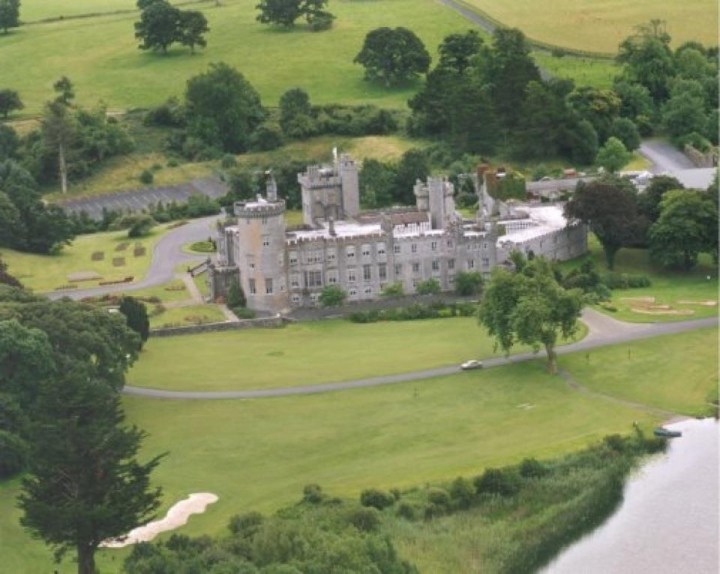
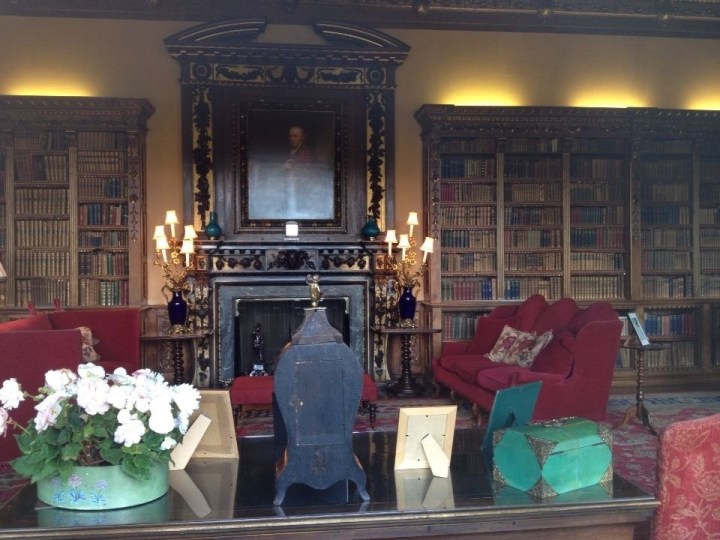
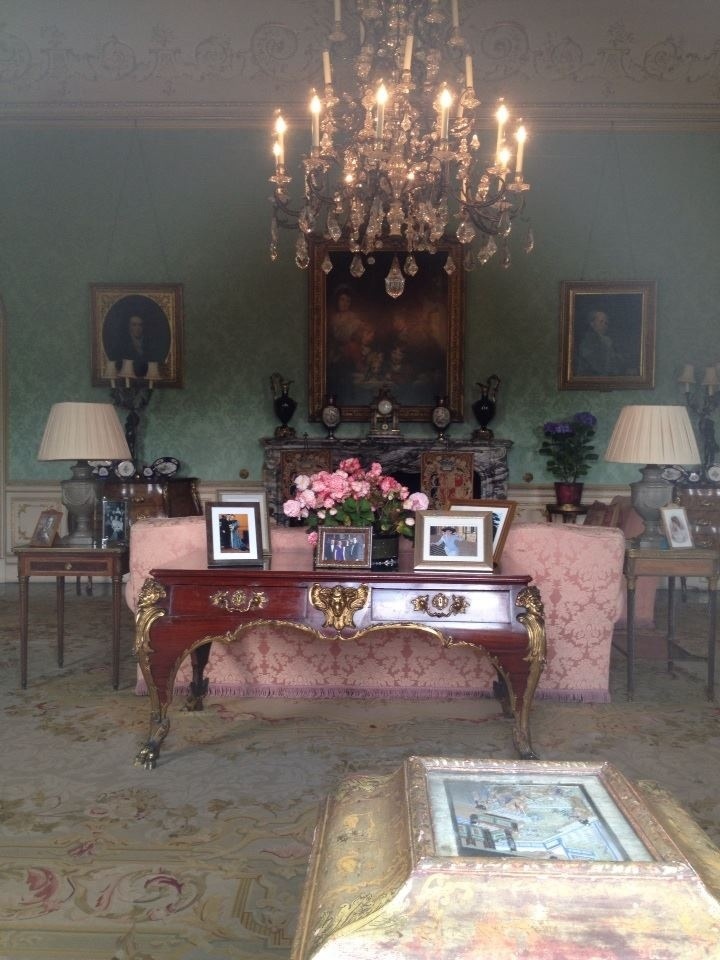
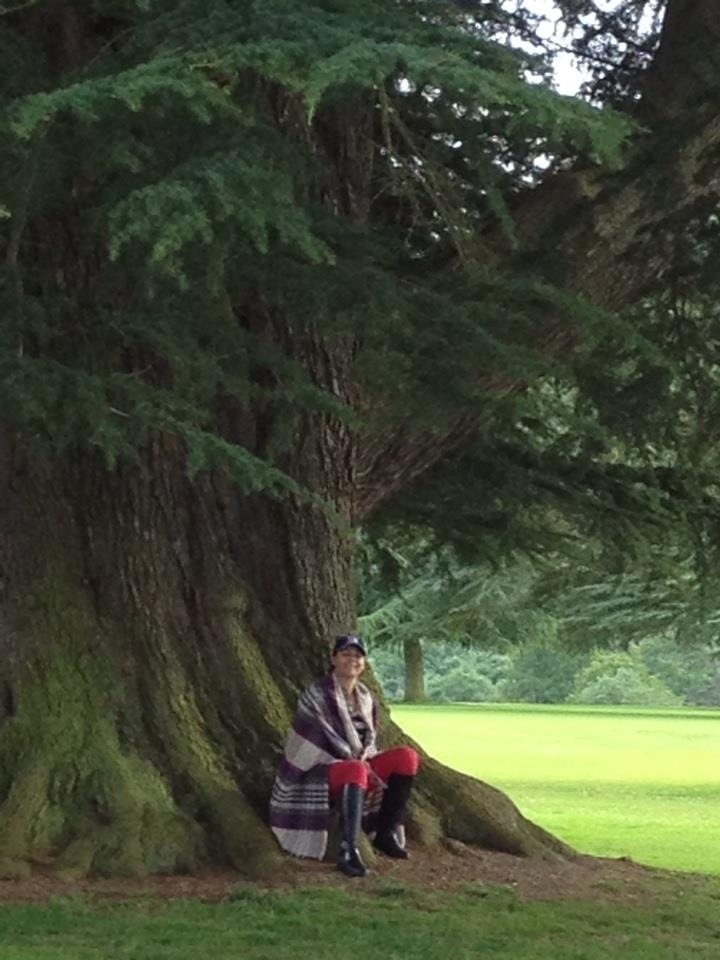
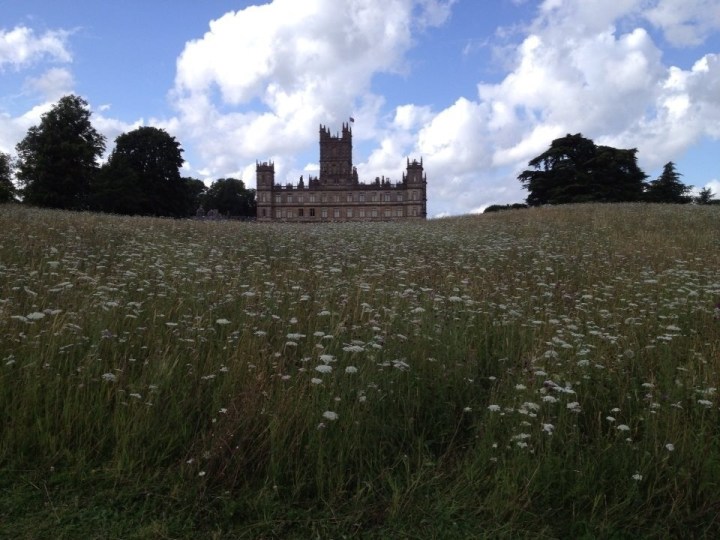
Maintaining Highclere Castle has been a difficult challenge for Lord Carnarvon, who is the head of the Herbert family. When he succeeded, he inherited about 8,000 acres. Some he sold to pay inheritance taxes, and since then he has made over the remainder to his son, Lord Porchester, and his grandson—but kept for himself the castle and his stud farm, amounting to about 600 acres. There are nine different entrances to this domain, which has a circumference of 16 miles, with three lakes on the grounds, and 56 Cedars of Lebanon, planted a good bit over three centuries ago.

Pictures have had to be sold, family silver and a fine pearl necklace also, and over the years, some of the outlying parts of the estate. But Lord Carnarvon was determined not to sell the family seat, and the status quo is preserved. The red-and-blue flag still waves valiantly and proudly from the tower over the castle.

In spite of the upkeep, life here has always been enjoyed in great style. Much attention is paid to detail. For example, when Lord Carnarvon gave a ball for a thousand guests in the 1950s, he wanted the house to be perfect. So the crenellations around the tower, which were falling apart, were reconstructed for the occasion in hardboard, and then floodlighted.

Lord Carnarvon lives at Highclere with a staff of seven. He is now 80, and remembers well his childhood in this house that has been in the family since the 18th century. When he was a small boy, there was a basic resident staff of 23—including a maid whose life was spent concocting preserves.
Lord Carnarvon went into the army when he was 18, and was posted to India with the Seventh Hussars. The problems of inheritance taxes were devastating, yet he managed to invest a considerable sum in modernization of the castle. The time of the lamplighter, who had orders to fill 150 lamps, came finally to an end.

Highclere has a long history. In the days of Edward VI, the Crown took possession of the manor on the site and granted it to another noble family. Over the generations it changed hands, eventually passing into the possession of the Herberts. At the end of the eighteenth century Henry Herbert was created first earl of Carnarvon.

From then on, major construction was done: making a park and lakes and rebuilding follies. Later, enormous plantings of azaleas and rhododendrons were made, and then the third earl altered Highclere Castle to the condition it is in now. He turned the place from house to castle with the assistance of Victorian architect Sir Charles Barry. In the custom of the time, the designs were molded along the Gothic lines of the Houses of Parliament.
20130525-134338.jpg
Full article:
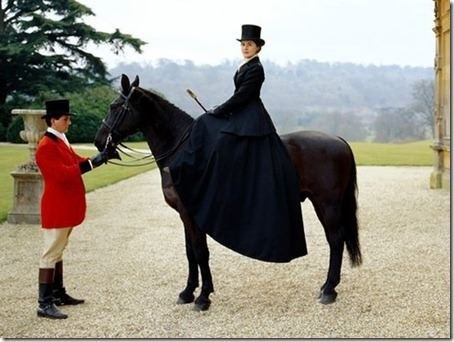
DOWNTON ABBEY

20130525-125414.jpg

20130525-125840.jpg

20130525-130952.jpg

20130525-130723.jpg

20130525-130735.jpg

20130525-125919.jpg
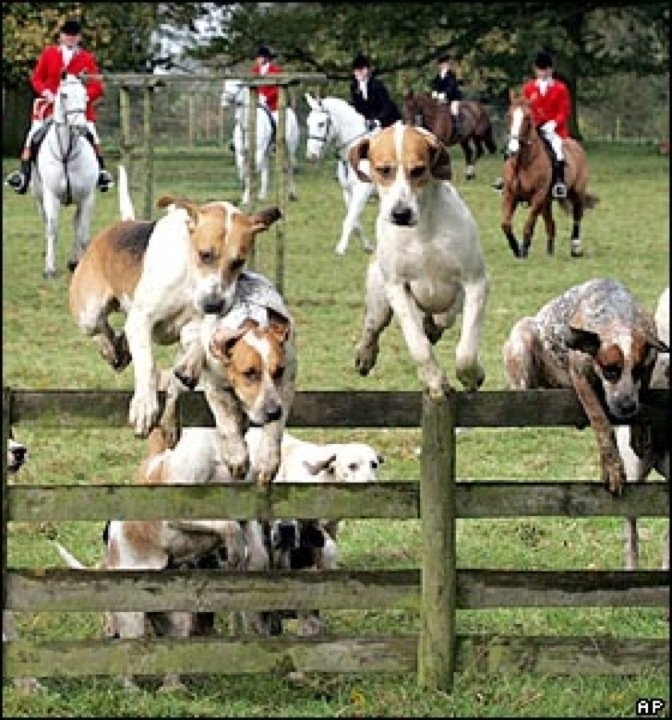
Many Greek- and Roman- influenced countries have long traditions of hunting with hounds. Hunting with Agassaei hounds was popular in Celtic Britain, even before the Romans arrived, introducing the Castorian and Fulpine hound breeds which they used to hunt.Norman hunting traditions were brought to Britain when William the Conqueror arrived, along with the Gascon and Talbot hounds.

20130525-130035.jpg
Foxes were referred to as beasts of the chase by medieval times, along with the red deer (hart & hind), martens, and roes, but the earliest known attempt to hunt a fox with hounds was in Norfolk, England, in 1534, where farmers began chasing foxes down with their dogs for the purpose of pest control .The first use of packs specifically trained to hunt foxes was in the late 1600s, with the oldest fox hunt being, probably, the Bilsdale in Yorkshire.

20130525-130112.jpg
By the end of the seventeenth century, deer hunting was in decline. The Inclosure Acts brought fences to separate open land into fields, deer forests were being cut down, and arable land was increasing.
With the onset of the Industrial Revolution, people began to move out of the country and into towns and cities to find work. Roads, rail, and canals split hunting countries,but also made hunting accessible to more people. Shotguns were improved during the nineteenth century and the shooting of gamebirds became more popular.

SPRING HUNT ATTIRE

20130525-130148.jpg
Fox hunting developed further in the eighteenth century when Hugo Meynell developed breeds of hound and horse to address the new geography of rural England.

20130525-130338.jpg

20130525-130354.jpg

20130525-130519.jpg
In Germany, hunting with hounds (which tended to be deer or boar hunting) was first banned on the initiative of Hermann Göring on July 3, 1934. In 1939, the ban was extended to cover Austria after Germany’s annexation of the country. Bernd Ergert, the director of Germany’s hunting museum in Munich, said of the ban, “The aristocrats were understandably furious, but they could do nothing about the ban given the totalitarian nature of the regime.”

20130525-125755.jpg
Fox Hunt today is just a Sport and most of the hunts don’t kill the foxes.

Royal Ascot

20130525-122312.jpg

20130525-123700.jpg

20130525-124516.jpg

Queen Elizabeth II arrival at ASCOT

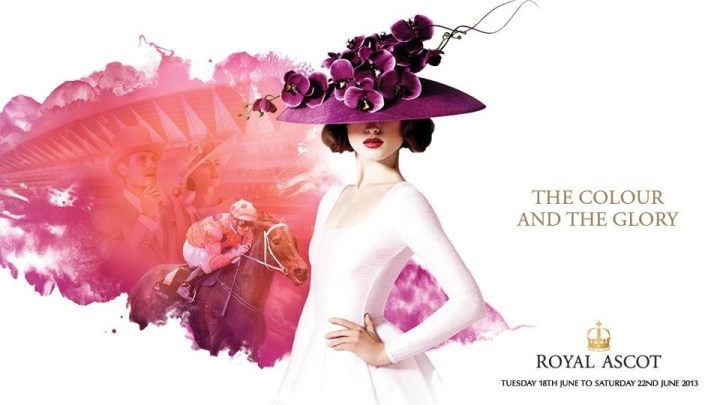
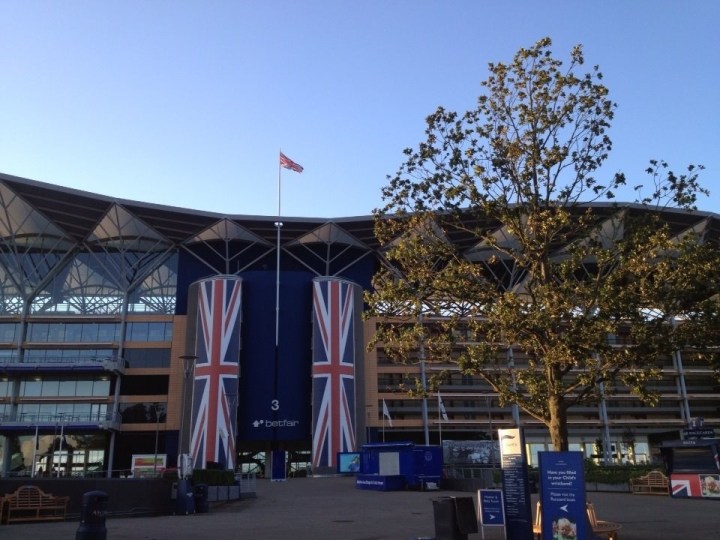
The centrepiece of Ascot’s year is held in June: Royal Ascot is without doubt the world’s most famous race meeting, steeped in history dating back to 1711. The royal family attend the meeting, arriving each day in a horse drawn carriage. It is a major event in the British social calendar. Although this has placed Ascot onto the British social map, it has many direct effects on the local community, not least of which are the associated traffic problems.

20130525-122409.jpg

20130525-122444.jpg

20130525-122832.jpg

Ascot Dress Code Fashion Tips

Ascot

20130525-115347.jpg

20130525-115434.jpg

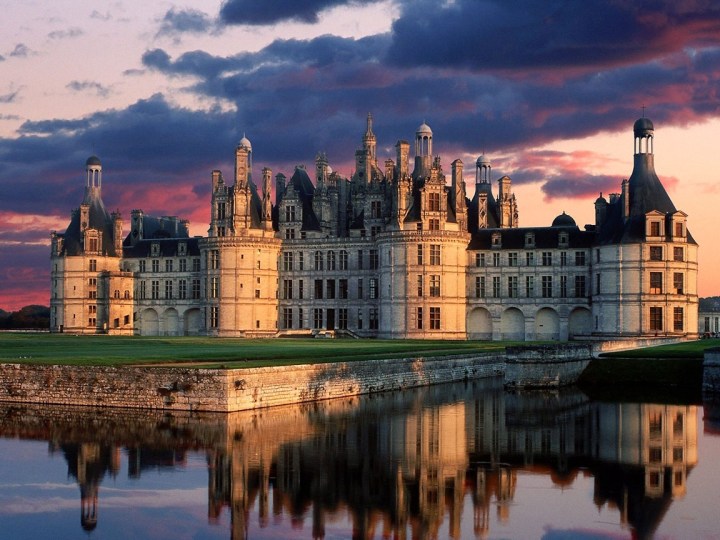
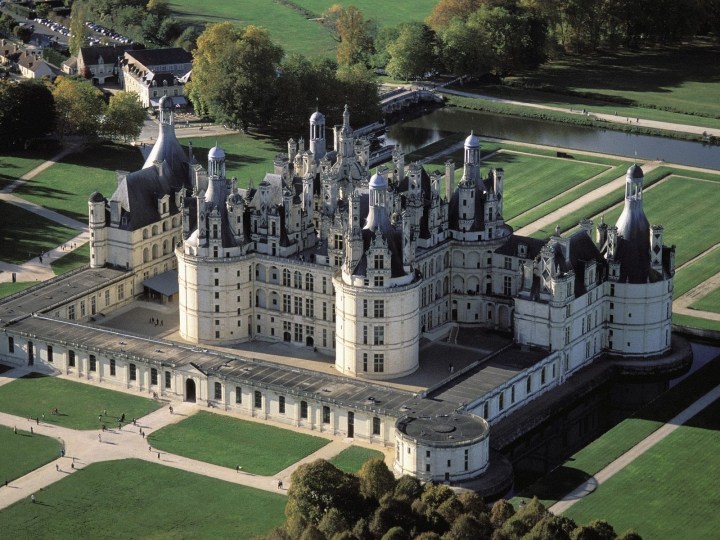
The royal Château de Chambord at Chambord, Loir-et-Cher, France, is one of the most recognizable châteaux in the world because of its very distinct French Renaissance architecture which blends traditional French medieval forms with classical Renaissance structures.The building, which was never completed, was constructed by King François I.

Chambord is the largest château in the Loire Valley ; it was built to serve as a hunting lodge for François I, who maintained his royal residences at Château de Blois and Château d’Amboise. The original design of the Château de Chambord is attributed, though with several doubts, to Domenico da Cortona. Some authors claim that the French Renaissance architect Philibert Delorme had a considerable role in the château’s design, and others have suggested that Leonardo da Vinci may have designed it.

Chambord was altered considerably during the twenty-eight years of its construction (1519–1547) during which it was overseen on-site by Pierre Nepveu. With the château nearing completion, François showed off his enormous symbol of wealth and power by hosting his old archnemesis, Emperor Charles V at Chambord.

In 1792, some of the furnishings were sold and timber removed. For a time the building was left abandoned, though in the 19th century some attempts were made at restoration. During the Second World War art works from the collections of the Louvre and Compiègne were moved to Château de Chambord. Now open to the public, in 2007 the château received 700,000 visitors.

20130525-113508.jpg

20130525-113520.jpg

20130525-113527.jpg

20130525-113722.jpg

20130525-113731.jpg

20130525-113739.jpg

20130525-113745.jpg

I Love Architecture and Design so every trip to me is inspirational .

20130525-114217.jpg

20130525-120408.jpg

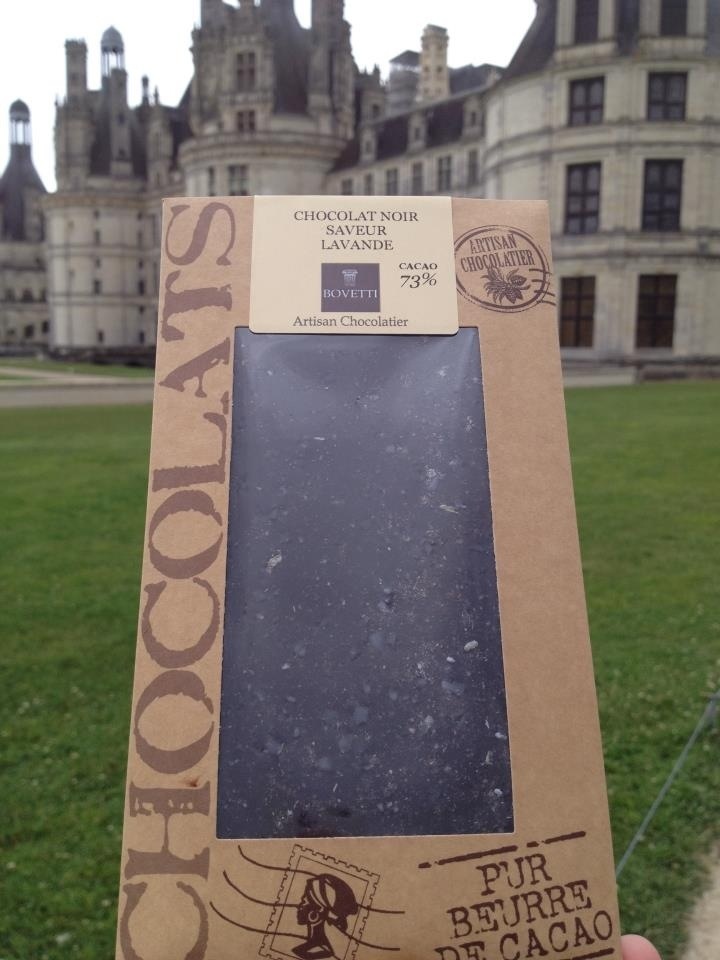
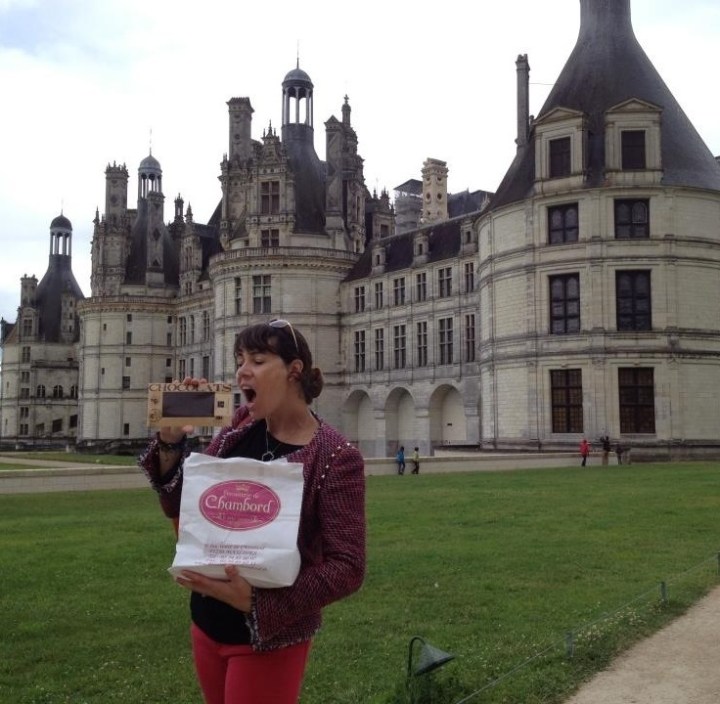
I always need to sweeten my day with a hint for dark chocolate. In this case is chocolate and lavender flower. Delicious……….

Chateau de Chambord

20130524-185802.jpg

20130524-185808.jpg

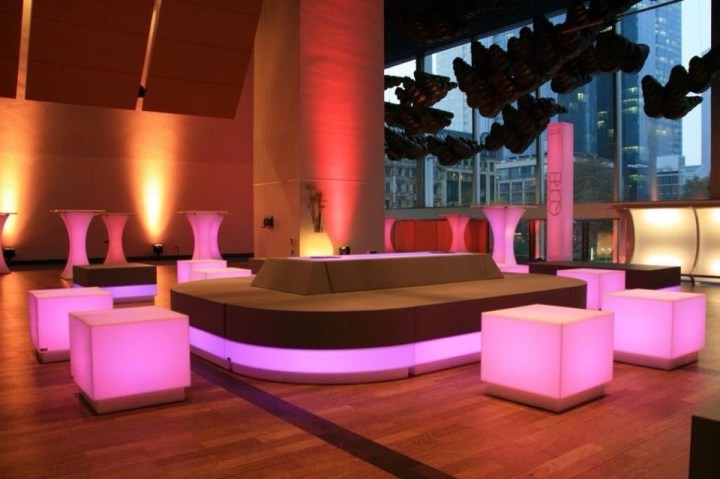
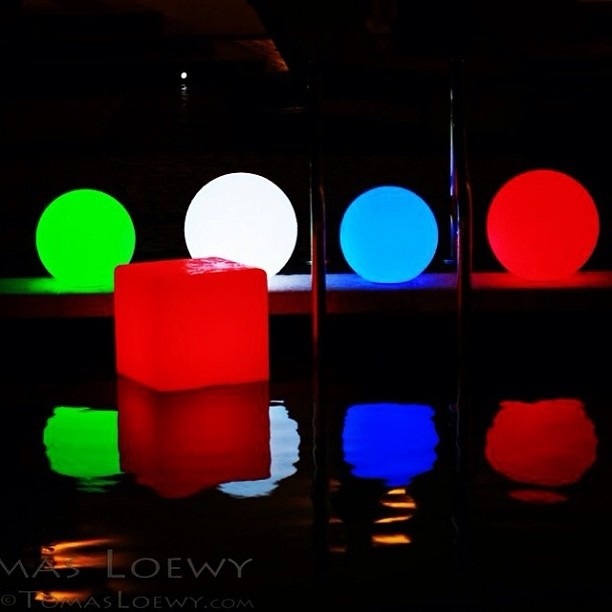
Color Cube LED lounge table

The simple design and shiny transparent plastic are very stylish and grade up your lounge.

The COLOR CUBE is equipped with a battery which lasts up to 60 hours and you can control the colors via our FUNKPRO-Remote.

20130524-190254.jpg

20130524-190300.jpg
It’s also possible to split up and control several groups with the FUNKPRO-Remote and you can combine different PUBLIC-LIGHT-products.Lighting Furniture for Events, Presentations, Reopenings, Exhibitions and for almost every Party, buy or rental nationwide.

20130524-190712.jpg

20130524-190726.jpg

20130524-190734.jpg
Butterfly

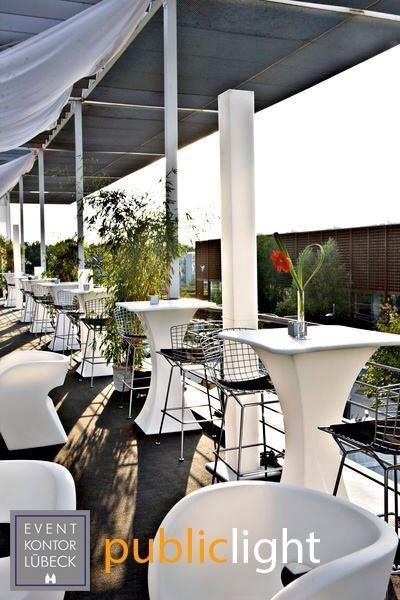
LED high table battery operated

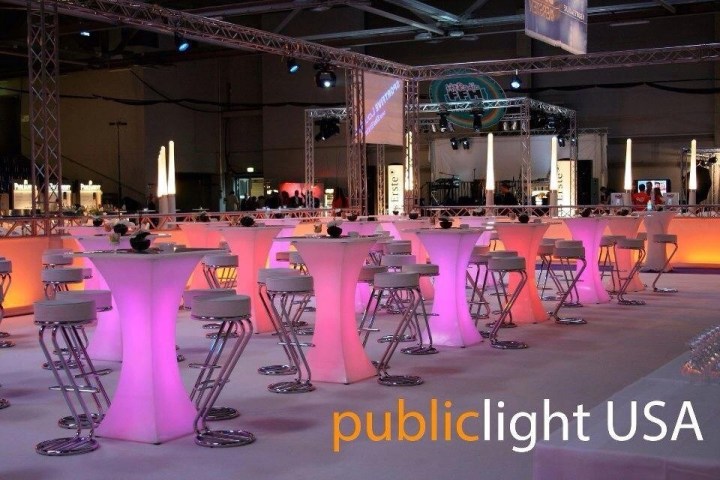
This glowing, atmospheric high table enchants your event. It’s easy to brand the weather resistant materials with your individual logo. The setup is very simple – the Butterfly is ready to start immediately.

The battery lasts up to 35 hours and because of its innovating LED technic with 2 high power RGB LEDs, you can create every conceivable color.

The Butterfly is delivered in 2 parts: the table body and a scratch-resisant tabletop with an acrylic surface.

Design Ideas

20130524-192855.jpg

20130524-192900.jpg

20130524-192910.jpg

20130524-192917.jpg
Public Light USA

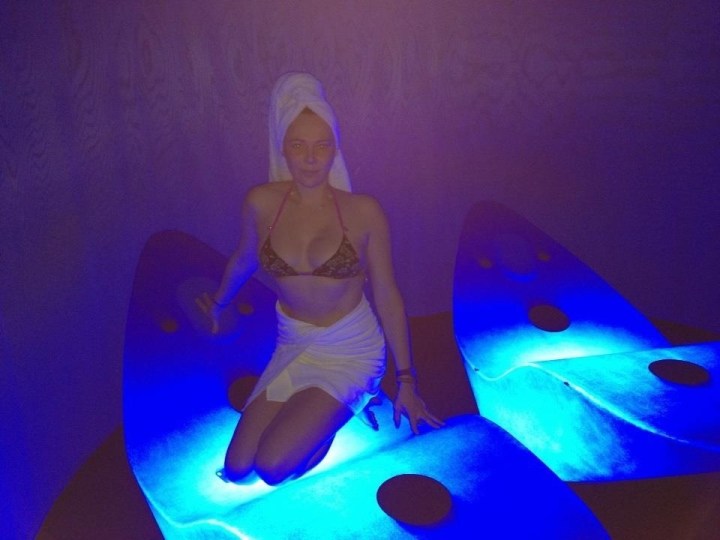
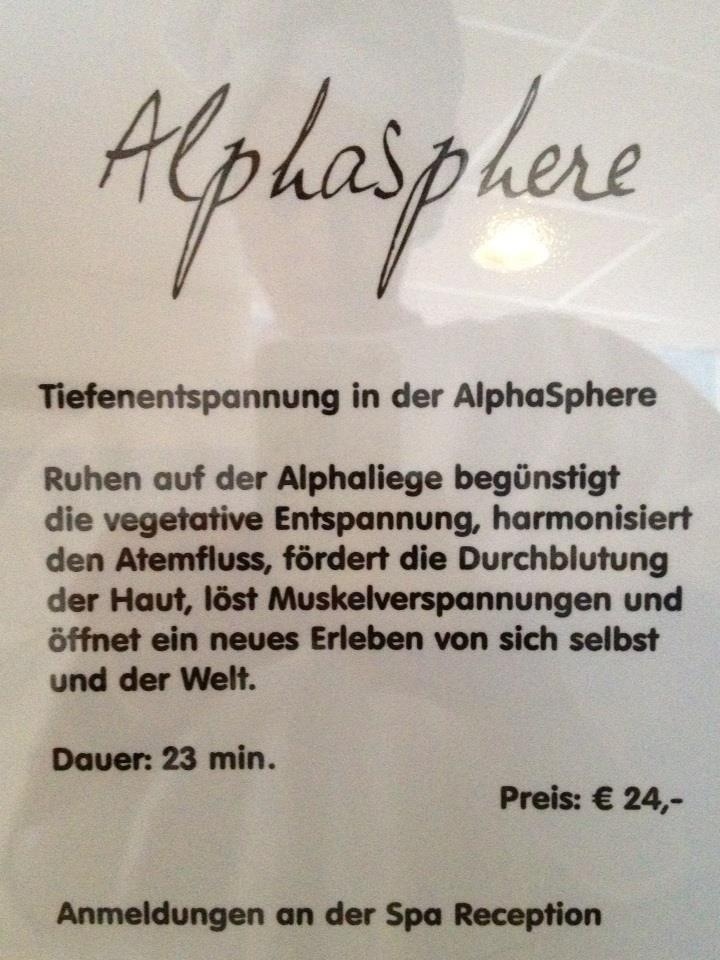
My own Alphasphere Experience in Austria

20130524-160827.jpg

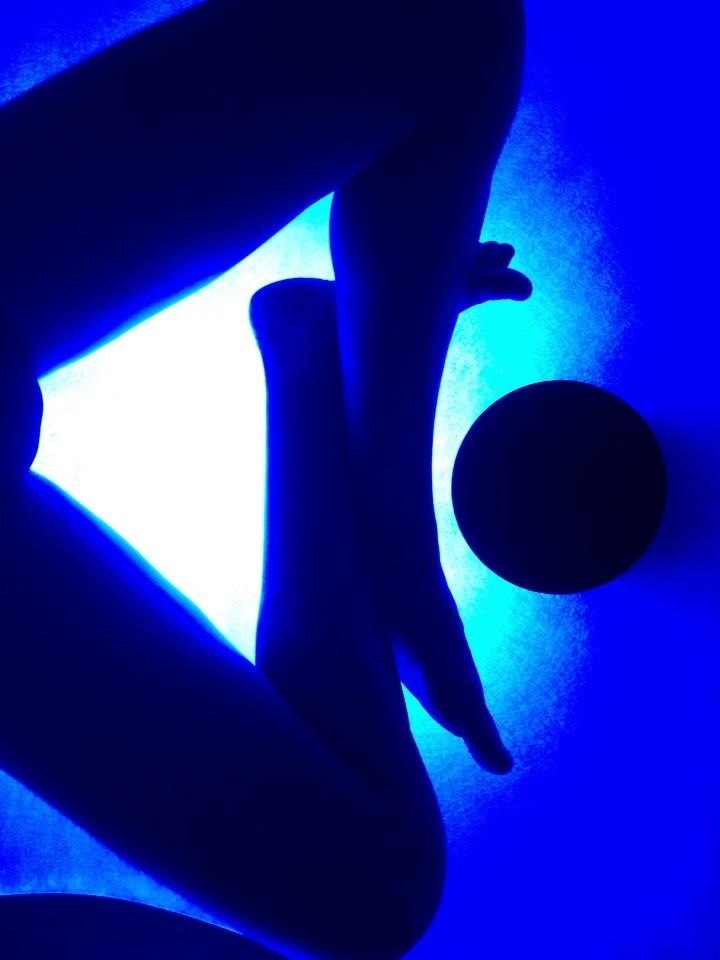
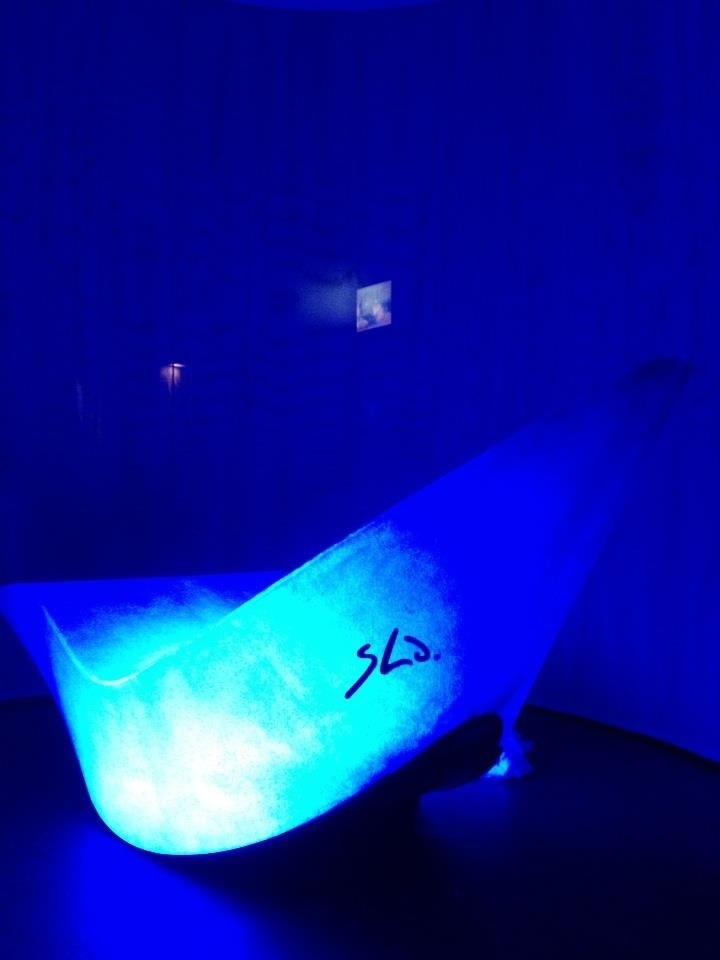
The AlphaSphere designed by the award-winning European designer Artis Sha is an amazing piece of furniture that is specifically made to satiate your senses.

Power Napping –
This piece of relaxation furniture from Vienna Artist and perception researcher, sha, which has now become a cult object, offers pure enjoyment all the way. In addition to the clear form and design style, this exceptional item of relaxation furniture also has many inner values to offer: the multi-sensory experience of the various perception levels, color, lighting, sound, warmth or vibration, ensures stress reduction, increased creativity and relaxation all at the same time. Wellness and fitness at the workplace or at home – fully in keeping with today’s trend.

20130524-160851.jpg

20130524-160901.jpg

20130524-160917.jpg

20130524-160930.jpg

20130524-160938.jpg

20130524-160944.jpg

20130524-160953.jpg

20130524-160959.jpg

20130524-161010.jpg

20130524-161016.jpg

20130524-161021.jpg

20130524-161026.jpg

20130524-161106.jpg

AlphaSphere is an electronic musical instrument that was designed and developed by nu desine, an award winning company based in Bristol, UK.

The primary concept of the AlphaSphere is to increase the level of expression available to electronic musicians, by allowing for the playing style of a musical instrument.
Even before the product had been fully developed it had appeared at many events worldwide including the NAMM Show, Musikmesse, TEDx conferences, and the Future Everything Festival,and received press from popular organisations such as Sound on Sound, BBC, Wired and MusicRadar.

Alphasphere

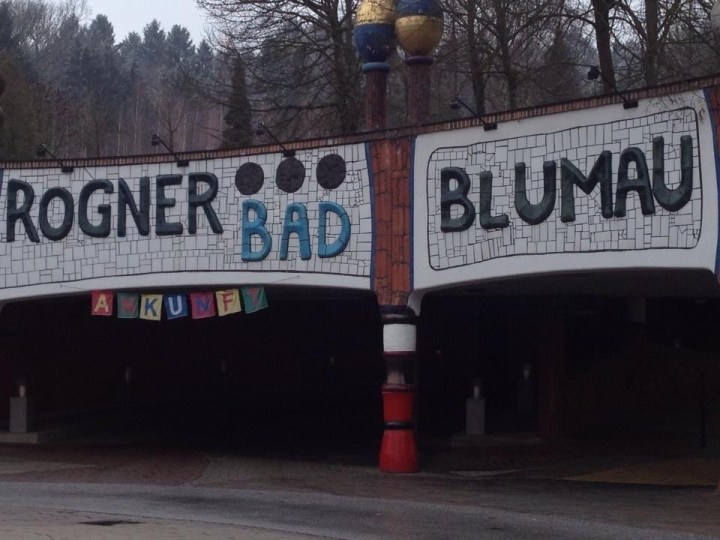
My visit to Austria at The Rogner BAD BLUMAU Volcanic Waters…..

Rogner Bad Blumau

20130524-153207.jpg

20130524-153220.jpg

20130524-153233.jpg

20130524-153243.jpg

20130524-153252.jpg

About Rogner-Bad Blumau

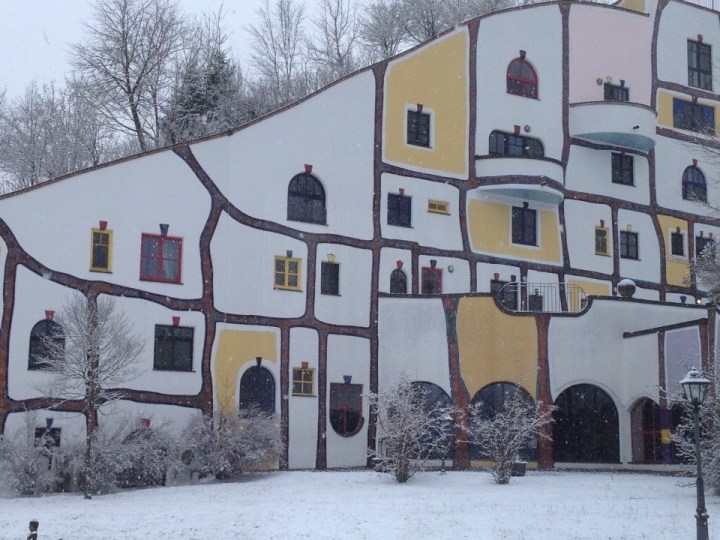
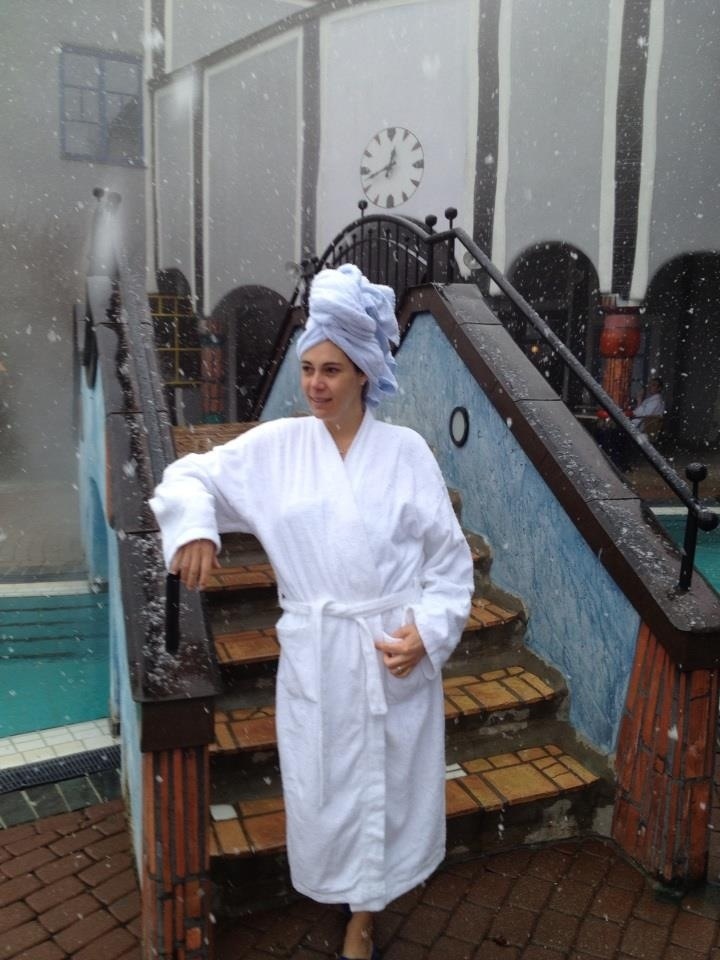
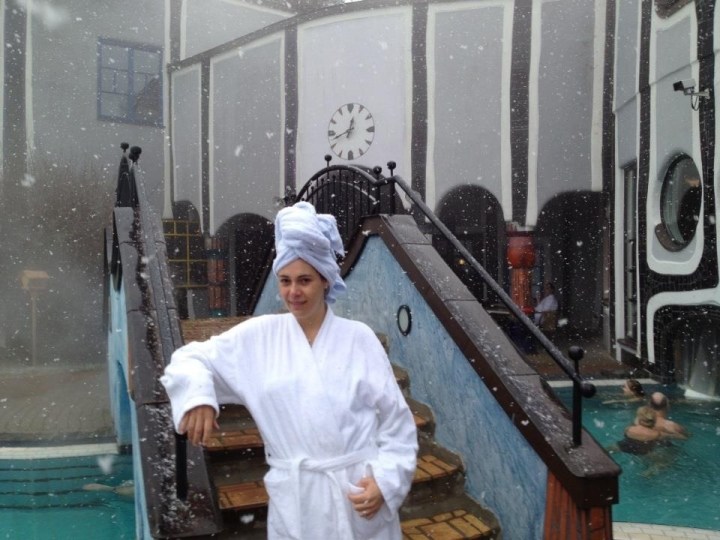
Designer Spa resort with grass covered roofs and surreal rainbow facades.

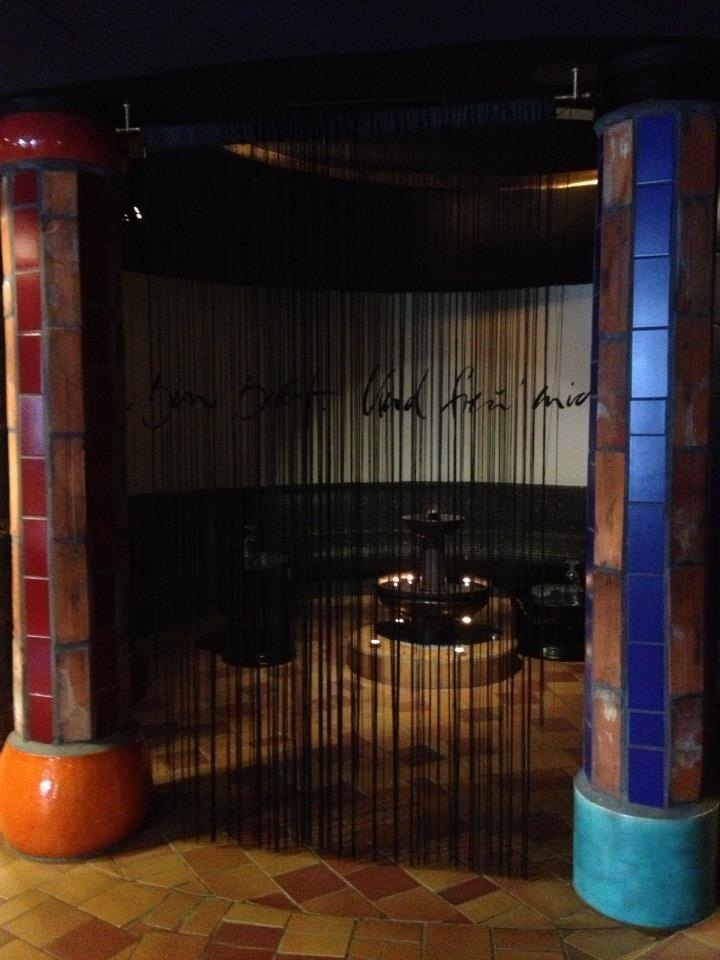
The hot spa in the Rogner-Bad Blumau resort was first drilled in 1978. Thankfully water was discovered, prompting the building of a hotel – not an oil well. Inaugurated in 2000, Rogner Bad Blumau has a simply amazing eclectic design with the roof of the main buildings grass covered, following a rolling hill profile.

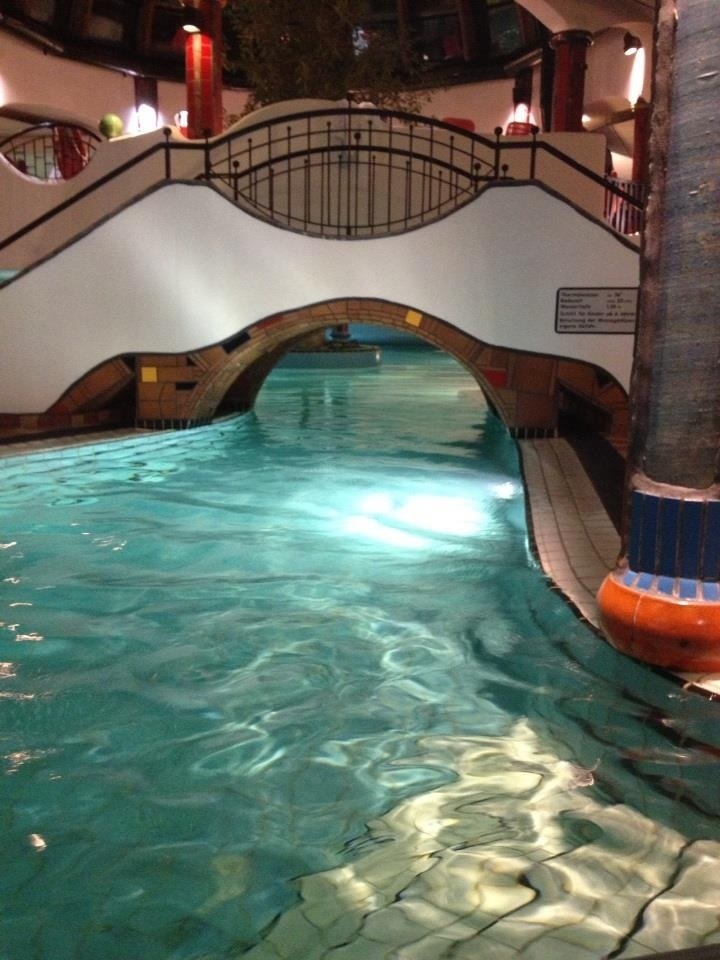
Some of the rooms are underground, with windows facing lit courtyards, while others follow the rolling design of the surrounding landscape. The spa is at the centre of the complex, with an award winning gourmet restaurant among the facilities. The spa has a variety of saunas and health facilities and offers a number of wellness programmes. The hot springs also provide heat and generate power for the resort.

Hundertwasser’s artistic vision shares common themes, bright colours, organic forms, strong individualism, and a rejection of the straight line. Calling straight lines “the devil’s tools”, his architectural work is comparable to Antoni Gaudí. His work has been used for flags, stamps, coins, posters, schools, churches, and most impressively a public toilet in his adopted home of New Zealand. Hundertwasser considered New Zealand as his official home, and no matter where he went in the world, his watch was always set to New Zealand time.

Walking around the resort coupled with the de-stressing spa facilities makes for a surreal experience.

20130524-153709.jpg

20130524-153715.jpg

20130524-153721.jpg

20130524-153727.jpg

20130524-153732.jpg

20130524-153745.jpg

Architecture

Architecturally designed by Friedensreich Hundertwasser in harmony with nature, Rogner Bad Blumau is laid out in four irregular quarters. The ring-shaped inner and extensive outer spa area constitutes the centre. A wide variety of living, bathing and restaurant areas branch out from the centre into the open landscape, offering countless opportunities for peaceful retreat.

Uneven floors, “trees of life”, “dancing windows”, colourful and overgrown roofs – each building tells a story.

20130524-154240.jpg

20130524-154247.jpg

20130524-154253.jpg

Graz Unesco City of Design

20130524-150623.jpg

20130524-150631.jpg

20130524-150639.jpg

20130524-150651.jpg

20130524-150700.jpg
Why was Graz selected as a City of Design?

Initially, political support provided by government structures benefited the creative industries overall. The Styrian government’s Business Department laid the foundation for setting up and funding the Creative Industries Styria GmbH. Since 2007 the Creative Industries Styria have been continuously working on the application and project of UNESCO City of Design.

The application follows a joint initiative by the Styrian government’s holder of the Economy and Innovation portfolio, Dr. Christian Buchmann and Graz’ mayor Mag. Siegfried Nagl, who are both solid supporters of the creative economy. That goes hand-in-hand with a statement of Lena Hoschek, a fashion designer from Graz:

“Being a City of Design means avoiding to subordinate young wild creative people to both everyday life and politics.”

Places I L.O.V.E

Mur Island | Acconci Studio Architects

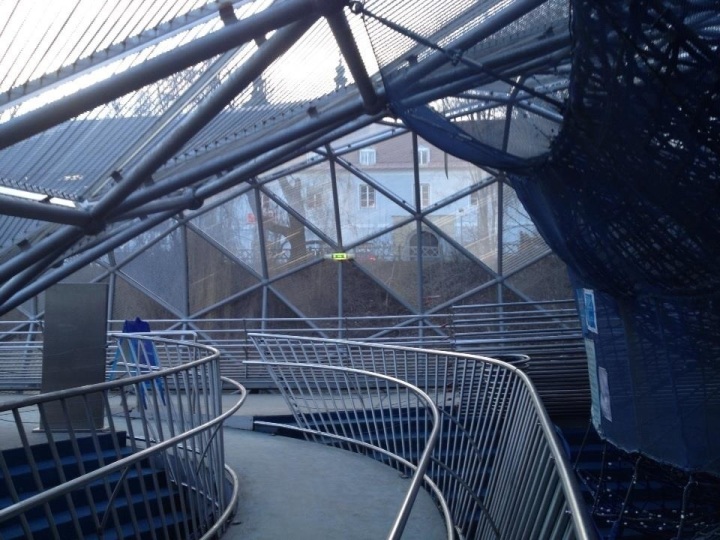
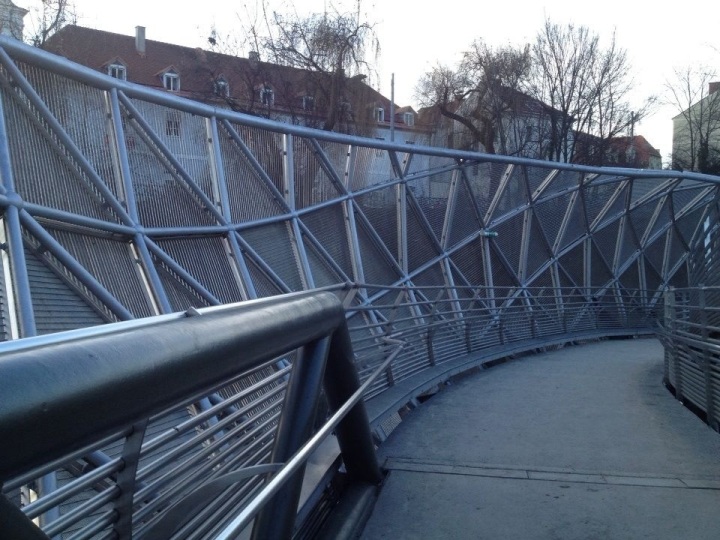
A twist in the river, a node in the river: the node is an island. The island is a circulation-route: a dome that morphs into a bowl that morphs into a dome. The bowl functions as a theater; the inside of the bowl is lined with bleachers – transparent bleachers, made of grating or perforated metal – that step down to a stage at the bottom of the bowl. When the bowl is not being used as a theater, it functions as a public space, a plaza, in the middle of the river; each line of bleachers waves in and out, it expands and contracts – instead of sitting straight ahead, facing front, you can sit face-to-face, for everyday conversation.

20130524-151329.jpg

20130524-151342.jpg

20130524-151358.jpg

20130524-151427.jpg

20130524-151438.jpg

20130524-151445.jpg

20130524-151453.jpg

20130524-151501.jpg

20130524-151508.jpg

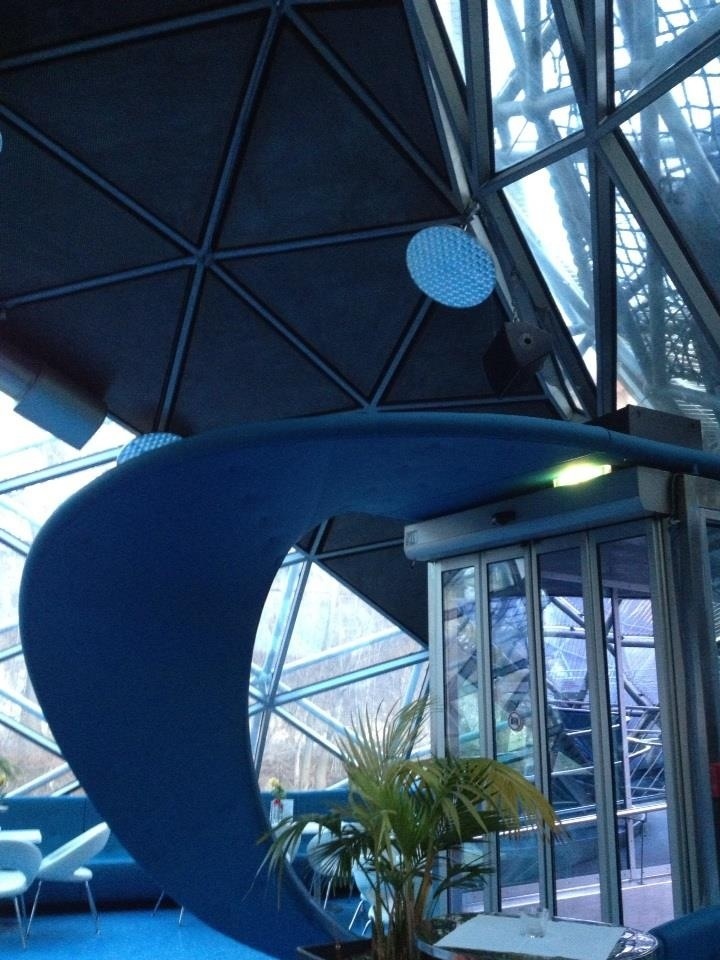
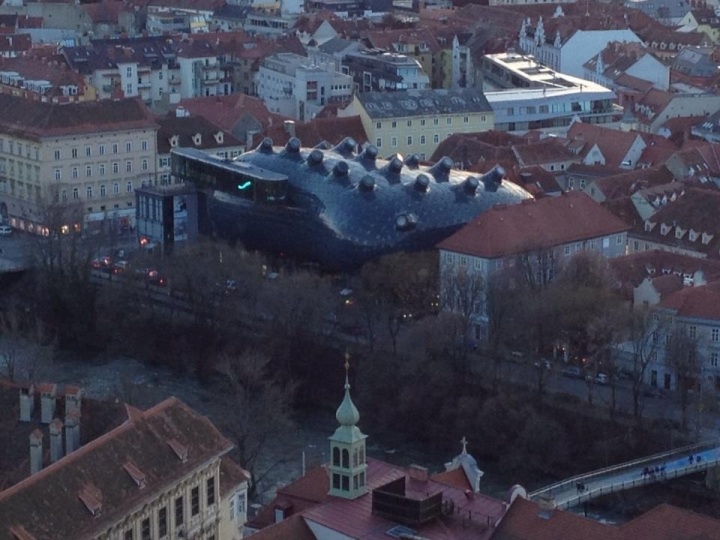
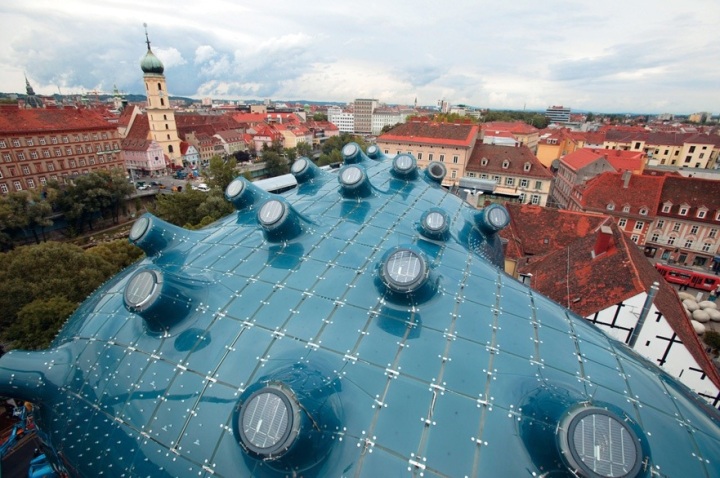
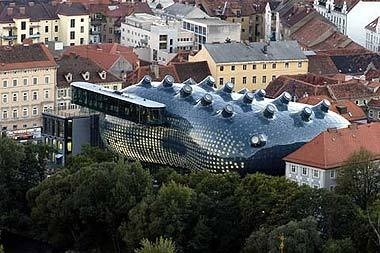
President Building: Kunsthaus Graz (Cook and Fournier) – Graz, Austria

Kunsthaus Graz (Graz Art Museum) sets itself apart from other art galleries and museums in that it avoids the pure white clean walls traditional to this buildings function, instead opting for a playful, organic and unusual form and finish.
The art museum designed by Peter Cook and Colin Fournier is a fantastic example of blobby architecture, and has been dubbed by its designers as the “friendly alien”.

The second outer skin of the building is a translucent warm blue acrylic plastic. Set beneath the outer skin are 930 fluorescent ring shaped lights, each effectively a pixel, which combined create a dynamic media.

20130524-151739.jpg

20130524-151838.jpg

20130524-151856.jpg

20130524-151918.jpg

AR·CHI·TEC·TURE/ ÄRKIˌTEK-CHƏR/

2. a) formation or construction resulting from or as if from a conscious ;
a unifying or coherent form or structure.

The answer is as much time as needed to get what we want. But when we step back and look at our lives, the question that arises for me is this: How much time do we take to design our dream life?

What I mean when I say architecture has everything to do with designing your life. Just like a home, planning the details of your life can lead you to huge benefits and generally lead you where you want to go. On the flip-side, over-planning, over-thinking, and worrying about every little detail will mire you down in the muck. That’s not good and keeps you from that life you want.

Architecture is everything you put into your life. Right now you have architecture in place, you just may not call it that. If you have a job, that’s architecture that gets you a paycheck. If you have a business, your clients are part of the architecture that gets you paid.
What if tomorrow you woke up and decided, today I’m going to design my dream life. Today, I’m done dreaming about some life in my imagination and then actually got off your ass and created that life. Human beings are addicted to comfort and as long as we hide behind the easy, we rarely have a chance to get the life we truly desire.

20130524-005100.jpg

Many times we face a path like this one. Rocks on both sides and a narrow passage with rising and falling water in between. Where we want to go is on the other side and we can choose the short cut that looks like this or the long way around. Neither is right or wrong, but the proper architecture get’s you through the short cut safely and avoids the long route. Not all architecture will be a short cut but since you already have architecture in your life by default, how about take that and design what you really want.

Life Architect

20130524-005641.jpg

20130524-005847.jpg

20130524-005917.jpg

20130524-010047.jpg