My Father, The Captain:
My Life with Jacques Cousteau by: Jean-Michel Cousteau
with Daniel Paisner
The more I look back on my father, Jacques Cousteau, and his legacy, the more I realize how much he is a part of our times and how, had we listened more carefully, things might be different.
He was a pioneer who broke barriers with his inventions, like the Aqualung and underwater cameras, but he was also a visionary in the sense that he understood the consequences of the trends he witnessed. He foresaw the risks of nuclear technology and waste; he projected the devastating results of overfishing, overexploitation of habitat, and climate change; and he spoke consistently about population growth and the strain on the natural system.
Jacques Cousteau, along with my brother and I, founded one of the earliest environmental organizations to communicate the issues we were encountering and to educate an international audience. He wrote the draft of “The Rights of Future Generations” for the United Nations as a vehicle to embody the principle of sustainability and responsible resource management. He constantly exercised his brilliant intellect in the service of global solutions. He never stopped until, in his words, he was “unplugged.”
He wielded another power that is rare—he poetically made sense of the incomprehensible and gave us each a way of looking at the world that made action possible. For example, on an isolated riverbank in the Amazon, just as we had released a rescued sea otter named Cacha, my father turned to me, full of emotion, and said, “Jean-Michel, people protect what they love.” That became for me a motto of my father’s work and an emblem of the commitment we all must make to the world that surrounds us.
The proposed project will take 10 times longer and require more than 600 days of blasting. Remember, there is no “undo” button, once we initiate the deep dredge project.
We have learned that global climate change is pushing oceanic ecosystems beyond their tipping point. Ocean acidification is killing corals and phytoplankton on a world-wide scale, while sea level rise is affecting mangroves and grass flats in our near shore areas.
Biscayne Bay is much smaller and more fragile than the world’s oceans. Under these new conditions, large-scale development projects the bay could once recover from would push it over the brink today. How much will it take to do that? by Dan Kipnis
One of the most innovative, practical, and functional coral nurseries on the planet can be found just a few miles off the shores of Key Largo. The nursery consists of thousands of neatly organized colonies of the critically important staghorn coral (Acropora cervicornis) grown by the Coral Restoration Foundation (CRF) for the purpose of transplantation back to the reef. Staghorn corals have been decimated by disease and extreme weather here in Florida over the past 30 years, resulting in a seriously degraded reef ecosystem. Fortunately the CRF has developed methods that maximize the growth potential of these corals in their nursery, demonstrating that coral aquaculture is a realistic and effective way to restore beleaguered wild populations.
Miami Environmental Groups Sound Alarm on Impacts of Port of Miami Projects Please sign this petition:
RUBEN & ISABEL TOLEDO AT FUNKSHION MIAMI DESIGN DISTRICT
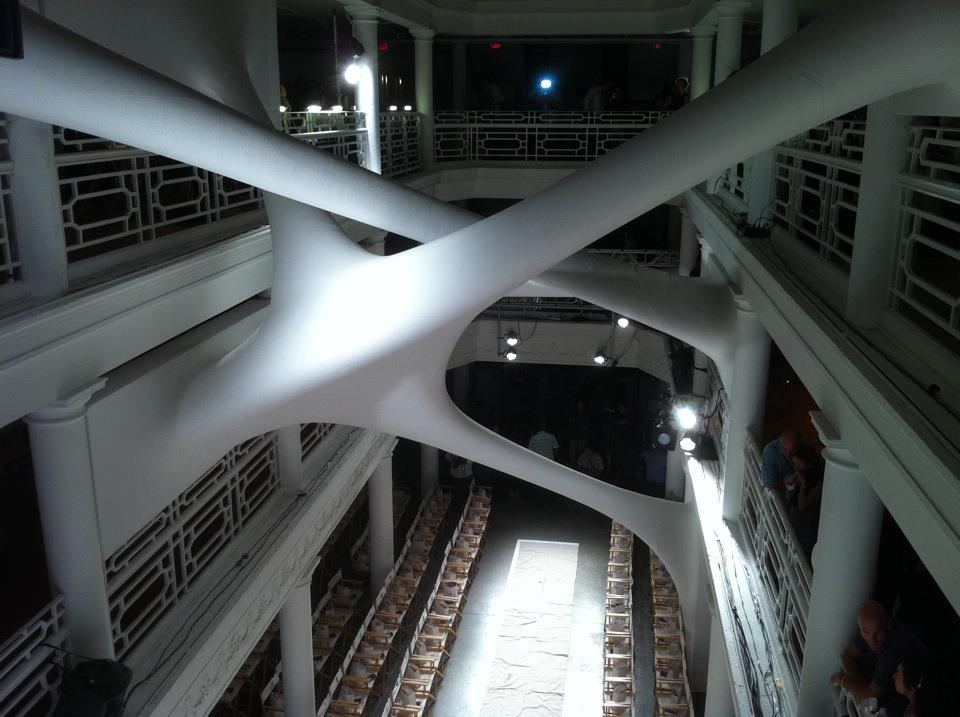
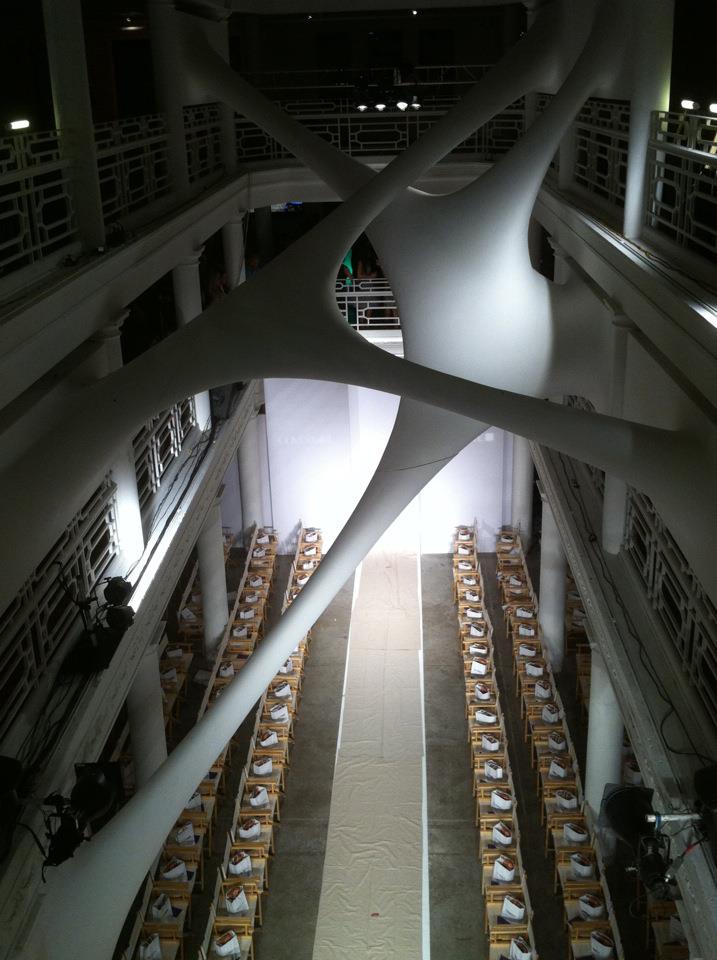
The Moore Building.
A love affair
Ruben Toledo was born in Havana, Cuba in 1961 and is at once a painter, sculptor, illustrator, fashion chronicler and critic, and surrealist.Isabel Toledo was born in Cuba. She attended the Fashion Institute of Technology (NY) and Parsons School of Design (NY).
Yesterday was the FGI Lifetime Achievement Award to Isabel And Ruben Toledo presented by Vanidades Fashion Show.
Isabel and Ruben Toledo’s surreal view of life brings humor and unconventionality to her industrial world. Two highly talented individuals working in synergy. Muse to her husband’s sculpture, painting and illustration, Isabel Toledo conceives of shapes and structures to clothe the human body.
Below: The Moore Architectural columns and one of their handbags.
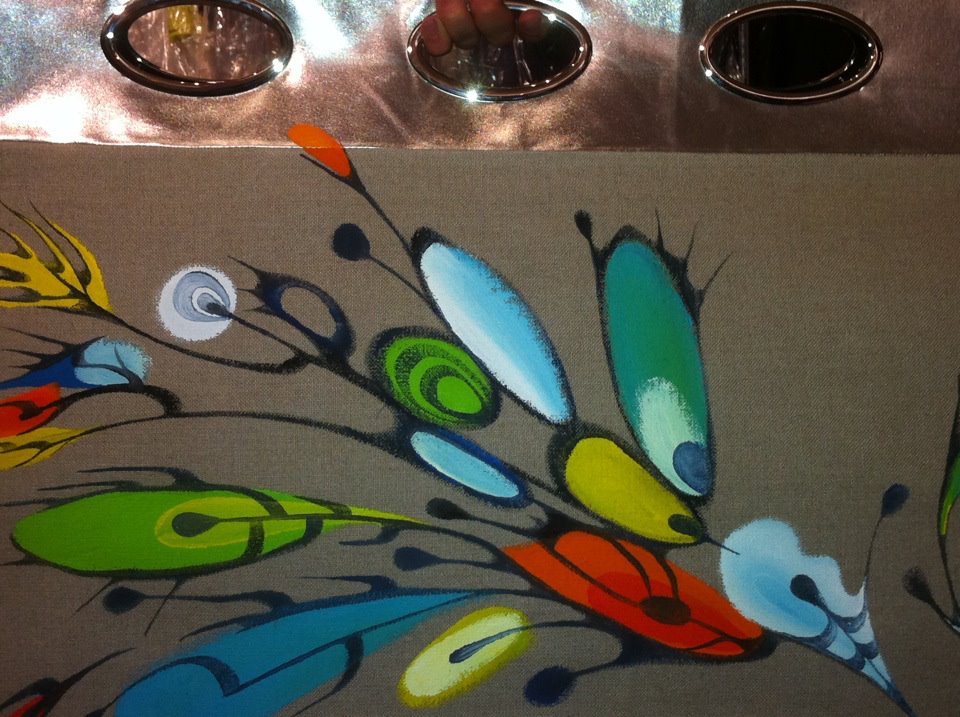
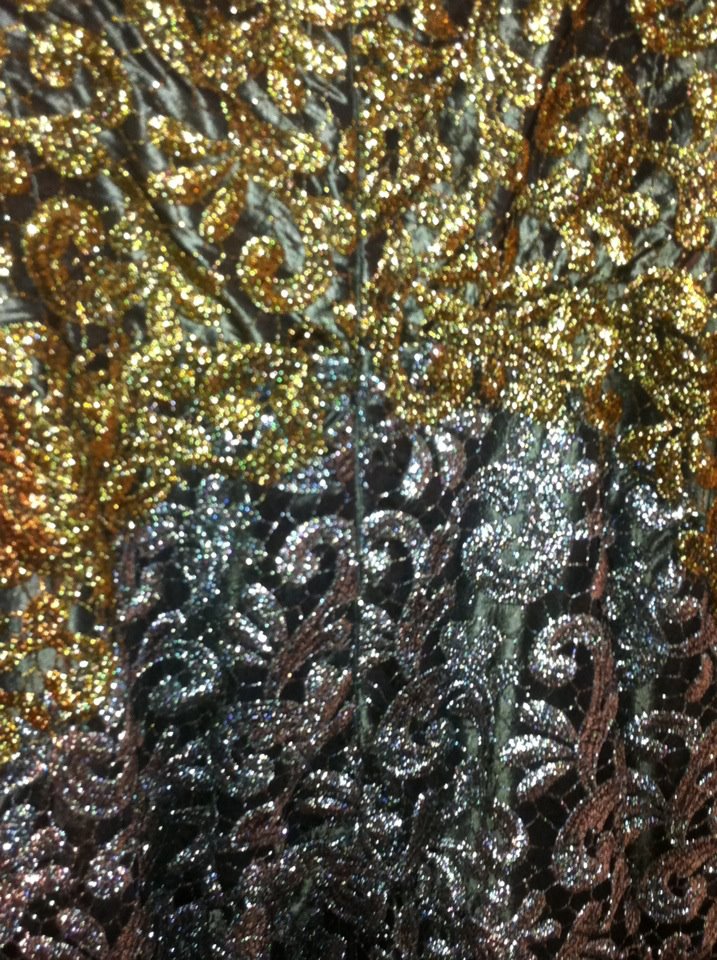
Above:One of their pattern designs blending with The Moore curves.Isabel & Ruben Toledo attention to detail and perfect grooming such great dresses, accessories and shoes!I’m Speechless……….
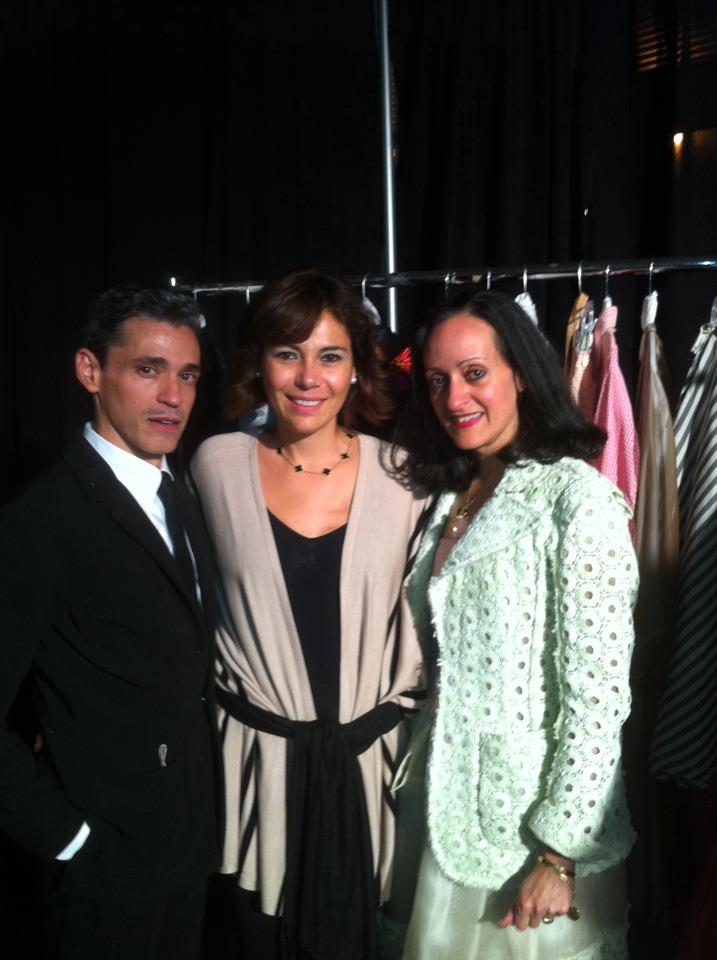
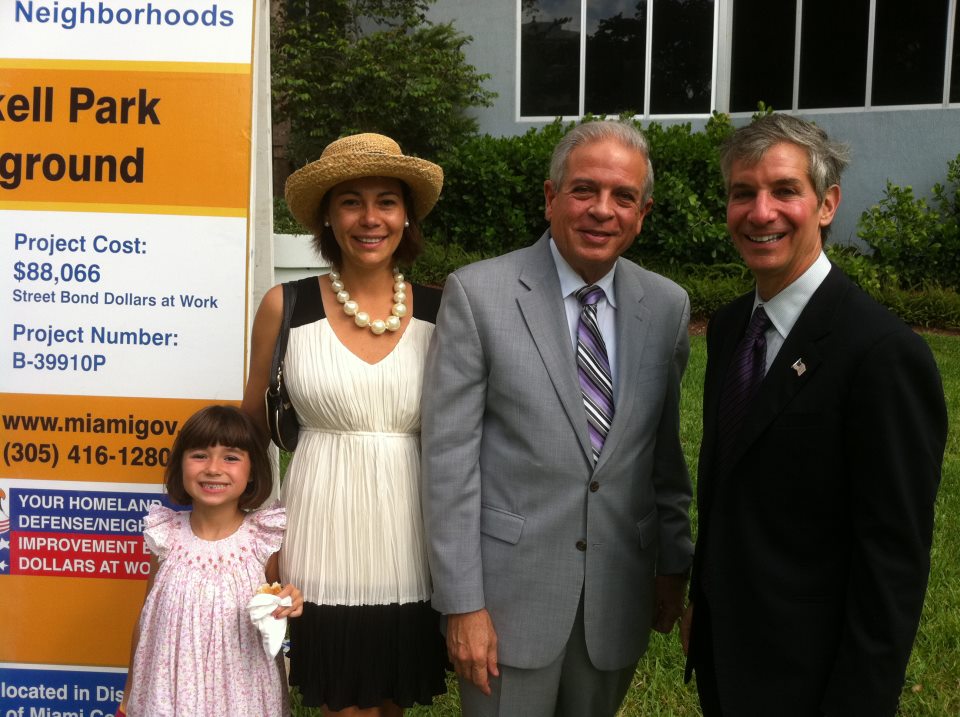
Ruben Toledo, Adriana Sassoon and Isabel Toledo
Photo by Asa Garvin III- Adriana Sassoon and “Haute Living” Nick Betancourt
“Our goal is to create a highly recognized annual event in South Florida that will educate, motivate, and inspire attendees through films dealing with contemporary environmental issues.”
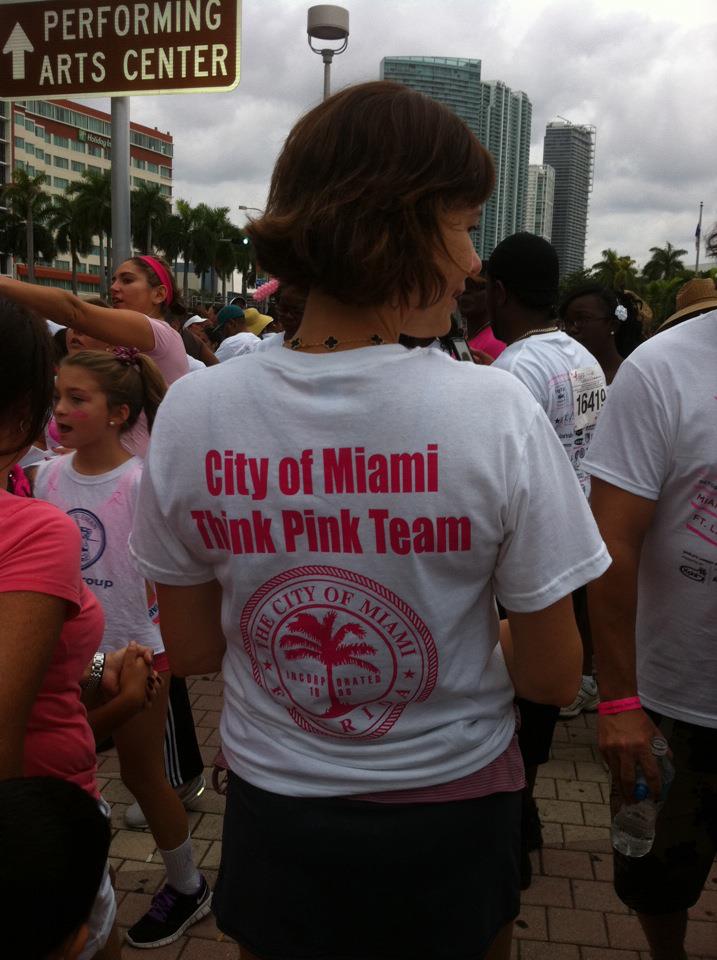
Breast cancer is a type of cancer where cells in the breast tissue divide and grow without normal control. It is a widespread and random disease, striking women and men of all ages and races. It is the most prevalent cancer in the world today, with about 1.3 million people diagnosed annually. The exact cause of the disease is unknown, and at this time, there is no cure.
But there is hope. Thanks to heightened awareness, early detection through screening, improved treatment methods and increased access to breast health services, people have a greater chance of survival than ever before.
The Susan G. Komen for the Cure national website, komen.org, offers comprehensive information about breast cancer risk factors, early detection and screening, diagnosis and treatment. Developed in conjunction with the Harvard School of Public Health, the site offers a one-stop resource for all the latest information on the disease.
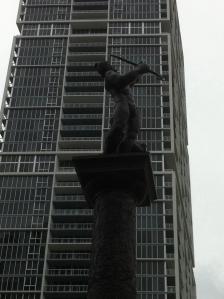
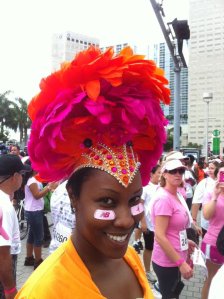
Bayfront Park in Miami and Brickell Avenue .
Education and Early Detection Increase Survival
There is no known cure for advanced breast cancer.
Detection of breast cancer at an early stage provides a greater chance for a cure and more treatment options.
When the disease is confined to the breast, the 5-year survival rate is more than 95%.
More Caucasian women than African American women develop breast cancer. However, more African American women die of breast cancer.
Approximately 80% of breast cancers occur in women 50 years and older. The mortality rate would decrease by 30% if every woman over 50 was informed and followed the early screening guidelines.
National Statistics (2010 estimated)
Breast Cancer in African American Women
Breast cancer is the most common cancer among African American women. It is also the second leading cause of cancer death among African American women, exceeded only by lung cancer. In 2011, an estimated 26,840 new cases of breast cancer and 6,040 deaths are expected to occur among African American women.
Breast cancer incidence in African American women is lower than in Caucasian women. Breast cancer mortality, however, is 39 percent higher. Although breast cancer survival in African American women has increased in recent decades, survival rates remain lower than among Caucasian women. From 1999-2006, the five-year relative survival rate for breast cancer among African American women was 78 percent compared to 90 percent among Caucasian women. There are many possible reasons for this difference in survival. Factors that may all play a role include:
Breast cancer is the leading cause of cancer deaths for women between the ages of 40 and 59.
The majority of all breast cancers occur in women with no known risk factors.
All women are at risk; risk increases with advancing age.
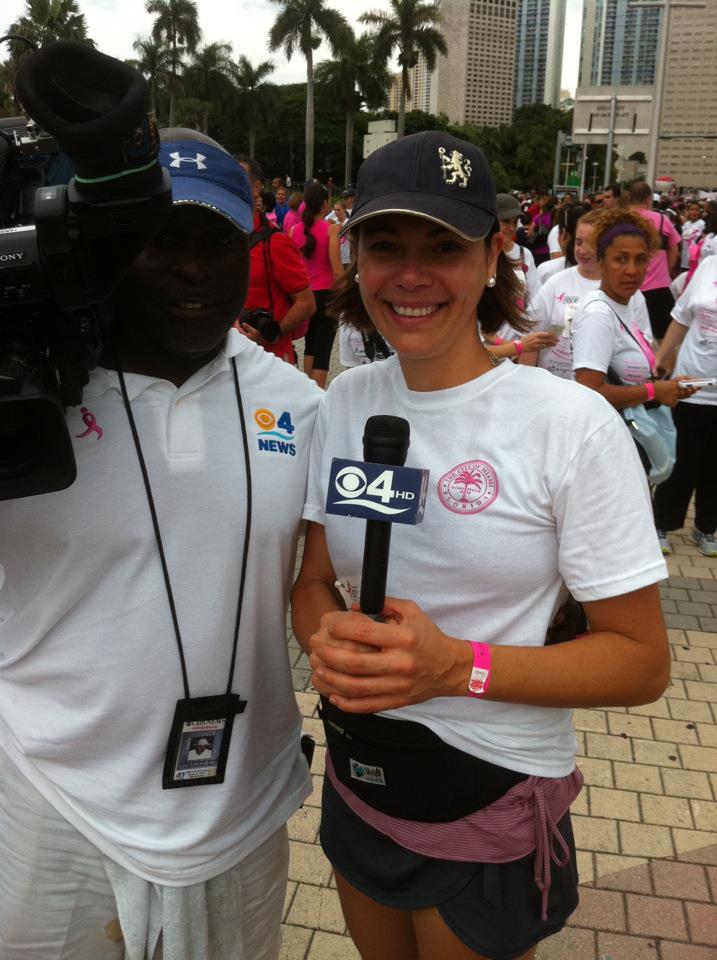
Joan Murray & Brian Chanahan from CBS 4
Education and Early Detection Increase Survival
There is no known cure for advanced breast cancer.
Detection of breast cancer at an early stage provides a greater chance for a cure and more treatment options.
When the disease is confined to the breast, the 5-year survival rate is more than 95%.
More Caucasian women than African American women develop breast cancer. However, more African American women die of breast cancer.
Approximately 80% of breast cancers occur in women 50 years and older. The mortality rate would decrease by 30% if every woman over 50 was informed and followed the early screening guidelines.
When the château was built, Versailles was a country village; today, however, it is a suburb of Paris, some 20 kilometres southwest of the French capital. The court of Versailles was the centre of political power in France from 1682, when Louis XIV moved from Paris, until the royal family was forced to return to the capital in October 1789 after the beginning of the French Revolution. Versailles is therefore famous not only as a building, but as a symbol of the system of absolute monarchy of the Ancien Régime.
From the seat of power to the Museum of the History of France
The Château de Versailles, which has been on UNESCO’s World Heritage List for 30 years, is one of the most beautiful achievements of 18th-century French art. The site began as Louis XIII’s hunting lodge before his son Louis XIV transformed and expanded it, moving the court and government of France to Versailles in 1682. Each of the three French kings who lived there until the French Revolution added improvements to make it more beautiful.
The Hall of Mirrors, the King’s Grand Apartments, the Museum of the History of France. The Château de Versailles, the seat of power until 1789, has continued to unfurl its splendour over the course of centuries. At first it was just a humble hunting lodge built by Louis XIII. But Louis XIV chose the site to build the palace we know today, the symbol of royal absolutism and embodiment of classical French art.
In the 1670s Louis XIV built the Grand Apartments of the King and Queen, whose most emblematic achievement is the Hall of Mirrors designed by Mansart, where the king put on his most ostentatious display of royal power in order to impress visitors. The Chapel and Opera were built in the next century under Louis XV.
The château lost its standing as the official seat of power in 1789 but acquired a new role in the 19th century as the Museum of the History of France, which was founded at the behest of Louis-Philippe, who ascended to the throne in 1830. That is when many of the château’s rooms were taken over to house the new collections, which were added to until the early 20th century, tracing milestones in French history.
King Louis XIV Beloved Versailles
Louis XIV of France ranks as one of the most remarkable monarchs in history. He reigned for 72 years, 54 of them he personally controlled French government. The 17th century is labeled as the age of Louis XIV. Since then his rule has been hailed as the supreme example of a type of government – absolutism. He epitomized the ideal of kingship. During his reign France stabilized and became one of the strongest powers in Europe.
During his reign France became the ideal culture since he put great care into its enhancement so he could boast it to the world. The country changed drastically from savage mediaeval ways to a more refined, exquisite living – evident from his palace in Versailles. Within 54 years he did what several kings worked on for centuries. French culture became one of the most appealing in the world, and the name Louis XIV has been associated with greatness and glory.
Louis XIV was a great monarch, and he was capable of maintaining strong kingdom because he never, in his entire life, doubted his right to be king.
His autocracy was indeed amazing, and truly an example of the kind. He lived and ruled as a king should have. Louis XIV became the ideal king, and many have tried unsuccessfully to live up to his glory.
About that site
THE HALL OF MIRRORS
The Grande Galerie (La Grande Galerie in French), as it was called in the 17th century, served daily as a passageway and a waiting and meeting place, frequented by courtiers and the visiting public.
The Economic prosperity is demonstrated by the dimensions and quantity of the three hundred and fifty-seven mirrors that decorate the seventeen arches opposite the windows, attesting that the new French production of mirrors, which at the time were luxury objects, is capable of stealing the monopoly away from Venice.
The Hall of Mirrors was restored in 2007 thanks to the sponsorship of skills of the company Vinci, great sponsor of the Ministry of Culture and Communication.
Lenny Kravitz to Create Look for Miami’s Paramount Bay Condos
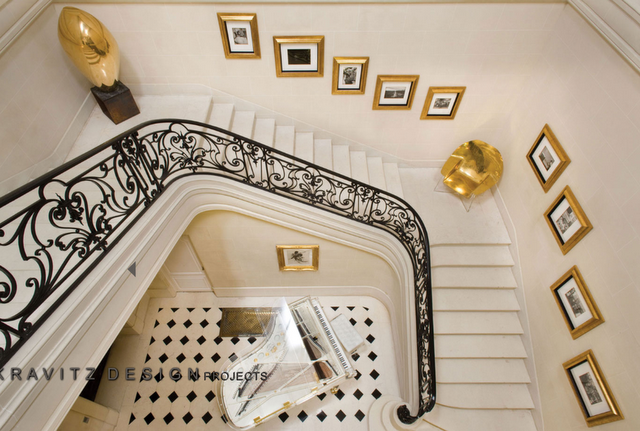
Kravitz’s team will deliver a fresh take on their modern, sexy style and infuse the 47-story bay front tower with elements reminiscent of Kravitz’s own eclectic global lifestyle, complete with detailed touches “evocative of his personal passion for Miami” where he’s had an estate for many years.
THE VISION
A perfect blend of refined city apartment and casual beach home, life at Paramount Bay is comfortable luxury.
Envisioned by Lenny Kravitz for Kravitz Design Inc., Paramount Bay’s distinctive residential living experience represents the epitome of refined cool, sophistication,pleasure and peace.
The grand 47-story architectural wonder, designed by Arquitectonica, offers spacious waterfront residences in a fresh, richly landscaped environment and is conveniently located close to the eclectic delights of Miami’s popular Design District, Wynwood
Arts District, Miami Beach and Downtown.
Paramount Bay is your personal sanctuary, an ode to thoughtful design, distinguished by a lifestyle that is as much global as it is local.
Upon arrival, journey through an urban oasis of dramatically landscaped tropical gardens. Organized in tiers, the gardens create a gradual public to private transition, where intimate spaces enveloped in exotic foliage open to the iconic porte-cochère at the building’s main entrance.
Paramount Bay redefines Miami living by blending resort-life with urban cool. A destination within a destination – located within the city’s hottest neighborhood. Enjoy Miami like it has never been enjoyed before
Kravitz Design Inc was founded by Renaissance man and legendary music icon Lenny Kravitz in 2003. Focusing on residential, commercial and product design, the team encompasses a diverse group of creative professionals that have executed a variety of projects throughout the world. Kravitz Design Inc touts a portfolio of noteworthy ventures, with a range that includes chandeliers for Swarovski Crystal Palace Collection, the Florida Room lounge at the Delano for Morgan’s Hotel Group and the two-story penthouse recording studio at the Setai Hotel and Residences, among others.
FUNKSHION: Fashion Week Miami Beach is a four day/evening long event.
Fashion Week Miami Beach celebrates its 8th year and 17th season this October 18th to the 22nd. As with every year, FUNKSHION: Fashion Week Miami Beach, will fuse music and fashion and like no other city in the world could do.
The chosen venues will be The SetaiHotel in Miami Beach & The Moore Building in the famed Design District in Miami.
SCHEDULE FOR THE EVENTS: Spring/Summer 2012 Collections Runway Shows October 18 to 22, 2011
WED 10/19
Moore Building
8:00 PM – FGI Lifetime Achievement Award to Isabel And Ruben Toledo presented by Vanidades
Fashion Show by Isabel Toledo
(tickets not available)
WED 10/19
The Setai Hotel
8:00PM – Red Dress Fashion Show
Dresses by Oscar De La Renta, Nicole Miller, Donna Karan, and many more
(limited tickets available)
THU 10/20
Moore Building
6:30PM jetBlue fashion show by MIUAD
7:00PM Sarahi House of Fashion
8:00PM Toxic Sadie Swimwear
THU 10/20
The Setai Hotel
9:00PM – Xela by Nora Sahraoui Fashion Show
FRI 10/21
Moore Building
8:00PM – Andrew Charles
with special performance by Andy Hilfiger, Marky Ramone and The Click Clack Boom
10:00PM Afterparty hosted by Andy Hilfiger and Marky Ramone at Moore Building
FRI 10/22
The Setai Hotel 9:00PM TBD
10:00PM Afterparty e Setai Hotel
It’s not every day you’re asked to visit an off-limits historical landmark to
fete not one but two of your heroes. But last night we did just that at the 2011
London Design Medal ceremony, held at the Crypt of St Paul’s Cathedral.
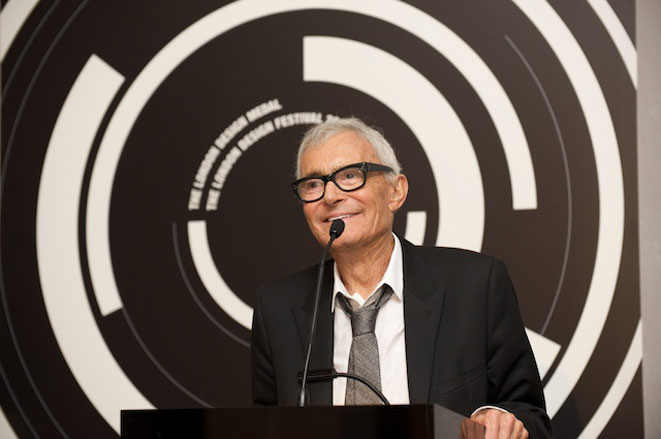
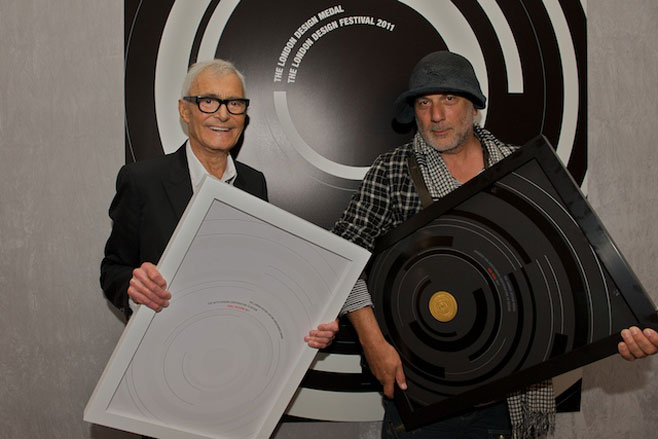
Legendary ‘hair designer’ Vidal Sassoon receives the London Design
Festival’s first-ever lifetime achievement award from Thomas Heatherwick
Architect Thomas Heatherwick (right), a former medal recipient and one of this
year’s judging panel, nominated the hairstylist (and architecture enthusiast)
for what he called Sassoon’s contribution to design and great affect on the
wider culture
Sassoon speaks of his start in ‘hair design’, as a shampoo boy in the years
after the Second World War
Vidal Sassoon and Ron Arad with their respective awards
Nearly 150 guests – esteemed architects, designers and industry titans –
sipped Veuve Clicquot by Nelson’s Tomb as Ben Evans, director of the London Design
Festival, introduced this year’s honouree, the incomparable architect and
designer Ron Arad, who spoke wearing his trademark hat. But perhaps the most unexpected
thrill was the appearance of London-bred ‘hair designer’ Vidal Sassoon,
recipient of the festival’s first-ever lifetime achievement award.
Architect Thomas Heatherwick, a former medal recipient and one of this year’s judging panel,
nominated the hairstylist (and architecture enthusiast) for what he called
Sassoon’s contribution to design and great affect on the wider culture. In turn
Sassoon, in from LA with his wife Ronnie, reflected movingly on his early career
and unexpected trajectory to hair revolutionary.
Nadja Swarovski sponsored the evening, in part to showcase John Pawson’s new Perspectives
installation, a giant crystal lens mounted at the base of Christopher Wren’s
18th-century spiral staircase, and reflected by a convex mirror suspended high
in the tower’s cupola. Coupled with this impressive spectacle, the evening was
an apt way to kick off a festival that’s got bigger and more ambitious with each
of its nine years.























 ADRIANA SASSOON