WHITE TAIL RESORT

NAKED BODIES1

skinny dip

intr.v. Informal., -dipped, -dip·ping, -dips.

To swim in the nude.

skinnydipper skinny-dipper n.

White Tail Resort, just 30 miles from Norfolk, VA, near Zuni, is participating in the Guinness World Records™ Largest Skinny-Dip Across North America. The record attempt takes place at 3:00 p.m. this Saturday, July 11, 2009. In conformance with stated rules, all participants to be counted must be completely nude during the skinny-dip. First-time skinny-dippers are welcome and to be included in the Guinness World Record, all participants must bring a photo ID.

White Tail Resort, established in 1984, is the only landed clothes free recreation facility in Virginia. Through the years White Tail has become a favorite vacation spot for over 600 members and numerous visitors. A family atmosphere, planned activities, great facilities and beautiful grounds keep people coming back time after time, visit our website to see rates and pictures of the grounds.

White Tail Resort is an active member of the Virginia Campground Association, the Franklin-Southampton Chamber of Commerce, the National Association of RV Resorts and Campgrounds, and the Trade Association for Nude Recreation. The resort maintains affiliations with the American Association for Nude Recreation, the Federation of Canadian Naturists, the Naturist Society, and the American Association for Nude Recreation Eastern Region.

The White Tail Resort is a year round resort, offering snow skiing, mountain biking, fly fishing, and other out door activities. Overnight accommodations are located within 6 miles

 http://is.gd/1tRb7

http://snipr.com/miokj

Skinny Dipping Stars http://is.gd/1tTY2

Scarlett Johansson Goes Skinny-Dipping http://snipr.com/mis8h 

DID YOU KNOW THAT:

In the Nordic countries, with their sauna culture, nude swimming in rivers or lakes was a very popular tradition. In the summer, there would be wooden bathhouses, often of considerable size accommodating numerous swimmers, built partly over the water; hoardings prevented the bathers from being seen from outside. Originally the bathhouses were for men only; today there are usually separate sections for men and women.

It is not uncommon for private clubs with male-only or female-only facilities to allow (for example) nude swimming.Some argue that in more private environments (whether at home or in, say a single-gender bathhouse), the less clothing one has on when exercising or doing any activity the better.

Nudist clubs traditionally offer members and guests of both sexes the opportunity to swim nude. Many own or lease facilities that allow other sports to be played, including volleyball, tennis, badminton, bowling and the like. Typically these sports are played at a recreational level of intensity, and need not be particularly competitive.

*Some naked bodies can be very inspiring for a portrait or shoot.The great masters of paint used to make wonders with the human shapes. How do you see naked bodies ? Leave a comment about skinny dip. I like to know from an artistic perspective all others will be ignored( go to a porn site ).

MICHAEL JACKSON

michael-jackson_remember-the-time

Michael Joseph Jackson (August 29, 1958 – June 25, 2009) was an American recording artist, entertainer and businessman. The seventh child of the Jackson family, he made his debut as an entertainer in 1964 as a member of The Jackson Brothers (later renamed The Jackson 5). He then began a solo career in 1971 while still a member of the group, and that successful career led to him being dubbed the “King of Pop” in subsequent years. Jackson’s 1982 album Thriller remains the world’s best-selling album of all time, and four of his other solo studio albums are among the world’s best-selling records: Off the Wall (1979), Bad (1987), Dangerous (1991) and HIStory (1995).

A LIFETIME  TO REMEBER

michael_jackson GENIUS

History will remember Michael Jackson as a black man who managed to break through every racial and artistic barrier to become a global pop icon, a true musical genius.

A winner of 13 Grammy awards, he etched a place for himself in the hearts and minds of people as the King of Pop with his signature song and dance moves, unusual wardrobe, feminine voice – and also as Wacko Jacko for the weirdest controversies.

Capable of unleashing mass hysteria like the Beatles and Elvis, he introduced mega-stardom through his massive live concert tours. He made a mark on the music scene by selling a total of 750 million records, a record for a solo artist.

SUPPORT AND CHARITY

michael-jackson-

Jackson donated and raised millions of dollars for beneficial causes through his Heal the World Foundation, charity singles, and support of 39 charities. Other aspects of his personal life, including his changing appearances and behavior, generated significant controversy that damaged his public image.  The singer had experienced health concerns since the early 1990s along with conflicting reports regarding the state of his finances since the late 1990s. Jackson married twice and fathered three children, actions which caused further controversy.  The singer died suddenly on June 25, 2009 at aged 50.

THE OTHER SIDE OF FAME

michael-jackson THE OTHER SIDE

“Celebrity [is] the reward of those who project a vivid or pleasing exterior or have otherwise attracted attention to themselves,” Christopher Lasch wrote in The Culture of Narcissism. “It is evanescent… In our time, when success is so largely a function of youth, glamour, and novelty, glory is more fleeting than ever, and those who win the attention of the public worry incessantly about losing it.”

“To be a celebrity means to have more than the usual assaults on one’s ego,” says Charles Figley, Ph.D., director of the Psychosocial Stress Research Program at Florida State University. “You’re very vulnerable to the personal evaluations of other people. The public is ultimately in control of whether your career continues.”

The celebrities’ reactions to  stress are: depression, loss of sleep, crying over nothing, bad moods, acting out and misbehavior on the part of their children, lack of concentration, stomach problems, paranoia, over-spending, lack of trust, and self-hatred.

Causes of  stresses peculiar to celebrities, conducted a survey in which 200 questionnaires were mailed out to names randomly selected from a list of the public’s top-ranked celebrities. From 51 replies, he compiled a list of the primary sources of stress for celebrities and their families, as well as their reactions and solutions. Most of the questionnaires were completed by the celebrities, the rest by a spouse, friend, or adult child of the celebrity. The top 10 stressors, in order, were:

The Other side of FAME, sadness, loneliness, distress. The worse of all the accusations and lies. The pressure from the critics and the Media.

Hope is Better on the Other SIDE!

Peace to Michael and to all the people who chose this path in Life! You will be haunted by:

  • the celebrity press
  • critics
  • threatening letters/calls
  • the lack of privacy
  • the constant monitoring of their lives
  • worry about career plunges
  • stalkers
  • lack of security
  • curious fans
  • worries about their children’s lives being disrupted

FROM HIS OWN HEART

“I wanted to have a place that I could create everything that I never had as a child. So you see rides, you see animals, there’s a movie theatre. I was always on tour travelling, you know, and I never got a chance to do those things. So I compensated for the loss by – I have a good time – I mean, I can’t go into a park, I can’t go to Disneyland as myself. I can’t go out and walk down the street. There’s crowds and bumper-to-bumper cars. So I create my world behind my gates.” Michael Jackson

“Everything that I love is behind those gates.”.Michael Jackson

AS IT HAPPENS WITH MOST GENIUS

U.S. retailers sold 415,000 albums by Michael Jackson in the four days following his death last week. In addition, Michael Jackson sold more than 2.3 million digitally downloaded songs since his death.

* Thank you for your Music and for your Genius.Unforgetable that’s who you are!

SHORT HAIR STYLES FOR 2009

Curly hairstyle, can be a blessing, but if it is not cut well, you can get a wild look to avoid this, you should always remember:

If curls are unruly, apply hair spray to palms and smooth over hair’s surface.

If hair is long or very curly, you can ‘straighten it’ with a large round or paddle brush, some straightening balm and a blower.

Most important of all a Curly hair should always be layered.

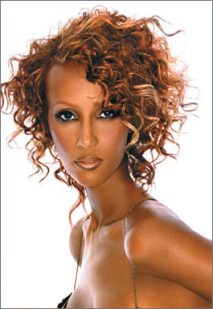
A  few options for short hair cuts, for someone that has curly hair. These are some very stylish looks for 2009.I love all these options.Not only for 2009 but for as much you decide to wear.It’s about feeling good and looking good.That’s a personal choice.

4359_6349_Rihanna-06-4xbet-eva-pigford


kneesha

meg-ryan-short-curly2


halle-berry

short-curly-hairstyles-2008


short-curly-hairstyles1Short Haircut Styles for Short  Wavy Hair in 2009


NIKOS MOUYIARIS

golden_eyes_makeup

Nikos Mouyaris has been a very active leader in the Greek American community and yet a very private person, avoiding the limelight. This year, however, he made headlines not once, but twice. First he stunned Washington last May, when during the annual PSEKA conference, he proposed the creation of a central organization that would promote Greek-American causes and he coupled his idea with a pledge of two million dollars of his own money in order to streamline its materialization.

The second time was this past October, when he was honored with the “Justice for Cyprus Award”, the highest honor of the Cyprus Federation of America, during a testimonial dinner in which Members of US Congress Ireana Ros Lehtinen and Robert E. Andrews were also recognized “having demonstrated steadfast dedication and unparalleled commitment to the Cyprus cause,” in the words of Peter Papanikolaou, president of the Cyprus Federation of America.

Receiving the award, Mouyaris took the opportunity to remind everyone of “our responsibility to protect our heritage and the territorial integrity of Greece and Cyprus.” He also invited all the Hellenes in America to unite, despite their political or ideological differences and to help collect the necessary ten million dollars in order to start the organization-umbrella that he proposed to coordinate the community effort. “We have already 2.5 million,” he said. “Our cause is just.”


The “Justice for Cyprus Award” is presented to those who have been exemplary leaders and outspoken advocates of the just and noble cause for the liberation of Cyprus from the Turkish occupation forces and the restoration of the human rights of the Cypriot people. The trophy, which is the work of world renowned Greek-Cypriot sculptor Nikolaos Kotziamanis, depicts a winged “Nike” or “Victory” holding two wreaths to crown the victors.

“Through his involvement in PSEKA and the Coordinated Efforts of Hellenes, he (Nikos Mouyaris) has been at the forefront of efforts to inform the wider American public of the need to end the Turkish occupation of Cyprus,” declared President Tassos Papadopoulos in his message for the occasion.

Nikos Mouyaris was born in Athienou, Cyprus. After graduating from high school, he went to England, before he got a student visa to come to the US. He received his Bachelor of Science in Chemistry from St. John’s University and a Master of Science form Rutgers University. He then started a cosmetic manufacturing company in New York City with $6,000 that he borrowed from his brother, Apostolos.

Today Mana Products is a very successful enterprise that employs over 600 people. In addition to this company, he has interests in real estate, as well as other businesses. He is married to Carol and they have two adult children, Alexis and Ariana.

WWW.MANAPRODUCTS.COM

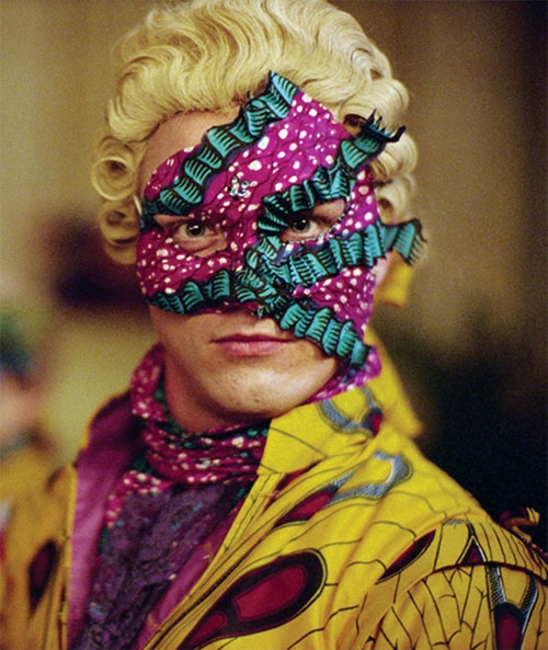
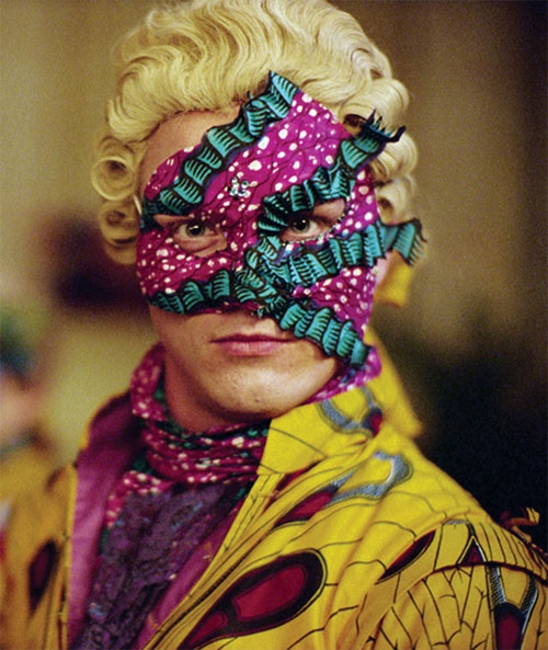
MASCARADE BALL

shonibare03_body

Un Ballo in Maschera (A Masked Ball), 2004, Images courtesy of the artist, James Cohan Gallery, New York, and Stephen Friedman Gallery, London.

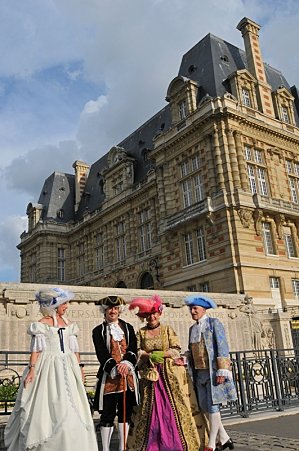
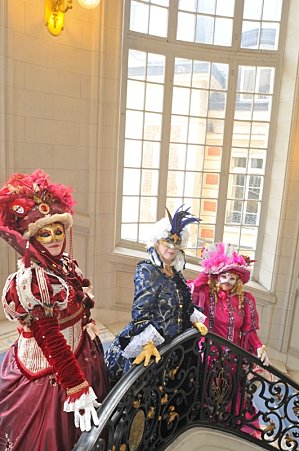
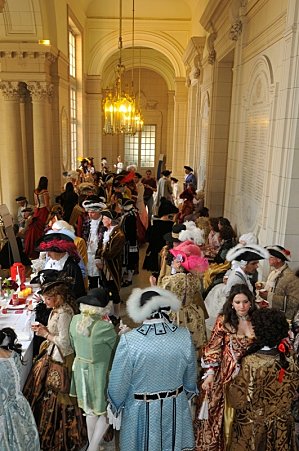
A masquerade ball (or bal masqué) is an event which the participants attend in costume wearing a mask.

Français (French)
n. – bal masqué, (fig) mascarade
v. intr. – se masquer, se faire passer pour qn, s’abriter sous un (faux nom)

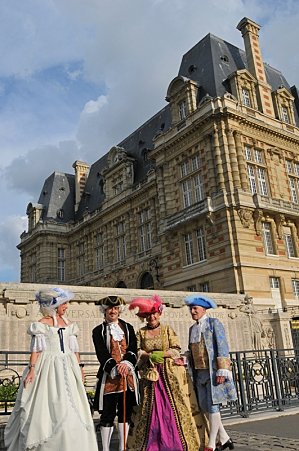
Such gatherings, festivities of Carnival, were paralleled from the 15th century by increasingly elaborate allegorical Entries, pageants and triumphal processions celebrating marriages and other dynastic events of late medieval court life. Masquerade balls were extended into costumed public festivities in Italy during the 16th century Renaissance (Italian, maschera). They were generally elaborate dances held for members of the upper classes, and were particularly popular in Venice. They have been associated with the tradition of the Venetian Carnival. With the fall of the Venetian Republic at the end of the 18th century, the use and tradition of masks gradually began to decline, until they disappeared altogether.

Galerie3D_versailles

VERSAILLES

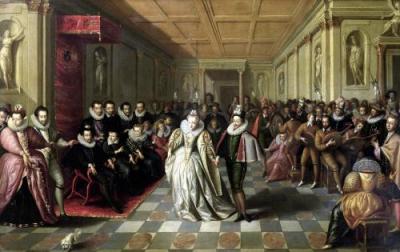
Ball-at-the-Court-of-Henri-III-on-the-Occasion-of-the-Marriage-of-Anne-c-1581-French-School-302602

ENGLISH COURT

In 1979, a group of young Venetians interested in theatre and culture had the idea of reviving the Carnival in Venice. Now the visitors that crowd Venice in the last week before the beginning of the Lent reach the figure of more than 500.000 and the traditional spirit of the Carnival pervades again the city. Identities again become confused. The division between reality and illusion, between past and present, never very clearly defined in Venice at any time, indistinguishably merge.

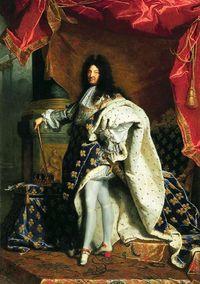
200px-louisxiv

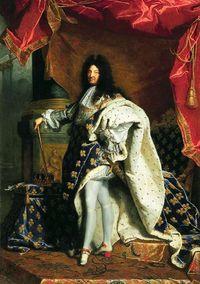
Louis XIV

250px-louisxv-rigaud1

LOUIS XV

They became popular throughout mainland Europe in the seventeenth and eighteenth centuries, sometimes with fatal results. Gustav III of Sweden was assassinated at a masquerade ball by disgruntled nobleman Jacob Johan Anckarström, an event which Eugène Scribe turned into the opera Gustave III.

annecy-09-024annecy-09-117

 Gustav III, King of the Swedes, the Goths and the Vends, etc. … Jacob Johan Anckarström (May 11, 1762 – April 27, 1792) was a Swedish military officer, and regicide. … Augustin Eugène Scribe (December 24, 1791 – February 20, 1861), was a French dramatist and librettist. … Gustave III, ou Le bal masqué (Gustavus III, or The Masked Ball) is an opéra historique or grand opera in five acts by Daniel Auber, with a libretto by Eugène Scribe. …

balade20avkkril-2008-031

The “Bal des Ardents” (“Burning Men’s Ball”) was intended as a Bal des sauvages (“Wild Men’s Ball”) a costumed ball (morisco). It was in celebration of the marriage of a lady-in-waiting of Charles VI of France’s queen in Paris on January 28, 1393. The King and five courtiers dressed as wildmen of the woods (woodwoses), with costumes of flax and pitch. When they came too close to a torch, the dancers caught fire. (This episode may have influenced Edgar Allan Poe‘s short story “Hop-Frog”.) Such costumed dances were a special luxury of the ducal court of Burgundy.

breteuil-008

Charles VI Charles VI the Well-Beloved, later known as the Mad (French: Charles VI le Bien-Aimé, later known as le Fol) (December 3, 1368 – October 21, 1422) was a King of France (1380 – 1422) and a member of the Valois Dynasty. … Woodwoses support coats of arms in the side panels of a portrait by Albrecht Dürer, 1499 (Alte Pinakothek, Munich) Grand arms of Prussia, 1873 The Woodwose or hairy wildman of the woods was the Sasquatch figure of pre-Christian Gaul, in Anglo-Saxon a Woodwoses appear in the carved… For other uses, see Flax (disambiguation). … The pitch drop experiment. … Edgar Allan Poe (January 19, 1809 – October 7, 1849) was an American poet, short story writer, playwright, editor, literary critic, essayist and one of the leaders of the American Romantic Movement. … Hop-Frog (originally Hop-Frog; Or, the Eight Chained Ourangoutangs) is a short story by American writer Edgar Allan Poe, first published in 1849. … Coat of arms of the second Duchy of Burgundy and later of the French province of Burgundy Burgundy (French: ; German: ) is a historic region of France, inhabited in turn by Celts (Gauls), Romans (Gallo-Romans), and various Germanic peoples, most importantly the Burgundians and the Franks; the former gave their…

-28-

John James Heidegger, a Swiss count, is credited with having introduced the Venetian fashion of a semi-public masquerade ball, to which one might subscribe, to London in the early eighteenth century, with the first being held at Haymarket Opera House. Throughout the century the dances became popular, both in England and Colonial America. Its prominence did not go unchallenged; a significant anti-masquerade movement grew alongside the balls themselves. The anti-masquerade writers (among them such notables as Henry Fielding) held that the events encouraged immorality and “foreign influence”. While they were sometimes able to persuade authorities to their views, enforcement of measures designed to end masquerades was at best desultory made. John James (Johann Jacob) Heidegger (1659–1749), Swiss count and leading impresario of masquerades in the early part of the 18th century. … This article is about the capital of England and the United Kingdom. … Haymarket Theatre, ca. … For other uses of terms redirecting here, see US (disambiguation), USA (disambiguation), and United States (disambiguation) Motto In God We Trust(since 1956) (From Many, One; Latin, traditional) Anthem The Star-Spangled Banner Capital Washington, D.C. Largest city New York City National language English (de facto)1 Demonym American… Henry Fielding (April 22, 1707 – October 8, 1754) was an English novelist and dramatist known for his rich earthy humor and satirical prowess and as the author of the novel Tom Jones. …

vaux09-022

Masquerade balls were sometimes set as a game among the guests. The masked guests were supposedly dressed so as to be unidentifiable. This would create a type of game to see if a guest could determine each others’ identities. This added a humorous effect to many masques and enabled a more enjoyable version of typical balls.

http://www.elvenhippiegypsy.com/MAMaskedBallStudy.html

http://www.geocities.com/akisstothewind/masque/lunarmasque.html

WOMEN’S FASHION 1930

1930 paris

WOMEN’S FASHION 1930

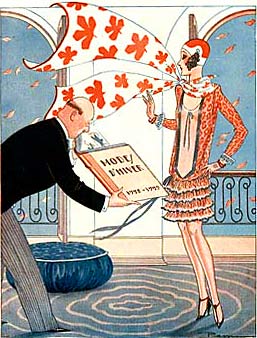
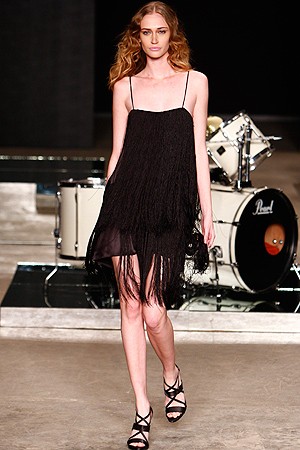
In the 1930s there was a return to a more genteel, ladylike appearance. Budding rounded busts and waistline curves were seen and hair became softer and prettier as hair perms improved. Foreheads which had been hidden by cloche hats were revealed and adorned with small plate shaped hats. Clothes were feminine, sweet and tidy by day with a return to real glamour at night.

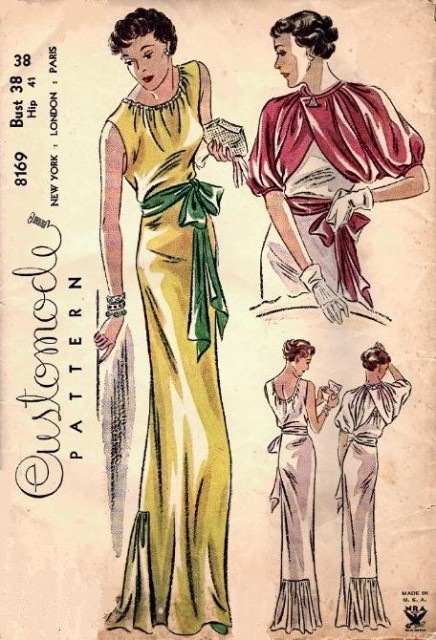
The French designer Madeleine Vionnet opened her own fashion house in 1912. She devised methods of bias cross cutting during the 1920s using a miniature model. She made popular the halter neck and the cowl neck.

1930

The bias method has often been used to add a flirtatious and elegant quality to clothes. To make a piece of fabric hang and drape in sinuous folds and stretch over the round contours of the body, fabric pattern pieces can be cut not on the straight grain, but at an angle of 45 degrees. 

It is sometimes said that Vionnet invented bias cutting, but historical evidence suggests that close fitting gowns and veils of the medieval period were made with cross cut fabrics. The Edwardians also made skirts that swayed to the back by joining a bias edge to a straight grain edge and the result was a pull to the back that formed the trained skirt. She did really popularise it and the resulting clothes are styles we forever associate with movie goddesses and dancers like Ginger Rogers. 

fallgold-704452

Using her technique designers were able to produce magnificent gowns in satins, crepe-de-chines, silks, crepes and chiffons by cross cutting the fabric, creating a flare and fluidity of drapery that other methods could not achieve. Many of the gowns could be slipped over the head and came alive when put on the human form. Some evening garments made women look like Grecian goddesses whilst others made them look like half naked sexy vamps. Certain of her gowns still look quite contemporary.


141


There was a passion for sunbathing. Women tried to get tans and then show them off under full length backless evening dresses cut on the true cross or bias and which moulded to the body. To show off the styles a slim figure was essential and that was getting easier for women who were educated and aware as many now used contraception and did not have to bear baby after baby unless desired. 

goldie-hawn-vogue-photo-300x300

The new improved fabrics like rayon had several finishes and gave various effects exploited by designers eager to work with new materials. Cotton was also used by Chanel and suddenly it was considered more than a cheap fabric for work clothes. But nothing cut and looked like pure silk and it was still the best fabric to capture the folds and drapes of thirties couture. Fine wool crepes also moulded to the body and fell into beautiful godets and pleats.

Schiaparelli liked new things as well as new ideas. In 1933 she promoted the fastener we call the zip or zipper. The metal zip had been invented in 1893 and by 1917 it was somewhat timidly used for shoes, tobacco pouches and U.S. Navy windcheater jackets. Her use of the new plastic coloured zip in fashion clothes was both decorative, functional and highly novel. They soon became universally used and are now a very reliable form of fastening. 

glam2-709181


Health and fitness was an important aspect of thirties lifestyle. As sun worshipping became a common leisure pursuit fashion answered the needs of sun seekers by making chic outfits for the beach and its surrounds. Beach wraps, hold alls, soft hats and knitted bathing suits were all given the designer touch.

Swimwear was getting briefer and the back was scooped out so that women could develop tanned backs to show off at night in the backless and low backed dresses. The colours of the beach holiday were  navy, white, cream, grey, black and buff with touches of red.

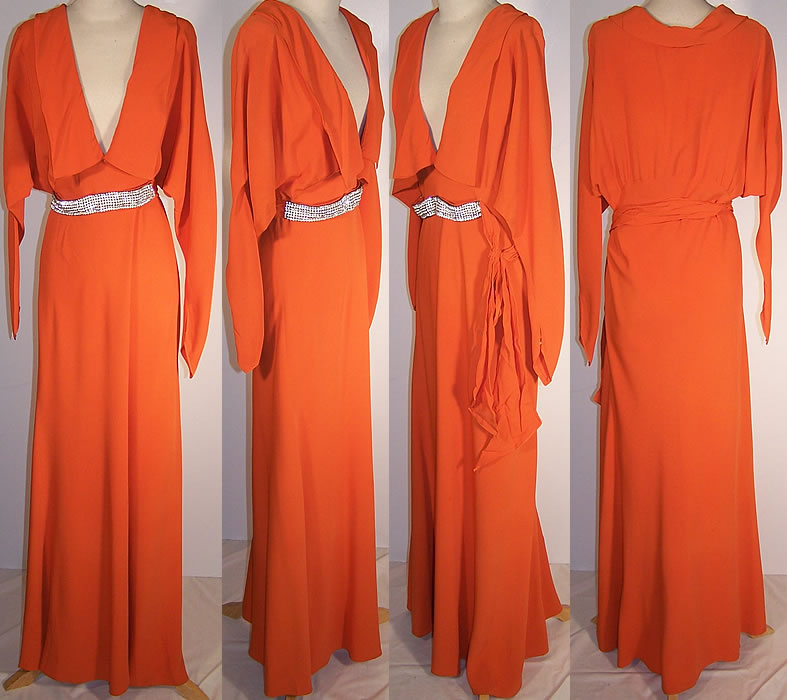
1930s-orange-silk-crepe-floor-length-dress

Pyjamas introduced as informal dinner dress or nightwear for sleeping died quickly as fashions. However the third use of them as a practical beach outfit caught on and every woman made them an essential garment to pack. They were soon regarded as correct seaside wear. The trousers were sailor style, widely flared and flat fronted with buttons. They were made up in draping heavy crepe-de-chine. Blue and white tops or short jackets finished the holiday look.


 MEN’S FASHION 1930

grooms_attire_1900's

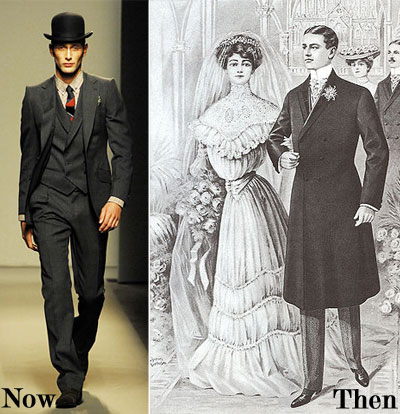
 The decade of the 1930s saw dramatic changes in men’s fashion.  It began with the great Wall Street Crash of October 24, 1929.  By 1931, eight million people were out of work in the United States.  Less or no work meant little or no money to spend on clothing.  The garment industry witnessed shrinking budgets, and going-out-of-business sales were prevalent.  The Edwardian tradition of successive clothing changes throughout the day finally died. Tailors responded to the change in consumer circumstances by offering more moderately priced styles.

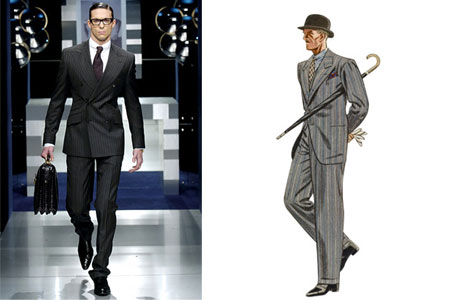
In the early part of the decade, men’s suits were modified to create the image of a large torso.  Shoulders were squared using wadding or shoulder pads and sleeves were tapered to the wrist.  Peaked lapels framed the v-shaped chest and added additional breadth to the wide shoulders.

This period also was a rise in the popularity of the double-breasted suit, the precursor of the modern business suit.  Masculine elegance demanded jackets with long, broad lapels, two, four, six or even eight buttons, square shoulders and ventless tails.  Generous-cut, long trousers completed the look. These suits appeared in charcoal, steel or speckled gray, slate, navy and midnight blue.

Dark fabrics were enhanced by herringbone and stippled vertical and diagonal stripes.  In winter, brown cheviot was popular.  In spring, accents of white, red or blue silk fibers were woven into soft wool.  The striped suit became a standard element in a man’s wardrobe at this time.  Single, double, chalk, wide and narrow stripes were all in demand.

grooms_attire_1920's

Plaids of various kinds became popular around this time as well.  Glen plaid checks, originally known as Glen Urquhart checks from their Scottish origin, were one of the more stylish plaids.  Glen plaid designs are sometimes referred to as “Prince of Wales” checks.  Initially the design was woven in saxony wool and later was found in tweed, cheviot, plied and worsted cloth. (See glossary for definitions of these terms.)

In 1935, as a result of President Roosevelt’s New Deal, signs of prosperity returned.  The rebounding economy demanded a redesign of the business suit, to signal the successful status of the man who wore it.  This new look was designed by the London tailor, Frederick Scholte and was known as the “London cut”.  It featured sleeves tapering slightly from shoulder to wrist, high pockets and buttons, wide, pointed lapels flaring from the top rather than the middle buttons and roll, rather than flat lapels.  Shoulder pads brought the tip of the shoulder in line with the triceps and additional fabric filled out the armhole, creating drape in the shoulder area.  As a result of this last detail, the suit was also known as the “London drape” or “drape cut” suit.

grooms_attire_1930's

Other versions of the new suit included four instead of six buttons, lapels sloping down to the bottom buttons, and a longer hem.  This version was known as the Windsor double-breasted (D.B.) and the Kent double-breasted (D.B.), named after the Prince of Wales and the Duke of Kent respectively.  Clark Gable, Jimmy Stewart, Fred Astaire and Cary Grant were a few of the Hollywood stars who lent their endorsement to this style by wearing the suits in their movies.  From there it became popular in mainstream America.

The famous “Palm Beach” suit was designed during the 1930s.  It was styled with a Kent double or single-breasted jacket, and was made from cotton seersucker, silk shantung or linen.  (See glossary for definitions.) Gabardine was also used to make this suit.  It quickly became the American summer suit par excellence and was touted as the Wall Street businessman’s uniform for hot days.

During this time, blazers became popular for summer wear.  Blazers are descendants of the jackets worn by English university students on cricket, tennis and rowing teams during the late nineteenth century.  The name may derive from the “blazing” colors the original jackets were made in, which distinguished the different sports teams.  The American versions were popular in blue, bottle green, tobacco brown, cream and buff.  Metallic buttons traditionally adorned the center front of the jackets, and they were worn with cotton or linen slacks and shorts

A discussion of men’s fashion during the thirties would be incomplete without recognizing the gangster influence.  Gangsters, while despised as thieves, paradoxically projected an image of “businessman” because of the suits they wore.  However, they didn’t choose typical business colors and styles, but took every detail to the extreme.  Their suits featured  wider stripes, bolder glen plaids, more colorful ties, pronounced shoulders, narrower waists, and wider trouser bottoms.  In France, mobsters actually had their initials embroidered on the breast of their shirts, towards the waist.  They topped their extreme look with felt hats in a wide variety of colors:  almond green, dove, lilac, petrol blue, brown and dark gray.  High-fashion New York designers were mortified by demands to imitate the gangster style, but obliged by creating the “Broadway” suit.

In 1931, “Apparel Arts” was founded as a men’s fashion magazine for the trade. Its purpose was to bring an awareness of men’s fashion to middle-class male consumers by educating sales people in men’s stores, who in turn would make recommendations to the consumers.  It became the fashion bible for middle- class American men.

Over the next three decades, American garment makers rose to a new level of sophistication, successfully competing with the long-established English and French tailors.  However, the eruption of war at the end of the decade brought an abrupt halt to the development of fashion all over the world.
1930s-mens-fashion

On September 3, 1939, England and France declared war on Germany for invading Poland, and refusing to withdraw troops.  Once again, men’s fashion would change as a result of historic events.

1930 GLOSSARY OF TERMS

 Cheviot:  A British breed of sheep known for its heavy fleece.  Cloth produced from this wool is a heavy twill weave.

Gabardine:  A firm, tightly woven fabric of worsted, cotton, wool or other fiber with a twill weave.

Glen plaid:  Vertical and horizontal stripes intersecting at regular intervals to form a houndstooth check.

Herringbone:  A pattern consisting of adjoining vertical rows of slanting lines suggesting a “V” or an inverted “V”.  Also known as chevron.

Houndstooth check:  A pattern of broken or jagged checks.

Saxony:  A fine three-ply yarn.  Cloth produced from the yarn is a soft-finish compact fabric.

Seersucker:  Originally from India and named after a Persian expression, “shirushakar”, meaning milk and sugar.  It is a rippled or puckered cloth resulting from the vertical alternation of two layers of yarn, one taut and one slack, which also creates the characteristic stripe.

Shantung:  A plain weave silk cloth made from yarns with irregular or uneven texture.

Tweed:  A coarse wool cloth in a variety of weaves and colors originally from Scotland.  (Many tweeds are multi-color and textured.)

Twill weave:  One of three basic weave structures in which the filling threads (woof threads) are woven over and under two or more warp yarns producing a characteristic diagonal pattern.

Worsted:  Firmly twisted yarn or thread spun from combed, stapled wool fibers of the same length.  Cloth produced from this yarn has a hard, smooth surface and no nap (like corduroy or velvet).

Written by  Carol Nolan-Edited by  Julie Williams

COLON AND KIDNEY DETOX

What Is Detoxification? Detoxification is the process of clearing toxins from the body or neutralizing or transforming them, and clearing excess mucus and congestion. Many of these toxins come from our diet, drug use, and environmental exposure, both acute and chronic. Internally, fats, especially oxidized fats and cholesterol, free radicals, and other irritating molecules act as toxins. Poor digestion, colon sluggishness and dysfunction, reduced liver function, and poor elimination through the kidneys, respiratory tract, and skin all add to increased toxicity. Detoxification involves dietary and lifestyle changes, which reduce intake of toxins and improve elimination. Avoidance of chemicals, from food or other sources, refined food, sugar, caffeine, alcohol, tobacco, and many drugs helps minimize the toxin load. Those lifestyle changes are a direct result of choices you make in your life. Transcendental meditation has helped me make marked improvements in not only my health and behavior but also all aspects of my life. I highly recommend you look into it. When detoxifying your colon, it is also important to incorporate probiotics in your diet to replenish your intestinal flora. Colon cleansing Bowel movements are the basis of your health. If you do not have at least one bowel movement per day, you are already walking your way toward disease. Man’s body has not changed very much in the past several thousand years… however, man’s diet has certainly changed a lot. All the refined sugar, white flour, hormone/antibiotics-filled meats we constantly ingest constitute an assault on our bodies. We are continuously violating our bodies by eating terrible foods. Colon cancer is the second leading cause of cancer deaths in the U.S. Therefore, all congestion and toxins must be removed, and it must begin with cleansing of the bowel. One of the most frequent bowel problems that people experience today is constipation. A constipated system is one in which the transition time of toxic wastes is slow. The longer the “transit time,” the longer the toxic waste matter sits in our bowel, which allows them to putrefy, ferment and possibly be reabsorbed. The longer your body is exposed to putrefying food in your intestines, the greater the risk of developing disease. Even with one bowel movement per day, you will still have at least three meals worth of waste matter putrefying in your colon at all times. Disease usually begins with a toxic bowel. Those having fewer bowel movements are harboring a potentially fertile breeding ground for serious diseases. Infrequent or poor quality bowel movements over an extended period may be very hazardous to your health.

REMOVING MUCOID PLAQUE FROM COLON

Even a thin layer of mucoid plaque weakens the body. Nature intended mucoid plaque to be sloughed off. However, due to stress and diet, most Americans have many hardened layers of mucoid plaque. The healthy colon weighs about 4 pounds. One autopsy revealed a colon choked with 40 pounds of impacted mucoid plaque! A proper colon cleanses and detoxification program prepares your body for optimal health by removing the mucoid plaque.

Begin transitioning to a diet rich in raw fruits and vegetables with very few cooked or processed foods to help keep your digestive system free of mucoid plaque. Regular and easy elimination will be the rule, toxins will not build up and foods will be fully digested and utilized. This optimum nutrition allows rejuvenation and peak vitality. Of course, it was a process of years or decades to get the body so full of plaque and toxins, so it will be a process, although faster, to detoxify and get your body pure and back to its highest possible state of health.

Colon cleansing is a procedure, which may include the use of many different supplements, and few days of FASTING. A good intestinal cleanse will also include a parasite cleanse.

NATURAL COLON CLEANSING

More often than not, natural colon cleansing means following a colon cleansing diet along with taking some colon cleansing supplements which may include herbs which are known to kill parasites and worms, contain digestive enzymes, contain probiotics (beneficial bacteria), contain herbs that stimulates liver, gallbladder and intestines, also psyllium husk or seeds, Cascara Sagrada, or flax seeds, or slippery elm, and others.

The person on a typical American diet holds eight meals of undigested food and waste material in the colon, while the person on the high fiber diet holds only three. The herbal colon-cleansing page and the colon health page explain in detail how you can embark on a good colon-cleansing program for yourself.

START A DETOX FOR YOUR COLON

A good cleansing program should always begin by removing the waste in your colon, the last portion of your food processing chain. If you attempt to clean your liver, blood, or lymph system without first addressing a waste-filled bowel, the excreted toxins will only get recycled back into your body.

INTESTINAL CLEANSE

Constipation and diarrhea are also indications of foul matter in your intestines. Furthermore, the much more serious problems of cancer and immune system dysfunctions begin with a toxic bowel.

Once we truly understand that the “single greatest challenge our bodies face is the effective removal of wastes and toxins”, we will never again undermine the importance of frequent bowel movements.

As the colon becomes impacted with dry putrefactive waste, its shape and function are affected in numerous ways. It may stretch like a balloon in certain areas, or develop something called “diverticula” (pouches on the intestinal wall which may become infected), or fall down upon itself (prolapsed colon). All of these colon malformations greatly impair your large intestine’s ability to function, which in turn places severe strain on your digestive organs and glands and affects nutrient assimilation and absorption. The colon is the body’s “sewer system”, and if not treated properly can accumulate toxic poisons, which are absorbed into the bloodstream. This in turn can cause many diseases.

A standard bowel cleanse contains:

Bentonite clay and flaxseeds assist with the colon cleansing process. Bentonite is a type of edible clay that acts as a bulk laxative by absorbing water to form a gel. It binds toxins such as pesticides and helps to carry them out of the colon. Flaxseeds also absorb water and expand in the colon, allowing toxins and mucus to be removed. In addition, flaxseeds have been found to lower cholesterol levels.

As part of your colon-cleansing program, take 1 tablespoon of liquid bentonite and one tablespoon of ground flaxseeds in a glass of water first thing in the morning (wait at least 1/2 hour before eating) and before bed. Drink at least eight glasses of water per day or constipation may result. You should take the bentonite separate from medications or supplements because it may interfere with absorption. I find the best price for a high quality colon-cleaning product containing bentonite clay is here.

An important component of a colon-cleansing program is the use of probiotics to help replenish the population of friendly bacteria, which resides in your colon.


KIDNEY CLEANSE

Now let’s turn to kidney cleansing. Did you know that your chances of developing a kidney stone in your lifetime are 1 in 10? More than 300,000 people in the U.S. suffer from renal failure each year and undergo dialysis or await a kidney transplant.

Your kidneys are two bean-shaped organs, each about the size of your fist. Although the kidneys are small organs by weight, they receive a huge amount – about 20% – of the blood pumped by the heart. Every day, your kidneys process about 200 quarts of blood to sift out about 2 quarts of waste products and extra water.

The actual filtering occurs in tiny units inside your kidneys called ‘nephrons’. Every kidney has about a million nephrons. In the nephron, a glomerulus–which is a tiny blood vessel or capillary–intertwines with a tiny urine-collecting tube called a tubule. A complicated chemical exchange takes place, as waste materials and water leave your blood and enter your urinary system.


The large blood supply to your kidneys enables them to do the following tasks:


Regulate the composition of your blood

Keep constant the concentrations of various ions and other important substances

Keep constant the volume of water in your body

Remove wastes from your body (urea, drugs,toxic substances)

Keep the acid/base concentration of your blood

constant

Help regulate your blood pressure

Stimulate the production of red blood cells

Maintain your body’s calcium levels

Your kidneys receive the blood, they process the blood by removing the wastes and then return the processed blood to the body and the unwanted substances end up in the urine. Urine flows from the kidneys through the ureters into the bladder. In the bladder, the urine is stored until it is excreted from the body through the urethra.


The easiest way to do a kidney cleanse is to purchase 20 to 100 pounds of watermelon (a few huge melons), sit in a bath filed with water, eat as much of the watermelon as you can throughout the day, while regularly emptying your bladder. Using this procedure, people have dissolved big stones, and then passed small kidney stones out of their body. Note that this kidney cleanse is not suitable for diabetics.

An effective kidney cleanse is discussed in more detail here.

WWW.BETWEENTWOWORLDS.INFO

PERSEPOLIS

persepolis


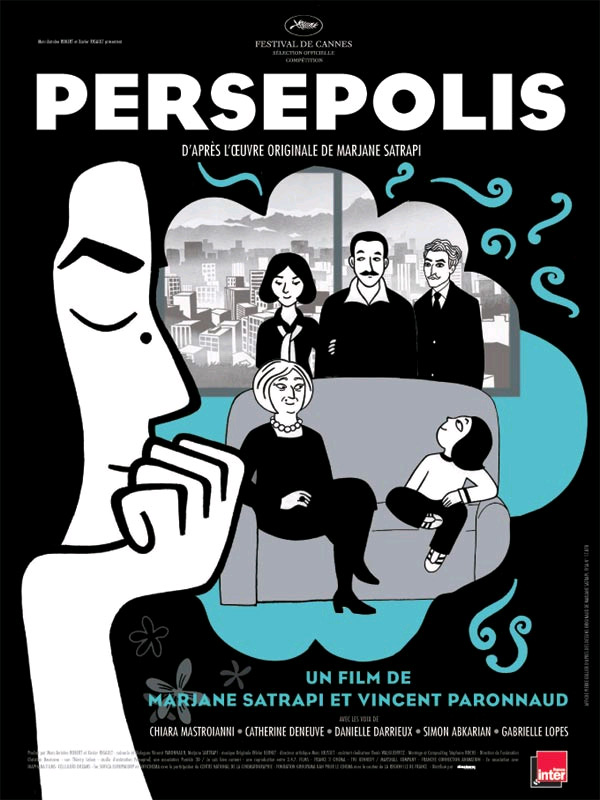
Persepolis is a 2007 animated film based on Marjane Satrapi‘s autobiographical graphic novel of the same name. The film was written and directed by Satrapi with Vincent Paronnaud. The story follows a young girl as she comes of age against the backdrop of the Iranian Revolution. The story ends with Marjane as a 22-year-old expatriate. The title is a reference to the historic city of Persepolis.

The film won the Jury Prize at the 2007 Cannes Film Festival and was released in France and Belgium on June 27. In her acceptance speech, Satrapi said “Although this film is universal, I wish to dedicate the prize to all Iranians.” The film was also nominated for the Academy Award for Best Animated Feature.

The film was released in the United States on December 25, 2007 and in the United Kingdom on April 24 2008.

Technique

The film is black and white in the style of the original graphic novels. The “present day” scenes are shown in color, while sections of the historic narrative resemble a shadow theater show. To help with the translation of the comic to animation, art director and executive producer Marc Jousset came up with the design. The animation is credited to the Perseprod studio and was created by two specialized studios: Je Suis Bien Content and Pumpkin 3D.

 Cast

The voice actors in the original French version include:

The film was released in Canada with the original French soundtrack and English subtitles; the US release was redubbed in English for some locations. Mastroianni and Deneuve reprise their roles in English, but Father is played by Sean Penn, Uncle Anouche by Iggy Pop and Grandmother by Gena Rowlands. Laurie Metcalf also has a small role as the mother of a young teenage boy.

Marjane-Satrapi1

Parisian cartoonist Marjane Satrapi first found fame as the creator of the best-selling graphic memoir Persepolis, which chronicled her experiences growing up in increasingly restrictive, post-revolution Iran in the early eighties. She’s since adapted the book into a striking, whimsically animated film that’s making waves at the New York Film Festival as we speak — and hitting theaters nationwide in December. Satrapi sat down with Vulture over screwdrivers and cigarettes at a Union Square hotel.

What was your reaction when you first saw the movie?
The first time I actually saw the finished movie was at Cannes, which is not the best place to watch your movie for the first time. I had all these anti-anxiety pills that my mother had given me, and I was just taking these pills one after the other. By the end of the projection, I almost didn’t know where I was. So I didn’t really see it, actually. I still have not seen the movie really. When I saw it at Cannes, I was close to dying. I was almost dead.

I’m glad you made it. How much similarity is there between you and the Marjane character in the film?
The moment you write a script, the story becomes kind of fictional. Character-wise, it is not very far from me, but today, I am much more like the grandmother than I am like myself in the movie. I was shy back then, I was like 20-and-something, I had stars in my eyes, and I was dumb. Stupid! I think I’m a little bit less stupid today.

What about the things that the character’s obsessed with in the movie: Bruce Lee, heavy metal, Adidas….
Oh, yes, these are for real. French fries with ketchup, and I wear Adidas sneakers and I love Bruce Lee. I have all his movies. I only watch them when I’m alone, because if my husband is nearby and I am watching kung fu, that means I will beat him up. It gets me overexcited. I took three years of karate because of Bruce Lee, you know. I was a green belt. Two years ago I went to take a kung-fu course, but I think the teacher was lousy because he wanted to teach me everything the whole day, you know, the dragon, the tiger, the whole bullshit. He put me on the ground like 100 times! So I didn’t continue.

How would you compare making movies to creating graphic novels?
Well, writing a book is a very solitary pursuit, and I am my own best friend so I enjoy this very much actually! The first six months of working on the movie, I wanted to kill the whole animation team with whom we worked. I was begging God to kill all of them one after the other, because they were in my face all the time. By the end I really loved them, but that was the end of the project. That’s the story of life — when you start enjoying people, it’s always too late.

Iggy Pop is voicing the uncle in the English-language version!
Yes, he’s playing my uncle Anoush. I chose him myself. I was in L.A., and one morning I woke up like, “Jesus! Shit! Iggy Pop has to be the uncle! It can’t be anybody else.” Because he has this deep voice, and he’s so virile, and because I love his music. It was so incredible to work with him because he was one of the sweetest people I’ve ever met in my life. He’s extremely nice, extremely gentle, and very articulate and cultivated. Plus he has that great body. I listen to his music almost every day. The music that I hate the most is R&B. Oh, shit — [sings a few unrecognizable strains]. You know, that nagging, Usher kind of stuff. Oof! That Beyoncé stuff, it gives me goose pimples. Once in a while they play it at the supermarket and I have to leave. No, no, you can not give that to me. It’s too disgusting.

There have been some negative reactions to the film in Iran. I imagine it’s not going to be shown there?
Oh, no. Of course it’s not going to be shown there. But, you know, it’s like everything else in Iran. They say something isn’t supposed to be seen, and then everybody sees it. It’s like how alcohol is forbidden, but everybody drinks. This is the way we are. As soon as we’re told not to do something, it’s all we want to do.

Having spent so much time in that kind of restrictive environment, do you ever have flashbacks when you’re going about your everyday life?
It never really occurred to me as that restrictive, in a way. You can be completely imprisoned while technically free, and you can be completely free being in jail. If you are one of those nasty Christian people like the Mormons, you know, how free are they? They are not, and they are living in a free country. All of that is in your brain. And I think I am free in my brain because I don’t give a shit about what people think and what they say. That is the beginning of your freedom. The best thing I ever did in my life was to ask, “Do I like everybody?” And the answer was no. So why should everybody like me? If people are against me, so what? I’m against them too.

Marjane-Satrapi-Cannes

http://www.sonypictures.com/classics/persepolis/main.html