MEN’S FASHION 1930

grooms_attire_1900's

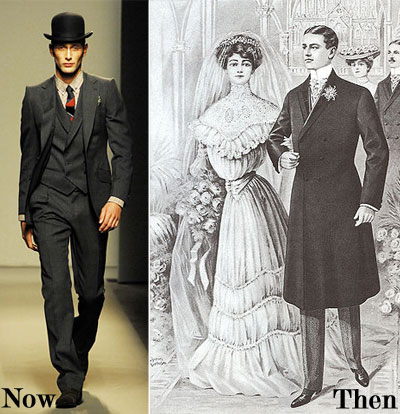
 The decade of the 1930s saw dramatic changes in men’s fashion.  It began with the great Wall Street Crash of October 24, 1929.  By 1931, eight million people were out of work in the United States.  Less or no work meant little or no money to spend on clothing.  The garment industry witnessed shrinking budgets, and going-out-of-business sales were prevalent.  The Edwardian tradition of successive clothing changes throughout the day finally died. Tailors responded to the change in consumer circumstances by offering more moderately priced styles.

In the early part of the decade, men’s suits were modified to create the image of a large torso.  Shoulders were squared using wadding or shoulder pads and sleeves were tapered to the wrist.  Peaked lapels framed the v-shaped chest and added additional breadth to the wide shoulders.

This period also was a rise in the popularity of the double-breasted suit, the precursor of the modern business suit.  Masculine elegance demanded jackets with long, broad lapels, two, four, six or even eight buttons, square shoulders and ventless tails.  Generous-cut, long trousers completed the look. These suits appeared in charcoal, steel or speckled gray, slate, navy and midnight blue.

Dark fabrics were enhanced by herringbone and stippled vertical and diagonal stripes.  In winter, brown cheviot was popular.  In spring, accents of white, red or blue silk fibers were woven into soft wool.  The striped suit became a standard element in a man’s wardrobe at this time.  Single, double, chalk, wide and narrow stripes were all in demand.

grooms_attire_1920's

Plaids of various kinds became popular around this time as well.  Glen plaid checks, originally known as Glen Urquhart checks from their Scottish origin, were one of the more stylish plaids.  Glen plaid designs are sometimes referred to as “Prince of Wales” checks.  Initially the design was woven in saxony wool and later was found in tweed, cheviot, plied and worsted cloth. (See glossary for definitions of these terms.)

In 1935, as a result of President Roosevelt’s New Deal, signs of prosperity returned.  The rebounding economy demanded a redesign of the business suit, to signal the successful status of the man who wore it.  This new look was designed by the London tailor, Frederick Scholte and was known as the “London cut”.  It featured sleeves tapering slightly from shoulder to wrist, high pockets and buttons, wide, pointed lapels flaring from the top rather than the middle buttons and roll, rather than flat lapels.  Shoulder pads brought the tip of the shoulder in line with the triceps and additional fabric filled out the armhole, creating drape in the shoulder area.  As a result of this last detail, the suit was also known as the “London drape” or “drape cut” suit.

grooms_attire_1930's

Other versions of the new suit included four instead of six buttons, lapels sloping down to the bottom buttons, and a longer hem.  This version was known as the Windsor double-breasted (D.B.) and the Kent double-breasted (D.B.), named after the Prince of Wales and the Duke of Kent respectively.  Clark Gable, Jimmy Stewart, Fred Astaire and Cary Grant were a few of the Hollywood stars who lent their endorsement to this style by wearing the suits in their movies.  From there it became popular in mainstream America.

The famous “Palm Beach” suit was designed during the 1930s.  It was styled with a Kent double or single-breasted jacket, and was made from cotton seersucker, silk shantung or linen.  (See glossary for definitions.) Gabardine was also used to make this suit.  It quickly became the American summer suit par excellence and was touted as the Wall Street businessman’s uniform for hot days.

During this time, blazers became popular for summer wear.  Blazers are descendants of the jackets worn by English university students on cricket, tennis and rowing teams during the late nineteenth century.  The name may derive from the “blazing” colors the original jackets were made in, which distinguished the different sports teams.  The American versions were popular in blue, bottle green, tobacco brown, cream and buff.  Metallic buttons traditionally adorned the center front of the jackets, and they were worn with cotton or linen slacks and shorts

A discussion of men’s fashion during the thirties would be incomplete without recognizing the gangster influence.  Gangsters, while despised as thieves, paradoxically projected an image of “businessman” because of the suits they wore.  However, they didn’t choose typical business colors and styles, but took every detail to the extreme.  Their suits featured  wider stripes, bolder glen plaids, more colorful ties, pronounced shoulders, narrower waists, and wider trouser bottoms.  In France, mobsters actually had their initials embroidered on the breast of their shirts, towards the waist.  They topped their extreme look with felt hats in a wide variety of colors:  almond green, dove, lilac, petrol blue, brown and dark gray.  High-fashion New York designers were mortified by demands to imitate the gangster style, but obliged by creating the “Broadway” suit.

In 1931, “Apparel Arts” was founded as a men’s fashion magazine for the trade. Its purpose was to bring an awareness of men’s fashion to middle-class male consumers by educating sales people in men’s stores, who in turn would make recommendations to the consumers.  It became the fashion bible for middle- class American men.

Over the next three decades, American garment makers rose to a new level of sophistication, successfully competing with the long-established English and French tailors.  However, the eruption of war at the end of the decade brought an abrupt halt to the development of fashion all over the world.

1930s-mens-fashion

On September 3, 1939, England and France declared war on Germany for invading Poland, and refusing to withdraw troops.  Once again, men’s fashion would change as a result of historic events.

1930 GLOSSARY OF TERMS

 Cheviot:  A British breed of sheep known for its heavy fleece.  Cloth produced from this wool is a heavy twill weave.

Gabardine:  A firm, tightly woven fabric of worsted, cotton, wool or other fiber with a twill weave.

Glen plaid:  Vertical and horizontal stripes intersecting at regular intervals to form a houndstooth check.

Herringbone:  A pattern consisting of adjoining vertical rows of slanting lines suggesting a “V” or an inverted “V”.  Also known as chevron.

Houndstooth check:  A pattern of broken or jagged checks.

Saxony:  A fine three-ply yarn.  Cloth produced from the yarn is a soft-finish compact fabric.

Seersucker:  Originally from India and named after a Persian expression, “shirushakar”, meaning milk and sugar.  It is a rippled or puckered cloth resulting from the vertical alternation of two layers of yarn, one taut and one slack, which also creates the characteristic stripe.

Shantung:  A plain weave silk cloth made from yarns with irregular or uneven texture.

Tweed:  A coarse wool cloth in a variety of weaves and colors originally from Scotland.  (Many tweeds are multi-color and textured.)

Twill weave:  One of three basic weave structures in which the filling threads (woof threads) are woven over and under two or more warp yarns producing a characteristic diagonal pattern.

Worsted:  Firmly twisted yarn or thread spun from combed, stapled wool fibers of the same length.  Cloth produced from this yarn has a hard, smooth surface and no nap (like corduroy or velvet).

Written by  Carol Nolan-Edited by  Julie Williams
COLON AND KIDNEY DETOX

What Is Detoxification? Detoxification is the process of clearing toxins from the body or neutralizing or transforming them, and clearing excess mucus and congestion. Many of these toxins come from our diet, drug use, and environmental exposure, both acute and chronic. Internally, fats, especially oxidized fats and cholesterol, free radicals, and other irritating molecules act as toxins. Poor digestion, colon sluggishness and dysfunction, reduced liver function, and poor elimination through the kidneys, respiratory tract, and skin all add to increased toxicity. Detoxification involves dietary and lifestyle changes, which reduce intake of toxins and improve elimination. Avoidance of chemicals, from food or other sources, refined food, sugar, caffeine, alcohol, tobacco, and many drugs helps minimize the toxin load. Those lifestyle changes are a direct result of choices you make in your life. Transcendental meditation has helped me make marked improvements in not only my health and behavior but also all aspects of my life. I highly recommend you look into it. When detoxifying your colon, it is also important to incorporate probiotics in your diet to replenish your intestinal flora. Colon cleansing Bowel movements are the basis of your health. If you do not have at least one bowel movement per day, you are already walking your way toward disease. Man’s body has not changed very much in the past several thousand years… however, man’s diet has certainly changed a lot. All the refined sugar, white flour, hormone/antibiotics-filled meats we constantly ingest constitute an assault on our bodies. We are continuously violating our bodies by eating terrible foods. Colon cancer is the second leading cause of cancer deaths in the U.S. Therefore, all congestion and toxins must be removed, and it must begin with cleansing of the bowel. One of the most frequent bowel problems that people experience today is constipation. A constipated system is one in which the transition time of toxic wastes is slow. The longer the “transit time,” the longer the toxic waste matter sits in our bowel, which allows them to putrefy, ferment and possibly be reabsorbed. The longer your body is exposed to putrefying food in your intestines, the greater the risk of developing disease. Even with one bowel movement per day, you will still have at least three meals worth of waste matter putrefying in your colon at all times. Disease usually begins with a toxic bowel. Those having fewer bowel movements are harboring a potentially fertile breeding ground for serious diseases. Infrequent or poor quality bowel movements over an extended period may be very hazardous to your health.

REMOVING MUCOID PLAQUE FROM COLON

Even a thin layer of mucoid plaque weakens the body. Nature intended mucoid plaque to be sloughed off. However, due to stress and diet, most Americans have many hardened layers of mucoid plaque. The healthy colon weighs about 4 pounds. One autopsy revealed a colon choked with 40 pounds of impacted mucoid plaque! A proper colon cleanses and detoxification program prepares your body for optimal health by removing the mucoid plaque.

Begin transitioning to a diet rich in raw fruits and vegetables with very few cooked or processed foods to help keep your digestive system free of mucoid plaque. Regular and easy elimination will be the rule, toxins will not build up and foods will be fully digested and utilized. This optimum nutrition allows rejuvenation and peak vitality. Of course, it was a process of years or decades to get the body so full of plaque and toxins, so it will be a process, although faster, to detoxify and get your body pure and back to its highest possible state of health.

Colon cleansing is a procedure, which may include the use of many different supplements, and few days of FASTING. A good intestinal cleanse will also include a parasite cleanse.

NATURAL COLON CLEANSING

More often than not, natural colon cleansing means following a colon cleansing diet along with taking some colon cleansing supplements which may include herbs which are known to kill parasites and worms, contain digestive enzymes, contain probiotics (beneficial bacteria), contain herbs that stimulates liver, gallbladder and intestines, also psyllium husk or seeds, Cascara Sagrada, or flax seeds, or slippery elm, and others.

The person on a typical American diet holds eight meals of undigested food and waste material in the colon, while the person on the high fiber diet holds only three. The herbal colon-cleansing page and the colon health page explain in detail how you can embark on a good colon-cleansing program for yourself.

START A DETOX FOR YOUR COLON

A good cleansing program should always begin by removing the waste in your colon, the last portion of your food processing chain. If you attempt to clean your liver, blood, or lymph system without first addressing a waste-filled bowel, the excreted toxins will only get recycled back into your body.

INTESTINAL CLEANSE

Constipation and diarrhea are also indications of foul matter in your intestines. Furthermore, the much more serious problems of cancer and immune system dysfunctions begin with a toxic bowel.

Once we truly understand that the “single greatest challenge our bodies face is the effective removal of wastes and toxins”, we will never again undermine the importance of frequent bowel movements.

As the colon becomes impacted with dry putrefactive waste, its shape and function are affected in numerous ways. It may stretch like a balloon in certain areas, or develop something called “diverticula” (pouches on the intestinal wall which may become infected), or fall down upon itself (prolapsed colon). All of these colon malformations greatly impair your large intestine’s ability to function, which in turn places severe strain on your digestive organs and glands and affects nutrient assimilation and absorption. The colon is the body’s “sewer system”, and if not treated properly can accumulate toxic poisons, which are absorbed into the bloodstream. This in turn can cause many diseases.

A standard bowel cleanse contains:

Bentonite clay and flaxseeds assist with the colon cleansing process. Bentonite is a type of edible clay that acts as a bulk laxative by absorbing water to form a gel. It binds toxins such as pesticides and helps to carry them out of the colon. Flaxseeds also absorb water and expand in the colon, allowing toxins and mucus to be removed. In addition, flaxseeds have been found to lower cholesterol levels.

As part of your colon-cleansing program, take 1 tablespoon of liquid bentonite and one tablespoon of ground flaxseeds in a glass of water first thing in the morning (wait at least 1/2 hour before eating) and before bed. Drink at least eight glasses of water per day or constipation may result. You should take the bentonite separate from medications or supplements because it may interfere with absorption. I find the best price for a high quality colon-cleaning product containing bentonite clay is here.

An important component of a colon-cleansing program is the use of probiotics to help replenish the population of friendly bacteria, which resides in your colon.


KIDNEY CLEANSE

Now let’s turn to kidney cleansing. Did you know that your chances of developing a kidney stone in your lifetime are 1 in 10? More than 300,000 people in the U.S. suffer from renal failure each year and undergo dialysis or await a kidney transplant.

Your kidneys are two bean-shaped organs, each about the size of your fist. Although the kidneys are small organs by weight, they receive a huge amount – about 20% – of the blood pumped by the heart. Every day, your kidneys process about 200 quarts of blood to sift out about 2 quarts of waste products and extra water.

The actual filtering occurs in tiny units inside your kidneys called ‘nephrons’. Every kidney has about a million nephrons. In the nephron, a glomerulus–which is a tiny blood vessel or capillary–intertwines with a tiny urine-collecting tube called a tubule. A complicated chemical exchange takes place, as waste materials and water leave your blood and enter your urinary system.


The large blood supply to your kidneys enables them to do the following tasks:


Regulate the composition of your blood

Keep constant the concentrations of various ions and other important substances

Keep constant the volume of water in your body

Remove wastes from your body (urea, drugs,toxic substances)

Keep the acid/base concentration of your blood

constant

Help regulate your blood pressure

Stimulate the production of red blood cells

Maintain your body’s calcium levels

Your kidneys receive the blood, they process the blood by removing the wastes and then return the processed blood to the body and the unwanted substances end up in the urine. Urine flows from the kidneys through the ureters into the bladder. In the bladder, the urine is stored until it is excreted from the body through the urethra.


The easiest way to do a kidney cleanse is to purchase 20 to 100 pounds of watermelon (a few huge melons), sit in a bath filed with water, eat as much of the watermelon as you can throughout the day, while regularly emptying your bladder. Using this procedure, people have dissolved big stones, and then passed small kidney stones out of their body. Note that this kidney cleanse is not suitable for diabetics.

An effective kidney cleanse is discussed in more detail here.

WWW.BETWEENTWOWORLDS.INFO

ELIZABETH OF BAVARIA

IMG_2709

For the Queen Elisabeth of Belgium, also born Duchess Elisabeth in Bavaria, see Elisabeth of Bavaria (1876–1965).
For women with similar names, see Empress Elisabeth (disambiguation) and Elisabeth of Wittelsbach.
This article is about the empress consort. For other uses of Sissi, see Sissi (disambiguation).

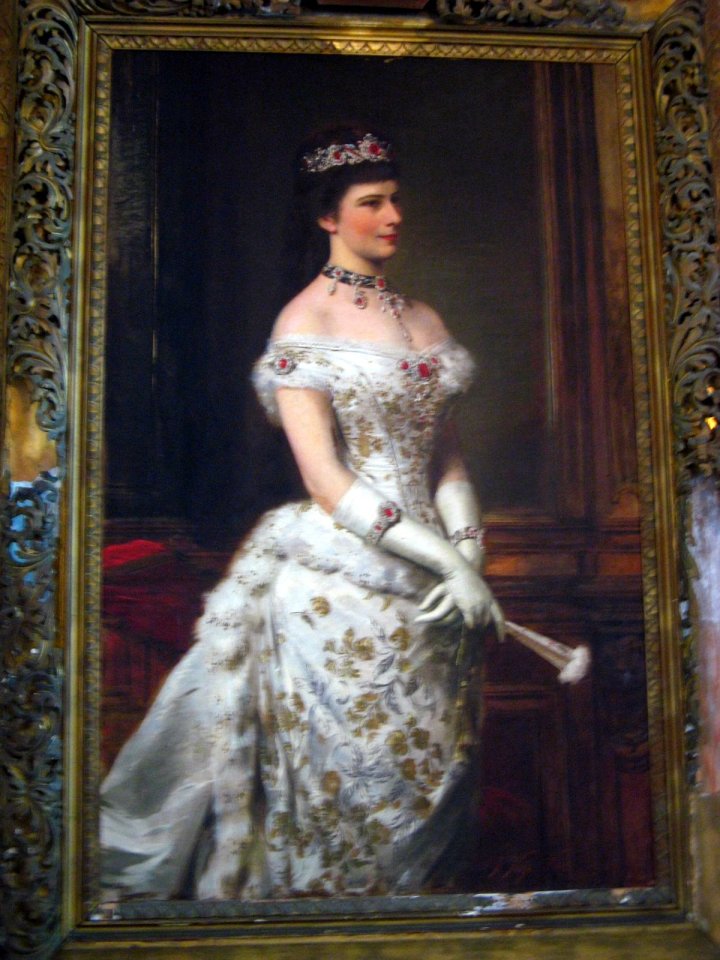
Elisabeth of Bavaria (24 December 1837 – 10 September 1898) was Empress of Austria and Queen of Hungary as spouse of Emperor Francis Joseph I. From an early age, she was called “Sisi” by family and friends.

I047860_L_xW9xO_HBcIIzWLaiMyXw_c2atw_250

While Elisabeth’s role and influence on Austro-Hungarian politics should not be overestimated (she is only marginally mentioned in scholarly books on Austrian history), she has undoubtedly become a 20th century icon. Elisabeth was considered to be a free spirit who abhorred conventional court protocol; she has inspired filmmakers and theatrical producers alike.

BAVARIAN DUCHESS

sissi26

She was born in Munich, Bavaria. She was the fourth child of Duke Maximilian Joseph in Bavaria and her mother was Princess Ludovika of Bavaria. Her family home was Possenhofen Castle.

Elisabeth accompanied her mother and her 18-year-old sister, Duchess Helene, on an 1853 trip to the resort of Bad Ischl, Upper Austria , where they hoped Helene would attract the attention of their maternal first cousin, 23-year-old Francis Joseph, then Emperor of Austria. Instead, Francis Joseph chose the 16-year old Elisabeth, and the couple were married in Vienna at St. Augustine’s Church on 24 April 1854.

QUEEN AND EMPRESS

Wappen_Kaiserin_Elisabeth2

Elisabeth had difficulty adapting to the strict etiquette practiced at the Habsburg court. Nevertheless, she bore the emperor three children in quick succession: Archduchess Sophie of Austria (1855–1857), Archduchess Gisela of Austria (1856–1932), and the hoped-for crown prince, Rudolf (1858–1889). In 1860, she left Vienna after contracting a lung-disease which was presumably psychosomatic. She spent the winter in Madeira and only returned to Vienna after having visited the Ionian Islands. Soon after that she fell ill again and returned to Corfu.

P1030449

National unrest within the Habsburg monarchy caused by the rebellious Hungarians led, in 1867, to the foundation of the Austro–Hungarian double monarchy. Elisabeth had always sympathized with the Hungarian cause and, reconciled and reunited with her alienated husband, she joined Francis Joseph in Budapest, where their coronation took place. In due course, their fourth child, Archduchess Marie Valerie was born (1868–1924). Afterwards, however, she again took up her former life of restlessly travelling through Europe. Elisabeth was denied any major influence on her older children’s upbringing, however — they were raised by her mother-in-law Princess Sophie of Bavaria, who often referred to Elisabeth as their “silly young mother.”

Elisabeth embarked on a life of travel, seeing very little of her offspring, visiting places such as Madeira, Hungary, England and Corfu. At Corfu she commissioned the building of a palace which she called the Achilleion, after Homer‘s hero Achilles in The Iliad. After her death, the building was purchased by German Emperor Wilhelm II.

She became known not only for her beauty, but for her fashion sense, diet and exercise regimens, passion for riding sports, and a series of reputed lovers. She paid extreme attention to her appearance and would spend most of her time preserving her beauty. She often shopped at Antal Alter, now Alter és Kiss, which had become very popular with the fashion-crazed crowd, as described by the famous 19th-century writer Richard Rado:

“Everyone, from the most wealthy, to the upper middle class… almost every woman visited the shop. The shop’s name even extended beyond the country’s borders… Elizabeth of Bavaria (Sissi), wife of Francis Joseph I and Queen of the Austro-Hungarian monarchy, was also among its clients.

Her diet and exercise regimens were strictly enforced to maintain her 20-inch (50 cm) waistline and reduced her to near emaciation at times (symptoms of what is now recognised as anorexia).[citation needed] One of her alleged lovers was George “Bay” Middleton, a dashing AngloScot who was probably the father of Clementine Ogilvy Hozier (the wife of Winston Churchill). She also tolerated, to a certain degree, Franz Joseph’s affair with actress Katharina Schratt.

The Empress also engaged in writing poetry (such as the “Nordseelieder” and “Winterlieder”, both inspirations from her favorite German poet, Heinrich Heine). Shaping her own fantasy world in poetry, she referred to herself as Titania, Shakespeare’s Fairy Queen. Most of her poetry refers to her journeys, classical Greek and romantic themes, as well as ironic mockery on the Habsburg dynasty. In these years, Elisabeth also took up with an intensive study of both ancient and modern Greek, drowning in Homer‘s Iliad and Odyssey. Numerous Greek lecturers (such as Marinaky, Christomanos, and Barker) had to accompany the Empress on her hour-long walks while reading Greek to her. According to contemporary scholars, Empress Elisabeth knew Greek better than any of the Bavarian Greek Queens in the 19th century.In 1889, Elisabeth’s life was shattered by the death of her only son: 30-year-old Crown Prince Rudolf and his young lover Baroness Mary Vetsera were found dead, apparently by suicide. The scandal is known by the name Mayerling, after the name of Rudolf’s hunting lodge in Lower Austria.

After Rudolf’s death, the Empress continued to be an icon, a sensation wherever she went: a long black gown that could be buttoned up at the bottom, a white parasol made of leather and a brown fan to hide her face from curious looks became the trademarks of the legendary Empress of Austria. Only a few snapshots of Elisabeth in her last years are left, taken by photographers who were lucky enough to catch her without her noticing. The moments Elisabeth would show up in Vienna and see her husband were rare. Interestingly, their correspondence increased during those last years and the relationship between the Empress and the Emperor of Austria had become platonic and warm. On her imperial steamer, Miramar, Empress Elisabeth travelled restlessly through the Mediterranean. Her favourite places were Cap Martin on the French Riviera, where tourism had only started in the second half of the 19th century, Lake Geneva in Switzerland, Bad Ischl in Austria, where she would spend her summers, and Corfu. More than that, the Empress had visited countries no other Northern royal went to at the time: Portugal, Spain, Morocco, Algeria, Malta, Greece, Turkey and Egypt. Travel had become the sense of her life but also an escape from herself.

LITERATURE AND DRAMA

 Sissi-forever-my-love

In the German-speaking world, Elisabeth’s name is often associated with a trilogy of romantic films about her life directed by Ernst Marischka and starring a teenage Romy Schneider:

  • Sissi (1955)
  • Sissi — die junge Kaiserin (1956) (Sissi — The Young Empress)
  • Sissi — Schicksalsjahre einer Kaiserin (1957) (Sissi — Fateful Years of an Empress)

The three films, now newly restored, are shown every Christmas on Austrian, German and French TV and have done much to create the myth surrounding Elisabeth. A condensed version dubbed in English was published in 1962 under the title Forever My Love, and in 2007 the three German films were released with English subtitles as The Sissi Collection.

Schneider loathed the role, claiming, “Sissi sticks to me like porridge (Griesbrei).” Later she was able to achieve a sort of satisfaction, appearing as a much more realistic and fascinating Elisabeth in Luchino Visconti‘s Ludwig, a 1972 movie about Elisabeth’s cousin, Ludwig II of Bavaria. A portrait of herself in this film was the only one of her roles Schneider displayed in her home.

Ava Gardner also played the Empress in the 1968 film Mayerling. (Omar Sharif and Catherine Deneuve played the doomed lovers.) She, also, had one sole film portrait of herself on display in her home: it was from this film.

She was the subject of a 1991 German movie called Sissi/Last Minute (original Sisi und der Kaiserkuß “Sissi and the kiss of the Emperor”). The movie starred Vanessa Wagner as Sissi, Nils Tavernier as Emperor Franz Joseph and Sonja Kirchberger as Nene.

In 1974, Elisabeth was portrayed in the British television series Fall of Eagles by Diane Keen (as the young Elisabeth) and Rachel Gurney (as Elisabeth at the time of Prince Rudolf’s death).

Her story also became part of a children’s book series: The Royal Diaries: Elisabeth, The Princess Bride.

In one of the episodes of the Austrian TV show, Kommissar Rex (1994), about a police dog who always solves his police-inspector owner’s cases, the myth of Sissi is shown under the influence of her story on a young woman who often sneaks into a palace where Sissi lived and starts acting like her during the night, when the museum is closed. This includes riding in the park, using hair ornaments similar to the ones Elisabeth was known for using and even sleeping in the Empress’s bed, dressed in vintage nightwear, after having brushed her hair in Sissi’s way, separating it in two parts spread over the pillow so that the strands wouldn’t be mussed by morning: all this, of course, using Sissi’s old brush. This episode, the thirteenth of Season 5 of the show (and the last from that season), is called “Sissi” and originally aired on 22 April 1999. The empress-obsessed character’s name is Marion, and she is played by actress Marion Mitterhammer.

Her younger years are portrayed in a children’s series in 1997 called Princess Sissi.

In 2007, German comedian and director Michael Herbig released a computer-animated parody film of Sissi’s character under the title Lissi und der wilde Kaiser (lit.: “Lissi and the Wild Emperor”). It is based on his Sissi parody sketches featured in his TV show Bullyparade.


DANCE AND MUSIC

Fritz Kreisler composed a comic opera ‘Sissi’, which premiered in Vienna in 1932. The libretto was written by Ernst and Hubert Marischka, with orchestrations by Robert Russell Bennett.

In 1992, the musical Elisabeth premièred at the Theater an der Wien in Vienna, Austria. Written by Michael Kunze (libretto, lyrics) and Sylvester Levay (music), with the leading role of the Empress played by Pia Douwes of the Netherlands. It has also been produced successfully in Hungary, Germany, Switzerland, the Netherlands, Sweden, Finland and in Japan, with Douwes also again performing the role of Sissi in the Netherlands, Berlin, Essen and Stuttgart.

In the film version of Andrew Lloyd Webber‘s The Phantom of the Opera, the character Christine is wearing a gown inspired by a portrait of Elisabeth of Austria-Hungary by Franz Xavier Winterhalter during her opera debut when she performs the song “Think of Me”.

SissiChristine


French ballet dancer Sylvie Guillem appeared to great acclaim at the Paris Opera Ballet in a piece titled Sissi Imperatice , choreographed by Maurice Bejart.

Elisabeth has a featured role in Kenneth MacMillan‘s ballet, Mayerling including a pas de deux with her son Prince Rudolf, the central character in the ballet; and a notable pas de six with five male partners, Bay Middleton and four Hungarian officers, friends of her son.

Dutch singer Petra Berger’s album Eternal Woman includes “If I Had a Wish”, a song about Elisabeth.


*I have to confess one thing. In 1998, I went to Vienna; I wanted to attend to the debut of Elizabeth at the Opera House. However, my husband did not know who Sissi or Elizabeth of Bavaria was. Therefore, he did not take me to see the Elizabeth, at the Vienna Opera house. Instead, he took me to see one play of his choice witch was about a butcher’s I dress myself in a beautiful evening gown to go to the Vienna Opera House. When I arrived I found out I was about to see the butchers. I left Vienna, thinking that I would be back there to see the show that I wanted so much to see! Now you can see why I was distressed! How could I have missed such an opportunity?

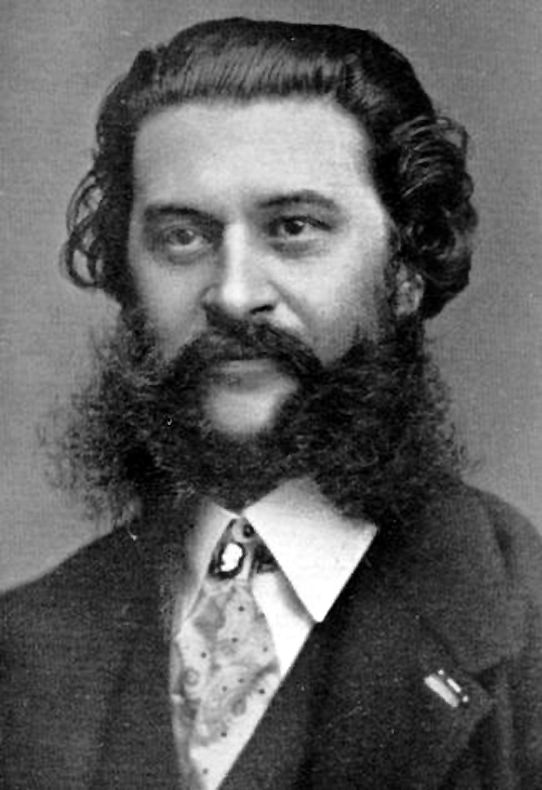
JOHANN  STRAUSSJohann_Strauss_II

Johann Strauss II (October 25, 1825 – June 3, 1899;

 German: Johann Baptist Strauß; also known as Johann Baptist Strauss, Johann Strauss, Jr., or Johann Strauss the Younger) was an Austrian composer of light music, particularly dance music and operettas. He composed over 500 waltzes, polkas, quadrilles, and other types of dance music, as well as several operettas and a ballet. In his lifetime, he was known as “The Waltz King”, and was largely responsible for the popularity of the waltz in Vienna during the 19th century.

Strauss was the son of Johann Strauss I, another composer of dance music. His father did not wish him to become a composer, but rather a banker; however, the son defied his father’s wishes, and went on to study music with the composer Joseph Drechsler and the violin with Anton Kollmann, the ballet répétiteur of the Vienna Court Opera. Strauss had two younger brothers, Josef and Eduard Strauss, who became composers of light music as well, although they were never as well-known as their elder brother.

Some of Johann Strauss’s most famous works include the waltzes The Blue Danube, Kaiser-Walzer, Tales from the Vienna Woods, the Tritsch-Tratsch-Polka, and the Pizzicato Polka. Among his operettas, Die Fledermaus and Der Zigeunerbaron are the most well-known.

Strauss Jr. eventually surpassed his father’s fame, and became one of the most popular of waltz composers of the era, extensively touring Austria, Poland, and Germany with his orchestra. He applied for the KK Hofballmusikdirektor Music Director of the Royal Court Balls position, which he eventually attained in 1863, after being denied several times before for his frequent brushes with the local authorities.

In 1853, due to constant mental and physical demands, Strauss suffered a nervous breakdown. He took a seven-week vacation in the countryside in the summer of that year, on the advice of doctors. Johann’s younger brother Josef was persuaded by his family to abandon his career as an engineer and take command of Johann’s orchestra in the absence of the latter.

In 1855, Strauss accepted commissions from the management of the Tsarskoye-Selo Railway Company of St. Petersburg to play in Russia for the Vauxhall Pavilion at Pavlovsk in 1856. He would later return to perform in Russia for every year until 1865.

Later, in the 1870s, Strauss and his orchestra toured the United States, where he took part in the Boston Festival at the invitation of bandmaster Patrick Gilmore and was the lead conductor in a ‘Monster Concert’ of over 1000 performers, performing his “Blue Danube” waltz, amongst other pieces, to great acclaim.

460px-Donauwalzer

The Blue Danube is the common English title of An der schönen blauen Donau op. 314 (On the Beautiful Blue Danube), a waltz by Johann Strauss II, composed in 1866. Originally performed 13 February 1867 at a concert of the Wiener Männergesangsverein (Vienna Men’s Choral Association), it has been one of the most consistently popular pieces of music in the classical repertoire. Its initial performance was only a mild success, however, and Strauss is reputed to have said “The devil take the waltz, my only regret is for the coda—I wish that had been a success!”

After the original music was written, the words were added by the Choral Association’s poet, Joseph Weyl. Strauss later added more music, and Weyl needed to change some of the words. Strauss adapted it into a purely orchestral version for the World’s Fair in Paris that same year, and it became a great success in this form. The instrumental version is by far the most commonly performed today. An alternate text by Franz von Gernerth, Donau so blau (Danube so blue), is also used on occasion.

The sentimental Viennese connotations of the piece have made it into a sort of unofficial Austrian national anthem. It is a traditional encore piece at the annual Vienna New Year’s Concert. The first few bars are also the interval signal of Osterreich Rundfunk’s overseas programs.

It is reported by composer Norman Lloyd in his “Golden Encyclopedia of Music” that when asked by Frau Strauss for an autograph, the composer Johannes Brahms autographed Mrs. Strauss’s fan by writing on it the first few bars of the Blue Danube. Under it he wrote “Unfortunately not by Johannes Brahms”.

The lives of the Strauss dynasty members and their world-renowned craft of composing Viennese waltzes are also briefly documented in several television adaptations, such as The Strauss Dynasty (1991)and Strauss, the King of 3/4 Time (1995).Many other films used his works and melodies, and several films have been based upon the life of the musician, the most famous of which is called The Great Waltz (1938). Alfred Hitchcock made a low-budget biopic of Strauss in 1933 called Waltzes from Vienna. After a trip to Vienna, Walt Disney was inspired to create four feature films. One of those was “The Waltz King”, a loosely adapted biopic of Johann Strauss, which aired as part of the Wonderful World of Disney in the U.S. in 1963.

strauss

http://www.johann-strauss.org.uk/

http://bobjanuary.com/johann2.htm

RISING POWERS


B R I C

In economics, BRIC or BRICs is an acronym that refers to the fast growing developing economies of Brazil, Russia, India, and China. The acronym was first coined and prominently used by Goldman Sachs in 2001.Goldman Sachs argued that, since they are developing rapidly, by 2050 the combined economies of the BRICs could eclipse the combined economies of the current richest countries of the world.

Goldman Sachs did not argue that the BRICs would organize themselves into an economic bloc, or a formal trading association, like the European Union has done.However, there are strong indications that the “four BRIC countries have been seeking to form a “political club” or “alliance”, and thereby converting “their growing economic power into greater geopolitical clout”. One of the recent indications was from a BRIC Summit meeting in 2008, in the Russian city of Yekaterinburg between the foreign ministers of the BRIC countries. Also in his Latin America trip Russian President Dmitry Medvedev, while visiting Brazil, met with Brazilian President Luiz Inácio Lula da Silva and agreed to visa-free travel. Medvedev has also recently made a trip to New Delhi, India to meet with Indian President Prathiba Patil and Prime Minister Manmohan Singh to discuss a nuclear deal as well as agreeing to cooperate in the spheres of finance and financial security, tourism, culture and fighting drug trafficking.

BRIC (Portuguese)

BRIC é um acrônimo criado em novembro de 2001 pelo economista Jim O’Neill, do grupo Goldman Sachs, criou o termo para designar os 4 (quatro) principais países emergentes do mundo, a saber: Brasil, Rússia, Índia e China no relatório “Building Better Global Economic Brics”. Usando as últimas projeções demográficas e modelos de acumulação de capital e crescimento de produtividade, o grupo Goldman Sachs mapeou as economias dos países BRICs até 2050. Especula-se que esses países poderão se tornar a maior força na economia mundial.

Se os resultados ocorrerem como esperado em menos de 40 anos as economias BRICs juntas poderão ser maiores que as dos G6 (Estados Unidos da América, Japão, Alemanha, Reino Unido, França e Itália) em termos de dólar americano (US$).

O estudo ressalta que cada um dos quatro enfrenta desafios diferentes para manter o crescimento na faixa desejável. Por isso, existe uma boa chance de as previsões não se concretizarem, por políticas ruins, simplesmente má sorte, ou por erro nas projeções.

Mas se os BRICs chegarem pelo menos próximos das previsões, as implicações na economia mundial serão grandes. A importância relativa dos BRICs como usina de novas demandas de crescimento e poder de gasto pode mudar mais sensível e rapidamente do que se imagina a economia mundial.

De acordo com o estudo, o grupo possuirá mais de 40% da população mundial e juntos terão um PIB de mais de 85 trilhões de dólares (US$). Esses quatro países não formam um bloco político (como a União Europeia), nem uma aliança de comércio formal (como o Mercosul e ALCA) e muito menos uma aliança militar (como a OTAN), mas formam uma aliança através de vários tratados de comércio e cooperação assinados em 2002 para alavancar seus crescimentos.

Participação dos Países

Economia dos BRICs em relação às dos G6
Relação da projeção do PIB e PIB per capita dos países BRICs e G6 até 2050.
Dentro dos BRICs haveria uma clara divisão de funções. Ao Brasil e à Rússia ficaria o papel de produtor de alimentos e produtor de petróleo respectivamente. Ambos seriam também fornecedores de matéria prima.

Os negócios de serviços e de manufatura estariam principalmente localizados na Índia e China, devido à concentração de mão-de-obra naquele e tecnologia neste.

The BRIC thesis

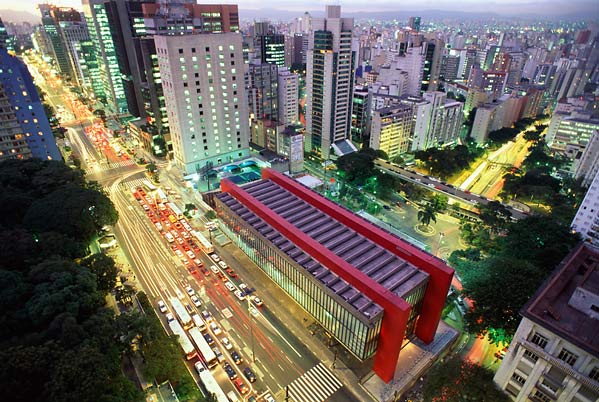
SAO PAULO

RIO DE JANEIRO
Rio de Janeiro, Brazil.

Goldman Sachs argues that the economic potential of Brazil, Russia, India, and China is such that they may become among the four most dominant economies by the year 2050. The thesis was proposed by Jim O’Neill, global economist at Goldman Sachs. These countries encompass over twenty-five percent of the world’s land coverage, forty percent of the world’s population and hold a combined GDP (PPP) of 15.435 trillion dollars. On almost every scale, they would be the largest entity on the global stage. These four countries are among the biggest and fastest growing Emerging Markets.

However, it is important to note that it is not the intent of Goldman Sachs to argue that these four countries are a political alliance (such as the European Union) or any formal trading association, like ASEAN. Nevertheless, they have taken steps to increase their political cooperation, mainly as a way of influencing the United States position on major trade accords, or, through the implicit threat of political cooperation, as a way of extracting political concessions from the United States, such as the proposed nuclear cooperation with India.


(2003) Dreaming with BRICs: The Path to 2050

The BRIC thesis (defended in the paper Dreaming with BRICs: The Path to 2050) recognizes that Brazil, Russia, India and China have changed their political systems to embrace global capitalism. Goldman Sachs predicts China and India, respectively, to be the dominant global suppliers of manufactured goods and services while Brazil and Russia would become similarly dominant as suppliers of raw materials. Cooperation is thus hypothesized to be a logical next step among the BRICs because Brazil and Russia together form the logical commodity suppliers to India and China. Thus, the BRICs have the potential to form a powerful economic bloc to the exclusion of the modern-day states currently of “Group of Eight” status. Brazil is dominant in soy and iron ore while Russia has enormous supplies of oil and natural gas. Goldman Sachs’ thesis thus documents how commodities, work, technology, and companies have diffused outward from the United States across the world. Following the end of the Cold War or even before, the governments comprising BRIC all initiated economic or political reforms to allow their countries to enter the world economy. In order to compete, these countries have simultaneously stressed education, foreign investment, domestic consumption, and domestic entrepreneurship. According to the study, India has the potential to grow the fastest among the four BRIC countries over the next 30 to 50 years. A major reason for this is that the decline in working age population will happen later for India and Brazil than for Russia and China.


 (2004) Follow-up report

CHINA

The Goldman Sachs global economics team released a follow-up report to its initial BRIC study in 2004. The report states that in BRIC nations, the number of people with an annual income over a threshold of $3,000, will double in number within three years and reach 800 million people within a decade. This predicts a massive rise in the size of the middle class in these nations. In 2025, it is calculated that the number of people in BRIC nations earning over $15,000 may reach over 200 million. This indicates that a huge pickup in demand will not be restricted to basic goods but impact higher-priced goods as well. According to the report, first China and then a decade later India will begin to dominate the world economy. Yet despite the balance of growth, swinging so decisively towards the BRIC economies, the average wealth level of individuals in the more advanced economies will continue to far outstrip the BRIC economy average. Goldman Sachs estimates that by 2025 the income per capita in the six most populous EU countries will exceed $35,000, whereas only about 500 million people in the BRIC economies will have similar income levels.

The report also highlights India‘s great inefficiency in energy use and mentions the dramatic under-representation of these economies in the global capital markets. The report also emphasizes the enormous populations that exist within the BRIC nations, which makes it relatively easy for their aggregate wealth to eclipse the G6, while per-capita income levels remain far below the norm of today’s industrialized countries. This phenomenon, too, will affect world markets as multinational corporations will attempt to take advantage of the enormous potential markets in the BRICs by producing, for example, far cheaper automobiles and other manufactured goods affordable to the consumers within the BRICs in lieu of the luxury models that currently bring the most income to automobile manufactures. India and China have already started making their presence felt in the service and manufacturing sector respectively in the global arena. Developed economies of the world have already taken a serious note of the fact.


 (2007) Second Follow-up report

This report compiled by lead authors Tushar Poddar and Eva Yi gives insight into “India’s Rising Growth Potential”. It reveals updated projection figures attributed to the rising growth trends in India over the last four years. Goldman Sachs assert that “India’s influence on the world economy will be bigger and quicker than implied in our previously published BRICs research”. They noted significant areas of research and development, and expansion that is happening in the country, which will lead to the prosperity of the growing middle-class.

“India has 10 of the 30 fastest-growing urban areas in the world and, based on current trends, we estimate a massive 700 million people will move to cities by 2050. This will have significant implications for demand for urban infrastructure, real estate, and services.”

In the revised 2007 figures, based on increased and sustaining growth, more inflows into foreign direct investment, Goldman Sachs predicts that “from 2007 to 2020, India’s GDP per capita in US$ terms will quadruple”, and that the Indian economy will surpass the United States (in US$) by 2043. It states that the four nations as a group will overtake the G7 in 2032.

 Atualmente   (Portuguese)

Os BRIC, apesar de ainda não serem as maiores economias mundiais, já exercem grande influência, o que pode ser presenciado claramente na reunião da OMC em 2005, onde os países em desenvolvimento liderados por Brasil e Índia juntaram-se a países subdesenvolvidos para impor a retirada dos subsídios governamentais na União Européia e os Estados Unidos e a redução nas tarifas de importação e comércio nos mesmos. Alavancando assim o crescimento dos “BRICs” e outros países afetados pela pobreza.

Rússia, Índia e China já são superpotências militares, ao contrário do Brasil que ainda não apresentou momentos históricos necessários para uma corrida armamentista. Todos eles estão em processo de desenvolvimento político e econômico para se adequarem aos demais países desenvolvidos.

No futuro

Em 2050, os BRICs já seriam as maiores potências econômicas do mundo; ultrapassando assim a União Européia e o ainda em crescimento Estados Unidos da América. Se formado um bloco econômico, seria uma parceria perfeita para o sucesso extremo e a onipotência mundial.

O Brasil desempenharia o papel de país exportador agropecuário, tendo como principais produtos a soja e a carne bovina. Tudo isso seria necessário para alimentar mais de 40% da população mundial. A cana-de-açúcar também desempenharia papel fundamental na produção de combustíveis renováveis e ecologicamente corretos, como o álcool e a recente atração, o biodiesel. Além de fornecer matérias-primas essenciais a países em desenvolvimento, como o petróleo, o aço e o alumínio, que também são encontrados nos parceiros latinos, fortemente influenciados pelo Brasil, como Argentina, Venezuela, Paraguai, Uruguai e Bolívia, através do Mercosul. Mas talvez o mais importante papel do Brasil estaria em suas reservas naturais de água, na fauna e na flora, ímpares em todo o mundo, que em breve ocuparão o lugar do petróleo na lista de desejos dos líderes políticos de todos os países. O Brasil ficaria em 5º lugar no ranking das maiores economias do mundo em 2050.

A Rússia desempenharia papel parecido ao do Brasil, fornecendo matéria-prima e abasteceria a grande população dos BRICs com sua grande produção agropecuária devido à seu extenso território. Mas teria também como papel a exportação de mão-de-obra altamente qualificada e tecnologia de ponta herdadas da Guerra Fria. Além de todo seu poderio militar. Sem contar o fato de que a Rússia continuaria a ser uma importante fornecedora de hidrocarbonetos para o mundo.

A Índia terá a maior média de crescimento entre os BRICs e estima-se que em 2050 esteja no 3º lugar no ranking das economias mundiais, atrás apenas de China (em 1º) e EUA (em 2º). Com sua grande população, a indústria ficaria situada neste país, e também por ter grandes investimentos na profissionalização de sua população e investimentos em tecnologia, além de toda sua tradição nas ciências exatas. Com também grande poderio militar.

Estima-se que a China seja em 2050 a maior economia mundial, tendo como base seu acelerado crescimento econômico sustentado durante todo início do século XXI. Terá grande concentração de indústria devido à sua população e tecnologia. Também com grande poderio militar. A China se encontra atualmente num processo de transição do capitalismo de Estado para o capitalismo de mercado que já deverá estar completo em 2050, mas ainda não se sabe se o governo irá continuar totalitarista ou se a China irá evoluir completamente para um país democrático aos moldes ocidentais impostos pelos Estados Unidos após a Guerra Fria.

Nada se sabe ao certo sobre o futuro dos BRICs, pois todos os países estão vulneráveis a conflitos internos, governos corruptos e revoluções populares, mas se nada de anormal acontecer iremos presenciar o início de uma era totalmente diferente de tudo que já aconteceu ao decorrer da história das nações. O início de um mundo totalmente apolarizado, onde desapareceria por completo a idéia de “norte rico, sul pobre”. Onde todos os países se contrabalançariam. Juntos, os BRICs teriam um poder inigualável, comandados pelo dragão chinês. E quem sabe o início de uma revolução dos países africanos a fim de finalmente renascerem perante o mundo e o início de uma unificação mundial, a verdadeira globalização.

Finalmente, por conta da popularidade da teoria do banco Goldman Sachs, cogita-se ainda outras siglas, como BRIMC (Brasil, Rússia, Índia, México e China) e BRICS (Brasil, Rússia, Índia, China e África do Sul), incluindo México e África do Sul como nações com igual potencial de crescimento nas próximas décadas.

 http://risingpowers.stanleyfoundation.org/

http://www.foreignpolicy.com/story/cms.php?story_

http://risingpowers.foreignpolicyblogs.com/

 Possibilities Emerge …

Possibilities emerge when we earnestly search for what is hindering our destiny to flow naturally.
There are times when it seems that we are going round and round in circles about the same situation and our horizon shows no perspective whatsoever.
Many times, we fail to perceive that we have become wearied of some situations and it is time for us to open up to new things.

We have a habit of creating standards and routines hindering new possibilities to appear… because standards and routines imprison us in an endless repetition of the same things.
There are countless things chaining us to the past, never allowing the present to happen, things that manifest themselves as soon as we open the door.
We are imprisoned by pain and fear… when they prevent us from even getting close to setting them free and achieve what is beyond.

We tie ourselves to what was good… but now it is in the past… this also keeps us from allowing new things to enter our lives…
Actually, if we would remember that we are only present when we are whole at those moments, then we would allow life to flow without tying ourselves to the concepts of “good” and “bad”…

Many times we are imprisoned even in the Light… to some special experience, from this or other lives that gratified, and that we keep trying to repeat now, without remembering that the Light is available when we are in the present time accessing all the possibilities as we sink into creative emptiness.
Trying to live the situations you had in the past, for the best that they may have been… only keeps us from other possibilities that can reveal even more precious experiences than those we have in our memory.
Haven’t you noticed how we repeat our daily routines and almost never remember that the day can be filled with different things… different experiences… different ways to practice things…

So many people say they want new things in their lives…but only accept what comes in old colors… because it gives an illusion of safety.
To really access what the Universe has for us… we must be willing to give up many things… and that may happen in a much gentler way than we think it could, when our choices are made in the present.
Be the Light… Be the shadow… let go … if this is holding you in some way, and open yourself to the countless possibilities that are present in the moments in which when we are whole… here and now
Then… a magic field opens up with ever more… and more… to be explored, leading us to discover that the Universe is unlimited in possibilities…


THIRD EYE BLIND


jt5

BRAD HARGREAVES lives in the Hollywood Hills, enjoys learning new things, and has a powerful Dachshund named Shelby. They are both secretly slipping off the world.

shelby 3eb drum

Shelby


The Band

Beginnings (1993–1996)

Third Eye Blind recorded their first demo in 1993. The band gained major label attention after their second demo was released in 1995, including that of Clive Davis, who invited the band to perform a showcase for Arista Records in New York City. During Third Eye Blind concerts at the time, it was customary for the band to have a piñata release candy above their mosh pits, yet at the showcase for the record executives, lead singer Stephan Jenkins released live crickets from the piñata instead.With regard to the name of the band, Jenkins indicated during a radio interview that the name came from the metaphysical idea of a mind’s eye, a topic of a book he had read. The other group members liked it and chose it as the official name. In the past, Stephan Jenkins has also joked about a Ouija board and vodka being the sources of the name. In April 1996, after Jenkins had challenged Epic Records executive Dave Massey in a meeting, the band landed an opening gig for Oasis at the San Francisco Civic Auditorium. In an unlikely scenario for an opening act, the band was invited back for an encore after playing their initial set and was paid double by the concert promoter.In addition, Stephan Jenkins’ production of The Braids’ cover of Queen‘s “Bohemian Rhapsody” gained major-label attention. Afterwards, the band found themselves in a bidding war among record labels, and after a showcase in Los Angeles, signed with Sylvia Rhone of Elektra Records because they believed it offered the most artistic freedom.

Ursa Major and Ursa Minor (2009)

Third Eye Blind has announced a fourth studio album titled Ursa Major. The album has been anticipated since mid-2007 and was previously expected to be named The Hideous Strength.  The current scheduled date as given by Stephan Jenkins is June 2009.  The album will be produced under the Sony label. Jenkins has stated that this album will be “more political” than previous Third Eye Blind works.Jenkins said the fourth album has taken so long to complete because he experienced difficulty finishing the lyrics.

Also announced recently is a possible fifth album titled Ursa Minor, that may be released following Ursa Major. Jenkins said that Ursa Minor will consist of tracks that did not make the cut for Ursa Major. Leo Kremer, who has been filling in for Arion Salazar during recent shows is going to be playing his last time with the band after they tour Japan this Summer. Ari Ingber, from band The Upwelling, co-wrote “Break Like a Fever” with Jenkins, a new track from Ursa Major. John Evans (Vanessa Carlton) and Juan Alderette (The Mars Volta) will reportedly take over bass duties for the recording of this next album, according to Tony Fredianelli.

The first single from the album, “Non-Dairy Creamer”, was released in November 2008. This song was released as an Internet exclusive track on the digital EP Red Star.

A number of previously unreleased recordings were made available on Facebook and MySpace, including “Persephone”, “Carnival Barker” (an instrumental), and numerous instrumental sessions declined by Jenkins for inclusion on the fourth album.

For the 10th anniversary of the release of Third Eye Blind’s debut album, the band performed at the Fillmore on March 13 and 14. The shows were filmed for broadcast on HDNet on December 2, as well as normal broadcast and release on DVD and as a live album tentatively to be released in early 2008, as announced by Jenkins on November 9, 2007, on DC101’s “Elliot In The Morning”. However, at a concert in Newport, Kentucky in February, Jenkins announced a live cd was being recorded that evening.

Between April and November 2007, Third Eye Blind toured extensively throughout the US, playing dozens of sold-out shows as a build-up for the release of their new album. They played 2 shows with 1990s acts Counting Crows and Collective Soul during the summer of 2007. Their Fall 2007 tour consisted of nine shows, beginning on November 9, at the University of Maryland College Park (which sold out the presale and general sale in a matter of hours), and ending on November 18 at the University of Rhode Island Ryan Center. The band also toured in the winter of 2007, and played numerous shows in 2008. Several performances on the tour were recorded for possible use on a future live album.

Towards the end of September 2008, Third Eye Blind released the song “Non-Dairy Creamer” to fans. It was released as six individual tracks (lead vocal, background vocal, drums and clap, bass, guitars, and violin) as a competition for fans to remix the song for Third Eye Blind. On October 16th, the day that the “Non-Dairy Creamer” contest ended, another song “Don’t Believe a Word”, was released in stem format, again for the purpose of remixing the song. On November 6th the stems for “Red Star” were released to Indaba users. The winner for “Don’t Believe a Word” was chosen on the 23rd of November and the voting for “Red Star” started shortly after that on the 27th of November. The voting ended sometime in December after getting pushed back a few times. Ultimately, the band Third Eye Blind will pick their favorite submissions for each song and a grand prize winner will get the opportunity to perform live on stage with Third Eye Blind. The winner of each song will have their version released on an alternate mix album, which will be included as a companion digital album to the band’s own release of Ursa Major. Contestants get to vote for their favorite submissions and the top 3 of each contest will receive an autographed copy of the album when it is released.

An EP titled Symphony of Decay has also been completed. The band reportedly has a contractual obligation to deliver the EP.

www.3eb.com

MIKKO NISSINEN

backtalk_mikko_ericantoniou

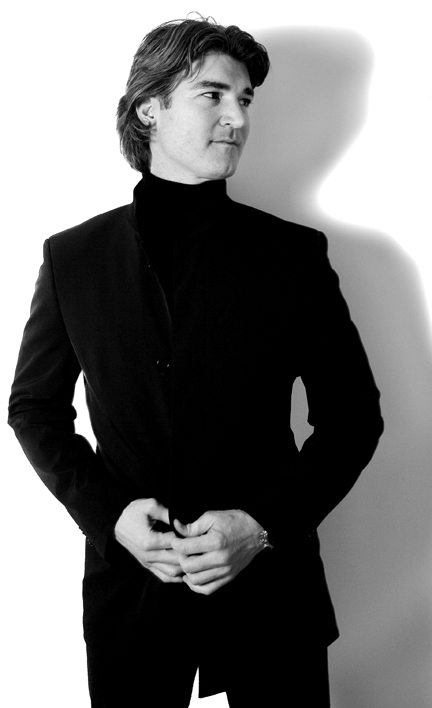
Mikko Nissinen (born March 4, 1962) is a Finnish ballet dancer. He has danced with the Dutch National Ballet and San Francisco Ballet. He is currently the Artistic Director of Boston Ballet, a position he has held since 2002.

Born and raised in Finland, Nissinen started his training at age ten with the Finnish National Ballet School, continuing his studies at the Kirov Ballet School. His primary teachers were Jacobson, Damianov, Sokolov, and Terasveori. In 1978, he won First Prize at The National Ballet Competition in Kuopio, Finland. Launching his professional dance career at the age of fifteen, Nissinen went on to perform with the Dutch National Ballet, Basel Ballet and San Francisco Ballet, where he was Principal Dancer for nine years. After retiring from his performing career, he was Artistic Director for Marin Ballet and Alberta Ballet before coming to Boston.

VIDEOS


PLAYERS

ELAN SASSOON

Elan Sassoon 

Elan Sassoon, managing partner/chief operating officer of Mizu

 
There’s something to be said for that whole “destiny” thing. After a stretch in the movie biz, Elan Sassoon (yes, he’s the son of the legendary Vidal) proceeded to forge his own way in the beauty industry, launching a skincare line, running a chain of medi-spas, and developing a suburban spa concept called Green Tangerine. But he truly hit his stride with the practically concurrent openings of two Mizu salon locations: the first in Boston’s swank Mandarin Oriental Hotel this past October and the second only a couple of months later on Park Avenue in New York City. (Beverly Hills is the next market he’ll tackle.) But the thing that most intrigued us? Sassoon, the brains behind the business, doesn’t actually cut hair — though that may change, he’s quick to point out, when he opens up the 90,000-square-foot flagship “beauty academy” he has planned for Comm Ave.

*Elan Sassoon styled by Adriana Sassoon at Sak’s Fifth Ave Boston.Head to toe.Loving it!
 

DIANE MANTOUVALOS

diane

Diane Mantouvalos, principal of Andonia Public Relations, has traversed a diverse terrain of public relations and branding in Boston and beyond for over 15 years. In her most recent agency position as Vice President of Lifestyle & Entertainment at New England’s largest privately held PR concern, Regan Communications, she oversaw a myriad of clients including Celebrity Chef Todd English, Mohegan Sun Casino, and Entercom

 Best Buddies, New England Home ForLittleWanderers, Dana Farber Cancer Institute and The Boston Ballet. Her extensive experience in fundraising propelled her to Director of PR & Events for the The Improper Bostonian Magazine. she is credited with birthing and branding Boston’s hippest neighborhood and lifestyle destination, The Ladder District, attracting publicity from a host of national publications and dailies including The Wall Street Journal and Town and Country. Diane has launched some of Boston’s trendiest restaurants including Mantra, Saint and OM, working with star chefs Thomas John, Rene Michelena, Rachel Klein and Anthony Caturano. Her track record for publicity, edgy campaigns and powerful launches has produced a continuous demand for her vision and creative capacity from clients such as HBO, who retained Diane to host multiple Boston premiers of its now legendary hit Sex and the City and more recently, Entourage.

At various points in her career, Diane worked independently and entrepreneurially. In 1998, she co-founded Sudiko Marketing Group, an event marketing company, where she created dozens of fundraising event concepts in Boston, Newport and Nantucket for private and non-profit clients including Diane helped take the magazine to new heights with powerful promotions and strategic alliances. From there she soared creatively as an independent public relations consultant specializing in branding and image strategies for her clients. In addition to naming one of Boston‘s hottest restaurants, Mantra,She has represented and consulted for scores of clients, regionally, nationally and globally including, HBO, BBC America, Entercom Communications, XAR International, IdentityTruth.com, HavenGlam.com, Susan Elias Couturier, Barba Dermatology, The Anglers Resort, Mohegan Sun Resort & Casino, The Boston Bean, Mantra, Tangierino, Locke-Ober, Fugakyu, 33 Restaurant, Prezza, Copia, Saint, The Strategic Group of NYC, The Olive Group, Creative Events, Petzetakis GLOBAL, Amalia Photo Gallery of Athens, Jorge Photography Miami, Dateworking, Ciroc, Chivas Regal, Beefeater, Best Buddies Organization, The Hampshire House, One World Cuisine, Gipore, The Boston Ballet, The Beantown JazzFest, RoxComp, The Wang Theatre and numerous non-profits.

She has produced and chaired dozens of high profile fundraising galas, most notably Beantown for the Big Apple, a post September 11th fundraiser for 1000 donors at The Wang Theater. A Boston native of Greek heritage, Diane received her education from Boston Latin School and Boston University. She served as an Advisory Board member to the Metropolitans – a social fundraising arm of The Wang Center for the Performing Arts – which she led from 1994 to 1998.  Her devotion to children’s charities was reflective in her tireless fundraising for The Wang’s Young at Arts programs and her creation of Midnight Santa, a non-profit she founded in 1993 to adopt 100 inner-city families annually on Christmas Eve – delivering toys, clothing, bedding, computers and other gifts, typically out of reach.  She is also an unabashed women’s rights advocate.  During the 2008 presidential election, Diane led and branded a multimedia movement becoming an outspoken force against sexism in the media and corrupt election practices, garnering dozens of on-air and print interviews.  She is co-creator of the women’s political blog hireheels.com where she blogs daily on political issues affecting women.

WWW.HIREHELLS.COM