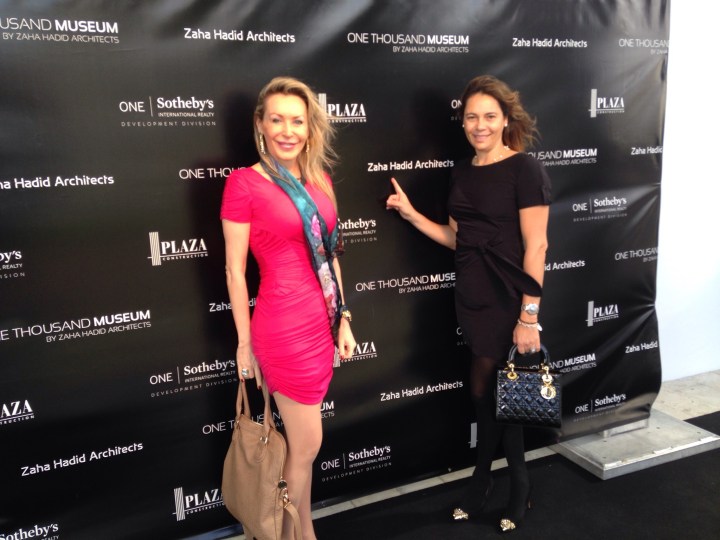
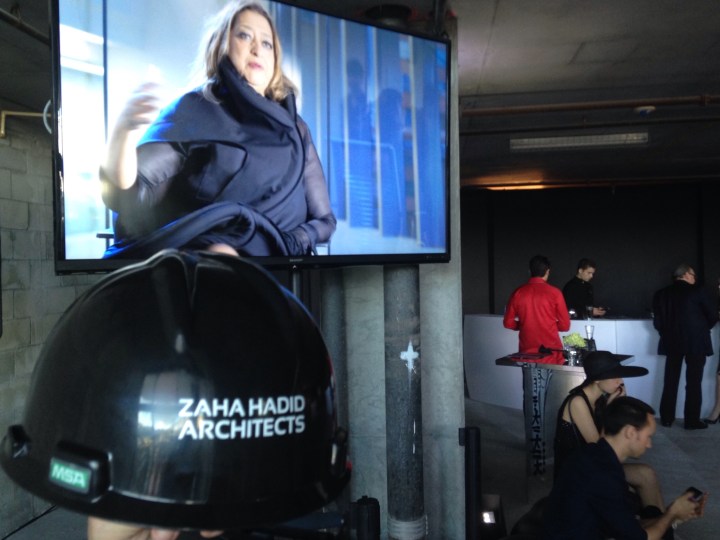
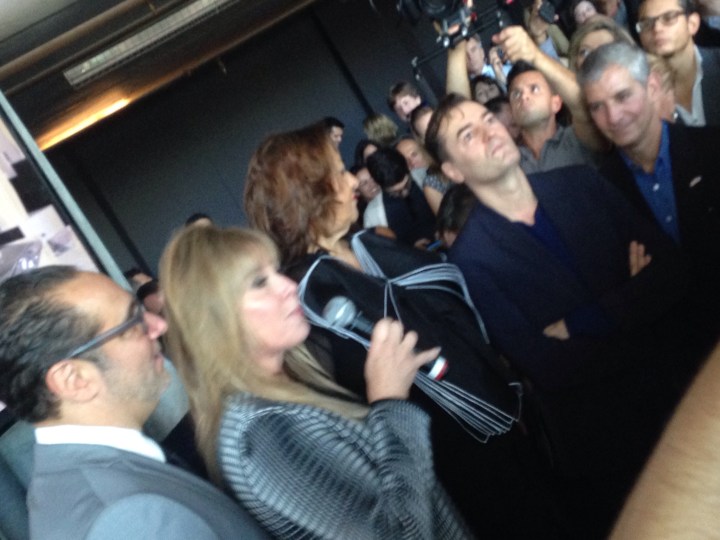
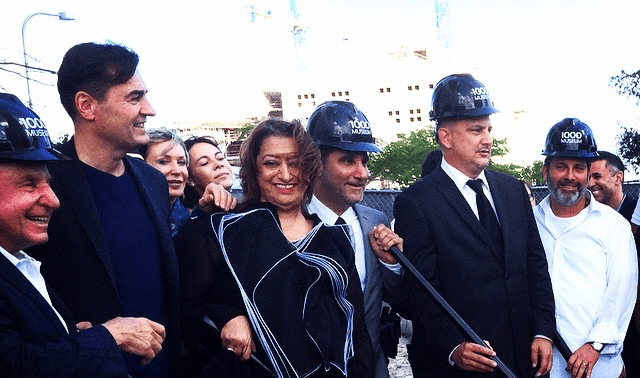
At the site of Ground braking of 1000 One Museum !
With Mayor Tomás Regalado, Mayi De La Vega, Genilde Guerra & Adriana Sassoon . Waiting to see Patrik Schumacher & Zaha walk in and present the Project.







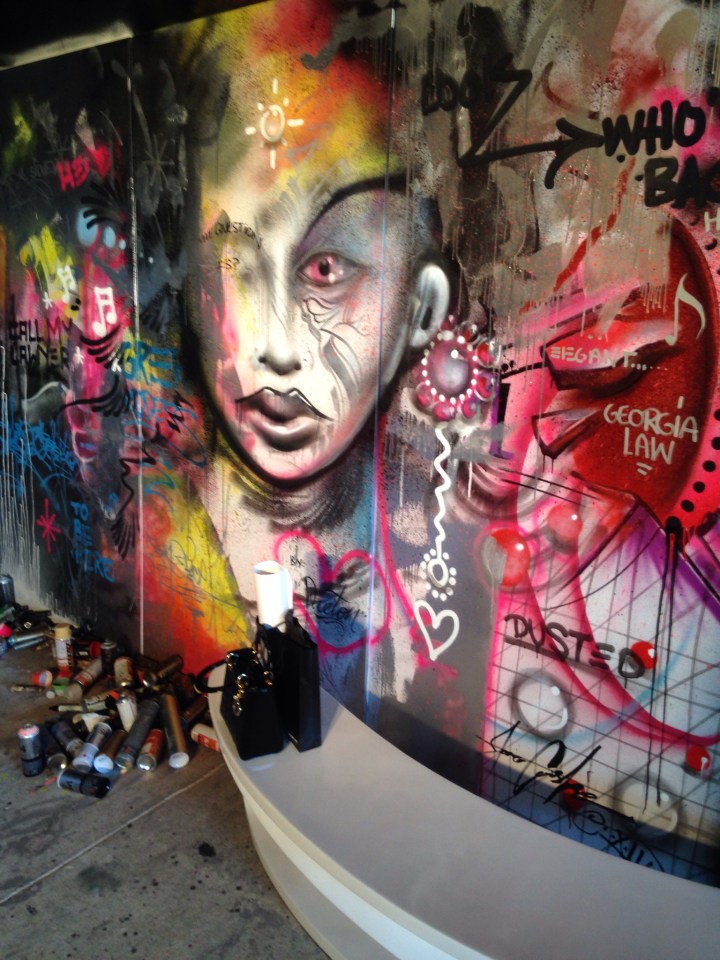


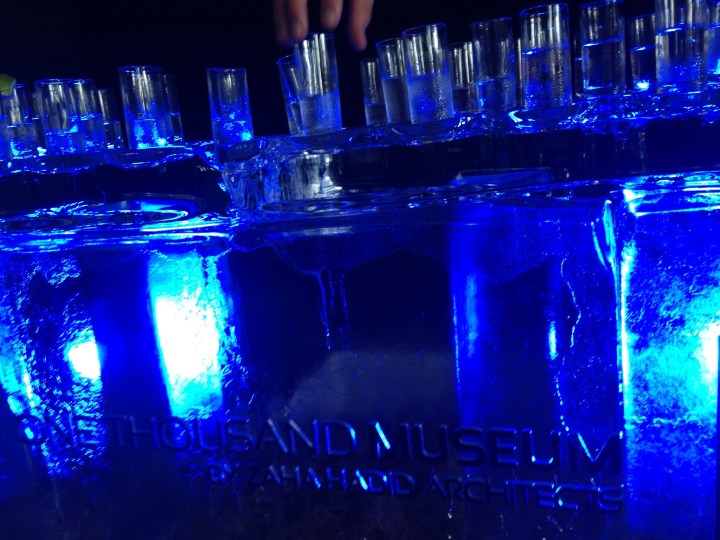
Sneak Peak
At the site of Ground braking of 1000 One Museum !
With Mayor Tomás Regalado, Mayi De La Vega, Genilde Guerra & Adriana Sassoon . Waiting to see Patrik Schumacher & Zaha walk in and present the Project.
Sneak Peak

#artbasel @artbasel #brunetefraccaroli #adrianasassoon
http://www.brunetefraccaroli.com.br
Brunete Fraccaroli (São Paulo, 15 de Maio de 1964) é uma arquiteta, empresária e socialite brasileira. Ficou conhecida após participar do reality show Mulheres Ricas. Arquiteta de São Paulo, Brunete tem seus trabalhos espalhados por Milão, Punta del Este, Nova York, Nova Orleans e Miami.

Brunete Fraccaroli & Adriana Sassoon

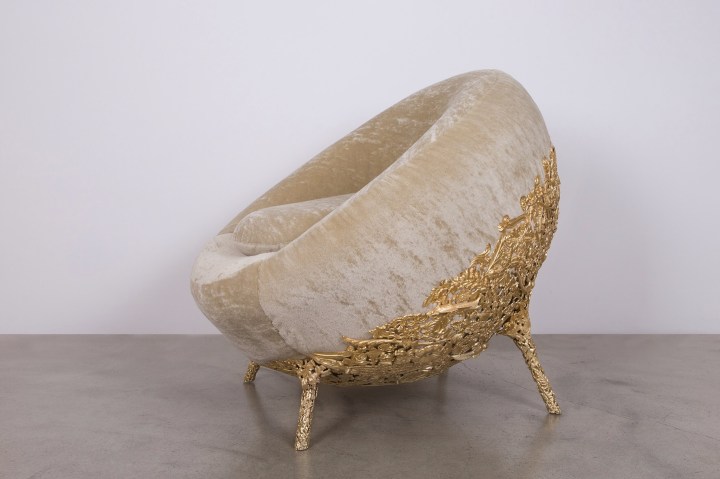
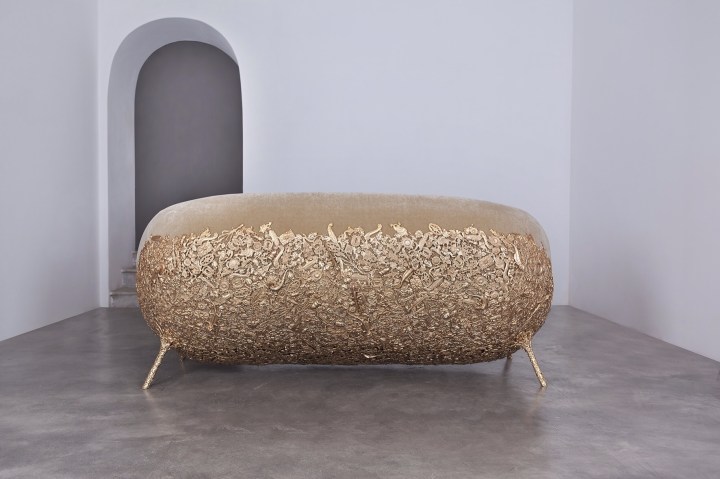

The Lina Sofa and to the Lina Armchair.
Consider that the upholstery is mohair wool velvet, but a cotton velvet fabric could be used instead.

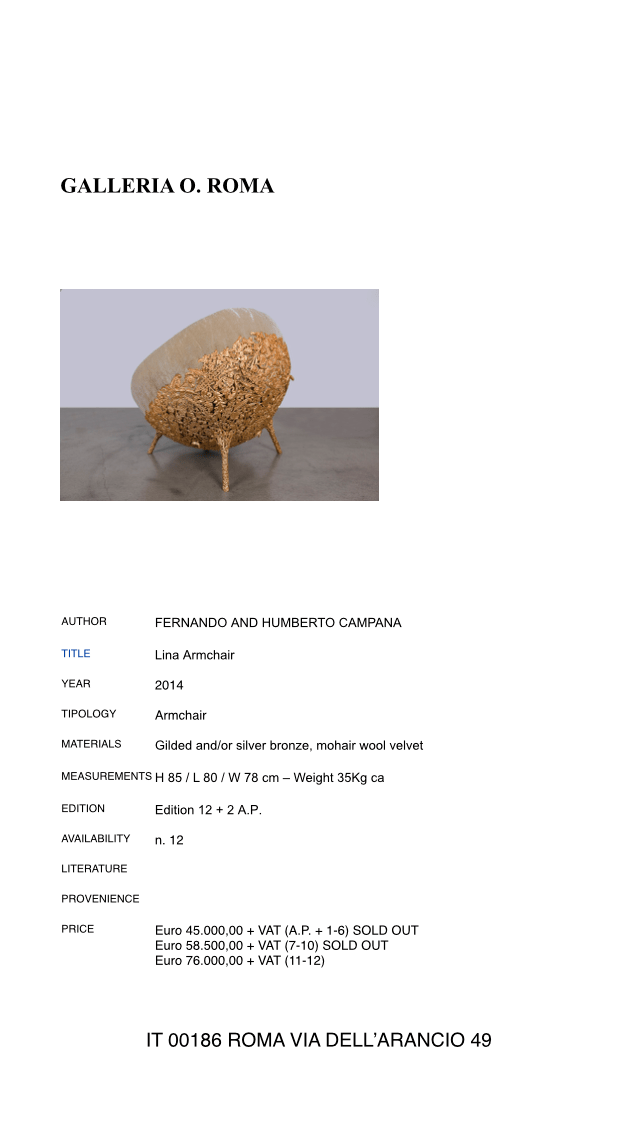
http://campanas.com.br/en

Adriana Sassoon & Genilde Guerra @artbasel2014 #artbasel #artbasel2014
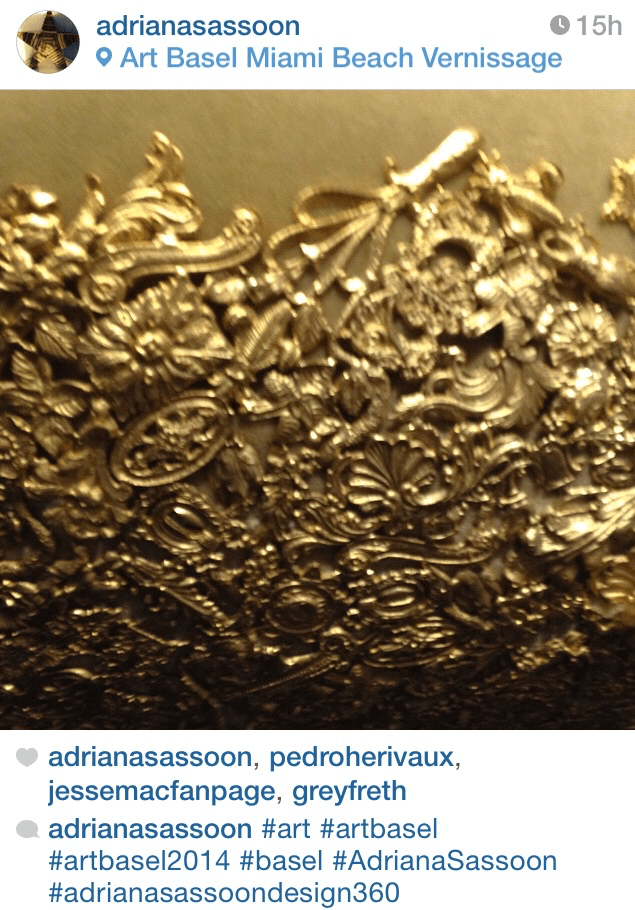 *This piece caught my attention at basel*



http://architectureforhumanity.org
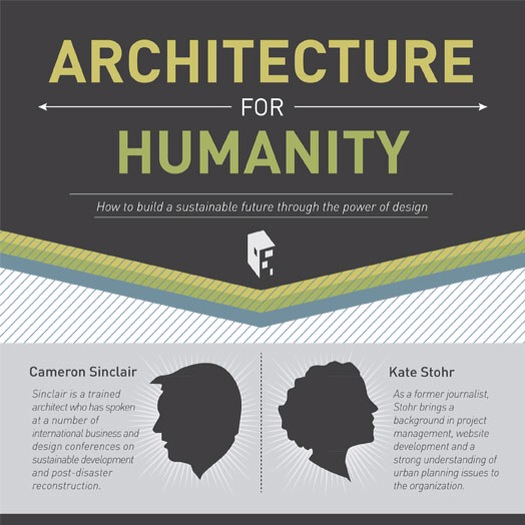

Addressing global humanitarian challenges with architectural solutions


‘Bauhaus’ utopian vision to change society in the aftermath of the First World War

Modernism to Postmodernism
The Bauhaus school was founded by Walter Gropius in Weimar. In spite of its name, and the fact that its founder was an architect, the Bauhaus did not have an architecture department during the first years of its existence. Nonetheless it was founded with the idea of creating a ‘total’ work of art in which all arts, including architecture would eventually be brought together. The Bauhaus style became one of the most influential currents in Modernist architecture and modern design. The Bauhaus had a profound influence upon subsequent developments in art, architecture, graphic design, interior design, industrial design, and typography.
The school existed in three German cities (Weimar from 1919 to 1925, Dessau from 1925 to 1932 and Berlin from 1932 to 1933), under three different architect-directors: Walter Gropius from 1919 to 1928, Hannes Meyer from 1928 to 1930 andLudwig Mies van derRohe from 1930 until 1933, when the school was closed by its own leadership under pressure from the Nazi regime.The Bauhaus had a major impact on art and architecture trends in Western Europe, the United States, Canada and Israel in the decades following its demise, as many of the artists involved fled, or were exiled, by the Nazi regime. Tel Aviv, in fact, in 2004 was named to the list of world heritage sites by the UN due to its abundance of Bauhaus architecture; it had some 4,000 Bauhaus buildings erected from 1933 on.One of the main objectives of the Bauhaus was to unify art, craft, and technology. The machine was considered a positive element, and therefore industrial and product design were important components. Vorkurs (“initial” or “preliminary course”) was taught; this is the modern day “Basic Design” course that has become one of the key foundational courses offered in architectural and design schools across the globe. There was no teaching of history in the school because everything was supposed to be designed and created according to first principles rather than by following precedent.
The White City of Tel Aviv (Hebrew: העיר הלבנה, Ha-Ir HaLevana) refers to a collection of over 4,000 Bauhaus or International style buildings built in Tel Aviv from the 1930s by German Jewish architects who immigrated to the British Mandate of Palestine after the rise of the Nazis. Tel Aviv has the largest number of buildings in this style of any city in the world. In 2003, the United Nations Educational, Scientific and Cultural Organization (UNESCO) proclaimed Tel Aviv’s White City aWorld Cultural Heritage site, as “an outstanding example of new town planning and architecture in the early 20th century.”


Yves Saint Laurent dress tribute to Piet Mondrian
Piet Mondrian-(1872-1944)
Pieter Cornelis “Piet” Mondriaan, was a Dutch painter and a follower of the Bauhaus. HE was also an important contributor to the De Stijl art movement and group, which was founded by Theo van Doesburg. He evolved a non-representational form which he termed Neo-Plasticism. This consisted of white ground, upon which was painted a grid of vertical and horizontal black lines and the three primary colors.
Mondrian’s paintings are not composed of perfectly flat planes of color, as one might expect. Brush strokes are evident throughout, although they are subtle, and the artist appears to have used different techniques for the various elements.The black lines are the flattest elements, with the least amount of depth. The colored forms have the most obvious brush strokes, all running in one direction. Most interesting, however, are the white forms, which clearly have been painted in layers, using brush strokes running in different directions. This generates a greater sense of depth in the white forms, as though they are overwhelming the lines and the colors, which indeed they were, as Mondrian’s paintings of this period came to be increasingly dominated by white space.His art and theory influenced the Bauhaus movement and the development of the International style in architecture. In 1940 he settled in New York City.


Fashions fade, style is eternal.
Yves Saint Laurent
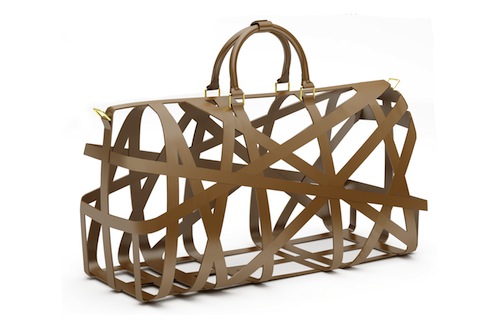

As Coco would say.
Fashion is architecture. It is a matter of proportions.
Coco Chanel


This Modern home in Greenwich, Connecticut. Architect is Ulrich Franzen. Some architects carry their mark into every home. Several of Franzen’s homes look like giant oceanliners steaming over the landscape. This 1992 home is on seven acres overlooking a lake. The interior is spare and modern with concrete, granite and marble. The five-bedroom home also an elevator, an indoor pool, media, exercise and billiard rooms. Outside a granite terrace surrounds a Shoreline pool with cabana and faces an illuminated tennis court. There is also a two-bedroom guest cottage and ample garage. It is listed at $13 million.
http://philipjohnsonglasshouse.org/

http://www.preservationnation.org/travel-and-sites/sites/northeast-region/new-canaan-ct/
http://www.preservationnation.org/
Contact me for more informations:
adrisass@gmail.com
 ADRIANA SASSOON