Photograph by Adriana Sassoon 


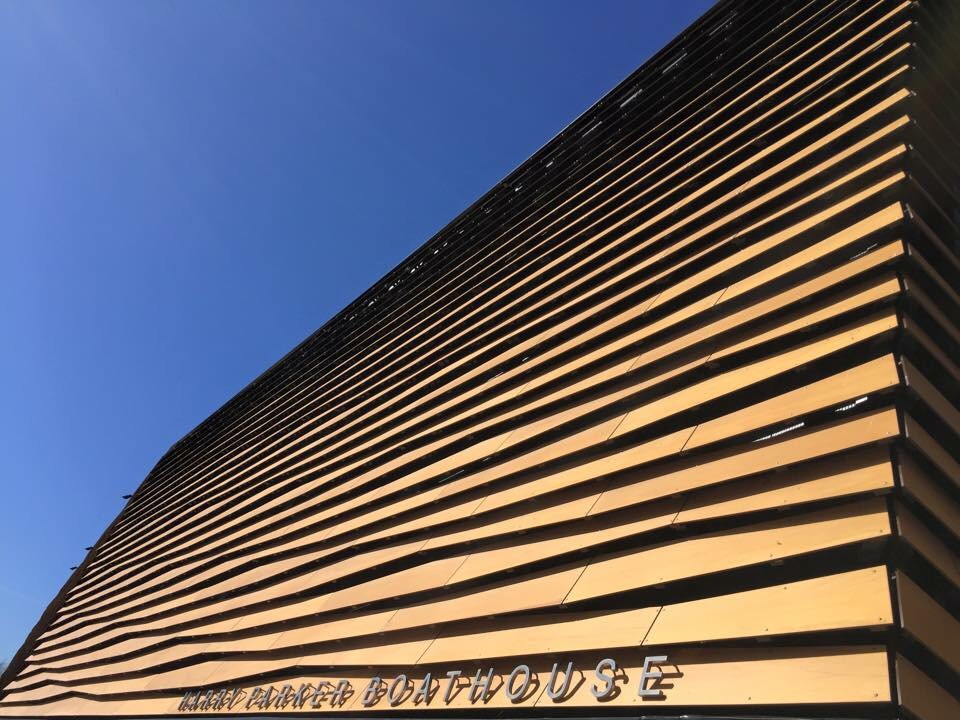
 Architects: Anmahian Winton Architects
Location: Boston, MA, USA
Principal in Charge: Alex Anmahian
Project Managers: Nick Winton, Todd Thiel
Project Architect: Sydney Schremser
Project Team: Joel Lamere, Makoto Abe, Aaron Stavert, AIA, Mazen Sakr, Garth Goldstein, Andrew Plumb, AIA, Julia Davis, AIA, LEED AP
Civil Engineering: Stantec
Marine Structural Engineering: Childs Engineering Corp.
Structural Engineering: Richmond So Engineering
MEP/FP Engineering: RW Sullivan Inc.
Landscape Architects: Stantec
Lighting: LAM Partners
Project Area: 30,000 sq ft
Budget: $11.45 M
Project Year: 2008
Photographs: Mike Champion, Peter Vanderwarker, Jane Messinger/Anmahian Winton Architects, Sydney Schremser/Anmahian Winton Architects


Photograph by Adriana Sassoon 

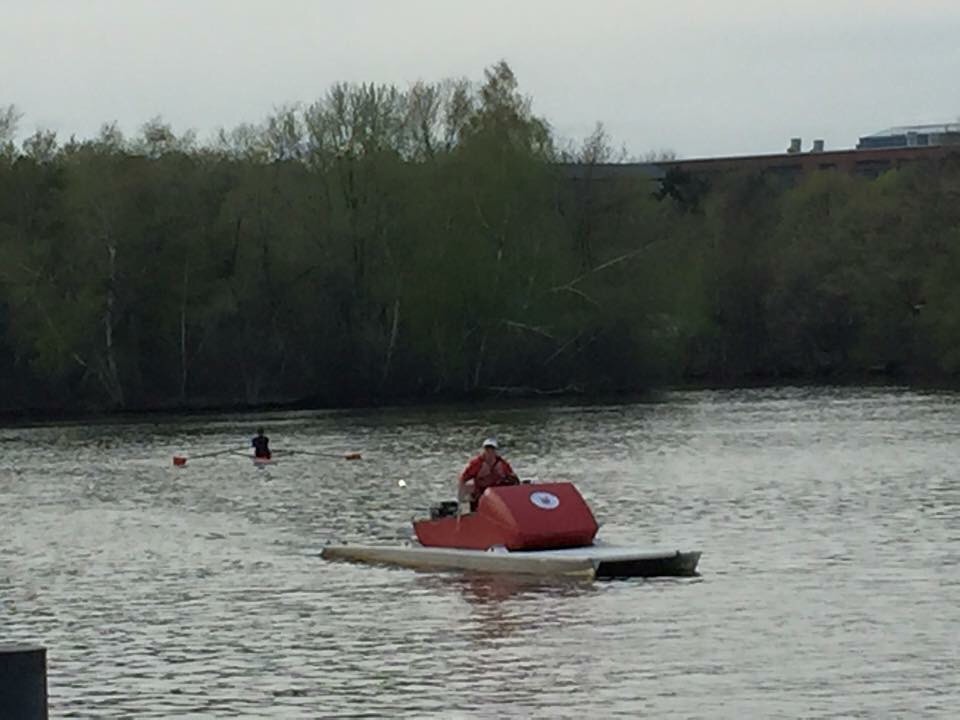
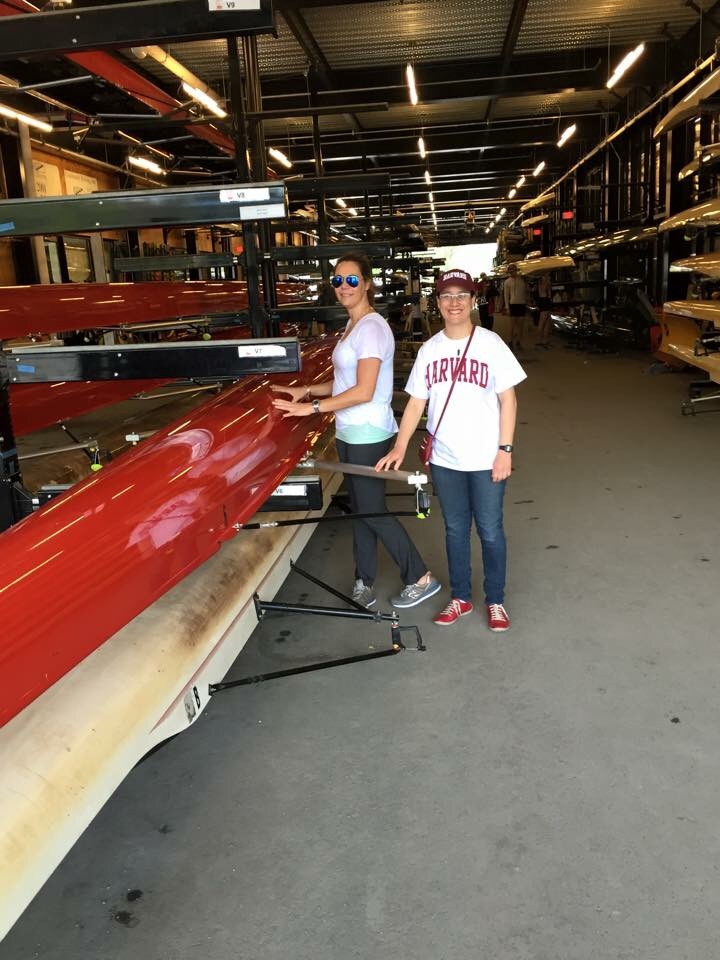
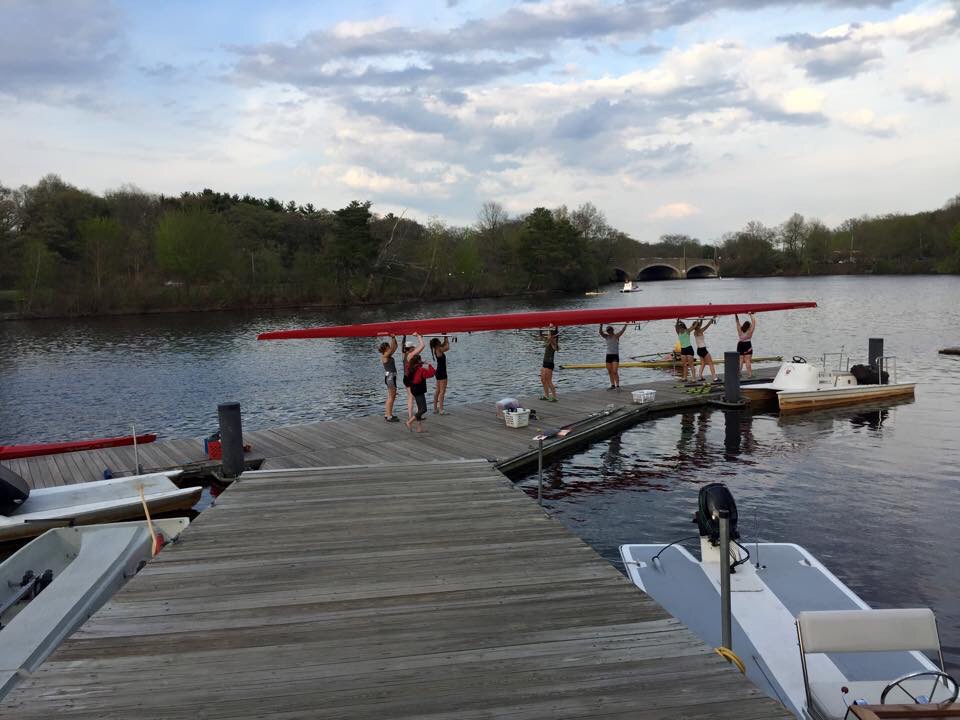
Community Rowing, Inc. (CRI) changes lives and communities by providing access to the sport of rowing and its profound social benefits. “Rowing for All” is our mission, and we are especially committed to delivering rowing to groups who can benefit from the social and health outcomes of our unique sport.


http://www.communityrowing.org


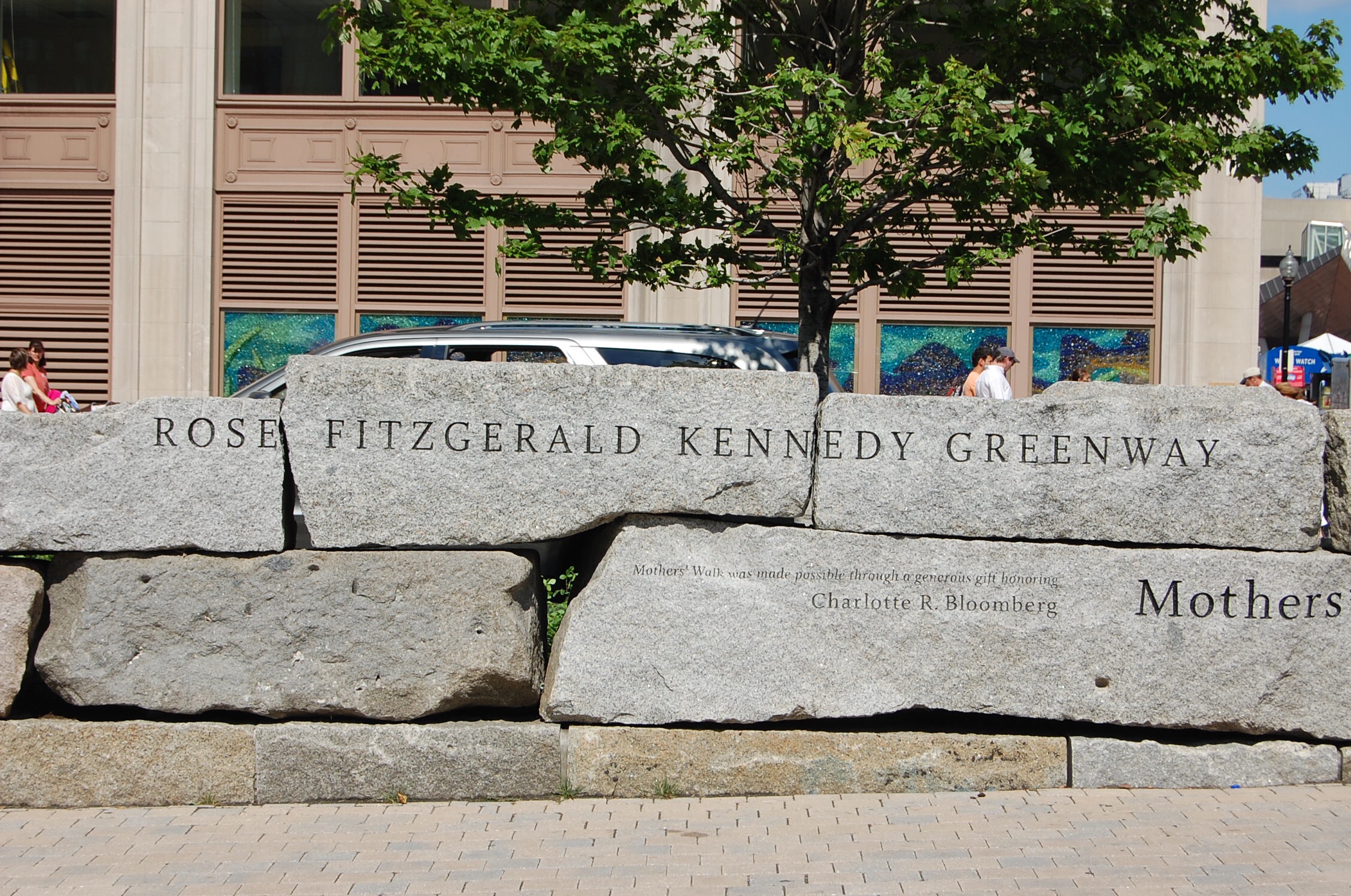
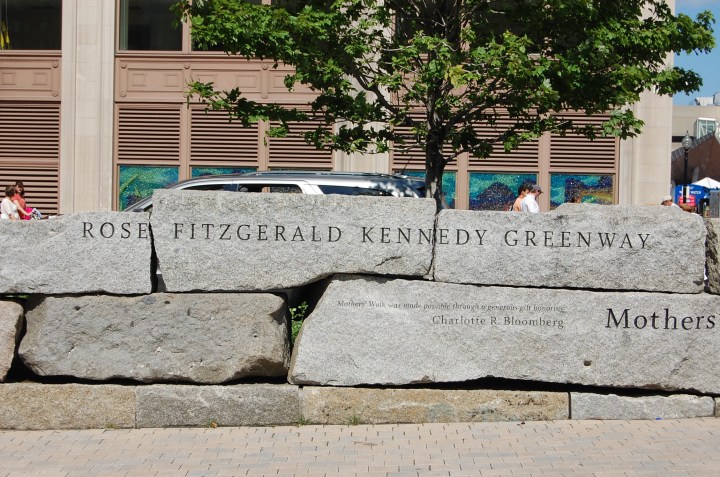
  The Mothers’ Walk is a gently curving pathway in the Greenway’s Wharf District Parks that consists of pavers inscribed with names and personal messages. For a $500 fully tax-deductible donation, you can dedicate one of these pavers to your loved one and become part of Boston’s history on the Greenway.


     Parent, mentor or friend, female or male, celebrate your loved one by inscribing her or his name on the Rose F. Kennedy Greenway’s Mothers’ Walk today.

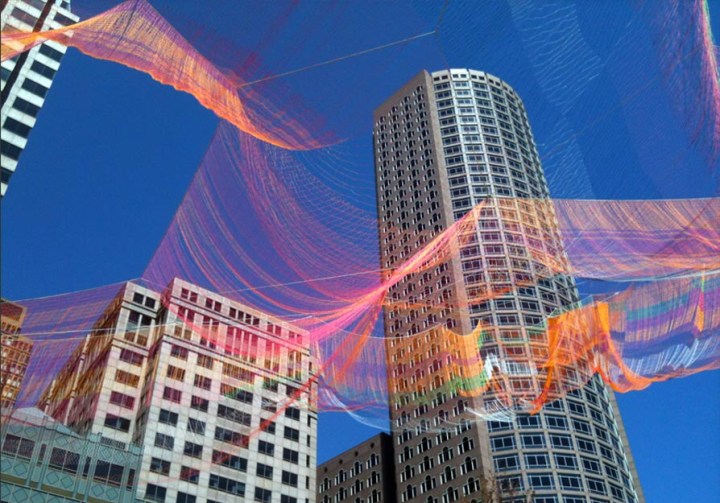
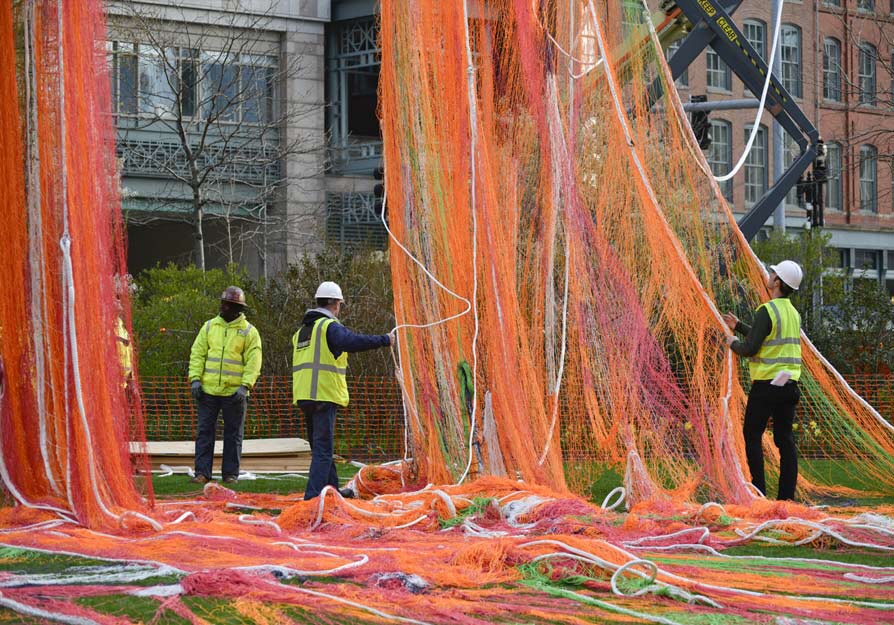
The Rose Kennedy Greenway Conservancy has brought to Boston a monumental sculpture, As If It Were Already Here, from internationally renowned local artist, Janet Echelman. This incredible installation will create a must-see art experience for visitors from near and far from early May – early October 2015. 

The Conservancy is the designated steward of the Rose Kennedy Greenway, a mile-and-a-half of contemporary parks in the heart of Boston that connect people and the city with beauty and fun. The non-profit Conservancy maintains, programs, and improves the Greenway on behalf of the public and in partnership with the Commonwealth of Massachusetts.

Organic Park Care

The Conservancy uses organic and sustainable landscape management programs to maintain the parks and features of the Greenway. The Greenway is Boston’s only organically maintained public park and one of a handful of organically maintained urban parks in the United States. Organic maintenance means no expenditures for toxic chemicals, and lower water consumption. Plants are healthier, more resilient, and better able to withstand the wear of public use. Children and pets can freely and safely play on our park lawns without the worry of pesticides.

Janet Echelman’s Aerial Sculpture over the Rose Kennedy Greenway 


DESCRIPTION

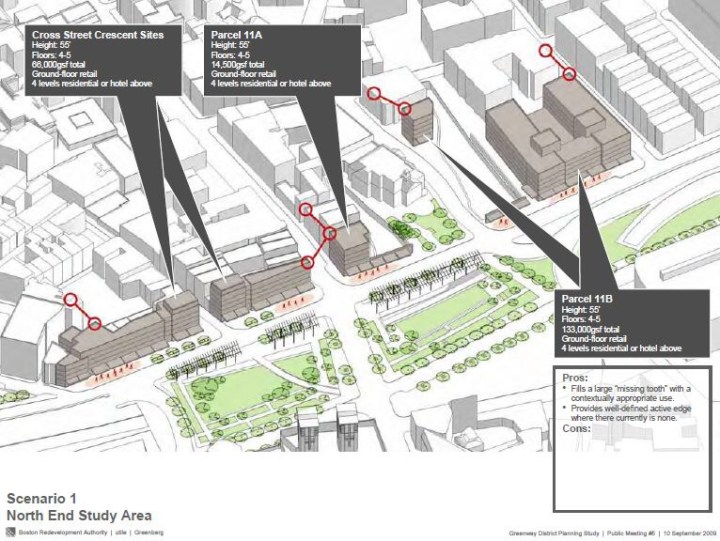
A monumental, aerial sculpture is suspended over Boston’s Rose Kennedy Greenway from May through October 2015 as the signature contemporary art installation in the Greenway Conservancy’s Public Art Program.
The sculpture for Boston spans the void where an elevated highway once split downtown from its waterfront. Knitting together the urban fabric, it soars 600 feet through the air above street traffic and pedestrian park. 

The sculpture’s form echoes the history of its location. The three voids recall the “Tri-Mountain” which was razed in the 18th-century to create land from the harbor. The colored banding is a nod to the six traffic lanes that once overwhelmed the neighborhood, before the Big Dig buried them and enabled the space to be reclaimed for urban pedestrian life.

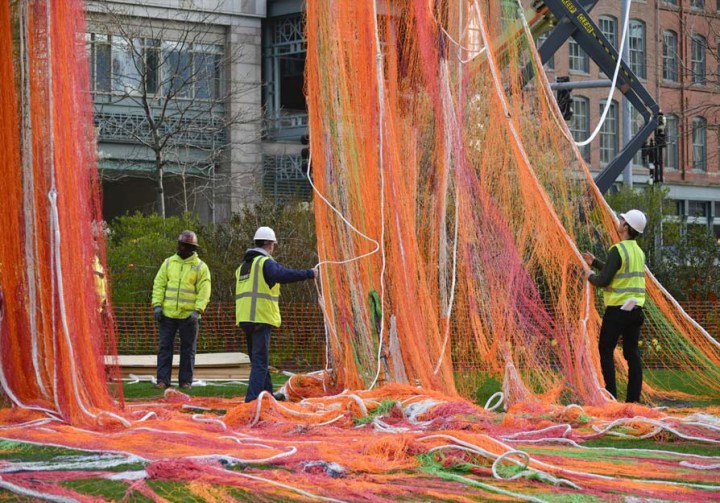
The sculpture is made by hand-splicing rope and knotting twine into an interconnected mesh of more than a half-million nodes. When any one of its elements moves, every other element is affected. Monumental in scale and strength yet delicate as lace, it fluidly responds to ever-changing wind and weather. Its fibers are 15 times stronger than steel yet incredibly lightweight, making the sculpture able to lace directly into three skyscrapers as a soft counterpoint to hard-edged architecture. It is a physical manifestation of interconnectedness and strength through resiliency.

In daylight the porous form blends with sky when looking up, and casts shadow-drawings onto the ground below. At night it becomes an illuminated beacon. The artwork incorporates dynamic light elements which reflect the changing effects of wind. Sensors around the site register fiber movement and tension and this data directs the color of light projected onto the sculpture’s surface.

“Here in Boston, I’m excited to visually knit together the fabric of the city with art,” said Echelman. “The creation of the Greenway was a seminal event in the unfolding of our city, so I’m delighted and humbled to be a part of its transformation into a vibrant cultural destination.” 

The work invites you to linger, whether seen amidst the skyline from afar, or lying down on the grassy knoll beneath. It embraces Boston as a city on foot, where past and present are interwoven, and takes our gaze skyward to feel the vibrant pulse of now. It invites you to pause, and contemplate a physical manifestation of interconnectedness – soft with hard, earth with sky, things we control with the forces beyond us. 

By the Numbers:
– The sculpture includes over 100 miles of twine
– Longest span is 600 ft
​- Highest point of attachment is 365 ft​
– There are over half a million knots (~542,500)
– The sculpture weighs approximately 1 ton
– The sculpture can exert over 100 tons of force
– Projected plan area of the sculpture is 20,250 sq ft, or almost half an acre

http://www.echelman.com/project/boston-greenway/
http://www.rosekennedygreenway.org/visit/public-art/janet-echelman


IMG_3010
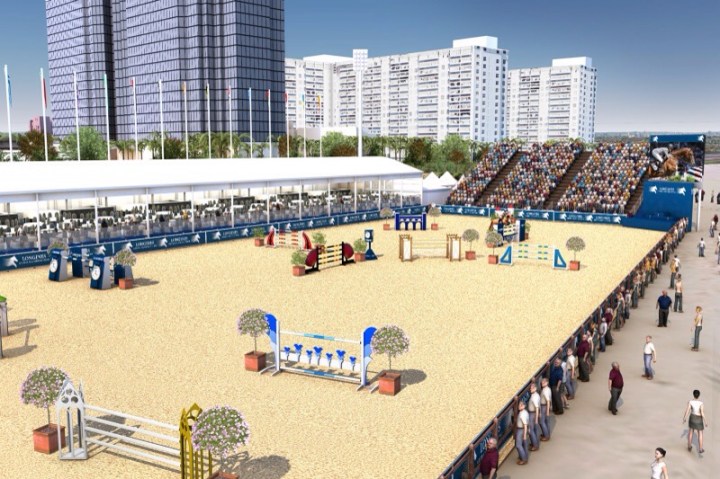
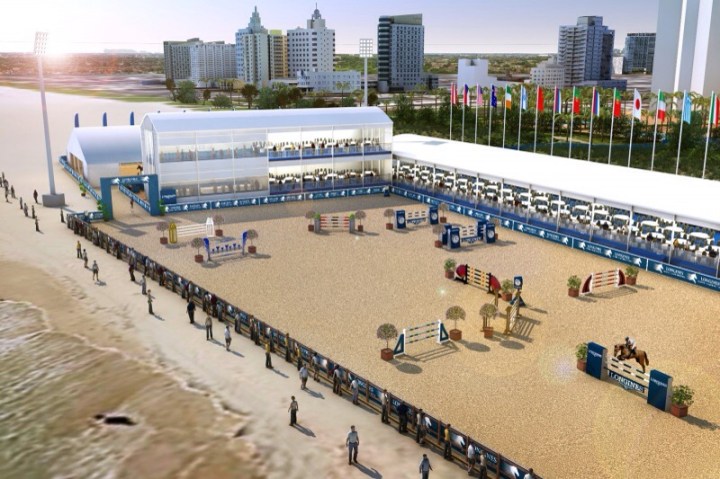
Debut of “The Longines Global Champions Tour of Miami Beach” (2-4 April) less than eight weeks away, momentum is building to one of the showjumping events of the year on the stunning sands of southern Florida.
The Longines GCT debut, coinciding with Miami Beach’s Centennial celebrations, will see top equestrian sport join the calendar of art, fashion and music events that make Miami Beach one of the world’s most exciting destinations.
Famous for its beautiful Art Deco buildings and the incredible beaches along the Atlantic shore, the Miami Beach event is set to be one of the crown jewels of the new season. A hub of energy, creativity and effortless cool, Miami Beach’s designer hotels, celebrity chef restaurants and nightclubs showcasing top international talent are all a major draw for international visitors wanting to enjoy the fabulous year-round climate of south Florida.

IMG_3013

IMG_3012

IMG_3011
Access to this landmark event will be free to the public, allowing spectators to watch world-class sport up-close and personal from the 1,400 seated grandstand or along the edge of the arena – seats are non-reservable and available on a first come, first served basis. There will also be fabulous shopping opportunities in the Prestige Village featuring top brands and the latest fashions. The event follows Miami Beach’s spectacular Centennial celebrations and coincides with the famous Miami Open tennis tournament. A feast of top-class sport and entertainment!

IMG_3022

IMG_3023 

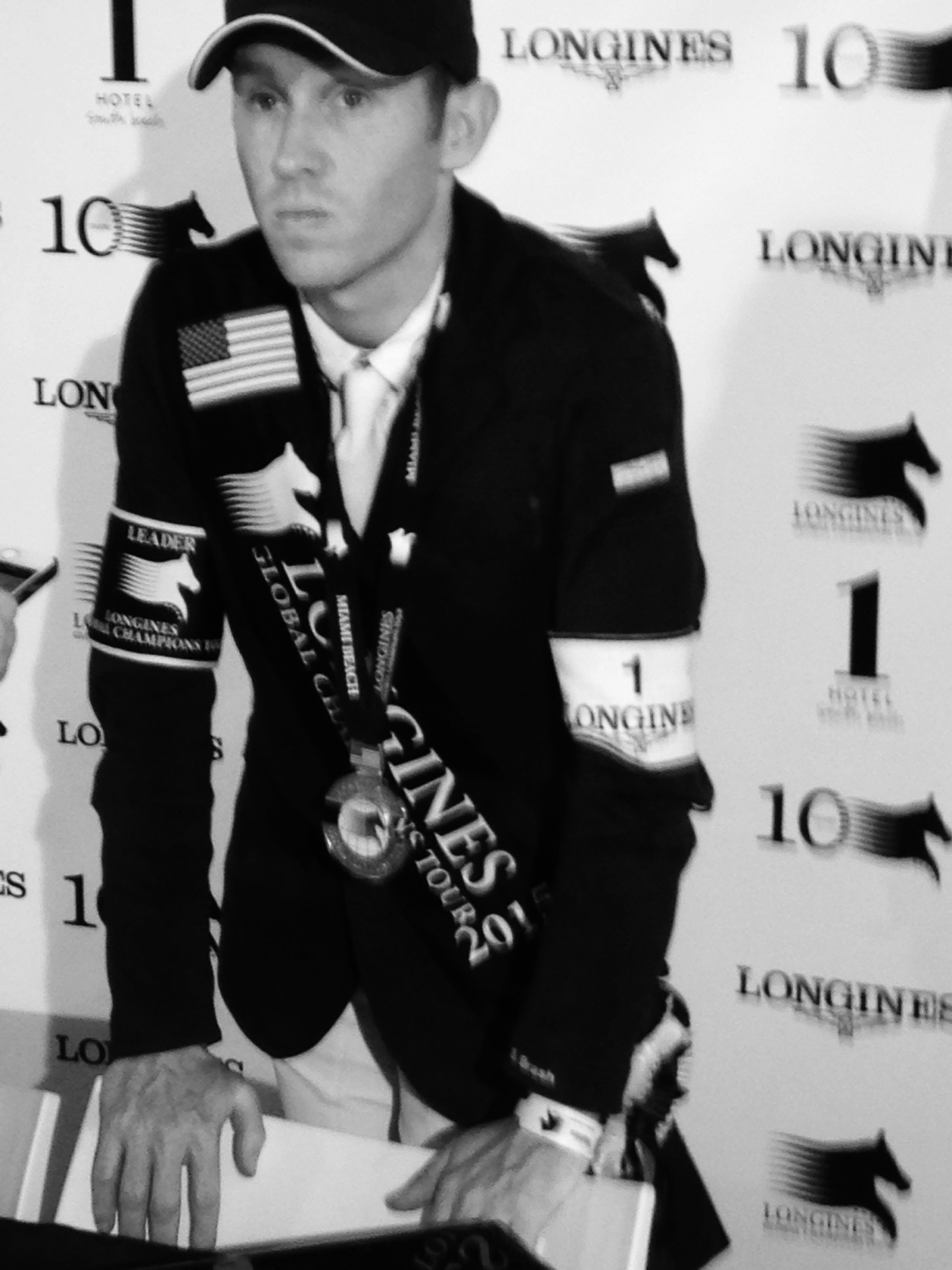
Harrie Smolders ( Netherlands) & Adriana Sassoon  (The Grille Wellington)LONGINES Miami Beach 2015  LONGINES Scott Brash London 2012 Olympic GBR team  

  LONGINES Adriana Sassoon & Scott Brash London 2012 Olympic GBR team

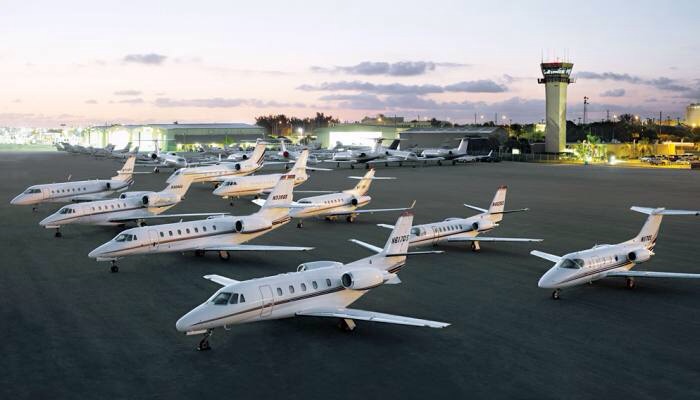
“More Private Jets Fly Between Miami & New York Than Any Other Route In The Country”


Miami to New York is the busiest route for private jet traffic in the country, according to the 2015 Knight-Frank wealth report.

The study, which cites data from NetJets and other sources, lists the route as the second busiest in the world in 2013. Only Moscow to Nice was higher, although that route has likely seen a drop in traffic this year due to the Russian economic crisis.


New York to West Palm Beach was also ranked as one of the top ten routes in the study. The route between Maiquetía airport in Caracas, Venezuela, and Miami, was listed as the second fastest growing.


Studies have also shown that there are more passengers on commercial flights between the Miami and New York metropolitan areas than any other route in the country.

Full articule : By  on March 11, 2015


Reach: Always push yourself to the edge of your ability.

Stare: Look at those better than you and emulate them.

Be Unconfortable

We learn when we’re in our discomfort zone. When you’re struggling, that’s when you’re getting smarter. The more time you spend there, the faster you learn. It’s better to spend a very, very high quality ten minutes, or even ten seconds, than it is to spend a mediocre hour. You want to practice where you are on the edge of your ability, reaching over and over again, making mistakes, failing, realizing those mistakes and reaching again.

The closer your practice is to the real thing, the faster you learn.

You don’t want to be succeeding 40 percent of the time. That’s flailing around. You don’t want to be succeeding 95 percent of the time. That’s too easy. You want to constantly be toggling, adjusting the environment so that you’re succeeding 60 to 80 percent of the time.


Commit To The Long Term

The question that ended up being the most predictive of skill was “How long are you going to be doing this?” Commitment was the difference maker. The people who combined commitment with a little bit of practice, their skills went off the charts.

Find A Role Model

Watching the best people work is one of the most powerful things you can do.

hen we stare at someone we want to become and we have a really clear idea of where we want to be, it unlocks a tremendous amount of energy. We’re social creatures, and when we get the idea that we want to join some enchanted circle up above us, that is what really lights up motivation. “Look, they did it. I can do it.” It sounds very basic, but spending time staring at the best can be one of the most powerful things you do.


Naps Are Steroids For Your Brain

Napping is a high performance activity. If you looked into the habits of highly successful people you would see a lot of naps, a lot of recovery. It’s sort of our brains’ janitorial service. It helps us clean out the stuff we don’t want. It also helps us work on ideas while we’re asleep. Top performers use sleep as a tool.

Keep a Notebook

Most people who are taking an ownership role in their talent development use this magical tool called a notebook. Keep a performance journal. If you want to get better, you need a map, and that journal is that map. You can write down what you did today, what you tried to do, where you made mistakes. It’s a place to reflect. It’s a place to capture information. It’s a place to be able to track your progress. It’s one of the most underused yet powerful tools that I could imagine anybody using.

If You Only Remember Two Words From This…

I would say, “Reach. Get out on the edge of your ability. Get into your discomfort zone and reach past that.” And I would say, “Stare. Find somebody you want to be in two years, three years, five years, and stare at that person. See what they’re doing. See exactly what they’re doing, and steal that. Steal from them.”

Just Say No

Warren Buffett once said:

The difference between successful people and very successful people is that very successful people say “no” to almost everything.


http://youtu.be/H14bBuluwB8

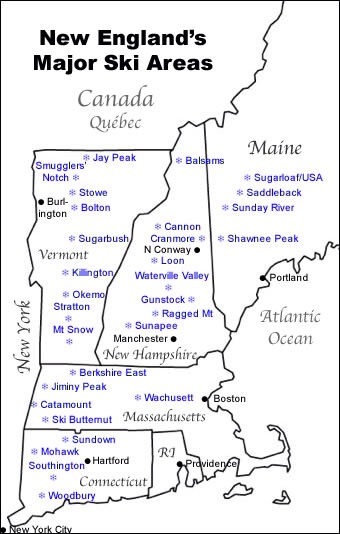
NEW ENGLAND
New England is the capital of the East Coast skiing and snowboarding world of North America. New England prides itself on its rugged terrain, cold weather and local down to earth attitude. Conditions can change from hour to hour within the region, providing for a constant optimism among its skiers and riders.

While the most notable ski areas are located in Northern New England, the states of Connecticut and Massachusetts have a few of their own. Ski areas like Ski Sundown and Mohawk Mountain in Connecticut’s Southern Berkshire Mountains are known for extensive snowmaking systems, night skiing and fantastic terrain parks. In the Northern Berkshires of Western Massachusetts, areas like Jiminy Peak, Ski Butternut and Wachusett Mountain provide skiing to bigger metro areas of Southern New England such as Boston (MA), Springfield (MA), Hartford (CT) and Providence (RI).

New Hampshire’s White Mountains are also known for its rugged, die-hard skiers and riders. Southern New Hampshire Mountains like Pat’s Peak and Mt. Sunapee are local favorites and an easy day trip from Southern New England. To the north, Loon Mountain Resort prides itself on their quality terrain parks and Cannon Mountain and Bretton Woods, located in Franconia Notch, boast some of the best terrain in the state. New Hampshire is also home to the best backcountry skiing on the East Coast, Tuckerman’s Ravine.

Vermont is known as the “Ski Capital of the East,” and has ski and snowboard options throughout the entire state. Mount Snow and Stratton are Southern Vermont favorites, whereas Killington boasts the most skiable terrain in Vermont and one of the best nightlife scenes in New England. Farther north, areas like Mad River Glen, Smuggler’s Notch and Jay Peak Resort offer amazing terrain in a very low-key, locals atmosphere. Resorts such as Stowe and Sugarbush provide the same great terrain along with first-class amenities.

Maine, the northernmost state in New England, may boast the most burly, rugged skiers in all of New England. Southern Maine’s Sunday River is often one of the first ski areas to open for the season. Sugarloaf, farther north, boasts the most skiable terrain on the East Coast.

/home/wpcom/public_html/wp-content/blogs.dir/376/2634608/files/2014/12/img_1832.jpg

/home/wpcom/public_html/wp-content/blogs.dir/376/2634608/files/2014/12/img_1831.jpg

/home/wpcom/public_html/wp-content/blogs.dir/376/2634608/files/2014/12/img_1833.jpg

Love cross country and skate ski 🙂

We are Conservation International.
We’re working to ensure a healthy, productive planet for everyone.

Because people need nature to thrive.​

IMG_0768.JPG

Julia Roberts Tells Everyone In the World to Stop Pretending Like Facts Don’t Exist.

Julia is speaking, as nature. “I have fed species greater than you. I have starved species greater than you…”

http://www.conservation.org/Pages/default.aspx

IMG_0767.JPG

IMG_7415.JPG
Hamsa
Although it may derive from Islamic or pagan culture, the hamsa today has become a Jewish and Israeli symbol.

A hamsa is an amulet shaped like a hand, with three extended fingers in the middle and a curved thumb or pinky finger on either side. It is thought to protect against the “evil eye” and is a popular motif in both Jewish and Middle Eastern jewelry.

Where Does the Hamsa Get its Name?
The name “hamsa” comes from the Hebrew word “hamesh,” which means five. “Hamsa” refers to the fact that there are five fingers on the talisman, though some also believe it represents the five books of the Torah. Sometimes it is called the Hand of Miriam, after Moses’ sister.

In Islam, the hamsa is called the Hand of Fatima, in honor of one of the daughters of the Prophet Mohammed. Some say that in Islamic tradition the five fingers represent the Five Pillars of Islam.

Many scholars believe that the hamsa predates both Judaism and Islam, though no one is certain of its origin.

Symbolism of the Hamsa
Hamsas always have three extended middle fingers, but there is some variation to how the thumb and pinky fingers appear. Sometimes they are curved outwards as in the example shown above, other times they are just significantly shorter than the middle fingers. Whatever their shape, the thumb and pinky finger are always symmetrical.

In addition to being shaped like an oddly formed hand, many hamsas will have an eye displayed in the palm of the hand. The eye is thought to be a powerful talisman against the “evil eye.” The evil eye is a certain “look” that can cause bad luck for the person at whom it is directed. This “look” often originates with a person, though not always intentionally. Legends about the evil eye give both regular people and those with certain powers the ability to cast the evil eye. In the case of the average Joe, envy is most often cited as the unintentional source of the evil eye.

Other symbols that can appear on the hamsa include fish and Hebrew words. Fish are thought to be immune to the evil eye and are also symbols of good luck. Going along with the luck theme, “mazel” – meaning “luck” in Hebrew – is a word that is sometimes inscribed on the amulet. (Fish and the word “mazel” appear on the example above.)

Popular ways to hear the hamsa include as part of a jewelry design or on a key chain. It can also be displayed in your home as a decorative element. However it is displayed, the amulet is thought to bring good luck and happiness ( for those that believe in it).

You’ll see a prayer in Hebrew on the back of Hamsas, it says this:
” Let no sadness come to this heart. Let no trouble come to these arms. let no conflict come to these eyes. Let my soul be filled with the blessing of joy and peace”.

The Hamsa Prayer

Let no sadness come
to this heart
Let no trouble come
to these arms
Let no conflict come
to these eyes
Let my soul be filled with the blessing of joy of peace.