BAUHAUS & MUSIC

sombra__421x242

The Bauhaus was initially supported and funded by the Weimar Government, but in 1925, the support was withdrawn and the School moved to Dessau. In Dessau, the Bauhaus used many of its ‘modernist’ principles to design functional housing for the Government. In 1932, the Bauhaus moved to Berlin. Bauhaus was a front due to the numbers of Russian artists, including Kandinsky, who were a part of the Bauhaus. In 1933, in accordance with other acts to shut down all non-Aryan forms of artistic expression, the Bauhaus was closed. This was the same year than many Jewish Professors and Directors were removed from University Positions and Government appointments in the arts, including the Opera and Symphony houses and Museums.

3904

The Bauhaus, Arts, flourished, and its influence in design and building are still felt: it was a major moving force behind design and concept in ‘pop’ art of the 1950s and ’60s, and influenced the design of furniture and even utensils in the ‘modern’ styles which are designed to be aesthetically pleasing and utterly streamlined in function. (the computer lingo of ‘user-friendly’ would be appropriate.) Those who founded and influenced the Bauhaus continued in their own right. Kandinsky greatly influenced a form of expressionism called, “Der Blaue Reiter (The Blue Rider)” , Klee went onto become an internationally respected painter and muralist, and Gropius’s influence in architecture was felt into the 60s in the United States. Hitler was able to stop the ‘institution’ of the Bauhaus, but his censorship probably only served to further the Bauhaus Concept and Influence, as many rallied to its cause, in support of Artistic Freedom.

comp4640

 REFERENCES & LINKS

The Bauhaus Museum
The Bauhaus
Der Blaue-Reiter: The Blue Rider School
Kandinsky GermanCulture.com: Bauhaus

When Gropius founded the Bauhaus, a School for Art, Design, and Architecture, he wanted to create an environment of experimentation and synthesis. The Bauhaus represented both a school and place, where Art, Form, Music and Design were to be seen in juxtaposition to one another, in what we now refer to as a ‘holistic’ approach. The Bauhaus gave free reign also to the school of Expressionism and others such as Dadaism and Cubism. Artists such as Klee, Dix and Klindinsky sought to incorporate in new art forms, classical and contemporary music, mysticism and religious beliefs and for some like Klindinsky, occultism in the form of Theosophy;The Bauhaus offered one common unique agenda: that form in art was not fixed, and that ideas were as central to art as technique: this central principle encompassed the arts in their fullness and was applied to every discipline from architecture to sculpture, although the combination of craftsman and artist particulary in Architecture remained its central focus.

The Bauhaus was initially supported and funded by the Weimar Government, but in 1925, the support was withdrawn and the School moved to Dessau. In Dessau, the Bauhaus used many of its ‘modernist’ principles to design functional housing for the Government. In 1933, in accordance with other acts to shut down all non-Aryan forms of artistic expression, the Bauhaus was closed. This was the same year than many Professors and Directors were removed from University Positions and Government appointments in the arts, including the Opera and Symphony houses and Museums.

The  Arts, flourished, and its influence in design and building are still felt: it was a major moving force behind design and concept in ‘pop’ art of the 1950s and ’60s, and influenced the design of furniture and even utensils in the ‘modern’ styles which are designed to be aesthetically pleasing and utterly streamlined in function. (the computer lingo of ‘user-friendly’ would be appropriate.) Those who founded and influenced the Bauhaus continued in their own right. Kandinsky greatly influenced a form of expressionism called, “Der Blaue Reiter (The Blue Rider)” , Klee went onto become an internationally respected painter and muralist, and Gropius’s influence in architecture was felt into the 60s in the United States.

www.musicara.de

THIRD EYE BLIND


jt5

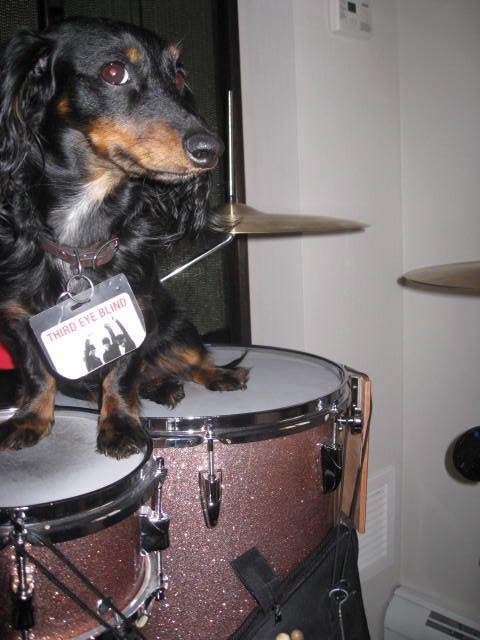
BRAD HARGREAVES lives in the Hollywood Hills, enjoys learning new things, and has a powerful Dachshund named Shelby. They are both secretly slipping off the world.

shelby 3eb drum

Shelby


The Band

Beginnings (1993–1996)

Third Eye Blind recorded their first demo in 1993. The band gained major label attention after their second demo was released in 1995, including that of Clive Davis, who invited the band to perform a showcase for Arista Records in New York City. During Third Eye Blind concerts at the time, it was customary for the band to have a piñata release candy above their mosh pits, yet at the showcase for the record executives, lead singer Stephan Jenkins released live crickets from the piñata instead.With regard to the name of the band, Jenkins indicated during a radio interview that the name came from the metaphysical idea of a mind’s eye, a topic of a book he had read. The other group members liked it and chose it as the official name. In the past, Stephan Jenkins has also joked about a Ouija board and vodka being the sources of the name. In April 1996, after Jenkins had challenged Epic Records executive Dave Massey in a meeting, the band landed an opening gig for Oasis at the San Francisco Civic Auditorium. In an unlikely scenario for an opening act, the band was invited back for an encore after playing their initial set and was paid double by the concert promoter.In addition, Stephan Jenkins’ production of The Braids’ cover of Queen‘s “Bohemian Rhapsody” gained major-label attention. Afterwards, the band found themselves in a bidding war among record labels, and after a showcase in Los Angeles, signed with Sylvia Rhone of Elektra Records because they believed it offered the most artistic freedom.

Ursa Major and Ursa Minor (2009)

Third Eye Blind has announced a fourth studio album titled Ursa Major. The album has been anticipated since mid-2007 and was previously expected to be named The Hideous Strength.  The current scheduled date as given by Stephan Jenkins is June 2009.  The album will be produced under the Sony label. Jenkins has stated that this album will be “more political” than previous Third Eye Blind works.Jenkins said the fourth album has taken so long to complete because he experienced difficulty finishing the lyrics.

Also announced recently is a possible fifth album titled Ursa Minor, that may be released following Ursa Major. Jenkins said that Ursa Minor will consist of tracks that did not make the cut for Ursa Major. Leo Kremer, who has been filling in for Arion Salazar during recent shows is going to be playing his last time with the band after they tour Japan this Summer. Ari Ingber, from band The Upwelling, co-wrote “Break Like a Fever” with Jenkins, a new track from Ursa Major. John Evans (Vanessa Carlton) and Juan Alderette (The Mars Volta) will reportedly take over bass duties for the recording of this next album, according to Tony Fredianelli.

The first single from the album, “Non-Dairy Creamer”, was released in November 2008. This song was released as an Internet exclusive track on the digital EP Red Star.

A number of previously unreleased recordings were made available on Facebook and MySpace, including “Persephone”, “Carnival Barker” (an instrumental), and numerous instrumental sessions declined by Jenkins for inclusion on the fourth album.

For the 10th anniversary of the release of Third Eye Blind’s debut album, the band performed at the Fillmore on March 13 and 14. The shows were filmed for broadcast on HDNet on December 2, as well as normal broadcast and release on DVD and as a live album tentatively to be released in early 2008, as announced by Jenkins on November 9, 2007, on DC101’s “Elliot In The Morning”. However, at a concert in Newport, Kentucky in February, Jenkins announced a live cd was being recorded that evening.

Between April and November 2007, Third Eye Blind toured extensively throughout the US, playing dozens of sold-out shows as a build-up for the release of their new album. They played 2 shows with 1990s acts Counting Crows and Collective Soul during the summer of 2007. Their Fall 2007 tour consisted of nine shows, beginning on November 9, at the University of Maryland College Park (which sold out the presale and general sale in a matter of hours), and ending on November 18 at the University of Rhode Island Ryan Center. The band also toured in the winter of 2007, and played numerous shows in 2008. Several performances on the tour were recorded for possible use on a future live album.

Towards the end of September 2008, Third Eye Blind released the song “Non-Dairy Creamer” to fans. It was released as six individual tracks (lead vocal, background vocal, drums and clap, bass, guitars, and violin) as a competition for fans to remix the song for Third Eye Blind. On October 16th, the day that the “Non-Dairy Creamer” contest ended, another song “Don’t Believe a Word”, was released in stem format, again for the purpose of remixing the song. On November 6th the stems for “Red Star” were released to Indaba users. The winner for “Don’t Believe a Word” was chosen on the 23rd of November and the voting for “Red Star” started shortly after that on the 27th of November. The voting ended sometime in December after getting pushed back a few times. Ultimately, the band Third Eye Blind will pick their favorite submissions for each song and a grand prize winner will get the opportunity to perform live on stage with Third Eye Blind. The winner of each song will have their version released on an alternate mix album, which will be included as a companion digital album to the band’s own release of Ursa Major. Contestants get to vote for their favorite submissions and the top 3 of each contest will receive an autographed copy of the album when it is released.

An EP titled Symphony of Decay has also been completed. The band reportedly has a contractual obligation to deliver the EP.

www.3eb.com

BALLET RUSSES

“Ballet Russes” by August Macke, 1912

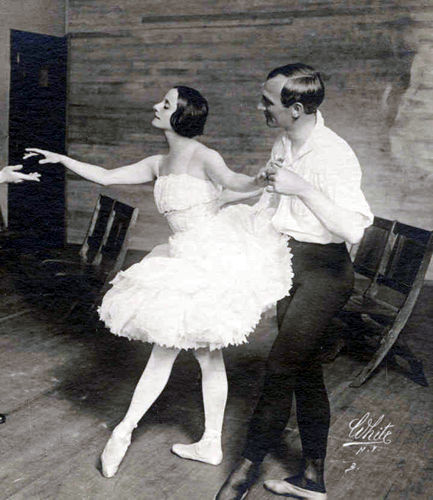
The Ballets Russes (French for The Russian Ballets) was an itinerant ballet company which performed under the directorship of Sergei Diaghilev between 1909 and 1929. Some of their places of residence included the Théâtre Mogador and the Théâtre du Châtelet, though they worked in many countries, including England, the U.S.A., and Spain. Many of its dancers originated from the Imperial Ballet of St. Petersburg. Younger dancers were trained in Paris, within the community of exiles after the Russian Revolution of 1917. The company featured and premiered now-famous (and sometimes infamous) works by the great choreographers Marius Petipa, Michel Fokine, Bronislava Nijinska, Leonide Massine, Vaslav Nijinsky, and a young George Balanchine at the start of his career.

Ballet Russes poster, 1911

It created a huge sensation around the world, altering the course of musical history, bringing many significant visual artists into the public eye, and completely reinvigorating the art of performative dance. The Ballets Russes was one of the most influential theatre companies of the twentieth century, in part because of its ground-breaking artistic collaboration among contemporary choreographers, composers, artists, and dancers. Its ballets have been variously intepreted as Classical, Neo-Classical, Romantic, Neo-Romantic, Avant-Garde, Expressionist, Abstract, and Orientalist. The influence of the Ballets Russes lasts to this day in one form or another.

After Diaghilev’s early death in 1929, the dancers were scattered, and the company’s property was claimed by creditors. Colonel Wassily de Basil and his associate René Blum revived the company under the name Ballets Russes de Monte Carlo. George Balanchine and Leonide Massine worked with them as choreographers, and Tamara Toumanova as a principal dancer. De Basil and Blum argued constantly, so Blum founded another company under the name Original Ballet Russe.

During World War II the Ballets Russes de Monte Carlo toured extensively in the United States. When dancers retired and left the company, they often founded dance studios in the United States or South America, or taught at other dancers’ studios. With Balanchine’s founding of the New York City Ballet, many former Ballet Russes de Monte Carlo dancers went to New York to teach.

The Original Ballet Russe toured mostly in Europe. Its alumni were influential in teaching classical Russian ballet technique in European and British schools.

The Serge Lifar collection of Ballets Russes costumes and other memorabilia is on display at the Wadsworth Atheneum in Hartford, Connecticut.

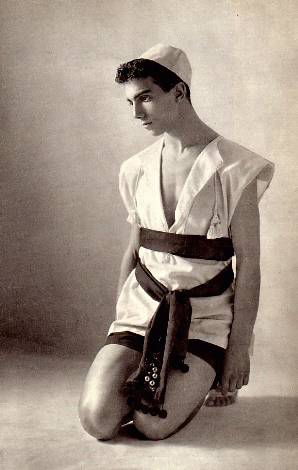
Two of the male stars of Diaghilev’s Ballets Russes in 1909 were Adolph Bolm (1884-1951) and Mikhail Mordkin (1880-1944). Bolm was a student at the Imperial School in St. Petersburg and Mordkin was trained at the Bolshoi, in Moscow. They both joined Diaghilev for his Paris season as leading dancers although they ranked above Nijinsky. Diaghilev made sure that the press wrote more about his young favorite.

mordkin_mikhail

Mikhail Mordkin graduated from the Bolshoi Ballet School in 1899, and in the same year was appointed ballet master. He joined Diaghilev’s ballet in 1909 as a leading dancer. After the first season he remained in Paris to dance with Pavlova. He then formed his own company, All Star Imperial Russian Ballet, which toured America in 1911 and 1912. Mikhail returned to the Bolshoi and was appointed its director in 1917. He left Russia after the October Revolution, first working in Lithuania, and finally settling in the United States in 1924. He founded the Mordkin Ballet in1926, for which he choreographed a complete Swan Lake and many other ballets. His company included such distinguished artists as Hilda Butsova, Felia Doubrovska, Pierre Vladimiroff, and Nicholas Zvereff. After a European tour the company disbanded in 1926. Mordkin continued to be a freelance artist and teacher. From among his students in America he formed a new Mordkin Ballet in 1937, the forerunner of Ballet Theatre (now American Ballet Theatre). His student Lucia Chase helped finance his company and after the first season of Ballet Theatre, she and Richard Pleasant took over the management from Mordkin because they thought his plans lacked ambition. Although he had been pushed into the background, Mordkin, like Bolm, helped build the foundation for ballet in America.

massine-leonide-laleggendadi-giuseppe

You may remember one of Diaghilev’s most famous dancers, Leonide Massine (1895-1979), because of his portrayal of the ballet master and shoemaker in the 1948 film The Red Shoes . Massine studied at the Moscow Bolshoi School, graduated in 1912 and joined the Bolshoi Ballet.

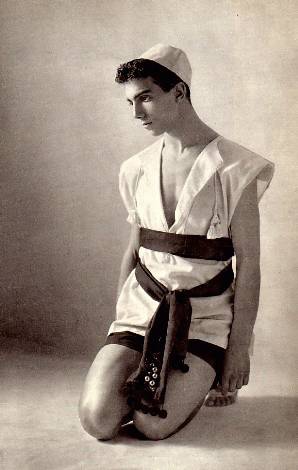
When Diaghilev fired Nijinsky after his marriage a void was left both in the ballet company, and Diaghilev’s life. Mikhail Fokine was working on a new ballet, The Legend of Joseph. While visiting in Moscow Diaghilev saw the Bolshoi Ballet, and noticed in Don Quixote and Swan Lake a handsome young man with big dark eyes who reminded him of St. George in an ikon. This was Leonide Massine not a particularly good dancer (with poorly shaped legs), but who had stage presence that would make him into a great star. Diaghilev became infatuated with Massine and persuaded him to leave the Bolshoi and join his company. It was understood that he would replace Nijinsky on and off the stage. Massine immediately began to work with the Ballets Russes’ teacher Enrico Cecchetti and was soon ready to star in Fokine’s new ballet.

Massine became an outstanding-actor dancer. Before joining the Ballets Russes, Massine had considered giving up dance and becoming an actor. He had even been offered the role of Romeo in Shakespeare’s play at the Maly Theatre in Moscow.

Massine joined the company in 1914 and by 1915 he had choreographed his first ballet for the Ballets Russes. To Diaghilev’s dismay Massine followed the same path as his predecessor and got married to the first of four wives in 1921. Diaghilev called him an ingrate, saying, “Nothing but a good-looking face and poor legs.” Massine continued to choreograph for every major company including three years as lead dancer and choreographer for the Roxy Theatre in New York City. In 1945 and 46 he formed his own company called Ballet Russe Highlights.

He was a prolific choreographer  he created 50 ballets. His greatest achievement is considered by many to be the development of the symphonic ballet as a separate art form.

To list all his ballets would take a whole page. A few are: The Good-Humored Ladies, La Boutique Fantasque, The Three Cornered Hat, Les Presages, Jeux d’enfants, and Gaîte Parisienne.

Massine was for twenty years considered the Western world’s greatest choreographer, but in later life he was overshadowed by George Balanchine .

http://ballets-russes.com

* The Ballet Rousses at Wang Theater Boston.Oh my god! I am speechless.Centenial Anniversary of Diaglev’s Ballet Company. Mikko, great job. What a surprise at the end Fire red costumes and real fire created a sensuous scenery. The illusion of 3D. A true CLASSIC.

SHINEDOWN

bolsas-dominique-fotos-073_edited-1

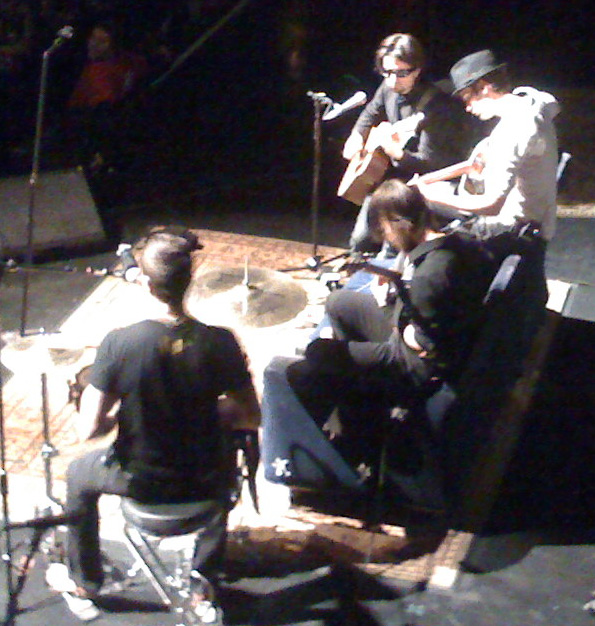
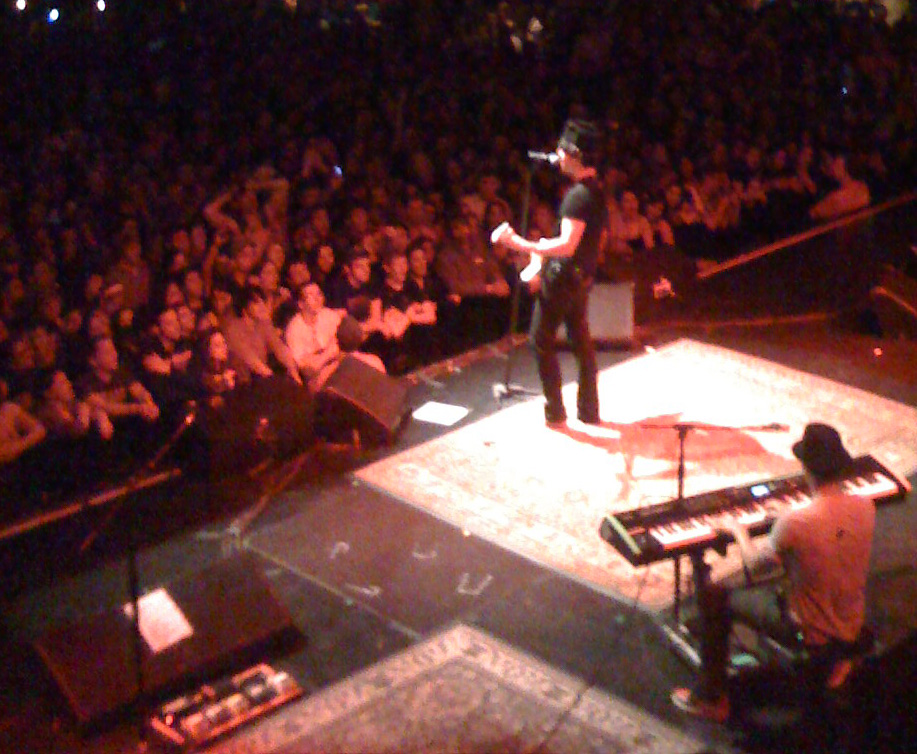
 Shinedown at the House of Blues Boston , was a great experience! I had a lot of fun.Thank you guys!Hope to see you soon……….

bolsas-dominique-fotos-072_edited-1

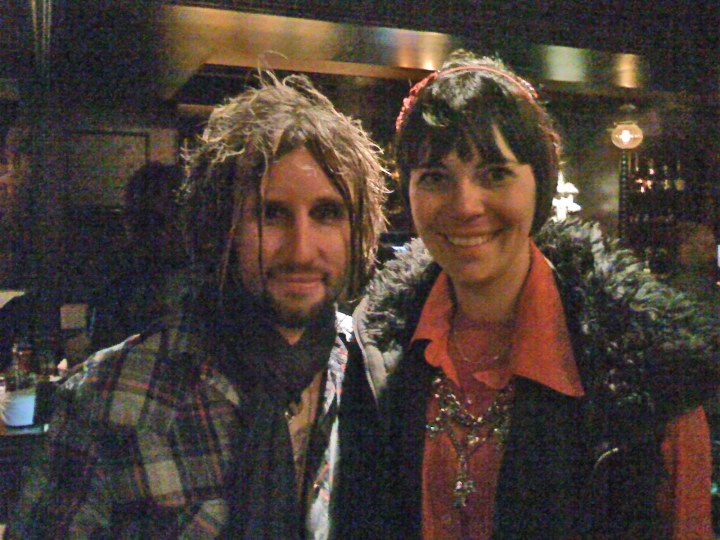
 Eric Bass &  Adriana Sassoon

bolsas-dominique-fotos-024_edited-1

 Zach Myers &  Adriana Sassoon

brent-smith-shinedown-01

Brent Smith, Brad Stewart, Jasin Todd, and Barry Kerch. The band has released three albums on Atlantic Records. They have released popular singles such as “45“, “Save Me“, “Devour“, and “Second Chance.” Every single they have released has reached the Top 5 of the Hot Mainstream Rock Tracks chart.

To date, Shinedown has sold over six million albums worldwide

Formation (2001–2002)

In May 2004, Brad Stewart shed significant light on the formation of the band during an interview with Metal-Rules.com:

The band started with Brent Smith, our lead singer. He had a development deal with a different band on Atlantic and the label decided to move forward with Brent and not with the rest of his band. They allowed him to write with other people, develop his songwriting craft, and find the musicians that he wanted to work with. This led him to Jacksonville where he met Brad, the bass player, through a mutual friend of Brent’s A&R guy, local Jacksonville producer Pete Thornton. The two hit it off and guitarist Jasin Todd would join the band next. Jasin was in another band and wanted to concentrate on his guitar playing and didn’t want to sing and play any more in his other band. Jasin’s fiancé owned the studio where Brad and Brent were making the demos and Jasin got the chance to play with us. We just fit together. His attitude, style, and personality were exactly what we were looking for. Barry was our lucky #7 drummer. The 7th drummer we tried out. He blew us away. He was confident, powerful and had mad chops. We finally had a working band. We continued to make demos in Jacksonville and Orlando and Atlantic gave the green light to record our record. This was about 3 years ago.

Leave a Whisper (2003–2004)

Leave a Whisper was released on July 15, 2003 and received a warm critical reception on the back of successful singles such as “Fly from the Inside” and the emotionally-charged, MTV-banned “45“. The album quickly gained momentum and was certified platinum by the RIAA in October 2005. A year after the album’s initial release, it was re-released to capitalize on the strength of a new single, a cover of Lynyrd Skynyrd‘s classic “Simple Man“. The band dedicated the song to their late friend, Pantera guitarist Dimebag Darrell, who died in 2004. This new edition also featured an acoustic version of “45” and a new mix of nothing “Burning Bright“.

The band’s rigorous touring earned them much respect in the hard rock community, especially after the band opened for Van Halen in 2004. The band also released a live DVD called Live From The Inside in 2005 that documented a full-length concert held at The House of Blues in Myrtle Beach, South Carolina.

Us and Them (2005–2007)

After the hugely successful Leave a Whisper and accompanying tour, the band went back into the studio in 2005 to record their second album. On October 4, 2005, the band released Us and Them, which went on to produce three singles; “Save Me“, “I Dare You“, and “Heroes“. The lead single, “Save Me”, maintained the #1 position of the Active Rock Charts for twelve weeks straight, setting a record for the band. The two other singles had similar success – “I Dare You” was notably performed on American Idol by Chris Daughtry. Us and Them was certified Gold by the RIAA in November 2006.

The album has three versions for release; the regular thirteen-track version, a limited edition with three bonus acoustic tracks, and a store-specific version with two bonus tracks: “Break” and “Carried Away”. After the album’s release the band took part in 2006’s SnoCore Tour with Seether, Flyleaf, and Halestorm. After the tour, the band joined Trapt for the Equinox Tour. The band then proceeded to play their first overseas concert at the London Astoria on June 6, 2006, supporting Alter Bridge. In the summer of 2006, the band then opened for Godsmack and Rob Zombie on their tour of North America, effectively ending their rigorous touring schedule.

On December 12, 2006, Shinedown played a concert in Knoxville, Tennessee at The Tennessee Theatre which was filmed for a DVD the band was expected release later in 2007. However, after a show in Waukesha, WI on July 21, 2007, the band made it known that the DVD was scrapped by Atlantic Records. “We don’t want to put anything out if the band is gonna be presented in the wrong way,” Smith said. “I might be able to bootleg it later on … but as of now I don’t see it coming out.” In late 2007 after taking some time off, the band returned to studio to record a new album.

The Sound of Madness (2007–present)

The band began recording their new album in Los Angeles on September 20th, 2007. Their first single, “Devour“, was released on May 6, 2008, and has proven a successful single, with it becoming their second #1 on the active rock chart. “Devour” was also the theme song for the WWE pay-per-view Night of Champions 2008 The video for the song was released in June 25, 2008. On June 17, 2008, the album in its entirety was put up on their MySpace page for listening. Shinedown’s third album, The Sound of Madness, was released on June 24, 2008. “The sound of madness” is based on 13 songs Smith submitted plus a bonus song – “Son Of Sam”- that were written in the studio during the recording process. The band played various festivals across North America before embarking on a tour in support of the new album.

Regarding the album, lead singer Brent Smith was quoted in an interview with Billboard.com as saying; “It’s time to just go over the top, literally go above and beyond what a human being thinks they’re capable of recording. We want to do a huge hard rock record that has a lot of crossover potential, but also some of the most insanely intense and heavy material that this band has ever tried – and see if we can pull it off.” Smith noted that the group had more than forty songs to consider after writing sessions in Atlanta, Nashville and Los Angeles, but this was narrowed down to eleven songs for the standard album, and 14 songs for the deluxe edition.

During the fall of 2008 the band went on a tour of Europe, supporting Disturbed, but have since returned and are now preparing for the next U.S. leg of touring for The Sound of Madness.

On December 18, 2008 it was announced via the band’s website that lead guitarist Nick Perri would leave the band after that night’s show after less then a year with the group. Statements released from Smith and Perri both cited personal reasons as the main factors in Perri’s departure with Perri’s statement highlighting that his decision had “nothing to do with the band.”

In January 2009, the band embarked on a European tour to promote their “Sound of Madness” album. Support came from Brighton rock four-piece The Crave. The dates that Shinedown played in the UK were the first time the band has played as a headlining act in Europe.

http://www.shinedown.com/

KISS IN BRAZIL

KISS NO CARNIVAL DO RIO
genebrazil

The Samba school called ‘Salgueiro’ from Rio de Janeiro honored the band KISS…as seen in the image below. The ‘Salgueiro’ was the second school in the Rio parade on Monday 02/23.

2009 RIO CARNIVAL CLIPCheck out this clip of the 2009 Rio Carnival featuring school ‘Salgueiro’ from Rio de Janeiro honoring KISS with their Gene inspired costumes.

http://www.tribunaribeirao.com.br/jornal/index2.php?option=com_content&do_pdf=1&id=980

kiss2001-29-de-janeiro


A comemoração dos 35 anos do grupo promete ser de muita alegria para os fãs brasileiros. Com datas em São Paulo no dia 07/04 e no Rio de Janeiro no dia 08/04, os ingressos para os shows variam de R$ 170 à R$ 350,00.

A pista para o show de São Paulo está R$ 170, 00, mas haverá uma área VIP que custará R$ 350,00. Estudantes pagam meia entrada.

Os preços dos ingressos para o show do Rio de Janeiro ainda não foram divulgados, mas clientes do Citibank podem adquirir os ingressos pela pré-venda que será realizada na próxima semana, dia 05 de fevereiro. O público carioca, no geral, pode comprar os ingressos a partir do dia 12 de fevereiro.

Da formação original, sobraram o baixista e vocalista Gene Simmons, e o guitarrista e vocalista Paul Stanley.

Junto com os dois membros fundadores estão; o guitarrista Tommy Thayer e o baterista Eric Singer. Segundo informações, todos os quatro se apresentarão devidamente maquiados.

O último concerto do Kiss no Brasil com maquiagem foi em 1983, no estádio do Morumbi.

Logo após a apresentação em 1983, a banda voltou ao Brasil em 1998 para um show em Porto Alegre e São Paulo.

Paul Stanley diz que “fãs não querem novo álbum”


Josh B. Wardrop, da revista Panorama, entrevistou o guitarrista e vocalista dos KISS, Paul Stanley, que explicou a posição da banda sobre um possível novo álbum.

Panorama: O que o levou a experimentar a pintura?

Stanley: “Quando era adolescente, estudei na Escola de Arte e Música de Nova Yorke, mas não pintava na altura. Há uns oito anos atrás, quando estava a passar por um dificil divórcio, um amigo sugeriu que eu pintasse, como uma forma de terapia. E realmente vivi as minhas emoções e quis continuar a fazer isso”.

Panorama: Como você descreveria o seu estilo artístico?

Stanley: “É muito pessoal, introspectivo, espontâneo. Eu comparo-o a uma viagem sem mapa. Eu gosto de arte abstracta porque ela atinge as pessoas mais a nível emocional do que analítico”.

Panorama: Existem planos para outras tours dos KISS ou um novo álbum a caminho?

Stanley: “Acabamos de fazer alguns concertos na Austrália e Nova Zelândia, e em três semanas estaremos a caminho da Europa. Os KISS estão vivos e prontos para para cegar e arrasar com vocês!. Um novo álbum? Perguntaram-nos sobre isso, mas sabemos que os fãs não querem novo material. Eu poderia fazer um ‘Let It Be’ e as pessoas diriam: ‘Fixe! Mas toca ‘Love Gun”. E estamos felizes assim”.

Panorama: Por que os KISS não entraram para o Hall da Fama do Rock?

Stanley: “Porque os responsáveis fazem parte do que chamamos de ‘Máfia da Música’ e as opiniões deles não refletem as opiniões dos fãs de rock em geral. Infelizmente, é uma coisa vergonhosa que tem um nome oficial”.


60’S MUSIC ICONS

42

                                      Jimi Hendrix

The rock revolution of the 1960’s seen through the life and music of Jimi Hendrix.

The first doomed icon of rock, Hendrix was the synthesis of everything that had gone before him and all that was to come. Hendrix was the influence of rhythm & blues on a generation of British musicians such as The Rolling Stones, Cream and The Who, and how the song-writing of Bob Dylan and studio developments of The Beatles transformed the possibilities and ambitions of rock.

It’s essential to remember that his career in the spotlight lasted only four years and three studio albums; dead at 27, an artist whose potential was so massive, it’s hard not to reflect on his unrealised projects without a profound sense of loss.


                                   Elvis Presley

Elvis Aaron Presley, in the humblest of circumstances, was born to Vernon and Gladys Presley in a two-room house in Tupelo, Mississippi on January 8, 1935. His twin brother, Jessie Garon, was stillborn, leaving Elvis to grow up as an only child. He and his parents moved to Memphis, Tennessee in 1948, and Elvis graduated from Humes High School there in 1953.

  Elvis’ musical influences were the pop and country music of the time, the gospel music he heard in church and at the all-night gospel sings he frequently attended, and the black R&B he absorbed on historic Beale Street as a Memphis teenager. In 1954, he began his singing career with the legendary Sun Records label in Memphis. In late 1955, his recording contract was sold to RCA Victor. By 1956, he was an international sensation. With a sound and style that uniquely combined his diverse musical influences and blurred and challenged the social and racial barriers of the time, he ushered in a whole new era of American music and popular culture.

He starred in 33 successful films, made history with his television appearances and specials, and knew great acclaim through his many, often record-breaking, live concert performances on tour and in Las Vegas. Globally, he has sold over one billion records, more than any other artist. His American sales have earned him gold, platinum or multi-platinum awards for 150 different albums and singles, far more than any other artist. Among his many awards and accolades were 14 Grammy nominations (3 wins) from the National Academy of Recording Arts & Sciences, the Grammy Lifetime Achievement Award, which he received at age 36, and his being named One of the Ten Outstanding Young Men of the Nation for 1970 by the United States Jaycees. Without any of the special privileges his celebrity status might have afforded him, he honorably served his country in the U.S. Army.

His talent, good looks, sensuality, charisma, and good humor endeared him to millions, as did the humility and human kindness he demonstrated throughout his life. Known the world over by his first name, he is regarded as one of the most important figures of twentieth century popular culture. Elvis died at his Memphis home, Graceland, on August 16, 1977.


                           The Rolling Stones

The Rolling Stones are a globally popular English musical group that was part of the ‘British Invasion’ popularization of British pop & rock music in the early 1960s. The band was formed in London in 1962 by Brian Jones, and eventually was led by the songwriting partnership of singer Mick Jagger and guitarist Keith Richards. The group began playing American Blues, R&B and Rock n’ Roll, and later ventured into other genres including country, psychedelia, Reggae, and disco.

The Stones’ image of unkempt and surly youth is one many musicians still emulate…


                                             Lennon & McCarthney

The Beatles were an English rock band from Liverpool whose members were John Lennon, Paul McCartney, George Harrison and Ringo Starr. They are among the most commercially successful and critically acclaimed bands in the history of popular music. Their innovative music and cultural impact helped define the 1960s.

The Beatles are the best-selling musical act of all time in the United States, according to the Recording Industry Association of America, which certified them as the highest selling band of all time based on American sales of singles and albums…


  The Who in Hollywood - 22nd February 1968

                                             The Who

The Who is an English rock band who first emerged in 1964. The primary lineup consisted of songwriter/guitarist Pete Townshend, singer Roger Daltrey, bassist/songwriter John Entwistle, and drummer Keith Moon. The Who came to prominence in the 1960s and grew to be considered one of the greatest and most influential rock bands of all time, in addition to being ‘possibly the greatest live band ever.’

Keith Moon died in 1978, after which the band released two more studio albums, Face Dances and It’s Hard, with drummer Kenney Jones, before officially disbanding in 1983.

Cream

Cream was a 1960s British rock band, which consisted of guitarist Eric Clapton, bassist Jack Bruce and drummer Ginger Baker. Celebrated as one of the first great power trios and supergroups of rock, their sound was characterised by a melange of blues and psychedelia. Cream combined Clapton’s blues guitar playing with the airy voice and intense basslines of Jack Bruce and the jazz-influenced drumming of Ginger Baker.

Cream’s music included songs based on traditional blues such as ‘Crossroads’ and ‘Spoonful’, and modern blues such as ‘Born Under a Bad Sign’, as well as more eccentric songs such as ‘Strange Brew’, ‘Tales of Brave Ulysses’ and ‘Toad’. Cream’s biggest hits were ‘I Feel Free’, ‘Sunshine of Your Love’, ‘White Room’, ‘Crossroads’ and ‘Badge’.

TONI GARRIDO

001

 TONI GARRIDO

Antônio Bento da Silva Filho, conhecido como Toni Garrido, (Rio de Janeiro, 7 de setembro de 1967) é cantor brasileiro, natural de Realengo. Signo de virgem, formado em Fisioterapia e Educação Física, casado com a produtora de moda Regina Coelho com quem teve duas filhas (Vitória e Isadora).

É o ex-vocalista da banda de reggae Cidade Negra desde 1994 e, antes, participava da Banda Bel.

Filho de mãe negra e pai branco, descendente de índios, caçula de três irmãs, sua mãe biológica Teresa trabalhava de empregada doméstica na casa de Ofélia, mulher que vendo às dificuldades de sua família, acabou o “criando” . A família “Garrido” pertencia a classe média de Copacabana, sua mãe Ofélia o matriculou numa escola onde deu a oportunidade de Toni estudar e correr atrás de seus sonhos.

Toni iniciou no mundo da música como vocalista da extinta Banda Bel, onde chegou a emplacar o sucesso “Romário”, também em homenagem ao artilheiro. Em 1994, durante o período em que o então vocalista do Cidade Negra, Rás Bernardo, saiu do grupo, foi convocado para substituí-lo. A partir de sua entrada, o Cidade encaminhou para um perfil melodicamente mais pop e de igual maneira dançante, mas sem fugir ao universo do reggae. Conclusão: fez do Cd “Sobre Todas as Forças” campeão de vendas, atingindo 800 000 cópias, estourando músicas como “Aonde Você Mora”, “Pensamento” e “Doutor”.

Toni continuou se destacando a frente do grupo Cidade Negra e no disco “O Erê”, lançado em 1996, emplacou o Cd Duplo de Platina, onde o público descobriu pérolas como a música “Firmamento”, “Realidade Virtual” e “O Erê”.

Dois anos depois foi lançado o CD Quanto Mais Curtido Melhor e Toni começou a se dedicar também ao cinema, sua segunda paixão. Já em 1999 atuou como ator no filme de Cacá Diegues, “Orfeu do Carnaval”, além de ter cantado na trilha. Outra canção que, claro merece destaque é “Solteiro no Rio de Janeiro”, da trilha sonora do filme “Como ser Solteiro”, sua primeira aparição solo.

Em 2000, foi à Europa para o lançamento de “Dubs”, o primeiro lançado no Brasil, um acontecimento histórico na nossa música que, juntamente com o álbum “Hits”, vendeu mais de 300 mil cópias. No ano de 2002, comemorando 15 anos de carreira, lançaram o Acústico MTV, com participação de Gilberto Gil na releitura de “Extra” tendo duas inéditas, “Berlim” e “Girassol”. Além disso, apresentou ao lado de Angélica o programa FAMA na Rede Globo. Após esse periodo, além de cantor, ator e apresentador, ele também trabalha para aventurar-se na direção de um filme.

Em julho de 2008 Toni Garrido deixou o Cidade Negra para se dedicar à carreira solo.

2342

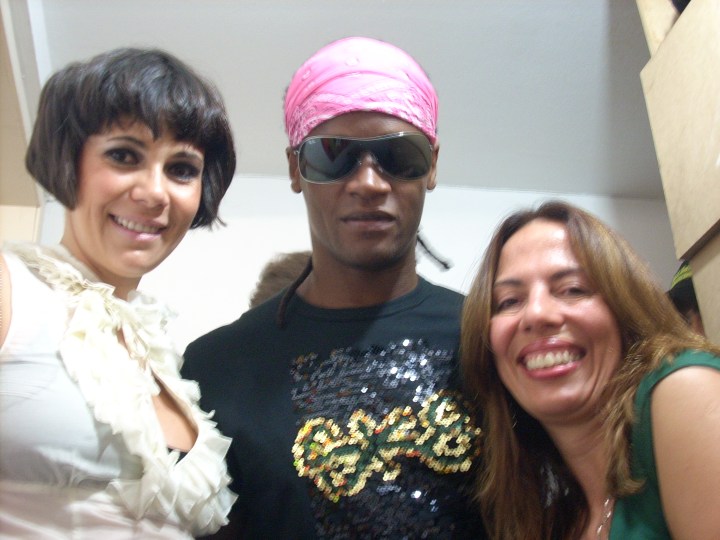
        Adriana , Toni & Nancy

http://www.tonigarrido.com.br/

BROTHERS OF BRAZIL

adriana-0161

 SUPLA

We Are The Brothers Of Brazil

Idioma original: ING

We Are The Brothers Of Brazil
I’m from São Paulo
And I live  in Rio

And hey hello
How are you doing
My name is Supla
And ain’t fooling
And I’m his brother
My name is João
Bossa … his rock guitar

We Are The Brothers Of Brazil

It’s a big country
With different races
Different accents
Different faces
Country jungles
Lots of … beaches
We have a lot of .. . people on the top

We Are The Brothers Of Brazil

We Are The Brothers Of Brazil

And we are going to the top of the hill

bob-552x368

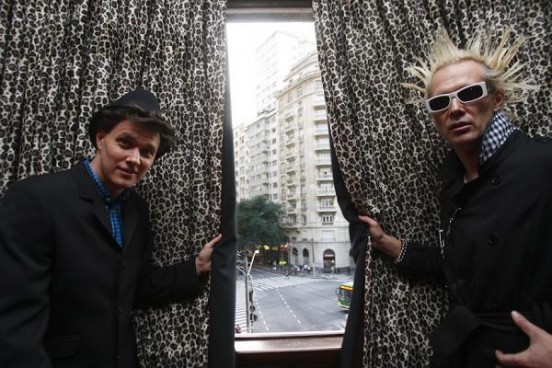
 JOAO &  SUPLA

Era para ser só um encontro informal entre Supla e João, que estavam fazendo shows pela Europa na mesma época. Mas a parceria inusitada entre o punk rocker e o apaixonado por música brasileira acabou consolidada no momento em que Bernard Rhodes, ex-empresário do The Clash, batizou a dupla de “Brothers of Brazil”. Aí, não tinha mais como voltar atrás: Supla voltou a tocar bateria e dar atenção à MPB e João resgatou o roqueiro que tinha dentro de si com seu violão em punho. Antes, os dois só tinham trabalhado juntos no disco “Bossa furiosa”, que o segundo lançou em 2003. Mas o caçula apenas emprestou seu violão ao disco do irmão.

Fizemos o primeiro show no Made in Brazil, que fica ao lado do pub mais punk de Camden Town (Londres), um que Amy Winehouse freqüenta. Depois, tocamos no Guanabara, no Buffalo, que é onde bandas que já estão no circuito se apresentam. Todos os dias foram bem cheios. Também fomos a Bruxelas, Paris, Los Angeles, Santa Mônica, Nova York. Fizemos show no Rock in Rio Lisboa… Vamos agora ao Rio, depois tem Bahia, Curitiba, Porto Alegre…

Tenho personalidade forte, mas a gente sempre deixa prevalecer o bom senso, sem ego, porque ego destrói tudo “Supla

http://www.myspace.com/brothersofbrazil

SE TODOS FOSSEM COMO ELES

 s1

              Irreverentes & Incoerentes

Supla, nome artístico de Eduardo Smith de Vasconcelos Suplicy, (São Paulo, 2 de abril de 1966) é um músico brasileiro, filho da ex-prefeita de São Paulo e ex-ministra do Turismo Marta Suplicy e do senador Eduardo Suplicy. É irmão do também músico João Suplicy e do advogado André Suplicy.

João Smith de Vasconcelos Suplicy (14 de junho de 1974) é um cantor brasileiro.

Filho do senador Eduardo Suplicy e da política e psicóloga Marta Suplicy, é irmão do também cantor Supla.

João e a apresentadora Maria Paula Fidalgo (Casseta e Planeta) são casados desde 2003 e tem uma filha, Maria Luísa, nascida em junho de 2004 e um filho, Felipe, nascido em junho de 2008.

Supla

Supla, Iniciou sua carreira tocando versões do rock norte-americano e britânico das décadas de 50 a 70, entretanto, os estilos de suas composições estão mais ligadas ao punk e ao hardcore, e mais recentemente bossa nova.

Supla é conhecido por sua personalidade marcante e por não se importar com a opinião da imprensa, tanto nas críticas ao seu trabalho como também em eventuais elogios. Supla foi vocalista de diversas bandas em sua carreira, o início se deu no “Metropolis”, depois “Zig Zag” (que mas tarde se tornou a conhecida “Tokyo”), além do “Mad Parade”. Ele também fez parceria com outros nomes importantes do cenário rock n’roll, como a alemã Nina Hagen.

No começo da década de 90 participou do famoso Rock in Rio, na sua segunda edição. Em 2001 voltou a participar do “Rock In Rio”, agora já em sua terceira edição. Supla também se aventurou no cinema, participando de algumas incursões na sétima arte, contudo, não obteve muito êxito. No que se refere a sua participação televisiva podemos destacar algumas participações, como em uma mini-série e até mesmo uma telenovela.

O “papito”, apelido pelo qual ficou famoso no ano de 2001, passou boa parte dos anos 90 no ostracismo, até que no ano 2000 o programa “Piores clipes do mundo“, da MTV Brasil, decidiu pela exibição do seu clipe “Green Hair“, logo alçado a “obra-prima trash” pelo apresentador Marcos Mion. Supla de início reclamou (“nunca passa clipe meu, e quando passa é no ‘Piores!'”), entretanto, acabou por aceitar essa fama de o “rei do piores”.

Devido á popularidade reconquistada, em 2001 Supla tocou no “Rock in Rio 3” e participou da primeira edição do Reality Show Casa dos Artistas, sendo considerado um dos grandes nomes da atração do SBT comandada por Silvio Santos. A sua popularidade no programa foi de tamanha repercussão que o seu álbum denominado “Charada Brasileiro” vendeu por volta de 600 mil cópias, um número elevado para a época, ainda mais se lembrarmos que era um disco vendido de forma alternativa. Nessa fase ele contava em seus shows com a banda “Holy Tree”.

É avaliado por alguns como uma pessoa rebelde, tanto no seu modo de vestir, considerado “diferente” do chamado padrão imposto pela sociedade, como também os seus cabelos espetados, bem ao “estilo punk“, esses mesmos afirmam que o fato dele ser filho de políticos contribui para o suposto preconceito. Apesar disso, segundo seus fãs e alguns críticos, tem um bom timbre de voz e mostrou seu talento principalmente no disco “Bossa Furiosa”, sendo elogiado pela crítica especilizada. Em 2007, apresentou a nova versão do programa Viva a Noite, no SBT (Sistema Brasileiro de Televisão).

Curiosidades

  • Em todas as suas entrevistas Supla sempre divulga o nome de Elvis Presley, um de seus maiores ídolos na música.
  • É considerado um dos grandes jogadores da história do Rockgol, onde fora apelidado por Paulo Bonfá de “Juninho Papito”.
  • É descendente da importante Família Matarazzo e do Barão de Vasconcelos.
  • Supla, na verdade, é um personagem de um “punk louco” interpretado por uma pessoa centrada e intelectualmente bem dotado. Por muitas ocasiões, em entrevistas e reportagens, Supla deixou de lado todo seu estilo irreverente, mostando-se ser uma pessoa “normal”.
  • Supla é sempre comparado ao cantor punk inglês Billy Idol.
  • Supla, para manter seus cabelos espetados, utiliza clara de ovos.

23baixahits

Supla (Eduardo Smith de Vasconcellos Suplicy) is a Brazilian musician born April 2, 1966 in the city of São Paulo. He is the son of Marta Suplicy (former Mayor of São Paulo) and Senator Eduardo Suplicy. Supla was also part of the winning team on the 2005 Rockgol soccer championship.Recently, Supla returned to São Paulo from Zurich, Switzerland (Caliente Festival), London, (MTV Europe) and Los Angeles, California (private shows/recording) where he was promoting his latest CD release, Vicious (Dec/2006).

Early history

Supla started his music career at 13 years old, playing drums for “Os Impossiveis” (The Impossibles). The band was his earliest chance to express the influences of The Beatles, The Rolling Stones and David Bowie. Later, he joined the band “Metropolis,” also as a drummer.

At 17, Supla formed a band called “Zigue-Zague”, in which he was the lead singer. The band changed the name to “Tokyo,” and started writing material with a heavy punk influence. Tokyo lasted for three years, did two international tours, and released two studio albums for C.B.S. records. When the band grenaded, Supla had no alternative but to go solo.

Supla went on to release seven solo albums that have been well received, both commercially and critically[citation needed]. During a stay in New York City in 1995, he formed the band “Psycho 69”, which spawned the release of one album.

In 2005, he released “Supla Só Na Loucura” as a DVD that includes a long form biographical documentary, a live show from the tour for the album “Menina Mulher”, and other extras.

Supla has been singing cover songs together with the punk Brazilian band Holy Tree. Recently, he returned to São Paulo from Zurich, Switzerland (Caliente Festival), London, (MTV Europe) and Los Angeles, California (private shows/recording) where he was promoting his latest CD release, Vicious (Dec/2006).

 Non-musical carer

As an actor, Supla has participated in numerous films, TV shows, and soap operas. He has also recorded and performed live with some of Brazil’s important musicians: Rita Lee (from Os Mutantes), Bebel Gilberto, CSS, Max Cavalera (from Sepultura, Roger (from Ultraje a Rigor), Ira!, Cauby Peixoto, etc. He also known for his performances with Ian McCulloch from Echo & The Bunnymen.

In April 2007, he began taping his TV Show, “O Rei da Mídia” (The King of Media) for the national channel SBT Supla now spends part of his time interviewing musicians, politicians, soccer players and celebrities.

On May 15, 2007, Supla (as sole curator) opened the exposition “ROCKERS” at FAAP (National Gallery). Photographer Bob Gruen showed 290 pictures from his portfolio of Rock Gods exposed in their private and public moments of history. The show was a major success, both with the daily capacity audiences and the critics.

                                http://www2.uol.com.br/supla/

House Of Blues Boston

houseofblues_logo_boston

http://www.hob.com/venues/clubvenues/boston/

House Of Blues Boston
15 Lansdowne Street
Boston, MA 02215

http://www.hob.com/

our roots

House of Blues is a home for live music and southern-inspired cuisine in an environment celebrating the African American cultural contributions of blues music and folk art. In 1992, our company converted a historical house in Cambridge, Massachusetts into the original House of Blues®. The original House of Blues opened its door on Thanksgiving Day, 1992 feeding the homeless before opening to the public. Our commitment to serving the community will always be a priority.

our mission

To create a profitable principled global entertainment company.To celebrate the diversity and brotherhood of world culture.To promote racial and spiritual harmony through love, peace, truth,
righteousness and non-violence.

musical diversity

In our Music Halls you will find almost every music genre imaginable: Rock n’ Roll, Punk, Alternative, Heavy Metal, Rap, Country, Hip-Hop, Rhythm and Blues, Rock en Español, Jazz, Zydeco, Folk, Electronica and many other genres grace our stages.

Best Outdoor Venue. Theatre of the Year. Arena/Auditorium of the Year. Best Large Outdoor Concert Venue. Best Live Music Club of the Year. Talent Buyer of the Year. From large amphitheatres and arenas to small clubs, our venues and staff garner industry accolades year after year.

distinctive southern cuisine

Our passion for the South has guided the creation of our unique menu. Our chefs developed artistic adaptations of traditional southern favorites such as Creole Jambalaya and BBQ Baby back Ribs while creating dishes like Pan Seared Voodoo shrimp and Seared Ahi Tuna Salad. We take great pride in cooking with the freshest ingredients served with soulful southern hospitality.

gospel brunch

The award winning House of Blues Sunday Gospel Brunch is a one-of-a-kind celebration that nourishes the body and soul. Our popular Gospel Brunch buffet features inspiring live gospel performances. From local and regional artists to acclaimed gospel musicians, HOB makes the cultural and musical treasures of gospel available to all. Replenish at the House of Blues Gospel Brunch!

the visual blues

The HOB walls feature American folk art affectionately referred to as the visual blues. With over a thousand original pieces of folk art, HOB houses one of the largest publicly displayed folk art collections in America.

philanthropy

Through our support of the International House of Blues Foundation (IHOBF), over 50,000 students and teachers experience the Blues SchoolHouse program in our music halls annually. This program explores the history, music and cultural impact of the blues and related folk art through live music, narration and a guided tour of our folk art collection. The program highlights African American cultural contributions and emphasizes the importance of personal expression. The IHOBF is dedicated to promoting cultural understanding and creative expression through music and art (www.ihobf.org).

At the core of the House of Blues company vision lies the belief in diversity and social harmony. Since its inception House of Blues has been committed to bringing about social change through cultural understanding and nurturing mutual respect.

To facilitate these goals House of Blues has established The International House of Blues Foundation (IHOBF). The International House of Blues Foundation is dedicated to promoting cultural understanding and creative expression through music and art.

: Learn more about the International House of Blues Foundation and its programs by visiting www.ihobf.org


title_home_boston