MARY QUANT

100090015

Mary Quant was born on 11 February 1934 in London.

She was educated at Goldsmiths’ College of Art. In 1957 she married Alexander Plunket Greene, whom she had met at art school. Together, the two of them with another friend started a shop in the King’s Road, Chelsea, called “Bazaar”. Underneath, they had a restaurant called “Alexander’s”.

In the 1960s she won a number of design awards and in 1966 Mary Quant was awarded the OBE. Her designs proved particularly popular in the sixties, most notably Mary Quant designed the mini-skirt which became emblematic of the decade. In 1966 she branched out by founding Mary Quant Cosmetics.

Mary Quant won the Hall of Fame Award, British Fashion Council in 1990.

In 1999 Mary Quant told the BBC World Service:

“I grew up wanting to design clothes. The whole thing hit me at a very early age. In fact, I’m still in disgrace for cutting up a bedspread when I was ill with measles, aged something like six or seven. I think it started for me in that I inherited my clothes, as a child, from a cousin. And I must have been a very self-conscious child. Because I thought they weren’t me.”

Mary Quant, estilista inglesa, começou sua carreira abrindo uma pequena boutique em Londres no ano de 1955, chamada Bazaar. Como não encontrava o tipo de vestuário que pretendia vender, ela começou a criar as suas próprias peças.

Nos anos 60 a loja converteu-se num império internacional para o qual Mary Quant criou roupas, acessórios e produtos de cosméticos, tudo jovem e pouco complicado.

A mini-saia que Mary Quant apresentara em meados dos anos 60, teve um êxito estrondoso. Ela compartilhava com André Courrèges a invenção da mini-saia, muito embora ela própria atribuía sua origem as ruas.

As primeiras bolsas desenvolvidas por Mary Quant, foram feitas nas cores preto e branco em PVC, decoradas com grandes manchas ou com seus famosos motivos em margaridas.

A flor de plástico com a qual Mary Quant enfeitou a sua moda Lolita, tornou-se no final da década, uma verdadeiro símbolo do direito à paz. Muitos jovens e adultos se sentiam atraídos pelo movimento Flower Power promovido pelos hippies.

“ Eu quero criar novas maneiras de fazer roupas com novos materiais juntamente com acessórios modernos que mudam conforme o estilo de vida das pessoas”.

Pernas, pernas e pernas. Foram elas o símbolo da revolução feminina nos anos 60 seja na minissaia, lançada pela inglesa Mary Quant e por Courrèges, ou na calça comprida do terninho criado em 1968 por Yves Saint Laurent.

obrinvs072p1


Galeria de fotos: saiba como usar os looks de 68 nos dias de hoje

 chanel2007.jpg

De pernas de fora ou cobertas pela pantalona, as moças ganharam o mundo e começaram a acreditar que poderiam um dia ser livres, transar sem engravidar graças à pílula anticoncepcional, trabalhar sem depender do marido e viver felizes para sempre fora das grades do lar.


Entenda a importância dos acontecimentos de maio de 1968

Não foi por acaso que as revistas da época fotografavam as modelos pulando sem parar. Com as pernas da manequim Verushka, os olhos atentos da inglesa Twiggy e o espírito livre de Leila Diniz, a mulher de 68 foi guerrilheira, intelectual e ultra sofisticada.

O espírito inglês dos Swingin London dominava a cena internacional e quem amava os Beatles vestia terninho no estilo mod, usado pelos dândis da classe média londrina. Em Paris, revolucionada pelas manifestações, os mestres da moda Courrèges, Pierre Cardin e Paco Rabanne davam sua própria virada, restrita aos ateliês de alta costura, já articulando outra revolução, a do prêt-à-porter.

Mauricinhos Rive Droite contra revolucionários Rive Gauche

A jornalista Christiane Fleury, filha do correspondente do grupo France Soir, Jean-Gérard Fleury, no Brasil, acompanhou os acontecimentos de maio de 1968. Em Paris, além dos confrontos estudantis e operários, havia, segundo ela, a oposição entre a juventude Rive Droite (o lado chique e rico da cidade) em relação a da Rive Gauche (a universidade da Sorbonne e arredores, coração das manifestações).

“Na época eu estudava no Liceu Francês no Rio e costumava passar três meses na cidade. Quando os conflitos aconteceram eu era Rive Droite e andava com os rapazes bonitinhos, que usavam pulôveres e coletes de Shetland (fina lã extraída de ovelhas criadas nas ilhas Shetland, na Escócia), um estilo college de fazer inveja a Ralph Lauren”, diz.

Mais tarde, quando foi estudar na Sorbonne virou Rive Gauche. Na Rive Droite nasceu o Bon Chic Bon Genre (BCBG), elegância mais tradicional, influenciada pela alfaiataria inglesa. Dos líderes de maio de 1968, Christiane gostava de Jacques Sauvageot, de paletó de veludo cotelê e camisa social, “o mais bonitão e charmoso”, lembra Christiane.

Nas ruas, segundo a jornalista, a Rive Gauche não usava nem Courrèges nem Cardin mas já aderia ao estilo hippie. “Quando fui enviada para cobrir uma exposição no Grand Palais pela revista Manchete, descobri que além dos ingleses, os franceses também estavam criando coisas interessantes com Courrèges, Cardin e Paco Rabanne, este último mostrando suas criações no Grand Palais e já fazendo seu merchandising com as modelos se apresentando dentro de carros”, conta.

  Rhodia, tergal e Bibba no Brasil

No Brasil a moda dos anos 60 entrou na era industrial com as fibras sintéticas (náilon, banlon e tergal) fazendo com que os revolucionários não perdessem o vinco. A produção em larga escala exigiu um marketing à altura, bancado pela Rhodia e idealizado pelo publicitário Livio Rangan, que promoveu os primeiros desfiles-espetáculo na Fenit (Feira Nacional da Indústria Têxtil) envolvendo artistas como Volpi e Aldemir Martins na criação das estampas, em verdadeiros shows com roteiro de Carlos Drummond de Andrade, Millor Fernandes e Torquato Neto.

Muito antes da loja Bibba de Barbara Hulanick em Londres, já tínhamos a nossa, inaugurada no dia 15 de novembro de 1960, em Ipanema, por José Luiz Itajahy. “Voltei da Inglaterra e passei a comprar modelagens nas principais lojas de lá adaptando-as para o Brasil”, conta José Luiz, hoje dono do restaurante Sushi Jardin, em Búzios.

Inimigo ferrenho do sutiã, José Luiz se orgulha de ter colaborado para liberar várias mulheres: “Eu vivia com uma tesoura no bolso de trás da calça. Quando via que podia cortar o sutiã da cliente, eu cortava”. Itajahy vestiu a atriz Dina Sfat (outra musa da época) para o prêmio Molière. “Ela estava esperando bebê, com um barrigão e preocupada com o sapato pois o pé inchara. Vesti a Dina num tecido de gase pintado e a convenci a ir descalça”.

Para entrar no clima sixty 68

Em ritmo de “vale a pena usar de novo”, as meninas voltaram a garimpar nos brechós clássicos como a boina para dar um ar francês. Se você usa óculos o look fica perfeito e intelectual mesmo que não tenha lido uma linha do “Segundo sexo”, de Simone de Beauvoir. A seguir um roteiro de estilo:

retrato20beatles


Terninho: a estilista Nica Kessler apostou no look mas recomenda: “quebrar o combinadinho com sapatos e acessórios coloridos.

Minissaia: Quando a estilista Mary Quant criou a peça fez também meias coloridas para que não chocassem demais. As minis de hoje fazem boa parceria com meias coloridas sem esquecer que as brancas dão o ar futurista lançado por Courrèges e Cardin na época.

Gola Rulê: Um clássico dos anos 60 tanto para homens como para as mulheres. Fica super revolucionário retrô sob vestes e vestidos, completados por botas baixas e mais largas.

Acessórios: Lenços, óculos enormes, anéis e brincões no gênero Verushka farão você botar um pé nos 70, quando no Brasil os sonhos revolucionários foram destruídos pela ditadura e a moda, hippie, colorida e desbundada, virou uma válvula de escape.
http://www.maryquant.co.uk/home.htm

SASSOON  STYLE  BOB

113

Before the bob hair cut became popular in the 1920’s, women were confined to having long hairstyles that were swept up with combs or often worn with hairnets to keep their curls. The 1920’s changed all this when the constraints of the Victorian styles were abandoned.With the war, women were finally able to wear their hair short, thanks to the actions of Irene Castle, silent-screen actress, who started this popular haircut in 1917 to help with the war efforts. It was the promoted style to change the outlook of women that in the time of war, they did not have the time to spend on their hair and the style would help keep their hair from being tangled in factory machines. This style became the most demanded style in this time.By the 1940’s, however, long hair was back, with emphasize on the soft, wavy looks of the shoulder length style. It wasn’t until the 1960’s that the bob style became popular again. Women were back in the work force and they needed more manageable styles. Long hair did not fit the style of the working woman.It wasn’t long before the most influential hairstylist to date, Vidal Sassoon, helped to make the bob style more popular than ever by changing the cut of the bob style haircut.Sassoon and his creative director, Maurice Tidy spent time developing variations to the cut and before long, most women wanted their hair cut in the bob cut.This trend continued along into the 1970’s with the Dorothy Hamill cut that everyone seemed to copy. Even today, with the hairstyles varied, this style continues to be popular.The bob hair cuts of today are simply variations of the look created in the 1920’s. Four decades ago, Maurice Tidy worked with Vidal Sassoon in London popularizing the 1960s bob hair style.

sassoon_picbeauty_5172_0_sl

There is nothing more simple and elegant than a Sassoon bob.  And for a  hairdresser, there is no cut more challenging to master.  It requires perfect technique, meticulous attention to detail, and a keen understanding of hair texture and growth patterns.  Just as many executive chefs test the skills of potential employees by asking them to make something as simple to prepare yet as challenging to perfect as the omlette, anyone in the hair business knows a true stylist is only as good as her bob.  Indeed, the bob is the omlette of the hair world.Sometimes the higher-end the salon, the higher-end the snob factor, especially when you’re not a client.  But despite the Sassoon name, despite the Beverly Hills address.They say that in the beauty industry, a successful  hairdresser is 20% talent and 80% personality.  

short-red-mod-bob-with-bangs

The style was, at first, shocking as women who previously prided themselves on long, luxurious hair, chopped off their locks in a show of independence and equality with men. The original style was worn straight and flat on top or waved with a Marcel iron.

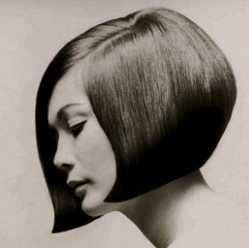
A style is a ‘bob’ if it is cut with a weighted area falling anywhere from just below the ears to just below the chin.Although the bob has faded from the style front on occasion it has always been in the back-ground showing sophistication and class. Vidal Sassoon made such a hit with his severe and sculpted adaptation of this style that many think that it originated with him.The most interesting about the bob is that it has been updated and modified for many style trends but with each come-back, the original look is still as acceptable as the new styles.This style is adaptable to many facial structures and textures of hair. This, along with the ease of styling most adaptations are likely reasons for its tendency to keep reappearing on the style scene.

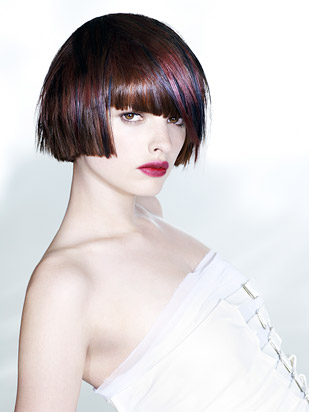
Over the years, the cut has been modified by adding bangs or taking them away, stylized by cutting one side short while leaving the other long, texturized, permed, waved, poofed and flattened, but it is always unmistakably a bob.Curly or straight, there is a bob haircut to fit just about every face and life style. So if you are looking for a new look that is sophisticated and stylish as well as appropriate for the office and easy to care for, there is very likely a bob that is perfect for you.


vidal-sassoon

BAD GIRL HAIR

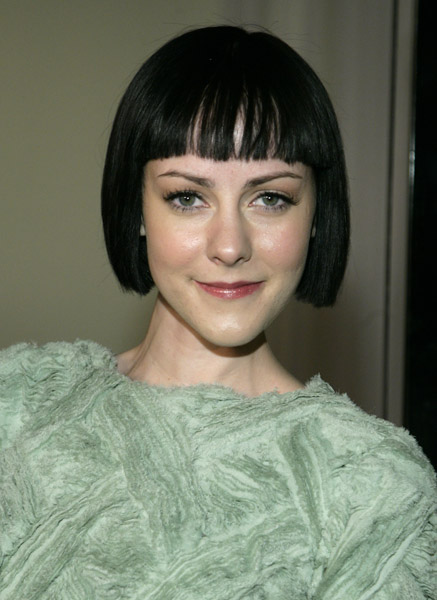
Jenna Malone at the Los Angeles Special Screening of "The Ruins" on April 2, 2008 at the Arclight Theater in Los Angeles

a-resixed-hold-shot-agyness-new-hair-wenn

Vidal Sassoon Hair Revival

50f32427-b68a-64ba-f5b556630032967e1


The Quant: Sixties designer Mary Quant’s slick pageboy cut was a variation on Vidal Sassoon’s classic angular bob.There were other mod idols, too. Learn more about Mary Quant, a fashion designer who claimed to have invented the miniskirt. She and her husband were a driving force behind 1960’s “Swinging London.”


twiggy1


The Twiggy crop: The original supermodel was hailed as the face of 1966 when she went for a super-short boyish cut.

Twiggy really only had one look, but she took it very seriously. Although the mod fashion movement got its start in 1950’s London, it’s Twiggy who is frequently remembered as the face of mod.  Mod fashion was streamlined and bold, definitively minimalist. Look for geometric patterns, startling colors, and hemlines cut well above the knee.With her short-cropped mod hairstyle, neat side-part, and long, dark lashes, Twiggy epitomized the streamlined grace that so many mod kids exalted.

Twiggy’s fellow model Peggy Moffitt popularized the austere “five point” Vidal Sassoon haircut, the moddest mod hairstyle there ever was.

2854l1


Forget Twiggy: American model Peggy Moffitt is one of the most iconic faces of 1960’s mod fashion. The actress-turned-model, who became muse to designer Rudy Gernreich, redefined the high fashion look of the era. Her Japanese Theater-inspired makeup and signature hairstyle came to represent the strengthening bond between pop art and fashion.Moffitt started modeling when she began dating photographer William Claxson, whom she later dated. Unconventionally beautiful, Moffitt’s symmetrical, almost cartoonish face redefined the qualities sought in fashion models, paving the way for superstar Twiggy.Moffitt and Gernreich continue to influence the fashion world, despite Gernreich’s death in 1985. Moffitt’s look remains popular in the haute fashion world, and several vintage Gernreich designs were redistributed under the Japanese label Commes des Garcons in 2003. 


AS BAD GIRLS ESTAO  DE VOLTA

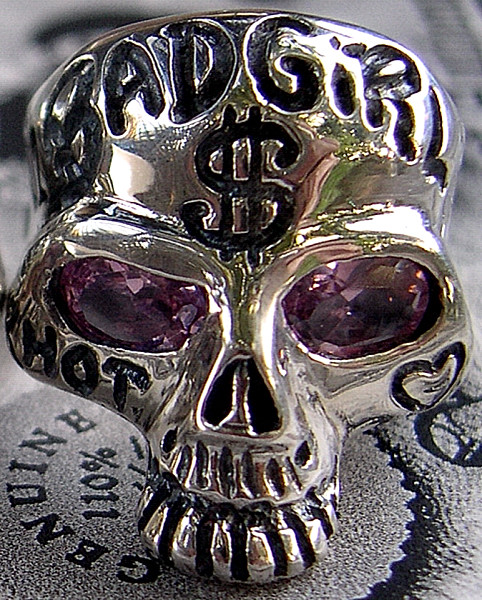
bad20girl20skull20ring

Depois das bonitinhas de plantão, o estilo atrevido e descolado das rebeldes sem causa faz sucesso novamente entre as celebs. O único probleminha é que, vez ou outra, elas perdem o rumo e exageram na dose.Elas não param de causar. Escândalo, sensação, rebeldia. Para o bem e para o mal. Abusam das mordomias, beijam mulheres na boca, se enchem de remédios, caem bêbadas em seus carros luxuosos, mas não saem das primeiras páginas de jornais, revistas e sites de celebridades. Agora atire o primeiro piercing quem não adora uma personalidade ousada, interessante, desafiadora e ainda por cima estilosa.

O motivo mais provável dessa atração é que, em parte, acabamos nos reconhecendo nessas bad girls. Isso porque não existe alguém que num dia difícil da vida não tenha desejado chutar o pau da barraca. Bernardo Jablonski, psicólogo e professor da PUC do Rio de Janeiro, explica que só não botamos isso sempre em prática porque pensamos no que os outros – o que inclui mãe, namorado, polícia, amigos, vizinhos – vão pensar. “Então, refreamos nossos desejos e nos satisfazemos assistindo ao desempenho dos outsiders, admirando e invejando quem ousa nadar contra a corrente”, diz.Amadas a distância e geralmente odiadas por quem está por perto, as bad girls que mais nos fascinam são as que têm algum talento para mostrar. Correm riscos, se expõem, mas acreditam no que fazem. E dão o seu recado. A seguir, algumas rebeldes de hoje e outras que já fizeram história.  Regina Valadares

1930 MARQUESA LUISA CASATI
A aristocrata italiana ficou conhecida na belle époque por andar nua sob seu casaco de pele. Acompanhada por um par de lulus com coleiras de diamantes, frequentou a nata da sociedade europeia. Seus empregados a serviam nus, com uma folha de ouro tapando as partes íntimas. Foi musa de artistas e designers e ainda hoje inspira a marca Marchesa.

1970 VIVIENNE WESTWOOD
A estilista inglesa não inventou o rock, mas foi quem melhor o vestiu. Seu estilo inteligente, anarquista e nada convencional é revolucionário. Aos 67 anos, ela é a avó de todos os movimentos que propõem mais e mais liberdade. Não existe nada mais inspirador do que uma mulher que se recusa a sucumbir, não importa a idade. E continua a inovar.

daria-in-french-voguecinto


shoes_iaec10562361


1980 MADONNA
Quanto é marketing e quanto é verdade, não importa. O fato é que ela é um símbolo sexy há 20 anos. Fez fotos eróticas, filme sexy, filme sério, teve filhos, casou, descasou e criou um estilo. Crucifixo, sutiã em forma de cone, chapéu de caubói, ela reinventa a moda e se reinventa. E, aos 50 anos, continua inteirona!


HUDSON JEANS

www.hudsonjeans.com

Hudson is the denim ideal. The signature flap pocket creates an uplifting and flattering look for your derriere and lengthens legs. Each pair of Hudson denim jeans is hand crafted and perfectly tailored. Both sexy and comfortable, you can never have enough pairs of Hudson denim.

lifestyle_banner


3110494709_bdc1a3c3ce3110498755_603aa54cf3


 3095698037_083a866f081


3096539236_5a66b882bc3109745455_69986a221c1

Headband

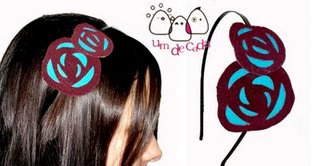
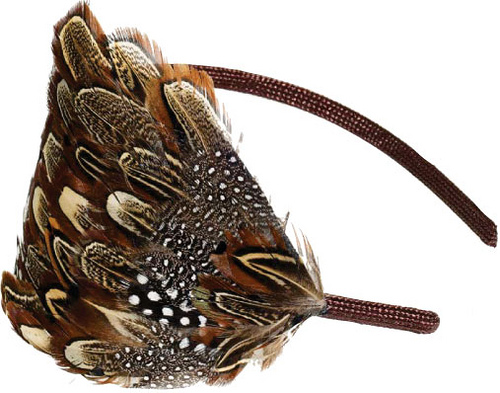
A headband is a clothing accessory worn in the hair or around the forehead, usually to hold hair away from the face or eyes. Headbands generally consist of a loop of elastic material or a horseshoe-shaped piece of flexible plastic or metal. They come in assorted shapes and sizes and are used for both practical and fashion purposes.

Horseshoe-shaped headbands are sometimes called Alice bands after the headbands that Alice is often depicted wearing in Through the Looking Glass.

Tiara

 Traditionally the Tiara is a form of headgear that is similar to a crown. The Tiara is usually worn by female members of a royal family. The literal translation of the world tiara means high crown. However unlike a crown the tiara is not a completely circular. Although circular in shape it does not meet at the back of the head. In ye olden times they were made out of leather or other fabric and were decorated with fine jewels and made to look beautiful. They were worn by the most dignified and prestigious members of the society such as the kings or emperors.

There were a wide variety of different variations on the theme and many different societies found innovative ways of decorating the tiara to show how prestigious it was. It is noted that the Assyrian people around the 15th to 20th century BC used bull horns as a symbol of authority and these were also decorated with feathers. The tiara was also popular in Persian times but differed slightly in that they featured more jewels and less feathers. The Persian version was also a little more like a crown as it had a tall cone like peak at the top and was more like a closed hat than the more modern open version.

Another common place where you might see a Tiara is in the Roman Catholic Church. The Papal tiara is a hat that is worn by the Pope. It is a ceremonial piece of headwear that comprises of three crowns that bear a globe and it is seen as an indicator of authority. This has not been worn for a while and it has been removed from the Pope’s Holy See coat of arms but it still plays a large symbolic role.
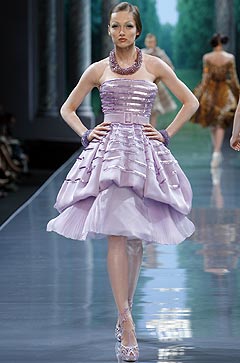
The modern tiara is a semi circle design that sits on the top of the head. It is usually a metal band that is more often than not decorated with jewels. Nowadays it is not used as much as a mark of rank or authority but more so as a form of adornment. Women usually wear them at very formal occasions to supplement a beautiful dress. They are often seen in events such as beauty pageants and are used to show which of the contestants have won and it is seen as a regal symbol. It is synonymous with head wear that would be worn by a princess and is as a result a very feminine item. Many women choose to wear them at their wedding. It is an extremely prestigious adornment.

The queen owns the most valuable collection of them in the world and people travel for miles to see her collection. They are property of the royal family and the queen is regularly seen wearing them at large occasions. It is said that the tiaras that she owns personally are priceless. She received the majority of these priceless items as heir looms but she has also received a number as gifts from foreign dignitaries. She was given a beautiful aquamarine tiara as a present from Brazil and Queen Alexandra has given her many of these gifts.

 http://www.umdecada.com.br/

5

8972


Soffer Ari

Adriana & Ari

Adriana  &  Ari
About Soffer Ari :
In 1995 Ari founded S.A. Leather when he created his first piece, a pair of handmade leather pants, which quickly became a necessity among the Hollywood Elite. Soon after he created his leather pants customers wanted belt straps and buckles to match. Ari quickly became the go-to person for custom pieces for movies and rock tours. Today, Ari houses a complete lifestyle collection and has earned a reputation for distinction, beauty, and quality craftsmanship.
The Soffer Ari collection is a very large and extensive collection. Ari has chosen some of his favorite pieces to offer in this online store. If you do not see what you are looking for in this store, you can send an email and order almost any piece that is shown on Ari’s online catalog which is viewable under “online catalog” at http://www.saleather.com


IMG_6575.JPG

IMG_6583.JPG

http://media.saleather.com/

SKULL

19

111

29

28

Skull symbolism is the attachment of symbolic meaning to the human skull. The most common symbolic use of the skull is as a representation of death and mortality, but such a reading varies with changing cultural contexts.

Humans can often recognize the buried fragments of an only partially revealed cranium even when other bones may look like shards of stone. The human brain has a specific region for recognizing faces [1], and is so attuned to finding them that it can see faces in a few dots and lines or punctuation marks; the human brain cannot separate the image of the human skull from the familiar human face. Because of this, both the death of, and the now past life of the skull are symbolized.

Moreover, a human skull with its large eye sockets displays a degree of neoteny, which humans often find visually appealing—yet a skull is also obviously dead. As such, human skulls often have a greater visual appeal than the other bones of the human skeleton, and can fascinate even as they repel. Our present society predominantly associates skulls with death and evil. However, to some ancient societies it is believed to have had the opposite association, where objects like crystal skulls represent “life”: the honoring of humanity in the flesh and the embodiment of consciousness.

The skull is a bony structure found in the head of many animals. The skull supports the structures of the face and protects the head against injury.

The skull can be divided into two parts: the cranium and the mandible. A skull that is missing a mandible is only a cranium; this is the source of a very commonly made error in terminology. Those animals having skulls are called craniates.

Functions of the skull include protection of the brain, fixing the distance between the eyes to allow stereoscopic vision, and fixing the position of the ears to help the brain use auditory cues to judge direction and distance of sounds. In some animals, the skull also has a defensive function (e.g. horned ungulates); the frontal bone is where horns are mounted.