ELIZABETH OF BAVARIA

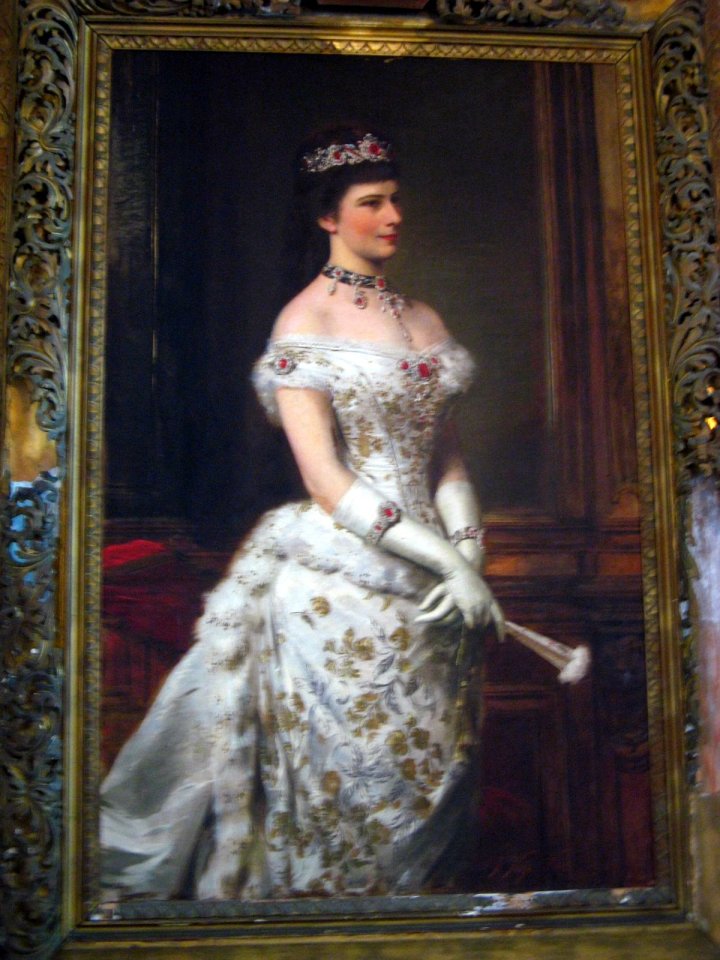
IMG_2709

For the Queen Elisabeth of Belgium, also born Duchess Elisabeth in Bavaria, see Elisabeth of Bavaria (1876–1965).
For women with similar names, see Empress Elisabeth (disambiguation) and Elisabeth of Wittelsbach.
This article is about the empress consort. For other uses of Sissi, see Sissi (disambiguation).

Elisabeth of Bavaria (24 December 1837 – 10 September 1898) was Empress of Austria and Queen of Hungary as spouse of Emperor Francis Joseph I. From an early age, she was called “Sisi” by family and friends.

I047860_L_xW9xO_HBcIIzWLaiMyXw_c2atw_250

While Elisabeth’s role and influence on Austro-Hungarian politics should not be overestimated (she is only marginally mentioned in scholarly books on Austrian history), she has undoubtedly become a 20th century icon. Elisabeth was considered to be a free spirit who abhorred conventional court protocol; she has inspired filmmakers and theatrical producers alike.

BAVARIAN DUCHESS

sissi26

She was born in Munich, Bavaria. She was the fourth child of Duke Maximilian Joseph in Bavaria and her mother was Princess Ludovika of Bavaria. Her family home was Possenhofen Castle.

Elisabeth accompanied her mother and her 18-year-old sister, Duchess Helene, on an 1853 trip to the resort of Bad Ischl, Upper Austria , where they hoped Helene would attract the attention of their maternal first cousin, 23-year-old Francis Joseph, then Emperor of Austria. Instead, Francis Joseph chose the 16-year old Elisabeth, and the couple were married in Vienna at St. Augustine’s Church on 24 April 1854.

QUEEN AND EMPRESS
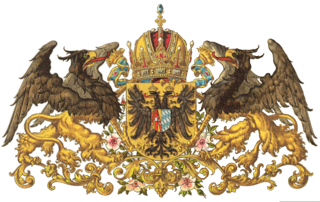
Wappen_Kaiserin_Elisabeth2

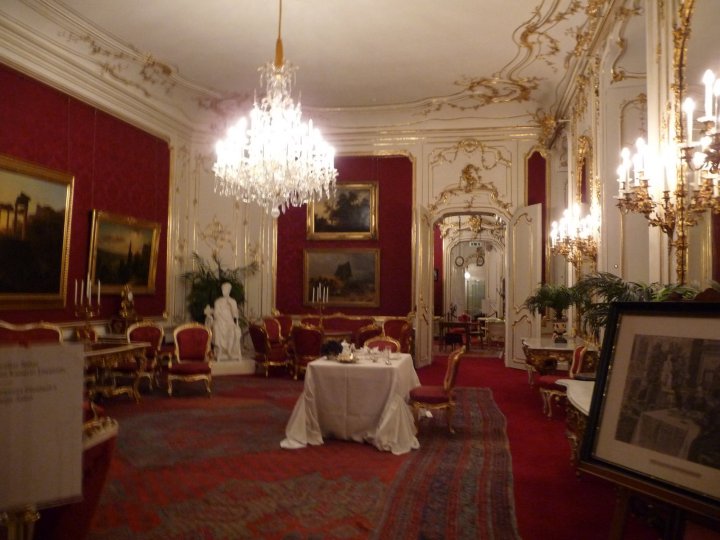
Elisabeth had difficulty adapting to the strict etiquette practiced at the Habsburg court. Nevertheless, she bore the emperor three children in quick succession: Archduchess Sophie of Austria (1855–1857), Archduchess Gisela of Austria (1856–1932), and the hoped-for crown prince, Rudolf (1858–1889). In 1860, she left Vienna after contracting a lung-disease which was presumably psychosomatic. She spent the winter in Madeira and only returned to Vienna after having visited the Ionian Islands. Soon after that she fell ill again and returned to Corfu.
P1030449

National unrest within the Habsburg monarchy caused by the rebellious Hungarians led, in 1867, to the foundation of the Austro–Hungarian double monarchy. Elisabeth had always sympathized with the Hungarian cause and, reconciled and reunited with her alienated husband, she joined Francis Joseph in Budapest, where their coronation took place. In due course, their fourth child, Archduchess Marie Valerie was born (1868–1924). Afterwards, however, she again took up her former life of restlessly travelling through Europe. Elisabeth was denied any major influence on her older children’s upbringing, however — they were raised by her mother-in-law Princess Sophie of Bavaria, who often referred to Elisabeth as their “silly young mother.”

Elisabeth embarked on a life of travel, seeing very little of her offspring, visiting places such as Madeira, Hungary, England and Corfu. At Corfu she commissioned the building of a palace which she called the Achilleion, after Homer‘s hero Achilles in The Iliad. After her death, the building was purchased by German Emperor Wilhelm II.

She became known not only for her beauty, but for her fashion sense, diet and exercise regimens, passion for riding sports, and a series of reputed lovers. She paid extreme attention to her appearance and would spend most of her time preserving her beauty. She often shopped at Antal Alter, now Alter és Kiss, which had become very popular with the fashion-crazed crowd, as described by the famous 19th-century writer Richard Rado:

“Everyone, from the most wealthy, to the upper middle class… almost every woman visited the shop. The shop’s name even extended beyond the country’s borders… Elizabeth of Bavaria (Sissi), wife of Francis Joseph I and Queen of the Austro-Hungarian monarchy, was also among its clients.

Her diet and exercise regimens were strictly enforced to maintain her 20-inch (50 cm) waistline and reduced her to near emaciation at times (symptoms of what is now recognised as anorexia).[citation needed] One of her alleged lovers was George “Bay” Middleton, a dashing AngloScot who was probably the father of Clementine Ogilvy Hozier (the wife of Winston Churchill). She also tolerated, to a certain degree, Franz Joseph’s affair with actress Katharina Schratt.

The Empress also engaged in writing poetry (such as the “Nordseelieder” and “Winterlieder”, both inspirations from her favorite German poet, Heinrich Heine). Shaping her own fantasy world in poetry, she referred to herself as Titania, Shakespeare’s Fairy Queen. Most of her poetry refers to her journeys, classical Greek and romantic themes, as well as ironic mockery on the Habsburg dynasty. In these years, Elisabeth also took up with an intensive study of both ancient and modern Greek, drowning in Homer‘s Iliad and Odyssey. Numerous Greek lecturers (such as Marinaky, Christomanos, and Barker) had to accompany the Empress on her hour-long walks while reading Greek to her. According to contemporary scholars, Empress Elisabeth knew Greek better than any of the Bavarian Greek Queens in the 19th century.In 1889, Elisabeth’s life was shattered by the death of her only son: 30-year-old Crown Prince Rudolf and his young lover Baroness Mary Vetsera were found dead, apparently by suicide. The scandal is known by the name Mayerling, after the name of Rudolf’s hunting lodge in Lower Austria.

After Rudolf’s death, the Empress continued to be an icon, a sensation wherever she went: a long black gown that could be buttoned up at the bottom, a white parasol made of leather and a brown fan to hide her face from curious looks became the trademarks of the legendary Empress of Austria. Only a few snapshots of Elisabeth in her last years are left, taken by photographers who were lucky enough to catch her without her noticing. The moments Elisabeth would show up in Vienna and see her husband were rare. Interestingly, their correspondence increased during those last years and the relationship between the Empress and the Emperor of Austria had become platonic and warm. On her imperial steamer, Miramar, Empress Elisabeth travelled restlessly through the Mediterranean. Her favourite places were Cap Martin on the French Riviera, where tourism had only started in the second half of the 19th century, Lake Geneva in Switzerland, Bad Ischl in Austria, where she would spend her summers, and Corfu. More than that, the Empress had visited countries no other Northern royal went to at the time: Portugal, Spain, Morocco, Algeria, Malta, Greece, Turkey and Egypt. Travel had become the sense of her life but also an escape from herself.

LITERATURE AND DRAMA

 Sissi-forever-my-love

In the German-speaking world, Elisabeth’s name is often associated with a trilogy of romantic films about her life directed by Ernst Marischka and starring a teenage Romy Schneider:

  • Sissi (1955)
  • Sissi — die junge Kaiserin (1956) (Sissi — The Young Empress)
  • Sissi — Schicksalsjahre einer Kaiserin (1957) (Sissi — Fateful Years of an Empress)

The three films, now newly restored, are shown every Christmas on Austrian, German and French TV and have done much to create the myth surrounding Elisabeth. A condensed version dubbed in English was published in 1962 under the title Forever My Love, and in 2007 the three German films were released with English subtitles as The Sissi Collection.

Schneider loathed the role, claiming, “Sissi sticks to me like porridge (Griesbrei).” Later she was able to achieve a sort of satisfaction, appearing as a much more realistic and fascinating Elisabeth in Luchino Visconti‘s Ludwig, a 1972 movie about Elisabeth’s cousin, Ludwig II of Bavaria. A portrait of herself in this film was the only one of her roles Schneider displayed in her home.

Ava Gardner also played the Empress in the 1968 film Mayerling. (Omar Sharif and Catherine Deneuve played the doomed lovers.) She, also, had one sole film portrait of herself on display in her home: it was from this film.

She was the subject of a 1991 German movie called Sissi/Last Minute (original Sisi und der Kaiserkuß “Sissi and the kiss of the Emperor”). The movie starred Vanessa Wagner as Sissi, Nils Tavernier as Emperor Franz Joseph and Sonja Kirchberger as Nene.

In 1974, Elisabeth was portrayed in the British television series Fall of Eagles by Diane Keen (as the young Elisabeth) and Rachel Gurney (as Elisabeth at the time of Prince Rudolf’s death).

Her story also became part of a children’s book series: The Royal Diaries: Elisabeth, The Princess Bride.

In one of the episodes of the Austrian TV show, Kommissar Rex (1994), about a police dog who always solves his police-inspector owner’s cases, the myth of Sissi is shown under the influence of her story on a young woman who often sneaks into a palace where Sissi lived and starts acting like her during the night, when the museum is closed. This includes riding in the park, using hair ornaments similar to the ones Elisabeth was known for using and even sleeping in the Empress’s bed, dressed in vintage nightwear, after having brushed her hair in Sissi’s way, separating it in two parts spread over the pillow so that the strands wouldn’t be mussed by morning: all this, of course, using Sissi’s old brush. This episode, the thirteenth of Season 5 of the show (and the last from that season), is called “Sissi” and originally aired on 22 April 1999. The empress-obsessed character’s name is Marion, and she is played by actress Marion Mitterhammer.

Her younger years are portrayed in a children’s series in 1997 called Princess Sissi.

In 2007, German comedian and director Michael Herbig released a computer-animated parody film of Sissi’s character under the title Lissi und der wilde Kaiser (lit.: “Lissi and the Wild Emperor”). It is based on his Sissi parody sketches featured in his TV show Bullyparade.


DANCE AND MUSIC

Fritz Kreisler composed a comic opera ‘Sissi’, which premiered in Vienna in 1932. The libretto was written by Ernst and Hubert Marischka, with orchestrations by Robert Russell Bennett.

In 1992, the musical Elisabeth premièred at the Theater an der Wien in Vienna, Austria. Written by Michael Kunze (libretto, lyrics) and Sylvester Levay (music), with the leading role of the Empress played by Pia Douwes of the Netherlands. It has also been produced successfully in Hungary, Germany, Switzerland, the Netherlands, Sweden, Finland and in Japan, with Douwes also again performing the role of Sissi in the Netherlands, Berlin, Essen and Stuttgart.

In the film version of Andrew Lloyd Webber‘s The Phantom of the Opera, the character Christine is wearing a gown inspired by a portrait of Elisabeth of Austria-Hungary by Franz Xavier Winterhalter during her opera debut when she performs the song “Think of Me”.

SissiChristine


French ballet dancer Sylvie Guillem appeared to great acclaim at the Paris Opera Ballet in a piece titled Sissi Imperatice , choreographed by Maurice Bejart.

Elisabeth has a featured role in Kenneth MacMillan‘s ballet, Mayerling including a pas de deux with her son Prince Rudolf, the central character in the ballet; and a notable pas de six with five male partners, Bay Middleton and four Hungarian officers, friends of her son.

Dutch singer Petra Berger’s album Eternal Woman includes “If I Had a Wish”, a song about Elisabeth.


*I have to confess one thing. In 1998, I went to Vienna; I wanted to attend to the debut of Elizabeth at the Opera House. However, my husband did not know who Sissi or Elizabeth of Bavaria was. Therefore, he did not take me to see the Elizabeth, at the Vienna Opera house. Instead, he took me to see one play of his choice witch was about a butcher’s I dress myself in a beautiful evening gown to go to the Vienna Opera House. When I arrived I found out I was about to see the butchers. I left Vienna, thinking that I would be back there to see the show that I wanted so much to see! Now you can see why I was distressed! How could I have missed such an opportunity?
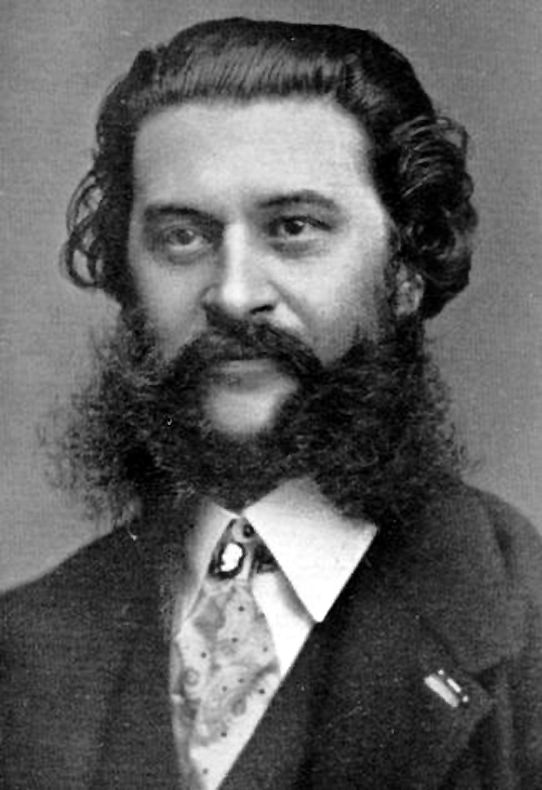
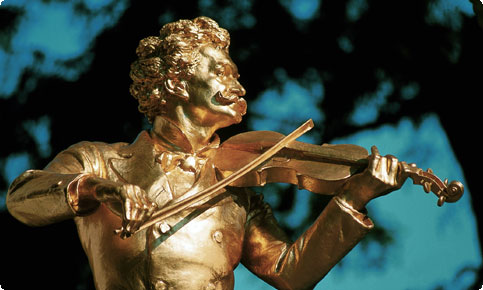
JOHANN  STRAUSSJohann_Strauss_II

Johann Strauss II (October 25, 1825 – June 3, 1899;

 German: Johann Baptist Strauß; also known as Johann Baptist Strauss, Johann Strauss, Jr., or Johann Strauss the Younger) was an Austrian composer of light music, particularly dance music and operettas. He composed over 500 waltzes, polkas, quadrilles, and other types of dance music, as well as several operettas and a ballet. In his lifetime, he was known as “The Waltz King”, and was largely responsible for the popularity of the waltz in Vienna during the 19th century.

Strauss was the son of Johann Strauss I, another composer of dance music. His father did not wish him to become a composer, but rather a banker; however, the son defied his father’s wishes, and went on to study music with the composer Joseph Drechsler and the violin with Anton Kollmann, the ballet répétiteur of the Vienna Court Opera. Strauss had two younger brothers, Josef and Eduard Strauss, who became composers of light music as well, although they were never as well-known as their elder brother.

Some of Johann Strauss’s most famous works include the waltzes The Blue Danube, Kaiser-Walzer, Tales from the Vienna Woods, the Tritsch-Tratsch-Polka, and the Pizzicato Polka. Among his operettas, Die Fledermaus and Der Zigeunerbaron are the most well-known.

Strauss Jr. eventually surpassed his father’s fame, and became one of the most popular of waltz composers of the era, extensively touring Austria, Poland, and Germany with his orchestra. He applied for the KK Hofballmusikdirektor Music Director of the Royal Court Balls position, which he eventually attained in 1863, after being denied several times before for his frequent brushes with the local authorities.

In 1853, due to constant mental and physical demands, Strauss suffered a nervous breakdown. He took a seven-week vacation in the countryside in the summer of that year, on the advice of doctors. Johann’s younger brother Josef was persuaded by his family to abandon his career as an engineer and take command of Johann’s orchestra in the absence of the latter.

In 1855, Strauss accepted commissions from the management of the Tsarskoye-Selo Railway Company of St. Petersburg to play in Russia for the Vauxhall Pavilion at Pavlovsk in 1856. He would later return to perform in Russia for every year until 1865.

Later, in the 1870s, Strauss and his orchestra toured the United States, where he took part in the Boston Festival at the invitation of bandmaster Patrick Gilmore and was the lead conductor in a ‘Monster Concert’ of over 1000 performers, performing his “Blue Danube” waltz, amongst other pieces, to great acclaim.

460px-Donauwalzer

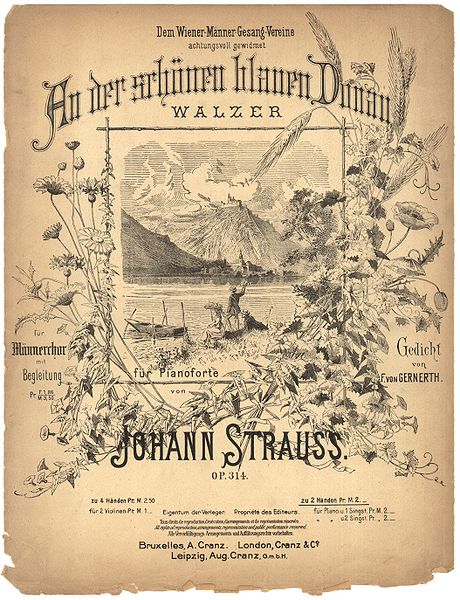
The Blue Danube is the common English title of An der schönen blauen Donau op. 314 (On the Beautiful Blue Danube), a waltz by Johann Strauss II, composed in 1866. Originally performed 13 February 1867 at a concert of the Wiener Männergesangsverein (Vienna Men’s Choral Association), it has been one of the most consistently popular pieces of music in the classical repertoire. Its initial performance was only a mild success, however, and Strauss is reputed to have said “The devil take the waltz, my only regret is for the coda—I wish that had been a success!”

After the original music was written, the words were added by the Choral Association’s poet, Joseph Weyl. Strauss later added more music, and Weyl needed to change some of the words. Strauss adapted it into a purely orchestral version for the World’s Fair in Paris that same year, and it became a great success in this form. The instrumental version is by far the most commonly performed today. An alternate text by Franz von Gernerth, Donau so blau (Danube so blue), is also used on occasion.

The sentimental Viennese connotations of the piece have made it into a sort of unofficial Austrian national anthem. It is a traditional encore piece at the annual Vienna New Year’s Concert. The first few bars are also the interval signal of Osterreich Rundfunk’s overseas programs.

It is reported by composer Norman Lloyd in his “Golden Encyclopedia of Music” that when asked by Frau Strauss for an autograph, the composer Johannes Brahms autographed Mrs. Strauss’s fan by writing on it the first few bars of the Blue Danube. Under it he wrote “Unfortunately not by Johannes Brahms”.

The lives of the Strauss dynasty members and their world-renowned craft of composing Viennese waltzes are also briefly documented in several television adaptations, such as The Strauss Dynasty (1991)and Strauss, the King of 3/4 Time (1995).Many other films used his works and melodies, and several films have been based upon the life of the musician, the most famous of which is called The Great Waltz (1938). Alfred Hitchcock made a low-budget biopic of Strauss in 1933 called Waltzes from Vienna. After a trip to Vienna, Walt Disney was inspired to create four feature films. One of those was “The Waltz King”, a loosely adapted biopic of Johann Strauss, which aired as part of the Wonderful World of Disney in the U.S. in 1963.

strauss

http://www.johann-strauss.org.uk/

http://bobjanuary.com/johann2.htm

MEN’S FASHION 1920

1933%20oxford%20bags

During World War I.

Men returning from the war faced closets full of clothes from the teens, which they wore into the early 1920s.

During this time, which had been popular since the mid eighteen-hundreds, constituted appropriate “day” dress for gentlemen. (Edwardian etiquette commanded successive changes of clothing for gentlemen during the day.)  With the suits, colored shirts of putty, peach, blue-gray and cedar were worn.  Shaped silk ties in small geometric patterns or diagonal stripes were secured with tie pins.

The tail coat was considered appropriate formal evening wear, accompanied by a top hat. Starched white shirts with pleated yokes were expected with the tail coat, although bow ties and shirts with white wing collars were also seen.

Black patent-leather shoes  often appeared with formal evening wear. Lace-up style shoes were most in demand. Gentleman’s shoes or boots were the appropriate footwear to coordinate with knickers.Casual clothing demanded two-tone shoes in white and tan, or white and black.

250px-Douglas_Fairbanks_and_Mary_Pickford_02

Knickerbockers, later shortened to “knickers”, were popular casual wear for the well-dressed gentleman.  Variations of knickers included plus-fours, plus- sixes, plus-eights and plus-tens.  The “plus” in the term referred to how many inches below the knee they hung.  Norfolk coats as well as golf coats were worn with knickers.  The coats sported large patch pockets, a belt, usually one button and often a shoulder yoke.

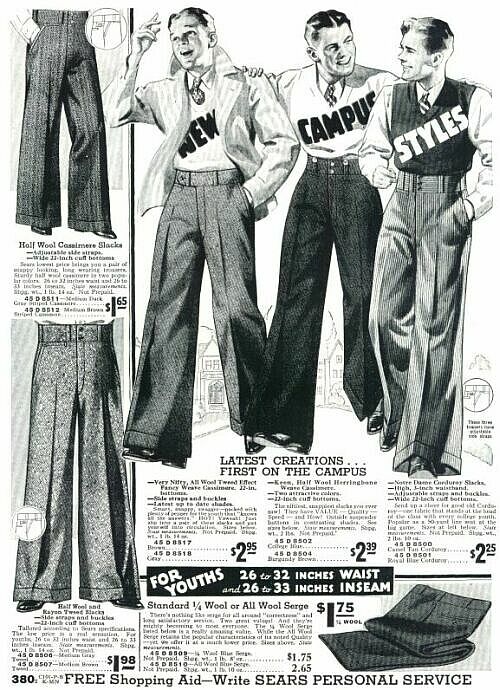
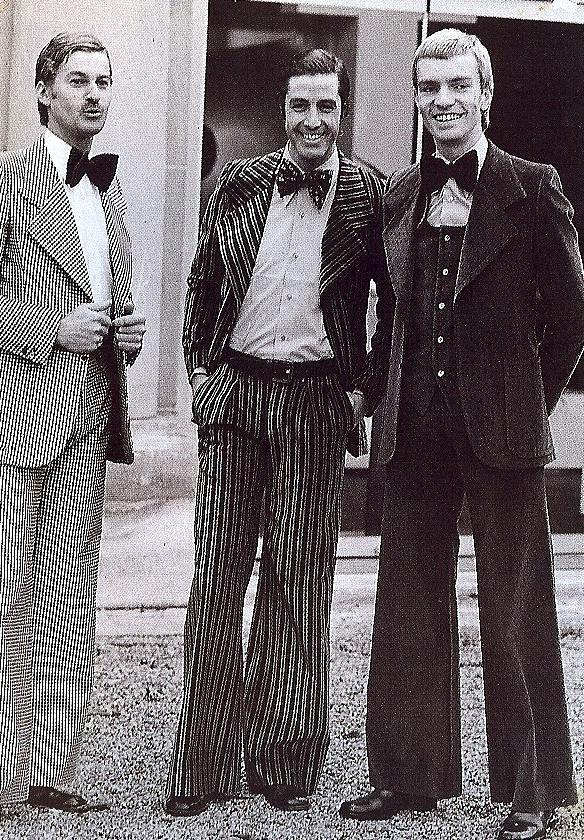
In 1925 the era of the baggy pants dawned.  This fashion would influence men wear for three decades.  Oxford bags were first worn by Oxford undergraduates, eager to circumvent the University’s prohibition on knickers.  The style originated when knickers were banned in the classroom.  As the bags measured anywhere from twenty-two inches to forty inches around the bottoms, they could easily be slipped on over the forbidden knickers.

fashionpierrecardinhy7

John Wanamaker introduced Oxford bags to the American public in the spring of 1925, although Ivy League students visiting Oxford in 1924 had already adopted the style.  The trousers were originally made of flannel and appeared in shades of biscuit, silver gray, fawn, lo-vat, blue gray, and pearl gray.

Jazz clothing passed quickly in and out of fashion during the twenties.  These tightly-fitting suits were considered an expression of passion for jazz music. Jackets were long and tight with long back vents.  The buttons were placed close together whether the jackets were double or single breasted. Trousers were tight and stove-pipe skinny.

Tweed cloth became popular at this time.  The word “tweed” is an English variant of the Scottish word “tweel”, itself a variation of “twill”.  Tweel refers to hand-woven wool fabric from the Scottish highlands and islands. Historians differ on whether tweed originated in the highlands or the south of Scotland.  The name became associated with the Tweed River which forms part of the boundary between England and Scotland.  Tweed eventually became the general term for all carded “homespun” wool, whether it was Scotch tweed, Irish tweed, Donegal tweed, Cheviot tweed or Harris tweed.

Flannel was the other popular fabric of the era.  The word flannel may be derived from the Welsh word “gwalnen”, meaning woolen cloth.  Flannel was originally made as a heavy, comfortable, soft and slightly napped wool cloth. Gray was the most popular color, and thus gray flannel trousers became known as “grayers”.  Other popular colors were white, beige and stripes.  Flannel trousers were traditionally worn in warm weather.

While Paris was unmistakably the world seat of women fashion, for men, it was London.  Tailors in France weren’t quick to admit the fact, however, all men fashion magazines featured styles and trends from London.  During the decade of the twenties, students at Oxford and Cambridge violated – for the first time ever – the Edwardian practice of different types of dress for different times of the day.  The students wore flannel trousers and soft collars all day.  When the English empire stood intact, it was easy for London to dictate men fashion.

The crash of the American stock market on October 24, 1929, marked a change in the worldwide economic situation that had a drastic effect on men clothing.

Written by Carol Nolan
Edited by Julie Williams

WOMEN’S FASHION 1920

1920-746791

Various social trends were at work during the 1920s. Historians have characterized the decade as a time of frivolity, abundance and happy-go-lucky attitudes. In 1920, women got the right to vote, and a year earlier, alcohol had become illegal. World War I had just ended. The 1920’s would mark the first youth revolution, long before the 1960’s.

1922_la_gazette_b

Young people were very indignant after World War I, and felt the older generation had just murdered millions of young boys. So they stopped obeying conventional rules and invented their own liberated culture: driving their own cars, and drinking, and petting with people they weren’t married to. And, for the first time in history, older women started copying younger women. In the late 19th Century, younger women wanted to look like grownups. Now, for the first time, everyone wanted the thinness and relative bosomlessness of early adolescence. People felt free-spirited and wanted to have fun. As a result, fashions became less formal. The biggest phenomenom of the 1920’s was the worship of youth.

1920s inspired vintage

The feminine liberation movement had a strong effect on women’s fashions. Most importantly, the corset was discarded! For the first time in centuries, women’s legs were seen. Women wanted to be “smarty” and/or freewheeling. Talking about Freud and sex were signs of hipness. Young men, “the flaming youth,” wore raccoon coats and drove around in old used Model Ts. Black-influenced jazz music and dance styles (ie. the Charleston and the Black Bottom) captivated white youth to the dismay of their parents. Dating, as we know it today, was invented in the 1920s. Previously, boys had to be courting a girl, they had to be committed, and girls had to be engaged to them in order to go out with them. The unchaperoned date was something new. Dating permitted people to see each other, and discover each other without having to proclaime an intent to marry. When flappers and flaming youth got together, the results was explosive. Petting was a popular and well received pastime for the youth. It allowed a girl to have erotic interaction without endangering herself with an unwanted or out of wedlock child. Petting could mean kisses or fondling, but it stopped just short of intercourse, and while parents equated petting with fornication, teenagers did not, and their peer group would still accept them and respect them. Intimacy and eroticism was explored. “Petting Parties,” where eager, youthful hands explored the nether regions of the opposite sex, was standard college entertainment. “Billing and cooing” (that is, to “bill and coo”) was to whisper sweet nothings while “making whoopee.”

1920s style fashion

The flapper was the heroine of the Jazz Age. She was the culmination of all the trends of the 20’s. With short hair and a short skirt, rolled hose and powdered knees – the flapper must have seemed like a rebel to her mother (the gentle Gibson girl of an earlier generation). No longer confined to home and tradition, the typical flapper was a young women who was often thought of as a little fast and maybe even a little brazen. She defied conventions of acceptable feminine behavior. The flapper was “modern.” Traditionally, women’s hair had always been worn long. The flapper wore it short, or bobbed. She used make-up (which she might well apply in public). She wore baggy dresses which often exposed her arms as well as her legs from the knees down. Strings of pearls trail from her shoulder or are knotted at the neck and thrown over the right shoulder or under the arm. Silver bracelets are worn on her upper arm. Flappers did more than symbolize a revolution in fashion and mores  they embodied the modern spirit of the Jazz Age.louise_20brooks

1920s fashion, though, was about so much more than fringed flapper dresses and feathered headbands, the cliche that many people associate with the era. As with every decade, the ’20s had its fads as well as its classics, a few of which live on today. It was a romantic era for fashion, which is why people look back at this era with great fondness and still emulate its style. The era set the standard for the modern concept of beauty. The modern supermodel’s figure, is — itself  modeled after the 1920’s ideal of a woman’s figure (that of a thin pre-pubesent girl on the verge of puberty). The central phenomenom of the era was the worship of youth. For the first time in history, older women started copying younger women.1920

The pre-pubesent girl look became popular, including flattened breasts and hips, and bobbed hair. Fashions turn to the “little girl look” in “little girl frocks”: curled or shingled hair, saucer eyes, the turned-up nose, bee-stung mouth, and de-emphasized eyebrows, which emphasize facial beauty. Shirt dresses have huge Peter Pan collars or floppy bow ties and are worn with ankle-strap shoes with Cuban heels and an occasional buckle. Under wear is fashionable in both light colors and black, and is decorated with flowers and butterflies. With the cult of youth and the new spirit of equality come the camisole knickers; also fashionable is no underwear at all. Along with the rage for drastic slimming, women still strive to flatten their breasts and de-emphasize their hips. The cult of the tan begins; lotions to prevent burning and promote tanning appear on the market. Skin stains are also manufactured, as well as moisturizers, tonics, cream rouges, eye shadows, and more varied lipstick shades.

In the 1920s, a lot of clothing was still made at home or by tailors and dressmakers. The brand-name, ready-to-wear industry didn’t really exist until the 1930s, however some ready-made clothing was available from department stores and mail-order catalogs. Several magazines devoted to sewing were sources for patterns, transfers and appliques by mail. However, improved production methods enabled manufacturers to easily produce clothing affordable to working families. Because of this, the average person’s fashion sense became more sophisticated.

1920dresses


In 1923, the boyish bobbed hair transforms into the shingle cut, flat and close to the head, with a center or side part. A single curl at each ear is pulled forward onto the face. New felt cloche hats appear with little or no decoration in colors that match the day’s dress. Hats are pulled down to the eyes, and their brims are turned up in the front or back. In clothing, the straight line still emphasized the pre-pubesent look, but fabrics are now embroidered, striped, printed, and painted, influenced by Chinese, Russian, Japanese, and Egyptian art. Oriental fringed scarves, slave bangles, and long earrings were set off. Artificial silk stockings, later called rayon, are stronger and less expensive that real silk ones, although they are shiny. The new seamless stocking, despite its wrinkling, also makes the leg look naked. At bedtime, girls wear pajama bottoms, halter tops, and boudoir cape to protect their new hairdos.

By 1926, women were wearing skirts, shortest of the decade, stopping just below the knee with flouncing pleats; they are worn with horizontal-striped sweaters and long necklaces. Short and colorful evening dresses have elaborate embroidery, fringes, futuristic designs, beads, and appliques. The cocktail dress is born. The new sex appeal extends from the bee-stung mouth and tousled hair to a new focus on legs, with silk stocking rolled around garters at rouged knees. The “debutante slouch” emerges: hips thrown forward, as the woman grips a cigarette holder between her teeth. Mothers and daughters are flappers, many nearly nude beneath the new, lighter clothing.

Daywear
There were two important ethnic influences on the fabric and prints of the 1920s. One was a Chinese influence, with kimono-styling, embroidered silks, and the color red. The discovery of King Tut’s tomb brought a rash of Egyptian fashion and and accessories, including snake bracelets that encircled the upper arm. Small floral and geometric prints were prevalent throughout the decade, especially toward the latter half.

chettab

Evening Wear
Contrary to popular belief, women didn’t always wear fringed flapper dresses with feathered bandeaux and a long strand of beads. There were many other styles of evening dresses.

300_195685


 Chanel-Vintage-255-Quilted-Bag_10211_front_large

Evening clothes were made of luxurious fabrics — mostly silks — in velvets, taffetas and chiffon. In the mid-1920s, sleeveless silk chiffon dresses were were often embellished with elaborate beadwork. Dresses were designed to move while dancing. Some had long trailing sashes, trains or asymmetric hemlines. Typically, women did not wear hats for evening, but instead wore fancy combs, scarves and bandeaux.

shoe 1920


BAUHAUS & MUSIC

sombra__421x242

The Bauhaus was initially supported and funded by the Weimar Government, but in 1925, the support was withdrawn and the School moved to Dessau. In Dessau, the Bauhaus used many of its ‘modernist’ principles to design functional housing for the Government. In 1932, the Bauhaus moved to Berlin. Bauhaus was a front due to the numbers of Russian artists, including Kandinsky, who were a part of the Bauhaus. In 1933, in accordance with other acts to shut down all non-Aryan forms of artistic expression, the Bauhaus was closed. This was the same year than many Jewish Professors and Directors were removed from University Positions and Government appointments in the arts, including the Opera and Symphony houses and Museums.

3904

The Bauhaus, Arts, flourished, and its influence in design and building are still felt: it was a major moving force behind design and concept in ‘pop’ art of the 1950s and ’60s, and influenced the design of furniture and even utensils in the ‘modern’ styles which are designed to be aesthetically pleasing and utterly streamlined in function. (the computer lingo of ‘user-friendly’ would be appropriate.) Those who founded and influenced the Bauhaus continued in their own right. Kandinsky greatly influenced a form of expressionism called, “Der Blaue Reiter (The Blue Rider)” , Klee went onto become an internationally respected painter and muralist, and Gropius’s influence in architecture was felt into the 60s in the United States. Hitler was able to stop the ‘institution’ of the Bauhaus, but his censorship probably only served to further the Bauhaus Concept and Influence, as many rallied to its cause, in support of Artistic Freedom.

comp4640

 REFERENCES & LINKS

The Bauhaus Museum
The Bauhaus
Der Blaue-Reiter: The Blue Rider School
Kandinsky GermanCulture.com: Bauhaus

When Gropius founded the Bauhaus, a School for Art, Design, and Architecture, he wanted to create an environment of experimentation and synthesis. The Bauhaus represented both a school and place, where Art, Form, Music and Design were to be seen in juxtaposition to one another, in what we now refer to as a ‘holistic’ approach. The Bauhaus gave free reign also to the school of Expressionism and others such as Dadaism and Cubism. Artists such as Klee, Dix and Klindinsky sought to incorporate in new art forms, classical and contemporary music, mysticism and religious beliefs and for some like Klindinsky, occultism in the form of Theosophy;The Bauhaus offered one common unique agenda: that form in art was not fixed, and that ideas were as central to art as technique: this central principle encompassed the arts in their fullness and was applied to every discipline from architecture to sculpture, although the combination of craftsman and artist particulary in Architecture remained its central focus.

The Bauhaus was initially supported and funded by the Weimar Government, but in 1925, the support was withdrawn and the School moved to Dessau. In Dessau, the Bauhaus used many of its ‘modernist’ principles to design functional housing for the Government. In 1933, in accordance with other acts to shut down all non-Aryan forms of artistic expression, the Bauhaus was closed. This was the same year than many Professors and Directors were removed from University Positions and Government appointments in the arts, including the Opera and Symphony houses and Museums.

The  Arts, flourished, and its influence in design and building are still felt: it was a major moving force behind design and concept in ‘pop’ art of the 1950s and ’60s, and influenced the design of furniture and even utensils in the ‘modern’ styles which are designed to be aesthetically pleasing and utterly streamlined in function. (the computer lingo of ‘user-friendly’ would be appropriate.) Those who founded and influenced the Bauhaus continued in their own right. Kandinsky greatly influenced a form of expressionism called, “Der Blaue Reiter (The Blue Rider)” , Klee went onto become an internationally respected painter and muralist, and Gropius’s influence in architecture was felt into the 60s in the United States.

www.musicara.de

RISING POWERS


B R I C

In economics, BRIC or BRICs is an acronym that refers to the fast growing developing economies of Brazil, Russia, India, and China. The acronym was first coined and prominently used by Goldman Sachs in 2001.Goldman Sachs argued that, since they are developing rapidly, by 2050 the combined economies of the BRICs could eclipse the combined economies of the current richest countries of the world.

Goldman Sachs did not argue that the BRICs would organize themselves into an economic bloc, or a formal trading association, like the European Union has done.However, there are strong indications that the “four BRIC countries have been seeking to form a “political club” or “alliance”, and thereby converting “their growing economic power into greater geopolitical clout”. One of the recent indications was from a BRIC Summit meeting in 2008, in the Russian city of Yekaterinburg between the foreign ministers of the BRIC countries. Also in his Latin America trip Russian President Dmitry Medvedev, while visiting Brazil, met with Brazilian President Luiz Inácio Lula da Silva and agreed to visa-free travel. Medvedev has also recently made a trip to New Delhi, India to meet with Indian President Prathiba Patil and Prime Minister Manmohan Singh to discuss a nuclear deal as well as agreeing to cooperate in the spheres of finance and financial security, tourism, culture and fighting drug trafficking.

BRIC (Portuguese)

BRIC é um acrônimo criado em novembro de 2001 pelo economista Jim O’Neill, do grupo Goldman Sachs, criou o termo para designar os 4 (quatro) principais países emergentes do mundo, a saber: Brasil, Rússia, Índia e China no relatório “Building Better Global Economic Brics”. Usando as últimas projeções demográficas e modelos de acumulação de capital e crescimento de produtividade, o grupo Goldman Sachs mapeou as economias dos países BRICs até 2050. Especula-se que esses países poderão se tornar a maior força na economia mundial.

Se os resultados ocorrerem como esperado em menos de 40 anos as economias BRICs juntas poderão ser maiores que as dos G6 (Estados Unidos da América, Japão, Alemanha, Reino Unido, França e Itália) em termos de dólar americano (US$).

O estudo ressalta que cada um dos quatro enfrenta desafios diferentes para manter o crescimento na faixa desejável. Por isso, existe uma boa chance de as previsões não se concretizarem, por políticas ruins, simplesmente má sorte, ou por erro nas projeções.

Mas se os BRICs chegarem pelo menos próximos das previsões, as implicações na economia mundial serão grandes. A importância relativa dos BRICs como usina de novas demandas de crescimento e poder de gasto pode mudar mais sensível e rapidamente do que se imagina a economia mundial.

De acordo com o estudo, o grupo possuirá mais de 40% da população mundial e juntos terão um PIB de mais de 85 trilhões de dólares (US$). Esses quatro países não formam um bloco político (como a União Europeia), nem uma aliança de comércio formal (como o Mercosul e ALCA) e muito menos uma aliança militar (como a OTAN), mas formam uma aliança através de vários tratados de comércio e cooperação assinados em 2002 para alavancar seus crescimentos.

Participação dos Países

Economia dos BRICs em relação às dos G6
Relação da projeção do PIB e PIB per capita dos países BRICs e G6 até 2050.
Dentro dos BRICs haveria uma clara divisão de funções. Ao Brasil e à Rússia ficaria o papel de produtor de alimentos e produtor de petróleo respectivamente. Ambos seriam também fornecedores de matéria prima.

Os negócios de serviços e de manufatura estariam principalmente localizados na Índia e China, devido à concentração de mão-de-obra naquele e tecnologia neste.

The BRIC thesis

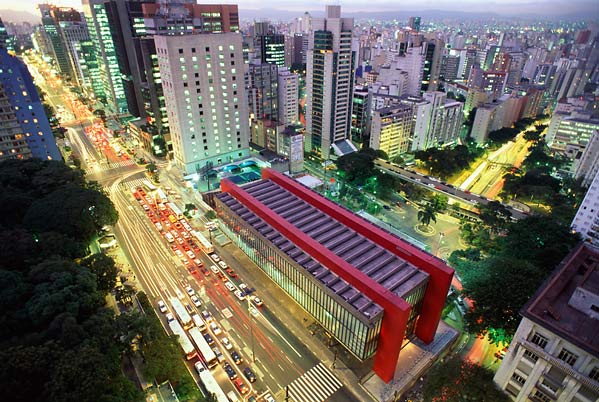
SAO PAULO

RIO DE JANEIRO
Rio de Janeiro, Brazil.

Goldman Sachs argues that the economic potential of Brazil, Russia, India, and China is such that they may become among the four most dominant economies by the year 2050. The thesis was proposed by Jim O’Neill, global economist at Goldman Sachs. These countries encompass over twenty-five percent of the world’s land coverage, forty percent of the world’s population and hold a combined GDP (PPP) of 15.435 trillion dollars. On almost every scale, they would be the largest entity on the global stage. These four countries are among the biggest and fastest growing Emerging Markets.

However, it is important to note that it is not the intent of Goldman Sachs to argue that these four countries are a political alliance (such as the European Union) or any formal trading association, like ASEAN. Nevertheless, they have taken steps to increase their political cooperation, mainly as a way of influencing the United States position on major trade accords, or, through the implicit threat of political cooperation, as a way of extracting political concessions from the United States, such as the proposed nuclear cooperation with India.


(2003) Dreaming with BRICs: The Path to 2050

The BRIC thesis (defended in the paper Dreaming with BRICs: The Path to 2050) recognizes that Brazil, Russia, India and China have changed their political systems to embrace global capitalism. Goldman Sachs predicts China and India, respectively, to be the dominant global suppliers of manufactured goods and services while Brazil and Russia would become similarly dominant as suppliers of raw materials. Cooperation is thus hypothesized to be a logical next step among the BRICs because Brazil and Russia together form the logical commodity suppliers to India and China. Thus, the BRICs have the potential to form a powerful economic bloc to the exclusion of the modern-day states currently of “Group of Eight” status. Brazil is dominant in soy and iron ore while Russia has enormous supplies of oil and natural gas. Goldman Sachs’ thesis thus documents how commodities, work, technology, and companies have diffused outward from the United States across the world. Following the end of the Cold War or even before, the governments comprising BRIC all initiated economic or political reforms to allow their countries to enter the world economy. In order to compete, these countries have simultaneously stressed education, foreign investment, domestic consumption, and domestic entrepreneurship. According to the study, India has the potential to grow the fastest among the four BRIC countries over the next 30 to 50 years. A major reason for this is that the decline in working age population will happen later for India and Brazil than for Russia and China.


 (2004) Follow-up report

CHINA

The Goldman Sachs global economics team released a follow-up report to its initial BRIC study in 2004. The report states that in BRIC nations, the number of people with an annual income over a threshold of $3,000, will double in number within three years and reach 800 million people within a decade. This predicts a massive rise in the size of the middle class in these nations. In 2025, it is calculated that the number of people in BRIC nations earning over $15,000 may reach over 200 million. This indicates that a huge pickup in demand will not be restricted to basic goods but impact higher-priced goods as well. According to the report, first China and then a decade later India will begin to dominate the world economy. Yet despite the balance of growth, swinging so decisively towards the BRIC economies, the average wealth level of individuals in the more advanced economies will continue to far outstrip the BRIC economy average. Goldman Sachs estimates that by 2025 the income per capita in the six most populous EU countries will exceed $35,000, whereas only about 500 million people in the BRIC economies will have similar income levels.

The report also highlights India‘s great inefficiency in energy use and mentions the dramatic under-representation of these economies in the global capital markets. The report also emphasizes the enormous populations that exist within the BRIC nations, which makes it relatively easy for their aggregate wealth to eclipse the G6, while per-capita income levels remain far below the norm of today’s industrialized countries. This phenomenon, too, will affect world markets as multinational corporations will attempt to take advantage of the enormous potential markets in the BRICs by producing, for example, far cheaper automobiles and other manufactured goods affordable to the consumers within the BRICs in lieu of the luxury models that currently bring the most income to automobile manufactures. India and China have already started making their presence felt in the service and manufacturing sector respectively in the global arena. Developed economies of the world have already taken a serious note of the fact.


 (2007) Second Follow-up report

This report compiled by lead authors Tushar Poddar and Eva Yi gives insight into “India’s Rising Growth Potential”. It reveals updated projection figures attributed to the rising growth trends in India over the last four years. Goldman Sachs assert that “India’s influence on the world economy will be bigger and quicker than implied in our previously published BRICs research”. They noted significant areas of research and development, and expansion that is happening in the country, which will lead to the prosperity of the growing middle-class.

“India has 10 of the 30 fastest-growing urban areas in the world and, based on current trends, we estimate a massive 700 million people will move to cities by 2050. This will have significant implications for demand for urban infrastructure, real estate, and services.”

In the revised 2007 figures, based on increased and sustaining growth, more inflows into foreign direct investment, Goldman Sachs predicts that “from 2007 to 2020, India’s GDP per capita in US$ terms will quadruple”, and that the Indian economy will surpass the United States (in US$) by 2043. It states that the four nations as a group will overtake the G7 in 2032.

 Atualmente   (Portuguese)

Os BRIC, apesar de ainda não serem as maiores economias mundiais, já exercem grande influência, o que pode ser presenciado claramente na reunião da OMC em 2005, onde os países em desenvolvimento liderados por Brasil e Índia juntaram-se a países subdesenvolvidos para impor a retirada dos subsídios governamentais na União Européia e os Estados Unidos e a redução nas tarifas de importação e comércio nos mesmos. Alavancando assim o crescimento dos “BRICs” e outros países afetados pela pobreza.

Rússia, Índia e China já são superpotências militares, ao contrário do Brasil que ainda não apresentou momentos históricos necessários para uma corrida armamentista. Todos eles estão em processo de desenvolvimento político e econômico para se adequarem aos demais países desenvolvidos.

No futuro

Em 2050, os BRICs já seriam as maiores potências econômicas do mundo; ultrapassando assim a União Européia e o ainda em crescimento Estados Unidos da América. Se formado um bloco econômico, seria uma parceria perfeita para o sucesso extremo e a onipotência mundial.

O Brasil desempenharia o papel de país exportador agropecuário, tendo como principais produtos a soja e a carne bovina. Tudo isso seria necessário para alimentar mais de 40% da população mundial. A cana-de-açúcar também desempenharia papel fundamental na produção de combustíveis renováveis e ecologicamente corretos, como o álcool e a recente atração, o biodiesel. Além de fornecer matérias-primas essenciais a países em desenvolvimento, como o petróleo, o aço e o alumínio, que também são encontrados nos parceiros latinos, fortemente influenciados pelo Brasil, como Argentina, Venezuela, Paraguai, Uruguai e Bolívia, através do Mercosul. Mas talvez o mais importante papel do Brasil estaria em suas reservas naturais de água, na fauna e na flora, ímpares em todo o mundo, que em breve ocuparão o lugar do petróleo na lista de desejos dos líderes políticos de todos os países. O Brasil ficaria em 5º lugar no ranking das maiores economias do mundo em 2050.

A Rússia desempenharia papel parecido ao do Brasil, fornecendo matéria-prima e abasteceria a grande população dos BRICs com sua grande produção agropecuária devido à seu extenso território. Mas teria também como papel a exportação de mão-de-obra altamente qualificada e tecnologia de ponta herdadas da Guerra Fria. Além de todo seu poderio militar. Sem contar o fato de que a Rússia continuaria a ser uma importante fornecedora de hidrocarbonetos para o mundo.

A Índia terá a maior média de crescimento entre os BRICs e estima-se que em 2050 esteja no 3º lugar no ranking das economias mundiais, atrás apenas de China (em 1º) e EUA (em 2º). Com sua grande população, a indústria ficaria situada neste país, e também por ter grandes investimentos na profissionalização de sua população e investimentos em tecnologia, além de toda sua tradição nas ciências exatas. Com também grande poderio militar.

Estima-se que a China seja em 2050 a maior economia mundial, tendo como base seu acelerado crescimento econômico sustentado durante todo início do século XXI. Terá grande concentração de indústria devido à sua população e tecnologia. Também com grande poderio militar. A China se encontra atualmente num processo de transição do capitalismo de Estado para o capitalismo de mercado que já deverá estar completo em 2050, mas ainda não se sabe se o governo irá continuar totalitarista ou se a China irá evoluir completamente para um país democrático aos moldes ocidentais impostos pelos Estados Unidos após a Guerra Fria.

Nada se sabe ao certo sobre o futuro dos BRICs, pois todos os países estão vulneráveis a conflitos internos, governos corruptos e revoluções populares, mas se nada de anormal acontecer iremos presenciar o início de uma era totalmente diferente de tudo que já aconteceu ao decorrer da história das nações. O início de um mundo totalmente apolarizado, onde desapareceria por completo a idéia de “norte rico, sul pobre”. Onde todos os países se contrabalançariam. Juntos, os BRICs teriam um poder inigualável, comandados pelo dragão chinês. E quem sabe o início de uma revolução dos países africanos a fim de finalmente renascerem perante o mundo e o início de uma unificação mundial, a verdadeira globalização.

Finalmente, por conta da popularidade da teoria do banco Goldman Sachs, cogita-se ainda outras siglas, como BRIMC (Brasil, Rússia, Índia, México e China) e BRICS (Brasil, Rússia, Índia, China e África do Sul), incluindo México e África do Sul como nações com igual potencial de crescimento nas próximas décadas.

 http://risingpowers.stanleyfoundation.org/

http://www.foreignpolicy.com/story/cms.php?story_

http://risingpowers.foreignpolicyblogs.com/

MIKHAIL PROKHOROV

prokhorov1

Mikhail Prokhorov (born May 3, 1965) is a Russian self-made billionaire and oligarch. He made his name in the financial sector and went on to become one of Russia’s leading industrialists in the precious metals sector. He is the former chairman of Norilsk Nickel, the world’s largest producer of nickel and palladium, and the current chairman of Polyus Gold, Russia’s largest gold producer.

In May 2007, Prokohorov launched a $17 billion private investment fund, Onexim Group, focused on the development of nanotechnology, including hydrogen fuel cells, as well as other high-technology projects and non-ferrous and precious metals mining. One of the key areas of development is the production of materials with ultra–tiny structures used in energy generation and medicine.

In June 2007, Russian Prime Minister Mikhail Fradkov announced the formation of the Government Council for Nanotechnology, to oversee the development of nanotechnology in the country. Prokhorov was one of 15 individuals appointed to the council, which will be chaired by Russian First Deputy Prime Minister Sergei Ivanov.

Mikhail Prokhorov’s net worth is currently estimated at $19.5 billion, making him the 24th richest man in the world according to Forbes magazine’s list of the World’s Richest People in 2008. Since then it has been estimated that the majority of his fortune was lost to the recent economic downturn. However, Prokhorov is currently the richest man in Russia and the 40th richest man in the world according to the 2009 Forbes list with an estimated fortune of $9.5 billion . If he lost 51% of his wealth within a year, he is the Russian oligarch who resisted the best to the financial crisis thanks to his sell of his Norilsk stake right before the meltdown. Most spectacularly, he had reportedly agreed to buy a villa in French Riviera from Brazilian philantropist Lily Safra for €400m but is in danger of losing a €39m deposit as he’s unable to afford to complete of the deal.

Early Life and Education

Mikhail Prokhorov was born on May 3, 1965, one of two children in the family. His father was a member of the Soviet sports committee and his mother was a scientist. His parents sent him to a language medium school in Moscow and then to the Moscow Financial Institute. In 1989, he graduated with a first class degree from the International Economic Relations Department of Moscow State Financial Institute. He also has an older sister named Irina.

In March 2004 he founded the Cultural Initiatives Foundation (The Mikhail Prokhorov Foundation), a charitable foundation; it is headed by Prokhorov’s elder sister Irina Prokhorova, prominent Russian publisher. He gives financial support to CSKA Moscow‘s basketball, hockey and football clubs, and is a member of the Supreme Council of the Sport Russia organisation.

In August 2006 he was awarded the Order of Friendship for his significant contribution to the growth of Russia’s economic potential, when the President of the Russian Federation, Vladimir Putin, signed an order for the granting of state honours on August 18, 2006.

MIKHAIL

Mikhail Prokhorov.


Energy

With global populations growing at a rapid rate, energy security is one of the greatest issues facing the world today. The future will rely on traditional forms of energy as well as “new” sources, such as wind, solar and hydrogen power.

Fuel Cells

In Russia today there is an understanding that our resources are not infinite. There is also a growing realization we need to redouble our focus and investment in new technology in order to address current environmental challenges.

On Charity

Pure charity – helping those who are in a difficult situation, who seek care and protectorship – is a natural human need to do good. A successful businessman can prove himself in this activity as someone who has more power to help people.

The Mikhail Prokhorov Foundation is a Russian private charity established in 2004. It carries out nationwide and international activities, as well as local projects in the Krasnoyarsk region, the Urals, Siberia, the Russian Far East, and in the industrial area of Norilsk.

The long-term goal is to promote Russian culture and further its integration into global context. The Foundation’s concept is based on a broader notion of culture, its borders, and its social functions. This modern idea of culture determines the key activities of the Foundation, which include: initiatives in arts;science and education; development of mass media; urban environment; sports and public health.

The Foundation’s activities are based on the belief that a better life of the society is conditional upon its cultural level. Geographically, the Foundation tries to localise its activities to reflect the uniqueness and specific needs of communities concerned. This approach is especially valuable in today’s globalised world.

 Brief History of the Foundation

From 2004 till 2006, the Foundation operated exclusively in Norilsk and thus became the first charity in Russia to work systematically with one specific region.
Later it expanded it scope to include the whole of Krasnoyarsk Krai, the biggest Siberian region.
Since 2008, several competition projects have embraced the Urals, Siberia, and the Russian Far East.
Simultaneously, the Foundation supports unique nationwide and international projects aiming to incorporate Russian culture into the global context.

Its 2007 Annual Report was named the best report in the private foundations category of the 2nd Point of Reference competition sponsored by the Russian Public Chamber’s Commission for Development of Charity and NGO Legislation.

The Innovation Breakthrough

Mikhail Prokhorov’s speech during the 4th Annual National Business Congress 2 July 2008 on how to make the innovation breakthrough happen

http://prokhorovfund.ru/

LILY SAFRA

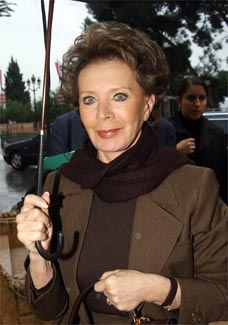
Lily Safra was born in 1938 in Porto Alegre, Brazil to a Czech father.Lily Safra is a Brazilian philanthropist and social figure. Born to an affluent family, she attained considerable wealth.

lily_safra

In 1976, she married Edmond Safra, a Brazilian-naturalized Jewish syrian banker. Their international lifestyle included homes in New York, London, Geneva and the French Riviera. The couple never had any children.

In 1999, Edmond Safra, a sufferer of Parkinson’s disease, perished from a criminal fire at their apartment in Monaco. Lily Safra survived, as she was saved from the fire by the police. An American nurse, Ted Maher, was arrested under suspicion of starting the fire, and was convicted of the crime in 2002. He claimed that he had started the fire to carry out a daring rescue, in order to increase his standing in the Safra family’s eyes, but that he lost control of the fire. The details of Mr Safra’s passing were discussed by media outlets including 60 Minutes and by Dominick Dunne in Vanity Fair; the incident also served as a basis for an episode of Law & Order.

PHILANTHROPHY

Edmond & Lily Sasfra Childrens Hospital

Edmond & Lily Safra Children’s Hospital

Mrs Safra is the Chairwoman of the Edmond J. Safra Philanthropic Foundation, which supports projects related to education, science and medicine, religion, culture, and humanitarian relief. Mrs. Safra shared her commitment to caring for the less fortunate with her husband, Mr. Edmond J. Safra, one of the twentieth century’s most accomplished bankers and founder of the Edmond J. Safra Philanthropic Foundation. Since 1999 she has chaired this Foundation, which supports hundreds of projects over 50 countries. She has initiated many educational projects in memory of her husband, including endowing the Edmond J. Safra Center for Ethics at Harvard University. A long and distinguished relationship with the Hebrew University of Jerusalem led to the naming of the Edmond J. Safra Campus.

Mrs. Safra is Honorary Chairman of the International Sephardic Education Foundation (ISEF), which she established with her husband in 1977. ISEF is the largest non-profit organization promoting higher education for gifted Israelis from disadvantaged backgrounds. Since its founding, over 16,000 scholarships have been granted, including support for more than 1,000 MA and PhD students. She also supports the Lily Safra Internship Program at the Hadassah-Brandeis Institute at Brandeis University in Waltham, Massachusetts. The internship program takes place during the summer and allows six undergraduate and two graduate students to carry out research at the HBI.

Both personally and through the Foundation, she supports research into cancer, AIDS, multiple sclerosis, and neurodegenerative diseases,particularly Alzheimer’s and Parkinson’s, at hospitals and universities worldwide. Her awareness of the distress experienced by the families of those battling illnesses led her to construct the Family Lodge for patients and their families at the National Institutes of Health in Bethesda, Maryland. She and her husband built a cutting-edge children’s hospital in Tel Hashomer, outside of Tel Aviv, which treats thousands of Israeli and Palestinian children. She is a member of the Board of the Michael J. Fox Foundation for Parkinson’s Research and of the Foundation for the National Institutes of Health.

In addition to being a Trustee of New York’s Museum of Jewish Heritage and the Somerset House Arts Fund in London, Mrs. Safra is a member of the Chairman’s Council of the Museum of Modern Art and the Kennedy Center’s International Committee on the Arts. She supported the joint acquisition of Bill Viola’s “Five Angels of the Millennium” by the Centre Pompidou in Paris, the Tate Gallery in London, and the Whitney Museum in New York, and established the Edmond J. Safra Visiting Professorship at the National Gallery of Art in Washington. She is also significantly involved with the activities of London’s Courtauld Institute of Art, supporting curators and providing scholarships to outstanding art history students, in addition to having underwritten acclaimed exhibitions in the Institute’s Hermitage Rooms.

In the aftermath of Hurricane Katrina, Mrs. Safra was a lead supporter of the American Red Cross’s relief effort, and she was instrumental in helping Dillard University of New Orleans continue to offer classes in temporary locations and to rebuild for the Fall 2006 semester. For many years she has assisted numerous New York City community organizations,chiefly Henry Street Settlement, the New York Center for Children, the Children’s Health Fund, and God’s Love We Deliver.

HONORS

Lily Safra holds honorary doctorates from The Hebrew University of Jerusalem, Brandeis University, Tel Aviv University, and Imperial College London, and she is an Honorary Fellow of King’s College London and the Courtauld Institute of Art. The French Government accorded her the rank of Commandeur in the Ordre des Arts et des Lettres in 2004, and she was named Chevalier de la Légion d’honneur by President Jacques Chirac in 2005.

Visit : The Israel Museum, Jerusalem at : http://www.imj.org.il/

 Possibilities Emerge …

Possibilities emerge when we earnestly search for what is hindering our destiny to flow naturally.
There are times when it seems that we are going round and round in circles about the same situation and our horizon shows no perspective whatsoever.
Many times, we fail to perceive that we have become wearied of some situations and it is time for us to open up to new things.

We have a habit of creating standards and routines hindering new possibilities to appear… because standards and routines imprison us in an endless repetition of the same things.
There are countless things chaining us to the past, never allowing the present to happen, things that manifest themselves as soon as we open the door.
We are imprisoned by pain and fear… when they prevent us from even getting close to setting them free and achieve what is beyond.

We tie ourselves to what was good… but now it is in the past… this also keeps us from allowing new things to enter our lives…
Actually, if we would remember that we are only present when we are whole at those moments, then we would allow life to flow without tying ourselves to the concepts of “good” and “bad”…

Many times we are imprisoned even in the Light… to some special experience, from this or other lives that gratified, and that we keep trying to repeat now, without remembering that the Light is available when we are in the present time accessing all the possibilities as we sink into creative emptiness.
Trying to live the situations you had in the past, for the best that they may have been… only keeps us from other possibilities that can reveal even more precious experiences than those we have in our memory.
Haven’t you noticed how we repeat our daily routines and almost never remember that the day can be filled with different things… different experiences… different ways to practice things…

So many people say they want new things in their lives…but only accept what comes in old colors… because it gives an illusion of safety.
To really access what the Universe has for us… we must be willing to give up many things… and that may happen in a much gentler way than we think it could, when our choices are made in the present.
Be the Light… Be the shadow… let go … if this is holding you in some way, and open yourself to the countless possibilities that are present in the moments in which when we are whole… here and now
Then… a magic field opens up with ever more… and more… to be explored, leading us to discover that the Universe is unlimited in possibilities…


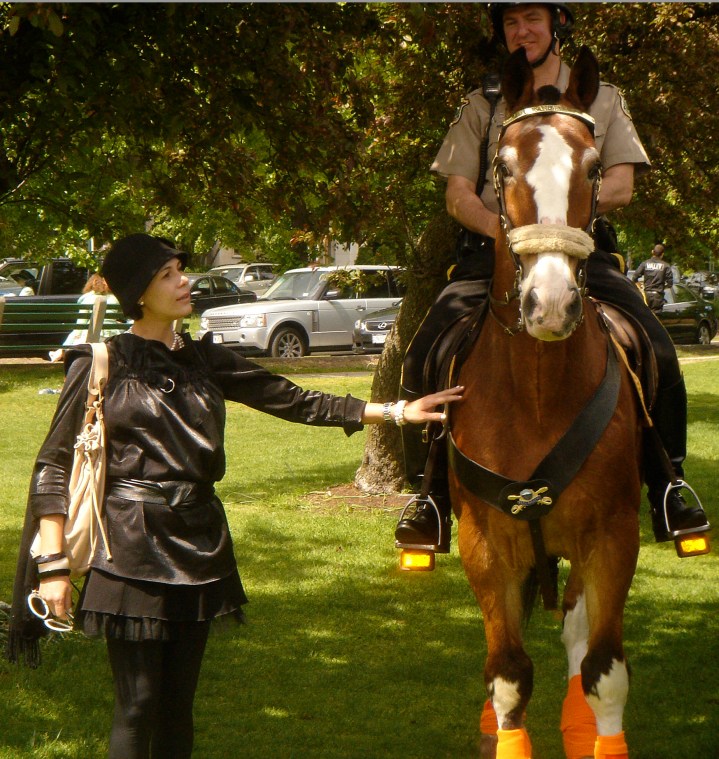
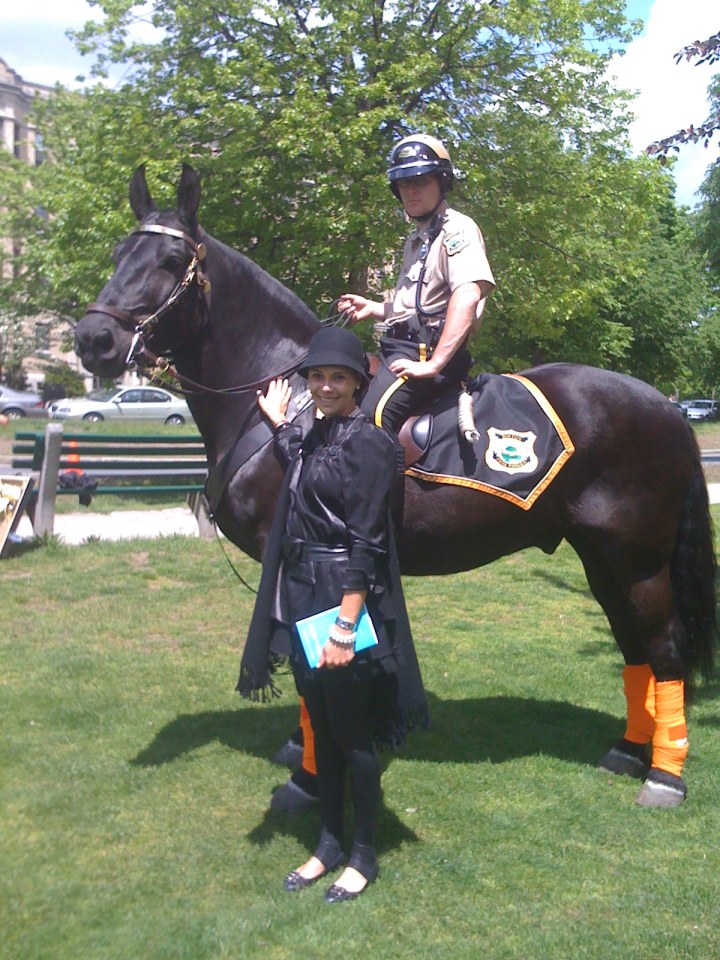
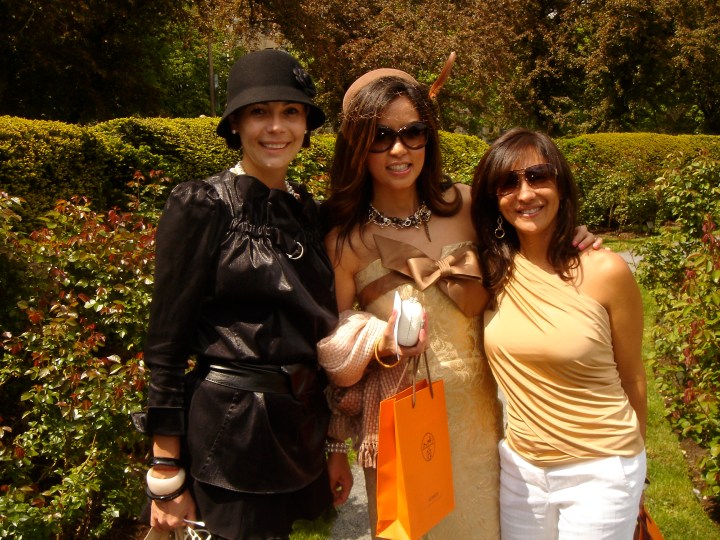
EMERALD NECKLACE PARTY

DSC08050_edited-2

DSC08056_edited-1

2009 05 13 003

DSC08054_edited-3DSC08063

Adriana Sassoon, Tonya Mezrick , Sinesia

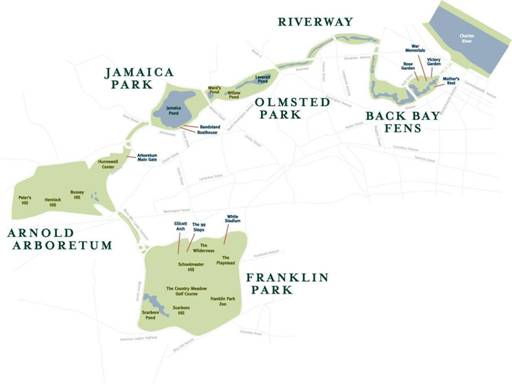
The Emerald Necklace Conservancy was created to protect, restore, maintain and promote the landscape, waterways and parkways of the Emerald Necklace park system as special places for people to visit and enjoy.

The Conservancy’s programs and funding support and complement initiatives by the Commonwealth of Massachusetts, City of Boston and Town of Brookline who began the Necklace’s restoration in the 1980s.

Riverway_2___

Our programs focus on:

  • parks restoration and maintenance
  • public education including presentations, exhibits and publications
  • constituency-building and park advocacy
  • volunteer and other activities which promote parks stewardship
  • improvement of public access to and through the park system, among other activities.

A public-private partnership, the Conservancy was formed in 1996 and incorporated in 1998 as a non-profit organization. Our organization brings together government, business, residential and institutional representatives, community leaders and organizations, and environmental and park advocates in support of the Olmsted legacy. President Julie Crockford and the staff work closely with the Board of Directors, the Park Overseers (representing all of the parks and friends groups within the Emerald Necklace), the Stewardship Council, and hundreds of volunteers to accomplish our mission.

Join us in the continued renewal of an historic landscape, and an environmental and cultural treasure that is:

  • a place to join together in celebration
  • a backyard for our children
  • a special wildlife habitat
  • a boost to our area’s economy
  • a source of serenity and renewal

Emerald_Necklace_Map___

Hopeline registration with the Boston Youth Fund is closed for the year, but students ages 15 – 17 that are interested in becoming members of the Green Team can still apply through the Emerald Necklace Conservancy.

Please see the Green Team page for more information about the 2008 program.

These are paid positions. You will be expected to work 25 hours a week and attend work every day of the program unless excused. Once again you must be between the ages of 15 and 17.

Interested applicants should contact Kate England at kengland@emeraldnecklace.org with your:

As well as a cover letter telling us about your interest in the environment and the Green Team.

Please feel free to contact Kate England at the Conservancy with any questions.

Kate England
891 Centre Street
Jamaica Plain, MA 02130
617-522-2700
kengland@emeraldnecklace.org

Green_Team_Group_Picture

WWW.EMERALDNECKLACE.ORG


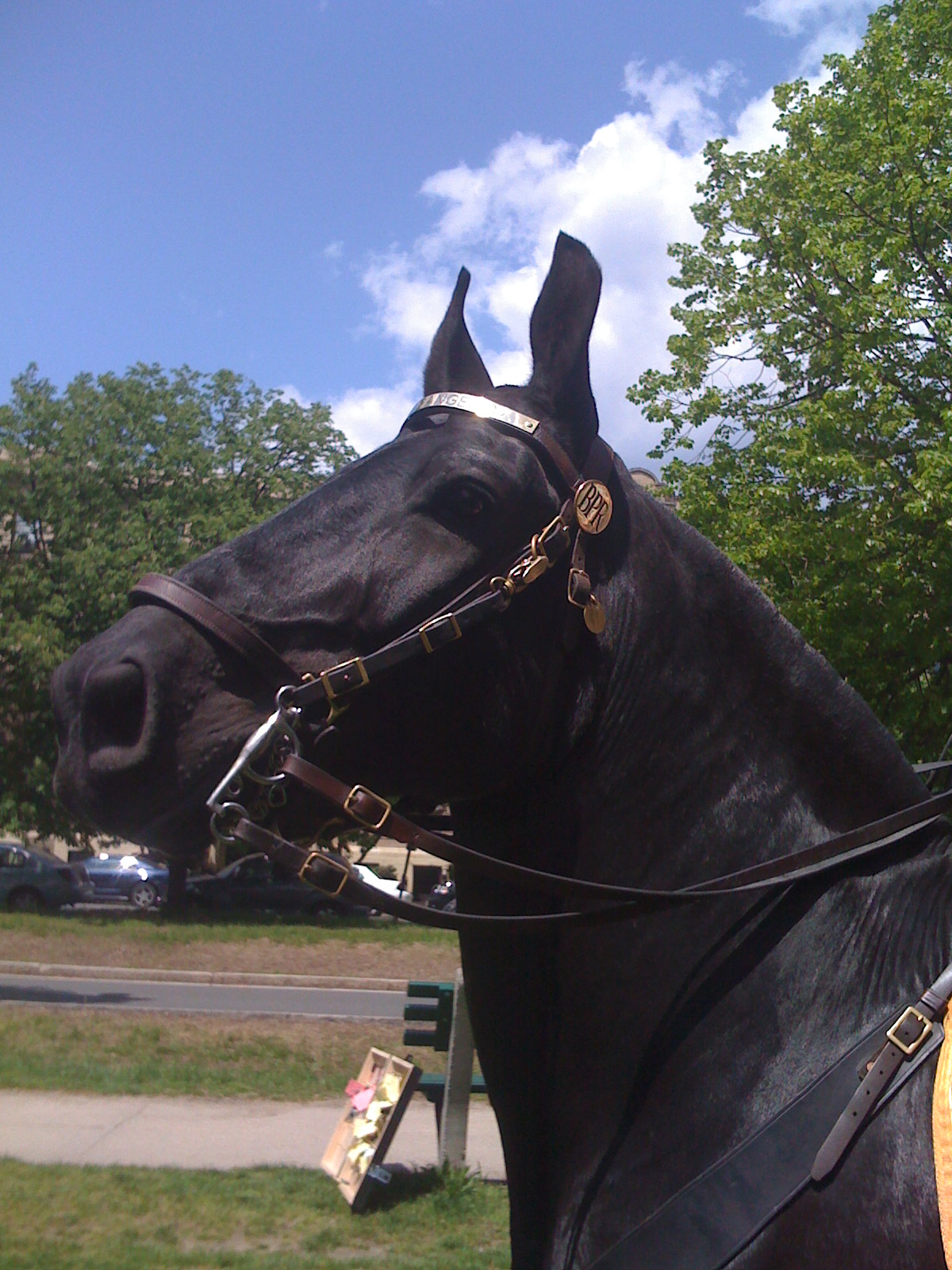
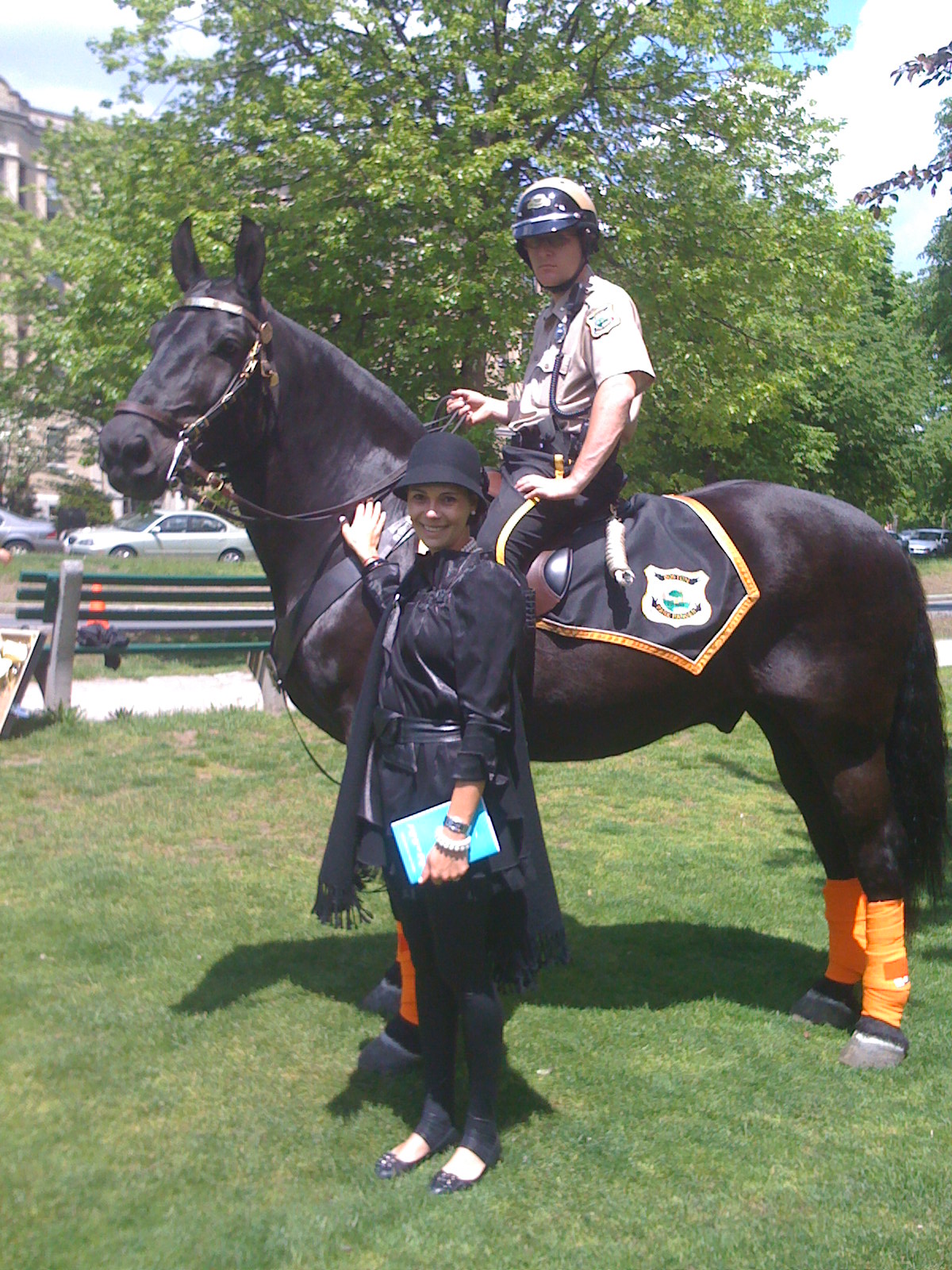
*Beautiful flowers and great food. I have to confess the Police Horses took my attention. They were the Starlight of the event for me. We have to support the future of Horses, by keeping the Emerald Necklace Alive. The Emerald Necklace was created to protect, restore, maintain and promote the landscape, waterways and parkways but the most important are the Bridle Paths. Support the Emerald Necklace Conservancy and ensure that the landscape, Bridle Paths and waterways are maintained for years to come.

Too much, clutter all I could see was Hats. All together Visual Pollution. Please Ladies. “Less is more” a basic phrase.